Stronger Together: Mothers and Daughters in Jordan Rewriting the Story on Child Marriage
Through a partnership between UNICEF, the Jordan River Foundation and Cyprus
- English
- العربية
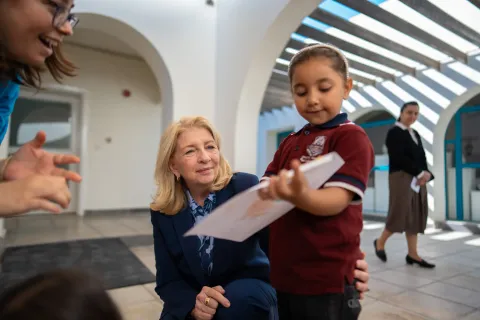
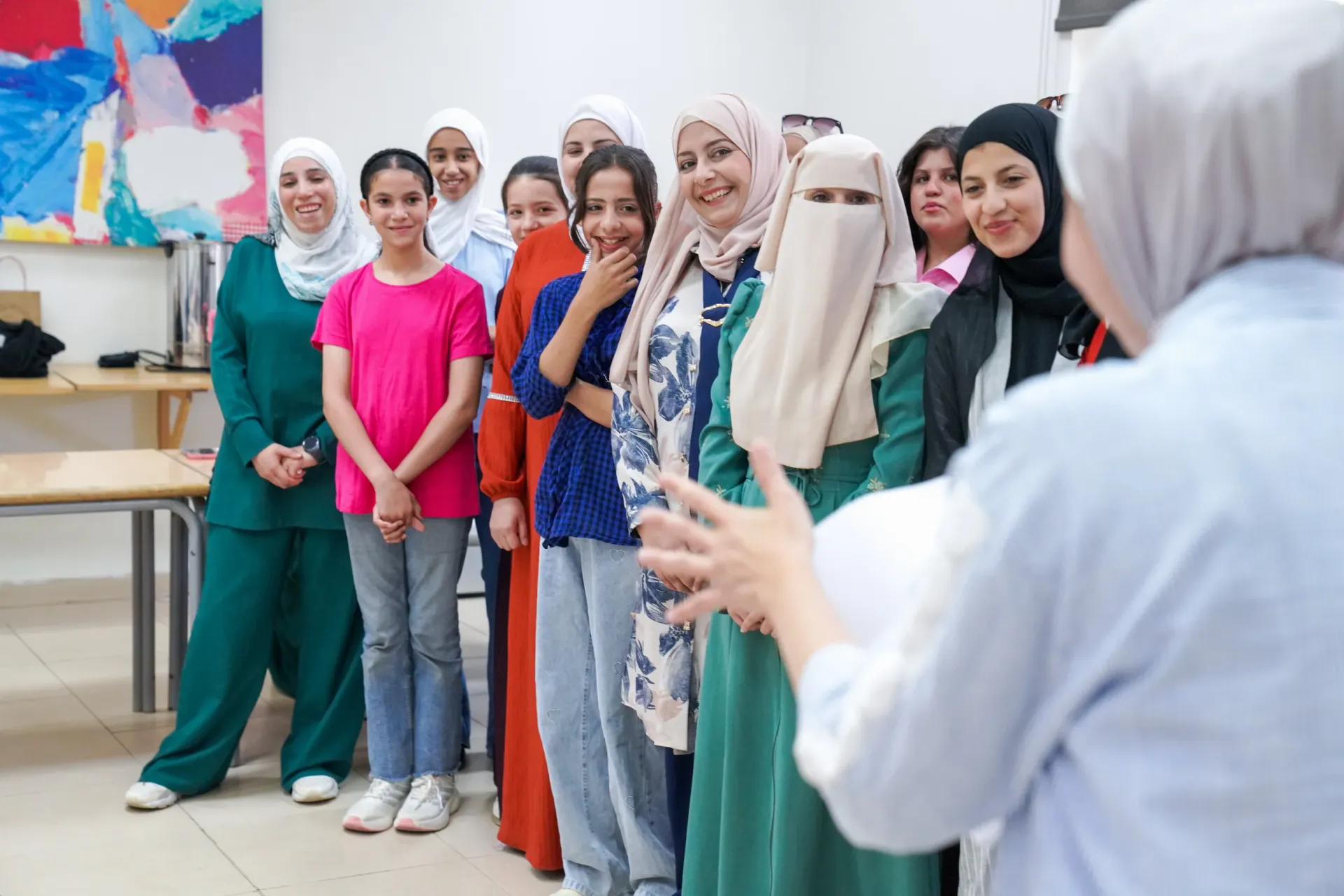
In a training room in Amman, 13-year-old Aseel sits beside her mother, Umm Mohammad, joyfully working through a worksheet together. Around them, other mothers and daughters are doing the same: talking, comparing ideas, drawn into the exercises. Something between them is shifting.
This is the design behind "Stronger Together," a programme from UNICEF and the Jordan River Foundation, supported by the Government of Cyprus. Its goal is to reduce child marriage among girls aged 12 to 17 by strengthening the relationship best placed to protect them: the one between a mother and her daughter.
Why Mothers and Daughters, Together
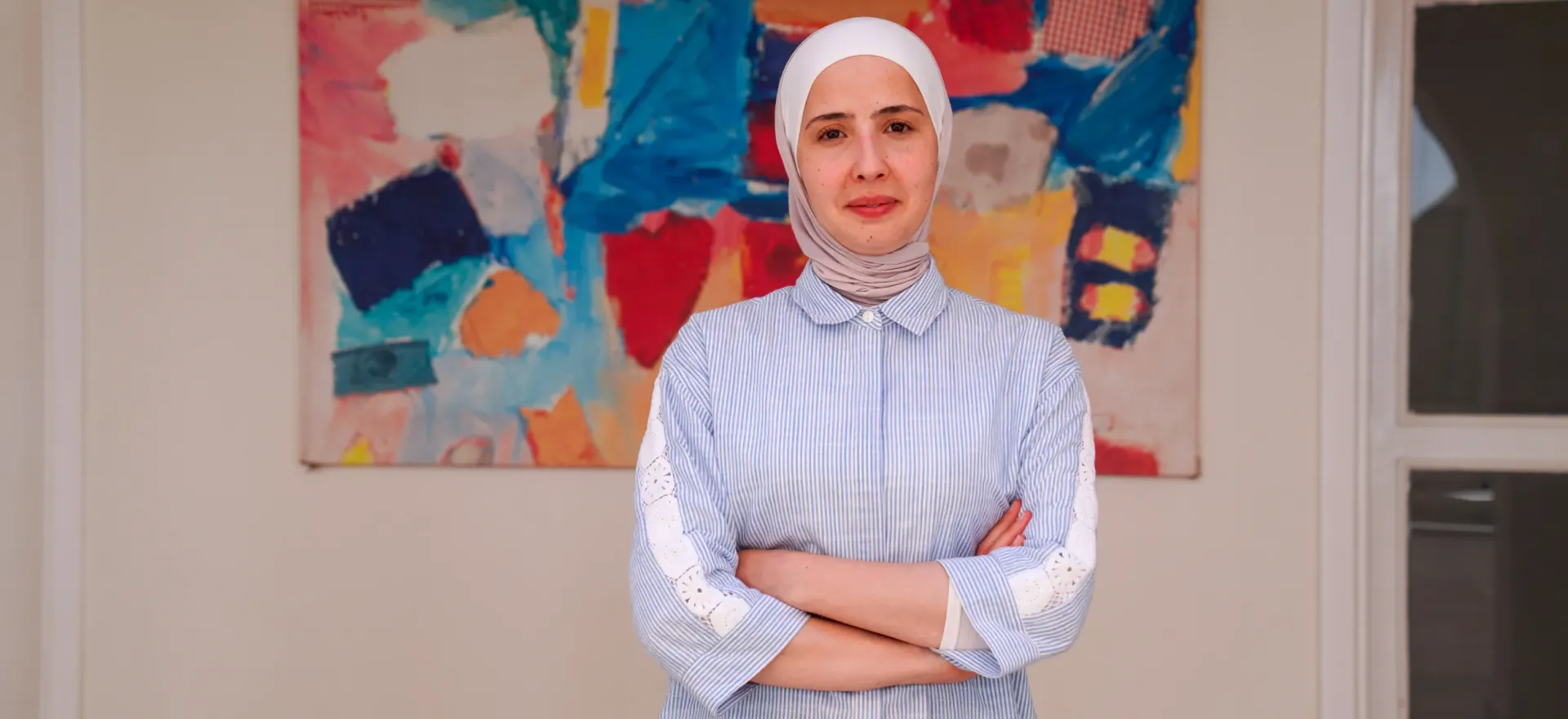
Israa, a Child Protection Specialist with the Jordan River Foundation, has spent years refining the approach. It began in 2019 as separate trainings for mothers and girls. “They were useful,” Israa recalls, “but we observed that the lessons were easy to be forgotten once each group went home alone.” So the programme was redesigned around a four-day arc: mothers and daughters learn the same material, pitched to their age group, and on the final day come together to reinforce it as one.
UNICEF/El-Noaimi
The logic behind the programme, Israa says, is that “social pressure demands social support.” When such significant pressure exists, the girl on her own is likely to not be able to fight it, and neither can the mother on her own. But when both the mother and the daughter speak of the same ideas, equipped with evidence and scientific information, and know who to turn to, they will be able to take the right actions at the right time."
That pressure, she has learned from mothers over the years, most often traces back to tradition; marriage seen as a ‘shortcut,’ a fading opportunity, or even a way to protect a daughter from a world parents see as increasingly risky. Economic strain, poor school performance, and breakdowns in mother-daughter communication all factor in as well. The programme addresses this directly: physical risks of early marriage, Jordanian law, and a shared language for mothers and daughters to understand each other again.
Hanaa: "The Trainer Was Speaking to Me as a Sister"
Hanaa Muwaffaq Al-Zoubi, 39, a mother of four who works in family reconciliation and runs her own law office, didn't expect the programme to teach her much. She assumed it would repeat what her professional experience already told her.
"From the very first session, my perspective began to change," she recalls. "I felt as though the trainer was speaking to me as a sister or a mother concerned about my daughter, rather than as a lecturer delivering abstract information."
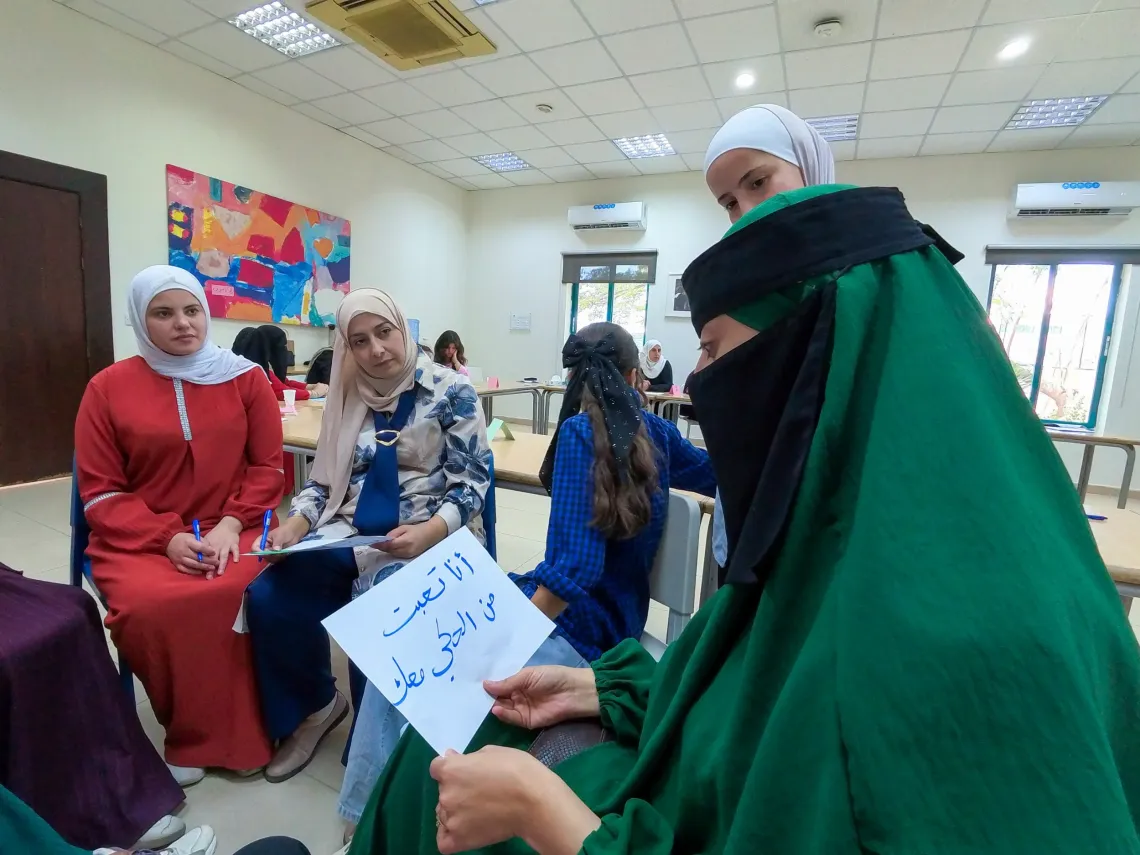
Among what she found most surprising was the science of the adolescent brain - that decision-making regions keep developing long after puberty, and teenagers' choices are driven more by emotion than reasoning. "Adolescents are not simply children for whom adults should make all decisions," she says. "They are individuals with real emotions and needs that deserve understanding and respect."
She brought that understanding home to her daughter, Aryam, who attended alongside her. "I became a better listener and more committed to building open communication and trust," Hanaa says. Professionally, she had once believed early marriage could be justifiable in certain circumstances; the programme gave her, in her words, clear evidence of the physical, psychological, and cognitive risks, and conviction that readiness for marriage is about judgment and responsibility, not just physical maturity. Now she started carrying that message to her husband, her children, and the families she meets through her work.
“I made a promise to myself to carry this message everywhere moving forward,” she concludes.
Umm Mohammad and Aseel: Learning Each Other's Language
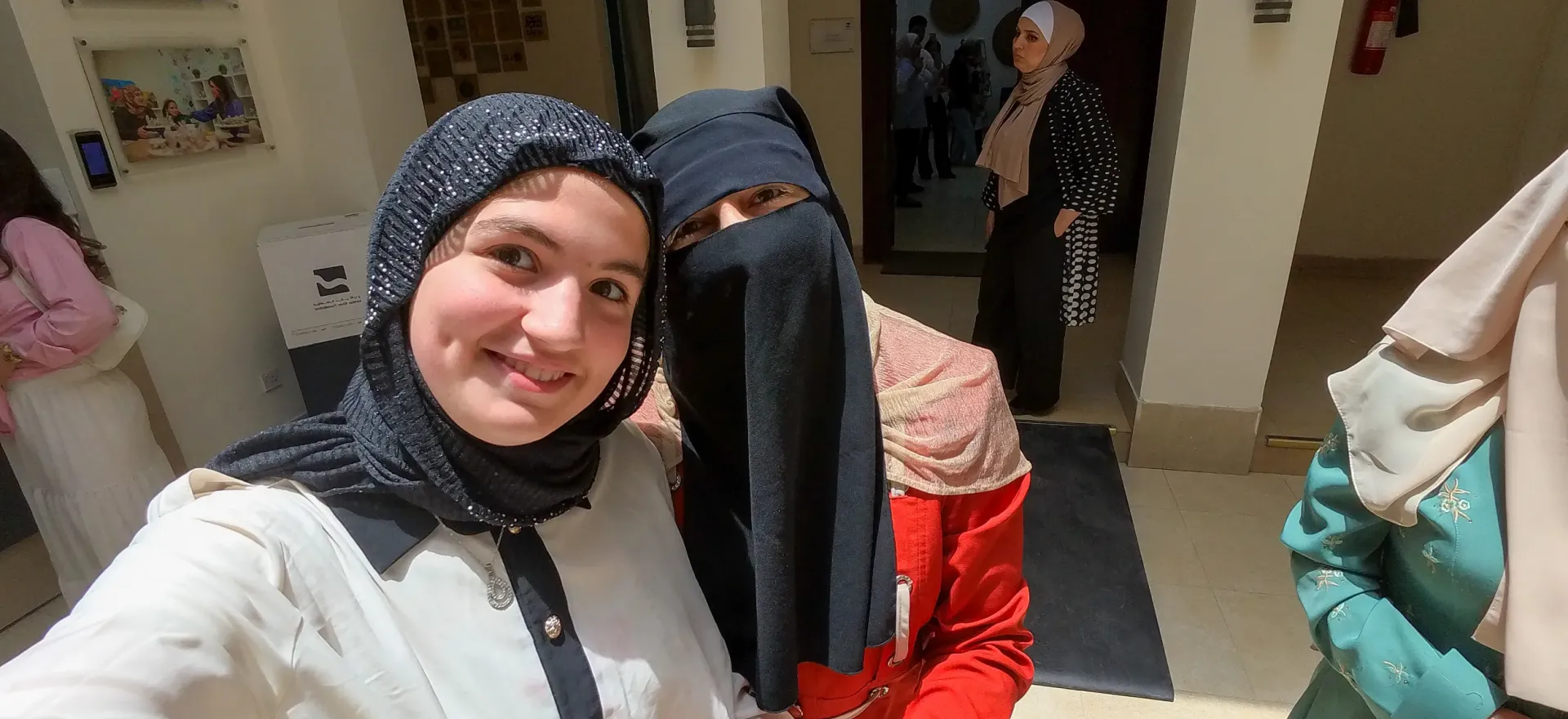
For Umm Mohammad, a mother of four, the programme arrived at the right moment, school vacation gave her and her 13-year-old daughter Aseel uninterrupted time together.
UNICEF
"The best part of the experience was that I shared it with Aseel," Umm Mohammad says. "It was important for both of us because we spent valuable time together."
Learning that the brain's decision-making regions mature until age eighteen and beyond changed how she reads her daughter's behavior. "I realized that many of the decisions teenagers make are driven more by emotions than by awareness and maturity," she says. The lesson she holds onto most, though, is practical: "Sometimes the difference between a direct request and a kind phrase like 'please' can be enormous. Teenagers need respect, attention, and the feeling that their voices are heard."
Aseel felt the shift too. "I learned how to talk to my mother and how to choose the right time to ask her for something," she says. "I now feel that she listens to me and cares about what I say."
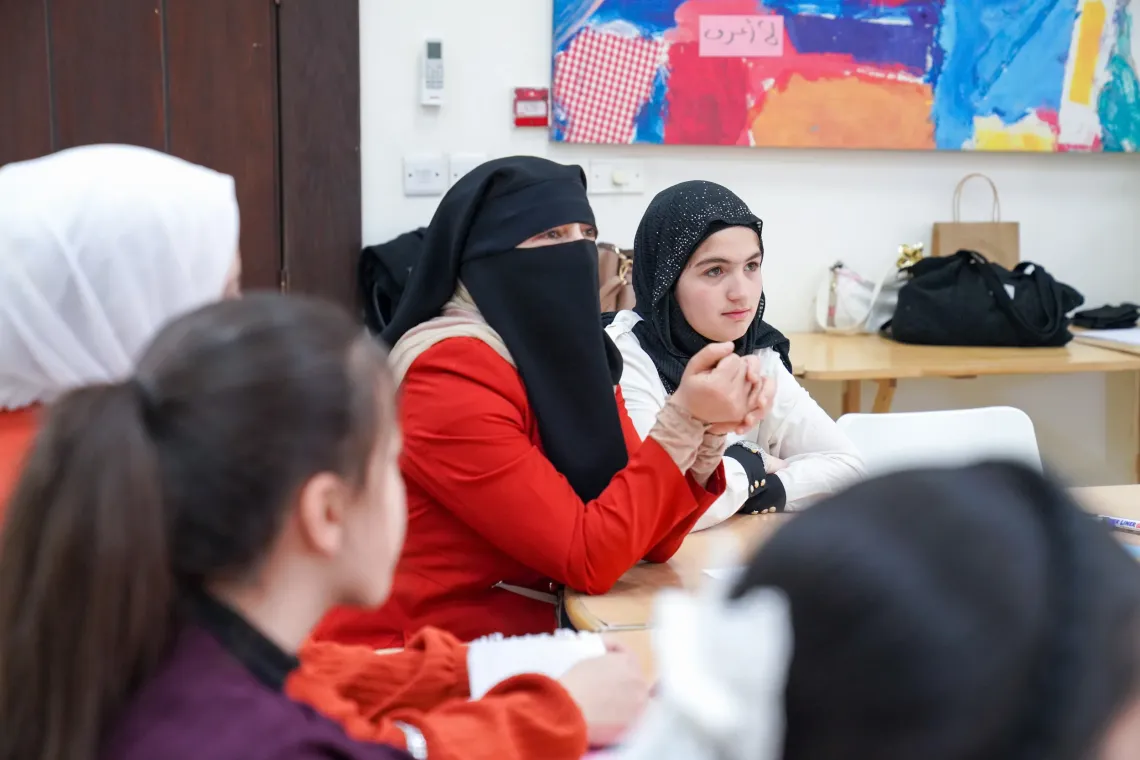
The programme reshaped how Umm Mohammad thinks about early marriage. "A girl needs time to mature and understand herself and her needs," she says. Asked about each other, mother and daughter answer almost identically: "She is the most beautiful thing in my life," says Aseel; "Aseel is the best thing in the world," says her mother.
A Ripple That Reaches the Whole Family
Israa has watched this pattern repeat across Jordan's governorates. One of the success stories that stay the most with her, she says, is a traditional matchmaker, a Khattaba, who promised on the final day of the programme never again to arrange a child's marriage, and to advocate against it wherever she encountered it.
The programme puts mothers and daughters in the centre, but daily homework assignments pull fathers and husbands into the conversation too, so the ideas take root across the whole household. Some mothers end up drawing in their sons as well.
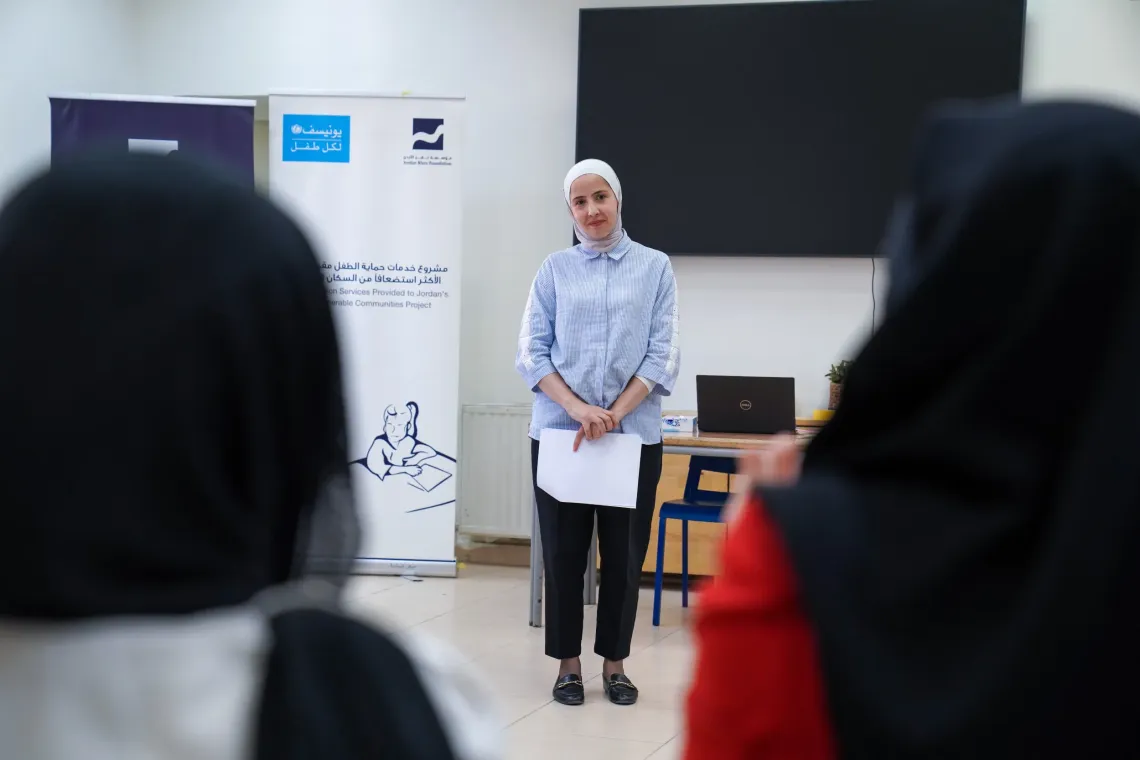
"I am proud to be part of this work,” Israa concludes, “And I am always incredibly touched by mothers' relationships to their daughters," Saleh says.
Over the past decade, the number of child marriages in Jordan has steadily fallen, from 13.8% in 2015 to 8% in 2024. Despite the decline, child marriage remains a serious problem: 81,884 children under the age of 18 were recorded as married between 2015 and 2024, including 5,085 in 2024 alone.