New Study Provides Evidence to Strengthen Substance Use Prevention for Children and Youth in Jordan
- English
- العربية
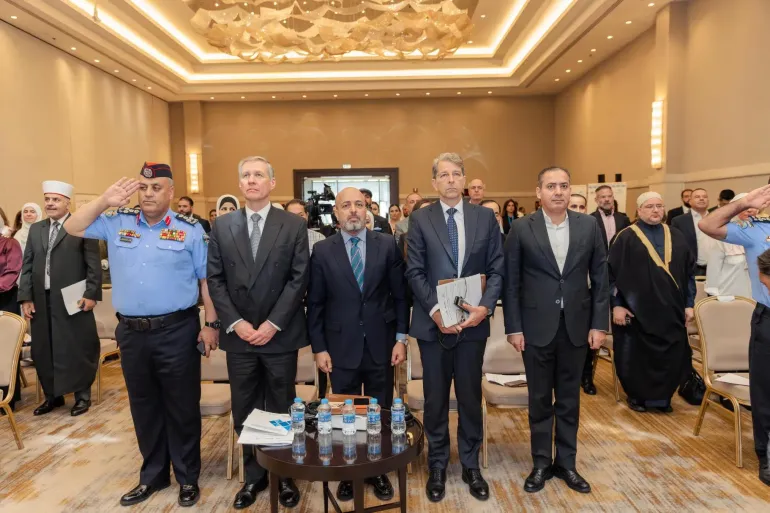
Amman, 3 August 2026 – The National Council for Family Affairs (NCFA) and UNICEF today launched a new research study to better understand the behavioural, social and environmental factors influencing substance use among children and youth in Jordan and generate evidence to support a more coordinated and prevention-focused national response.
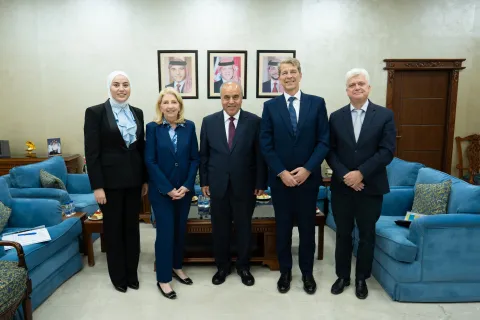
The launch brought together representatives from the Public Security Directorate, government ministries, national institutions and international partners.
The research study, Generating Evidence for a Comprehensive Social and Behaviour Change Programme on Preventing Substance Use among Children and Youth in Jordan, included a survey of 1,043 children and youth aged 10–25 across Amman, Irbid and Karak, complemented by focus group discussions and in-depth interviews with young people, caregivers, educators, counsellors, service providers and other key stakeholders.
The study found that, within the study sample, seven in ten participants reported having ever tried at least one of the assessed normalized substances, including cigarettes, shisha, vaping products and energy drinks. Nearly half of those who had ever used these products identified energy drinks as the first product they tried, while nearly four in five cited curiosity as the reason for first use.
The study also found that awareness of the potential harms associated with many substances is already high, suggesting that information alone is not enough to prevent experimentation. Peer and household exposure, ease of access, stress and low confidence in refusing substances emerged as important factors influencing behaviour.
The findings also highlight the importance of families, trusted adults and safe support systems. Young people emphasized the need for trust, open communication and access to confidential, non-judgmental support.
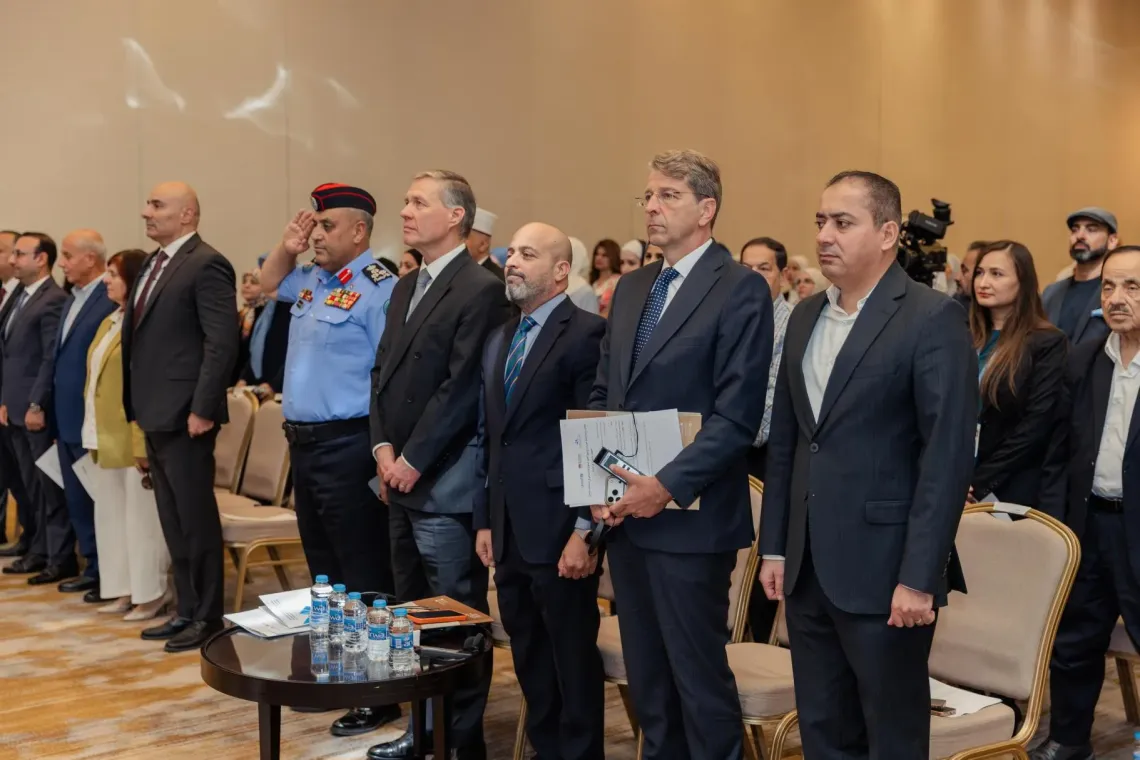
Dr. Mohammad Miqdadi, Secretary-General of the National Council for Family Affairs, stated: “this study represents an important national evidence base, developed through a mixed-methods scientific approach that combined quantitative surveys with qualitative research methods. NCFA believes prevention is a shared national responsibility that requires coordinated efforts among government institutions, international partners and civil society organizations to build supportive environments that protect children and youth and strengthen the role of families as the first line of prevention. The study's findings will support decision-makers and stakeholders in developing prevention policies and programmes and strengthen national efforts to protect children and youth and reduce risky behaviours."
Marc Rubin, UNICEF Representative to Jordan, stated: "This study confirms what we hear from young people themselves: they already understand the risks. The decisions children and youth make are influenced by their peers, families and the communities around them. Every child and young person has the right to grow up safe from harm, and this evidence provides Jordan with a clearer path to strengthen prevention through coordinated action across families, schools, communities and services."
H.E. Philip Hall, British Ambassador to Jordan, said: “Young Jordanians are the strength and future of the country. As in every part of the world, some harm themselves by abusing drugs or other substances. This study helps us understand the problem, which is essential if we are reduce the harm to young people, and to their families, friends, and communities.”
A parallel institutional review of 24 government, non-governmental and international institutions identified important strengths across Jordan's prevention ecosystem, while also highlighting opportunities to strengthen coordination, behavioural data and the measurement of behaviour change outcomes.
The evidence will inform the development of a Social and Behaviour Change strategy for substance use prevention in Jordan, helping translate the findings into coordinated action across families, schools, communities and services.
The study was made possible through the generous support of the UK Government, through the Foreign, Commonwealth & Development Office (FCDO).
Media contacts
UNICEF promotes the rights and wellbeing of every child, in everything we do. Together with our partners, we work in 190 countries and territories to translate that commitment into practical action, focusing special effort on reaching the most vulnerable and excluded children, to the benefit of all children, everywhere.
For more information about UNICEF and its work for children in Jordan, visit www.unicef.org/jordan.