Equipped to lead: a shared experience
The Regional UPSHIFT Innovation Challenge is helping young people across the Western Balkans collaborate, innovate and lead

Geography, economics and opportunity shape the circumstances of childhood, even across a region as small as the Western Balkans, home to some 11 million people. What doesn't vary is what young people need: to be heard, trusted, and equipped to fulfil their potential.
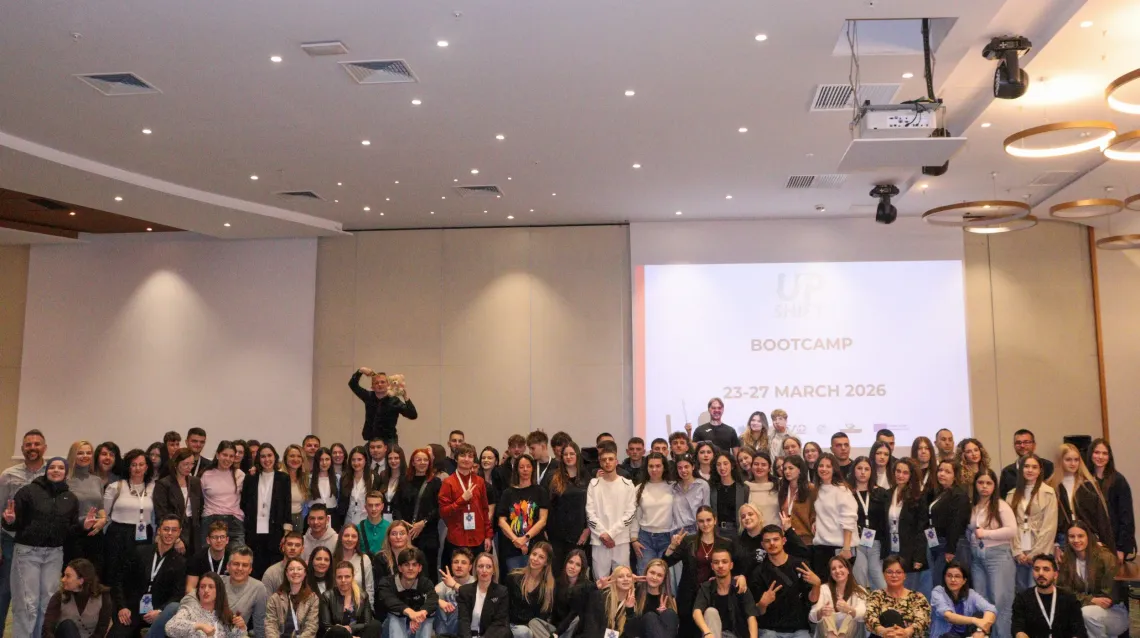
The Regional UPSHIFT Innovation Challenge brings together young people from Albania, Bosnia and Herzegovina, Croatia and North Macedonia to explore shared challenges and develop solutions that reflect the needs of their own communities. Supported by the European Union through its Erasmus programme, the initiative enables civil society organizations across the Western Balkans to adapt UNICEF’s UPSHIFT methodology while creating opportunities for young people to build skills, collaborate across borders and learn from one another.
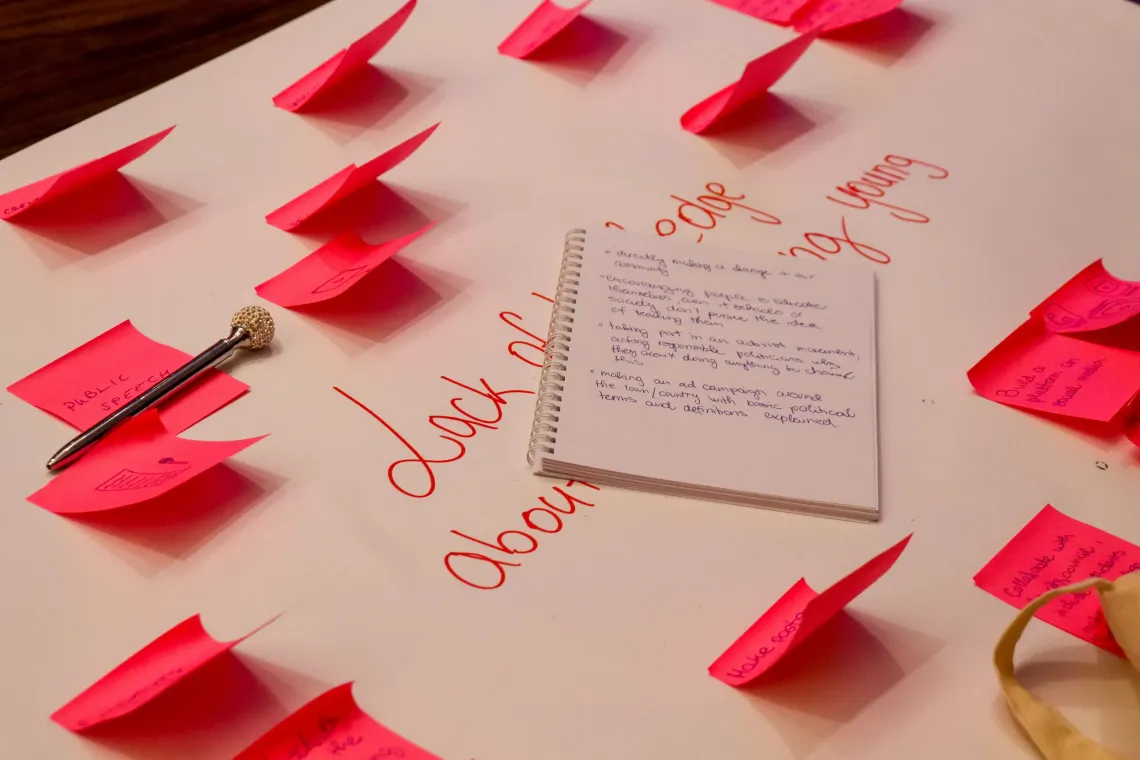
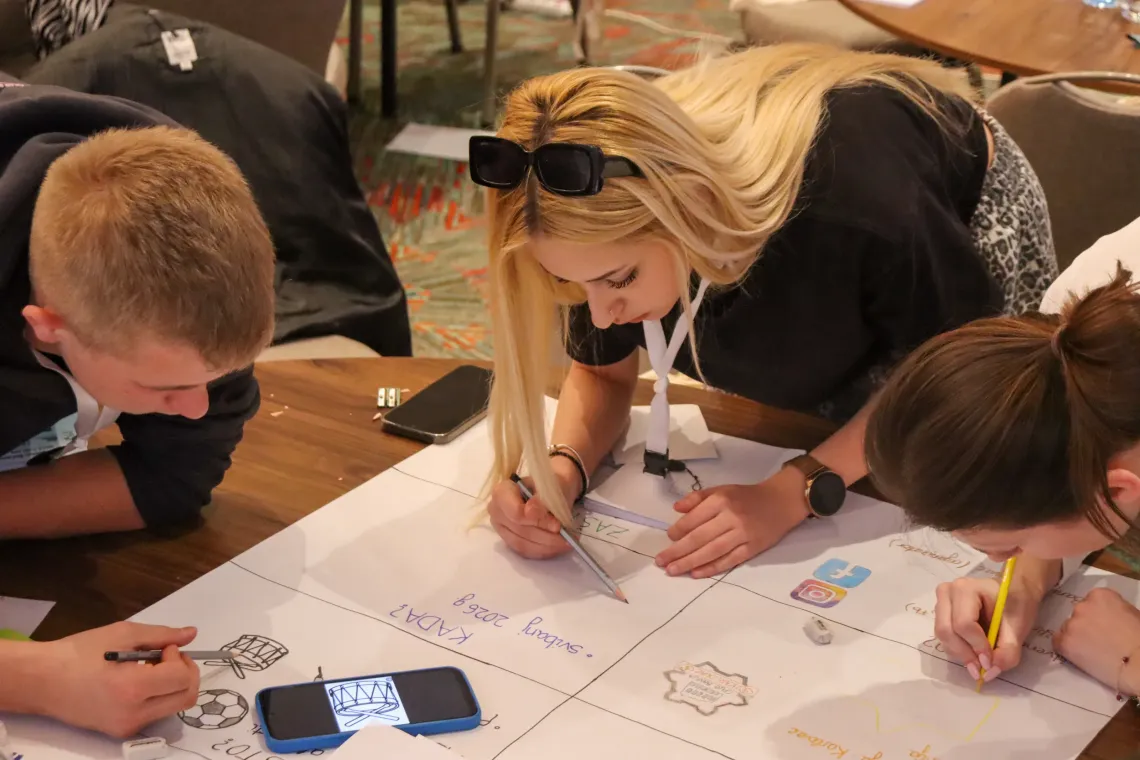
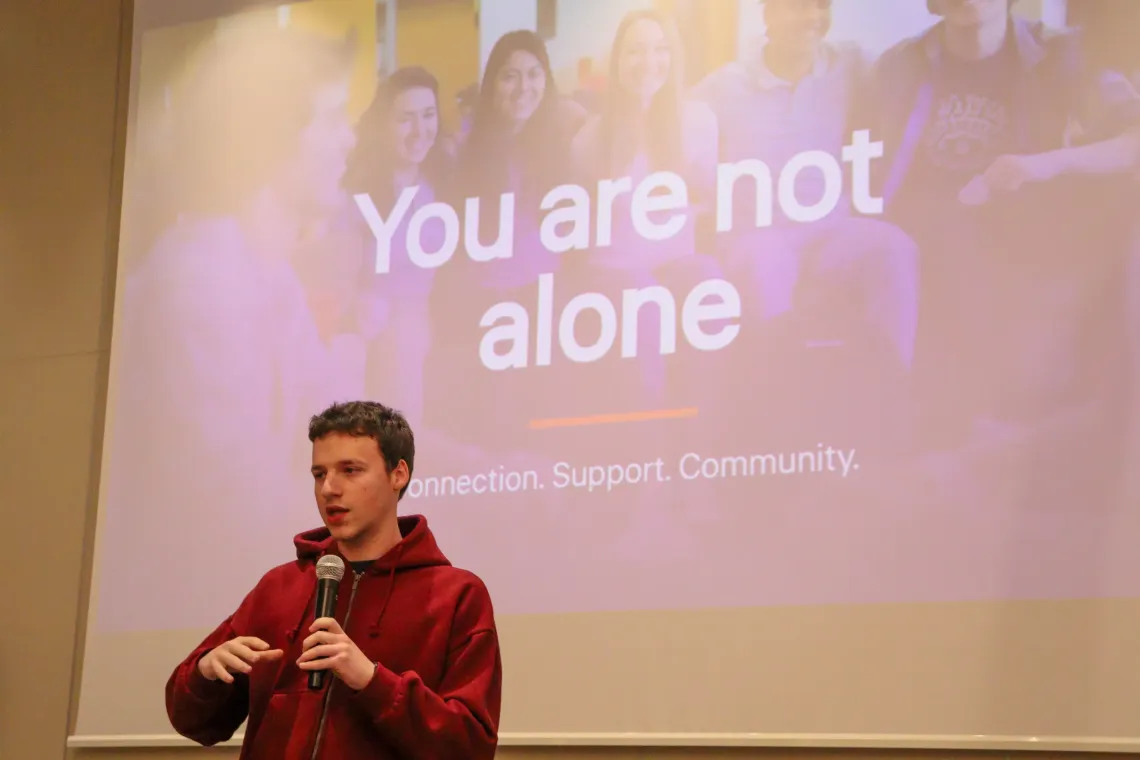
Working in diverse teams with the support of mentors, participants explore challenges they care about, test ideas and develop practical solutions. But for many, the more lasting discovery lies outside the projects themselves. Fatima Beganovic, 19, from Bosnia and Herzegovina, found that the most meaningful conversations weren't about the ideas her team developed, but about the experiences participants had in common.
“We shared our problems with each other, and I was shocked how similar they were,” says Fatima. “We come from different countries, but we think the same. It’s sad that sometimes we are divided. But when we meet like this, you see that it’s not real, we are quite the same.”
For Fatima, the biggest discovery wasn't learning about another culture. It was realizing that young people across borders often share the same struggles and hopes.
“I don’t want to leave my country,” she says. “I want to stay and build a better future here.”
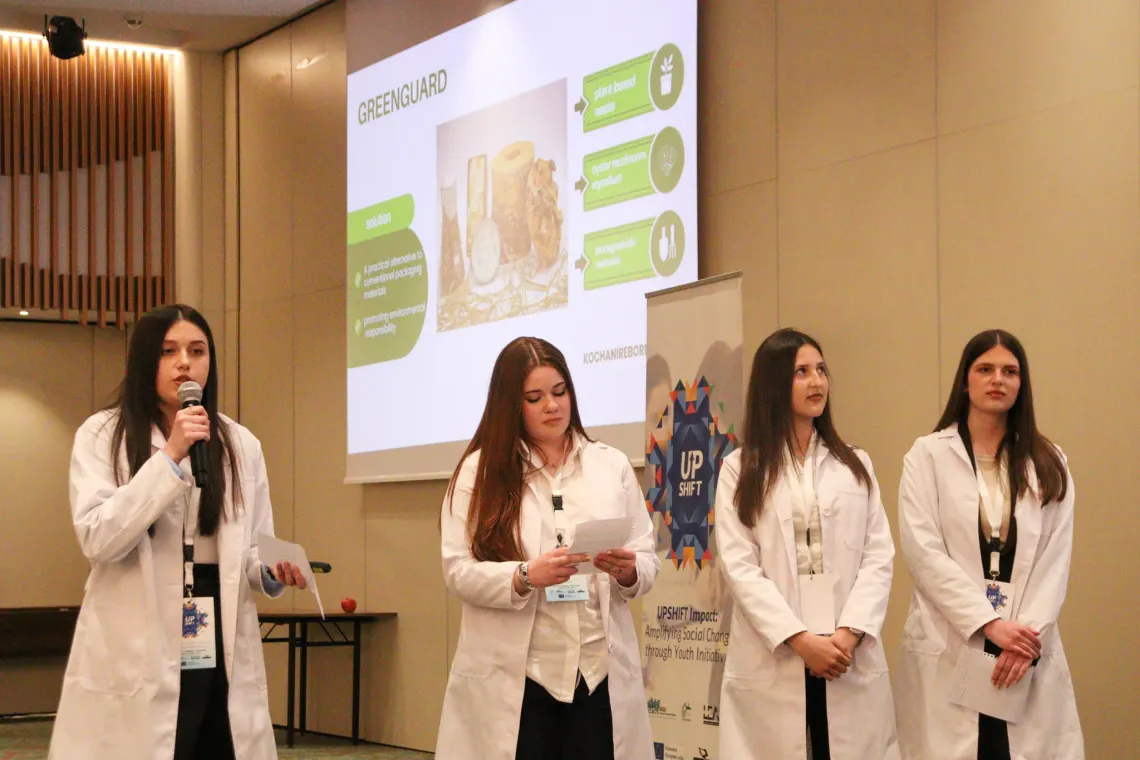
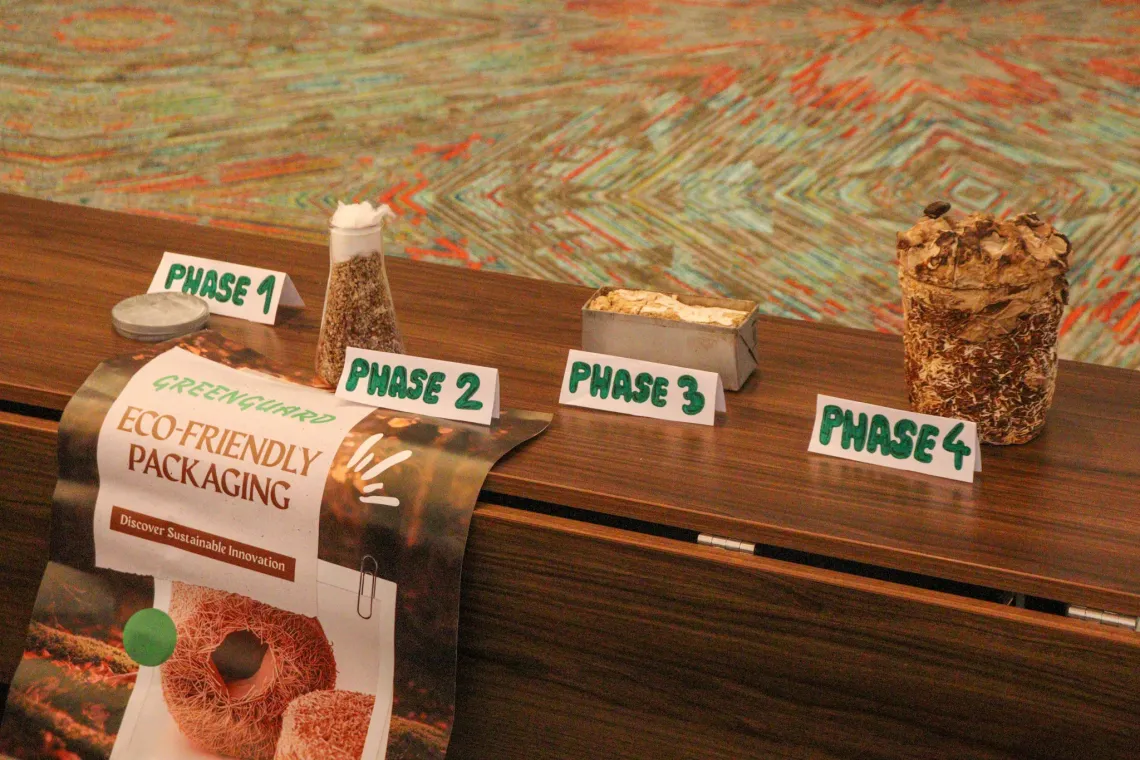
The ideas that emerged reflected different local priorities but shared ambitions. A team from Bosnia and Herzegovina designed a community fridge where neighbours can donate food and clothing to families in need. Young people from North Macedonia developed biodegradable packaging from agricultural waste. Participants from Albania created an interactive way to preserve local heritage through QR codes, while a Croatian team reimagined public spaces to reconnect young people through sport, music and art.



The Regional UPSHIFT Innovation Challenge is part of a much broader global movement. UNICEF's social innovation accelerator has reached nearly 65 million young people across more than 50 countries, adapting to different education systems and local priorities while holding to one principle: young people are trusted to lead. In Bhutan, UPSHIFT is embedded within the national education system. In Lao PDR, Project Sinxay: UPSHIFT, implemented by the Lao Youth Union with UNICEF, helps young people combine AI, innovation and climate action. In Madagascar, young people are using UPSHIFT to take action on issues that matter to their own communities.
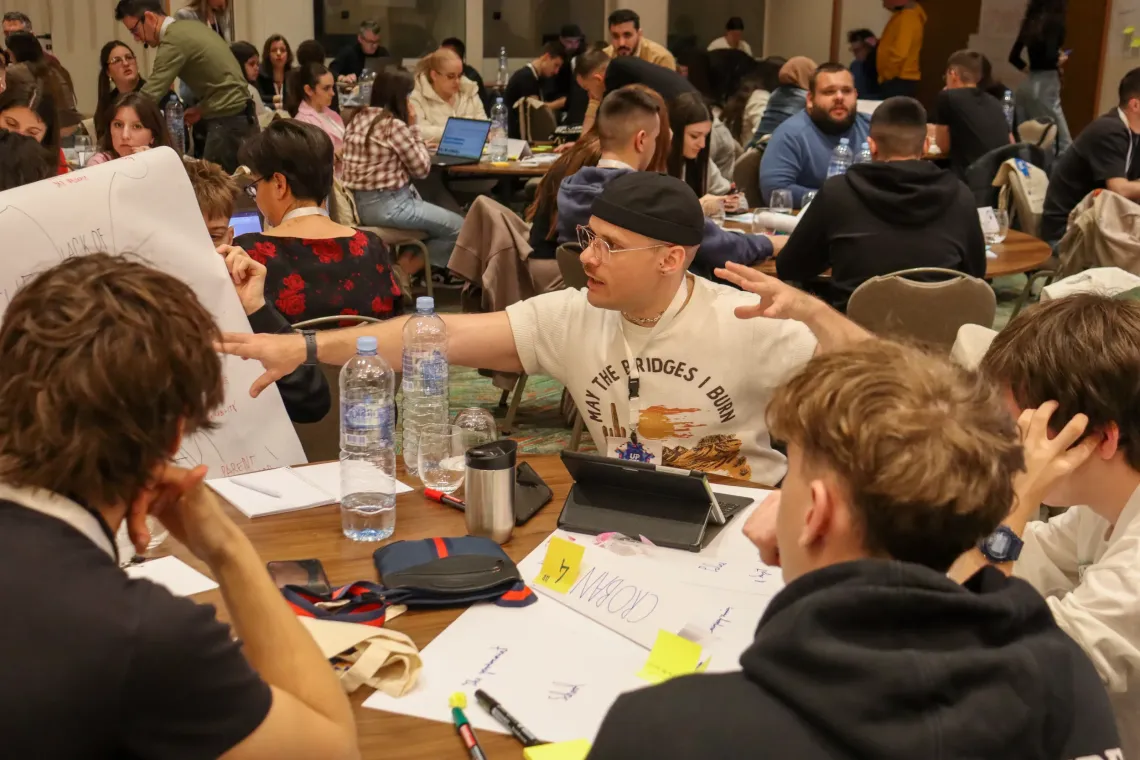
That same principle plays out close to home. For Drasko Stojcevic, Project Coordinator at Genesis Project, one of the four organizations implementing the Regional UPSHIFT Innovation Challenge, the greatest impact goes beyond the ideas participants develop. Having supported several rounds of UPSHIFT, he has seen the experience change the confidence and direction of the young people who take part. One participant from a small municipality in Bosnia and Herzegovina stands out. "Before UPSHIFT, she was an average student, shy and withdrawn," he recalls. "The moment she realized she would travel and be part of something bigger, something changed." She went on to excel at school.
“Sometimes there is no support from school, from family or from the system. Then they find that spark of support in UPSHIFT: someone believes in them. And that is very powerful.”



Mentor Petar Keramitchiev has witnessed similar transformations through his work with participants across the region. “In our region, many young people feel like they cannot influence society. That makes them passive,” he says. “Experiences like this break that pattern.”
Fatima's experience reflects one of the central ideas behind UPSHIFT. Although participants arrive from different places and with different experiences, they often leave with a stronger belief in what they can achieve together. Young people become leaders when they are trusted and supported to lead.