Learning by doing
How UPSHIFT is helping young people develop future-ready skills
The pace of change is forcing education systems to think differently about how young people learn. Artificial intelligence, climate change and new technologies are reshaping the world students will enter, making it just as important to develop curiosity, adaptability and collaboration as it is to build strong foundational knowledge.
Today, UPSHIFT has reached nearly 65 million young people across more than 50 countries, with more than 7 million completing the full learning journey. It is embedded within formal education systems in countries including Bhutan, India, Indonesia, Italy, Kosovo and Vietnam, while governments including Jordan, Morocco, Thailand, Türkiye and Uganda are integrating it into youth development and non-formal education programmes.
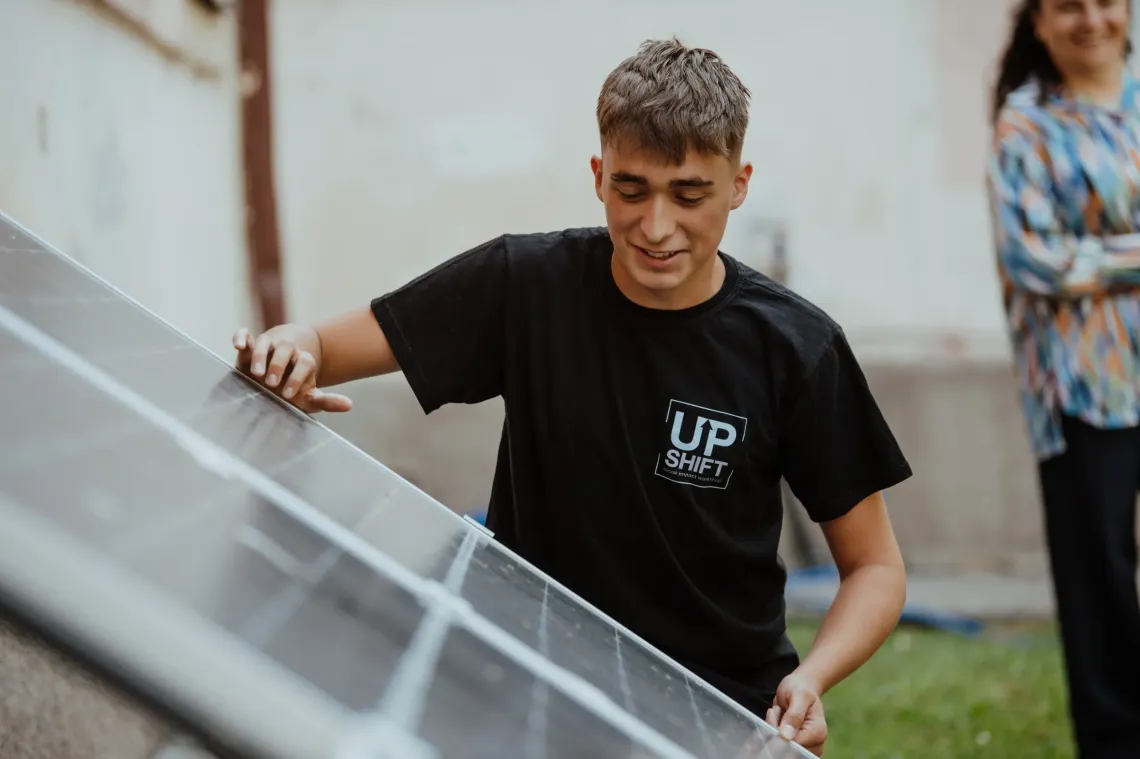
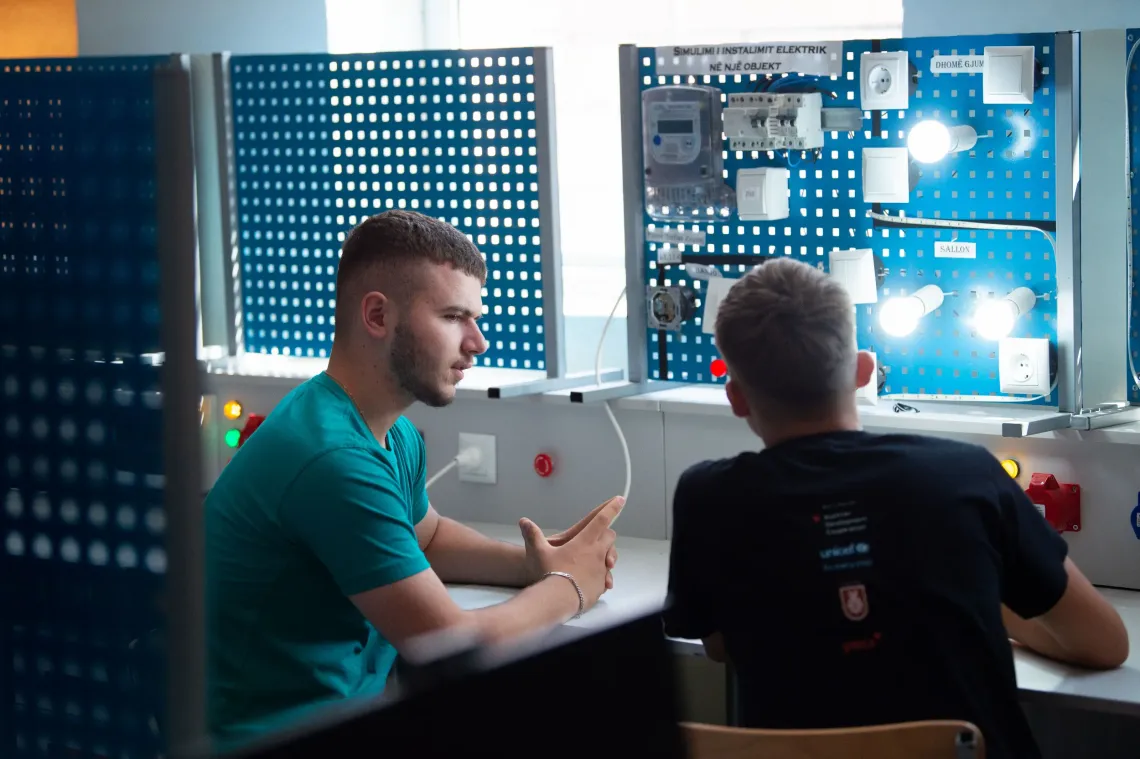
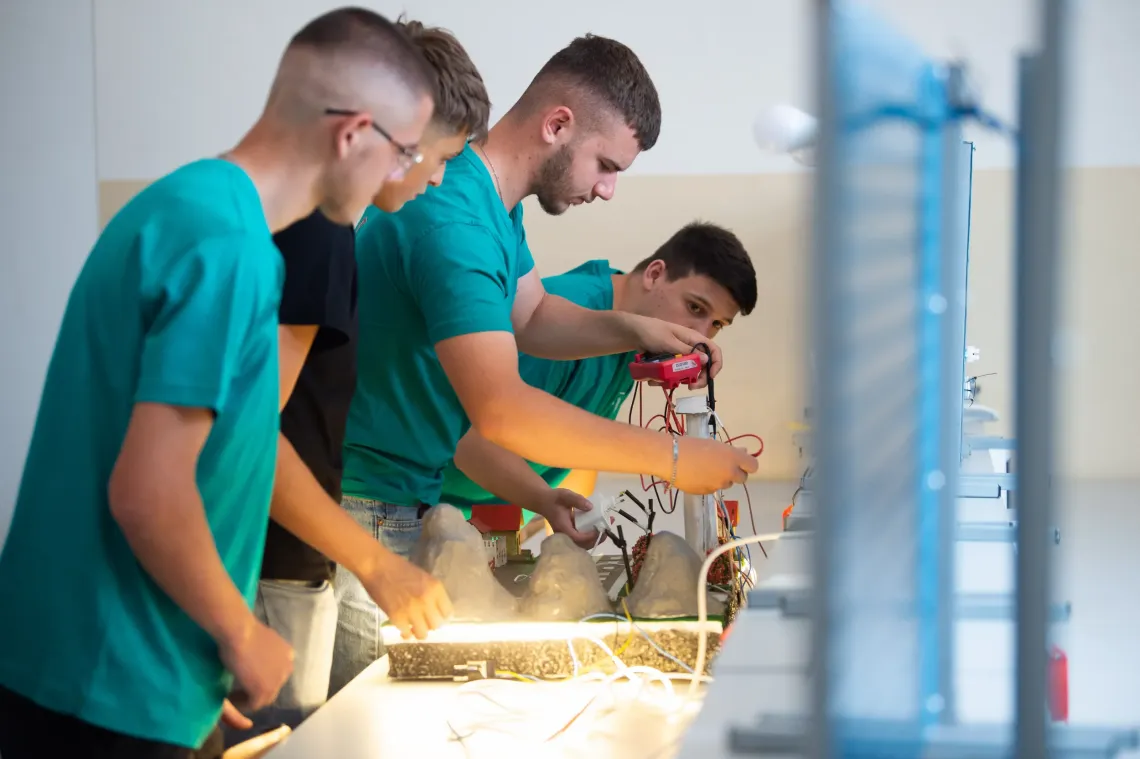
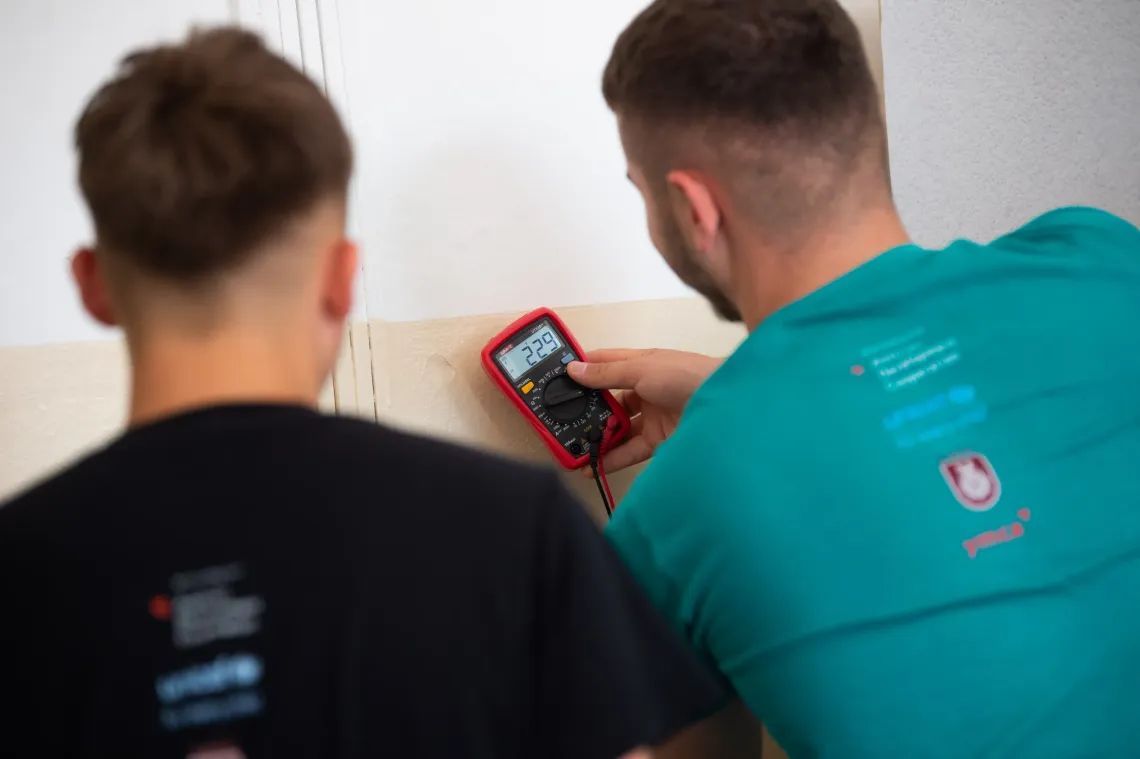
At the “Nexhmedin Nixha” Technical School in Gjakova, Kosovo, five students saw an opportunity to put that approach into practice. Sufjan Zeqiri and his classmates, Altin, Florian, Albin and Enrik, wanted to help their school become less reliant on traditional energy sources.
With support from their mentor, Arbnora, they spent four months identifying the problem, developing a budget, pitching their idea and installing solar panels that now generate clean energy for their school. Along the way, they strengthened not only their technical knowledge but also their leadership, teamwork, communication and project management skills. Inspired by the project, the school introduced a new subject on renewable energy, ensuring future students can continue learning about sustainable technologies.



“When the solar panels were finally installed, and we saw the pride in the eyes of our teachers, classmates and even our parents, it felt like we were lighting up more than just our school. We had become role models,”
As Nim Dorji, a teacher at Gedu Higher Secondary School in Bhutan, puts it, “People often talk about innovations, but never about the skills involved to innovate.” That idea sits at the centre of UPSHIFT. The projects themselves may be different, but the confidence, creativity and critical thinking developed through the process stay with young people long after each project is complete.
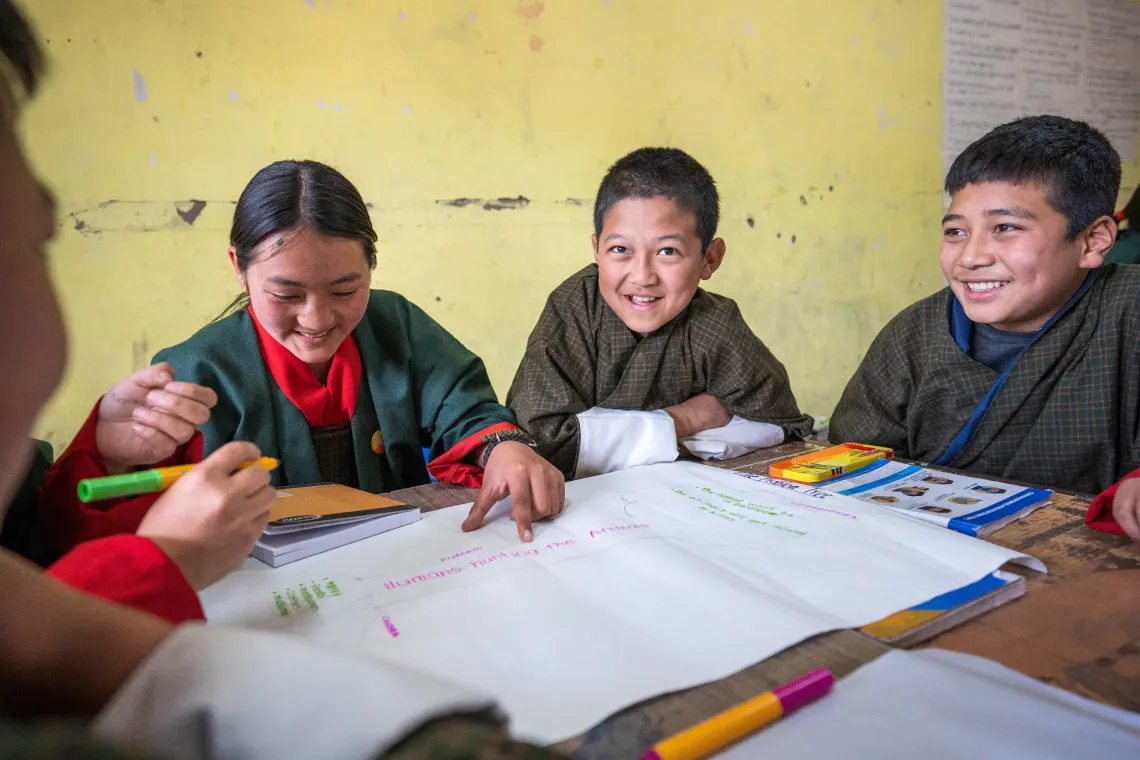
The approach is now being adopted in different ways around the world. In India, it has been implemented at extraordinary scale. Through the 2025 Viksit Bharat Buildathon, more than 40 million students were introduced to UPSHIFT, while over one million teachers were trained to facilitate experiential learning, helping students investigate questions, collaborate, prototype ideas and reflect on their learning.
In Bhutan, UPSHIFT has expanded from 65 schools in 2022 to 264 schools across all 20 districts and four municipalities, reaching more than 27,000 young people and supporting the development of more than 1,500 youth-led solutions.
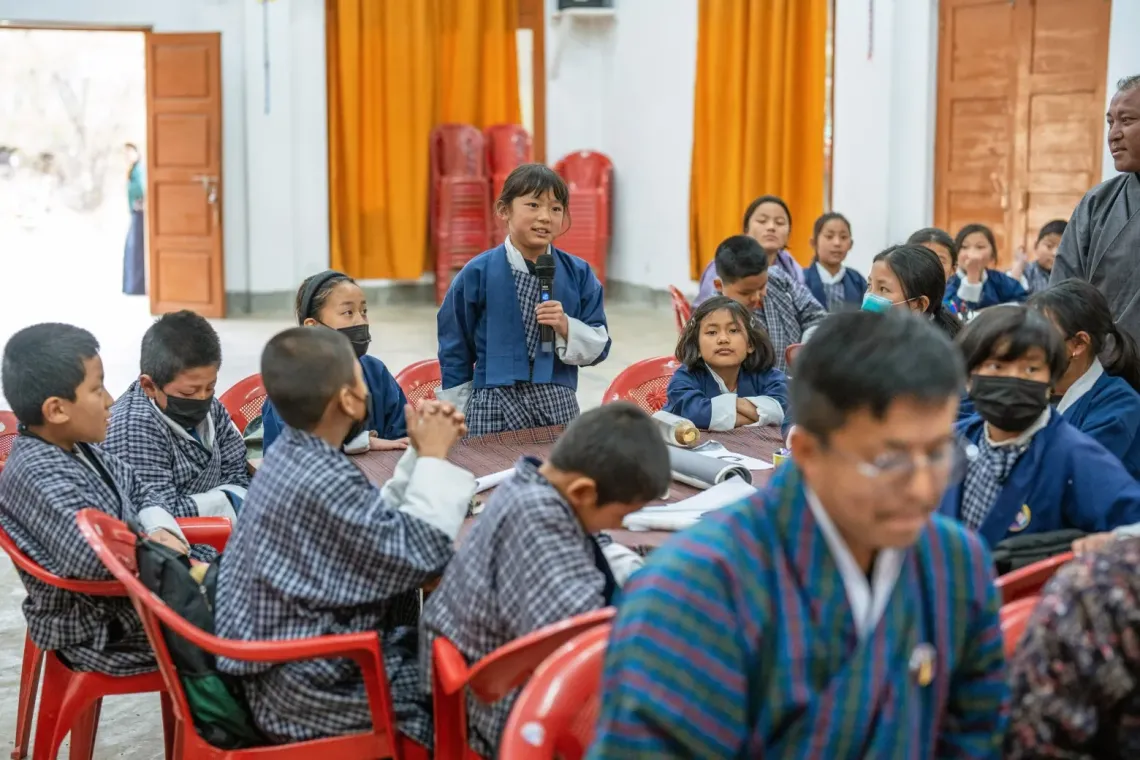
As the programme has grown, digital tools have made it easier to bring experiential learning to more classrooms. Building on its strong integration within the national education system, Bhutan was the first country to pilot UPSHIFT through Google Classroom, combining a familiar digital learning platform with AI-supported content development to help educators adapt learning more quickly across different languages, curricula and classroom contexts.
Whether it is students installing solar panels in Kosovo, millions of learners participating through India's Build-a-thon or teachers using new digital tools in Bhutan, the goal is the same - to give young people opportunities to learn by doing.