It’s Right to Play
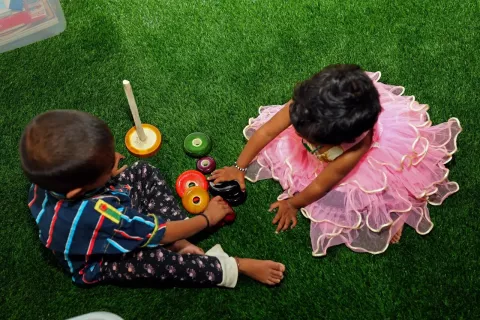
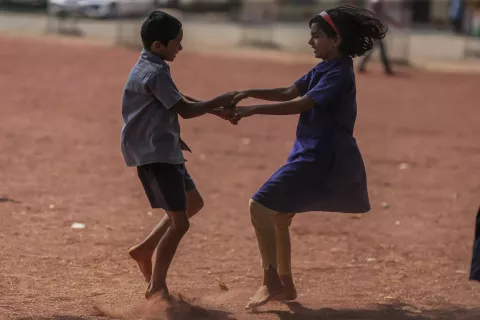
Play isn’t just fun – it’s essential for every child’s development.
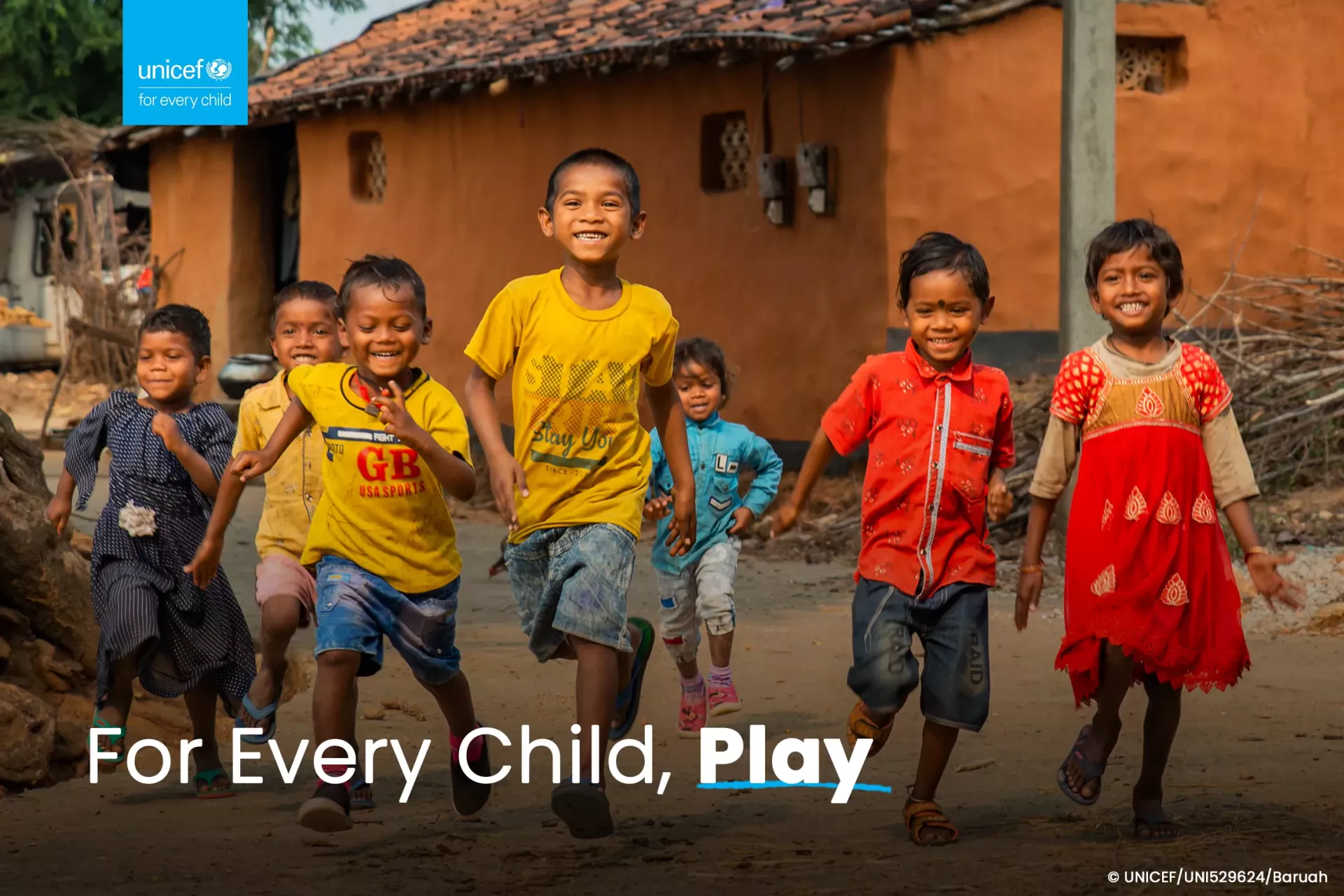
- English
- हिंदी
Choose to play – every day!
Learn about International Day of Play 2025, get fun and free play activities for the family and help us make sure that every child everywhere can fulfil their right to play.
What is International Day of Play?
International Day of Play is a time to celebrate the power of play. It’s a time to raise awareness about how central play is to every child’s development and well-being. And it’s a time when we can come together to make sure that every child can fulfil their right to play.
What is the theme for International Day of Play 2025?
The theme for this year’s International Day of Play is “Choose Play – Everyday”. The theme is a reminder for all of us – governments, businesses, schools and families – to make decisions that embrace and prioritise play for children.
Why is play so important?
Play isn’t just fun, it’s essential. Through play, children learn to forge connections with others, build a wide range of leadership skills, develop resilience, navigate relationships and social challenges, and conquer their fears. Play helps children to thrive in a rapidly changing world.
When is the International Day of Play?
The International Day of Play happens on 11 June.
How can I get involved?
You'll be able to take part wherever you are – whether it’s trying out new play ideas with your children or helping raise awareness with your friends, families and networks about the power of play.
And remember, there's no need to wait until 11 June – every day is an opportunity for playful moments!

Developmental milestones

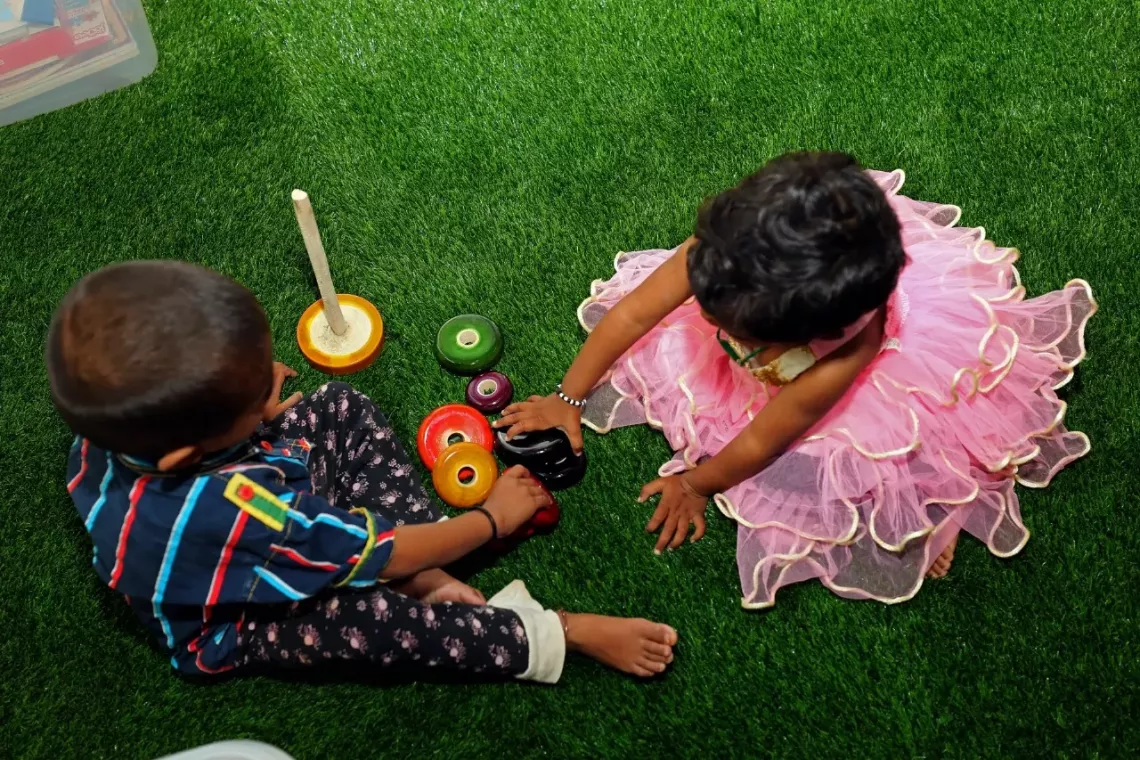
Play is more than fun — it’s the foundation of learning and growth. In the first three years, a child’s brain develops faster than ever, and play fuels that journey toward a happy, healthy future.
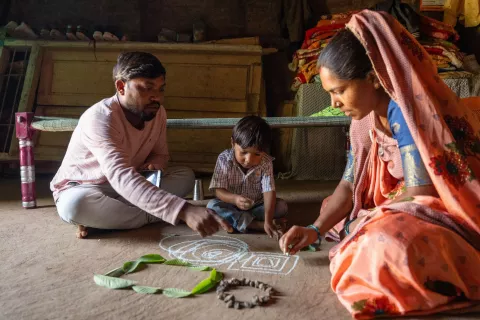
Playing at home can spark learning, creativity, and joy. For children 0–8 years, playful moments are powerful tools for exploration and building a brighter future.
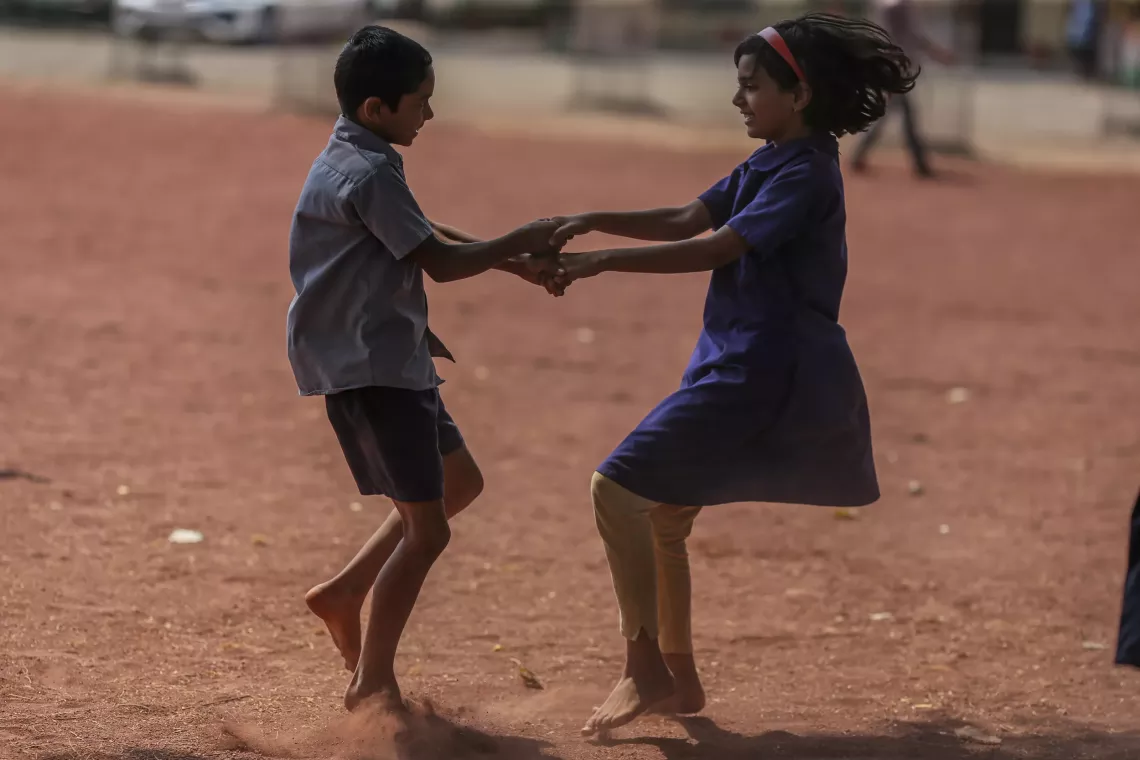
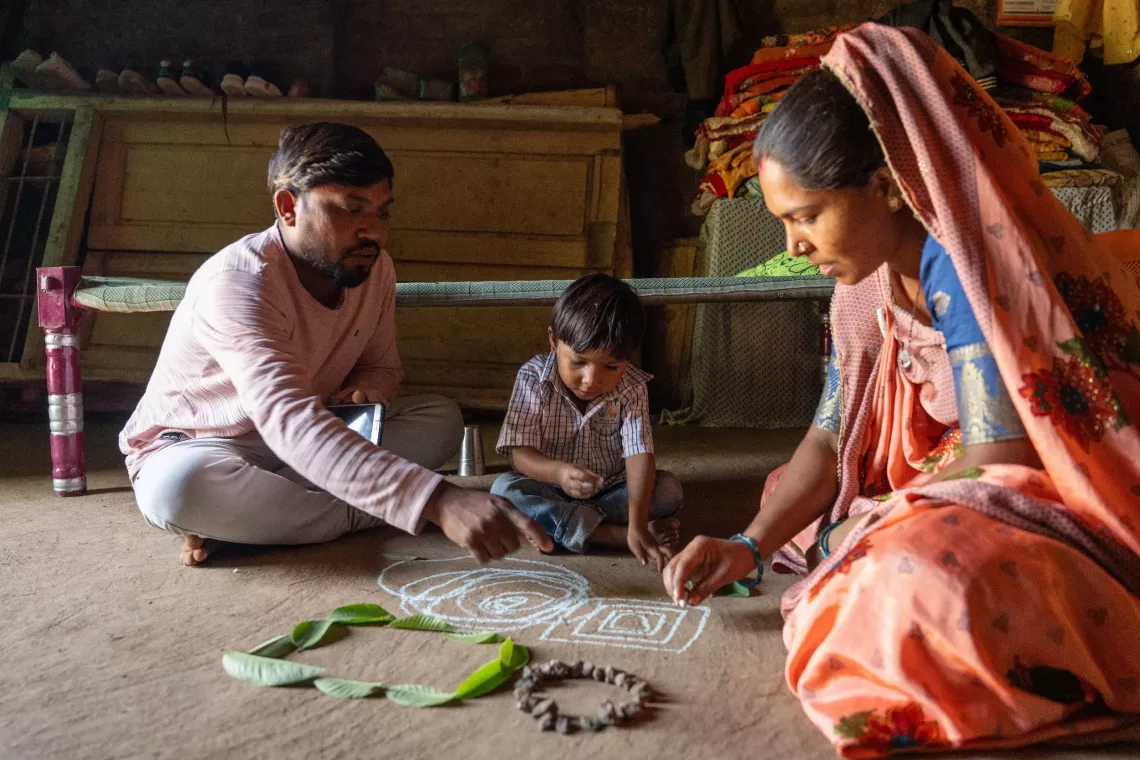
From birth to 11 years, love, play, and talk shape a child’s learning. Simple acts like smiling, singing, and playing strengthen their brain, build skills, and boost confidence — no fancy toys required, just your time and attention.
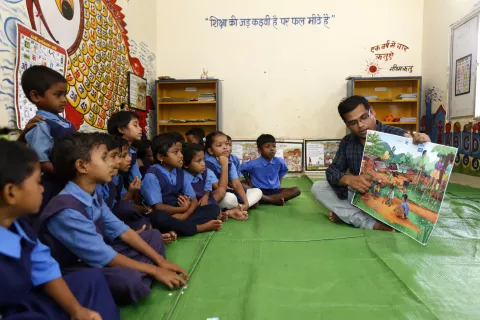
Teachers shape how children think, feel, and grow. From birth to 11, every playful interaction builds brain power, confidence, and communication skills — proving that joyful learning helps every child thrive.
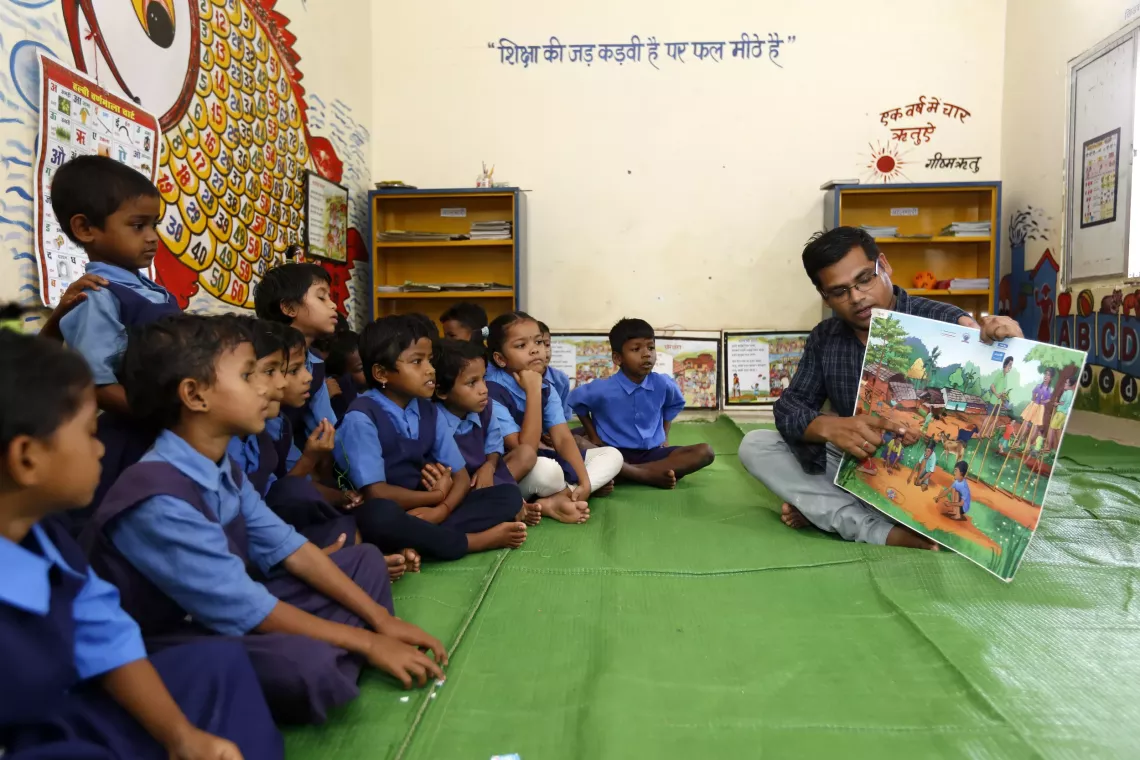
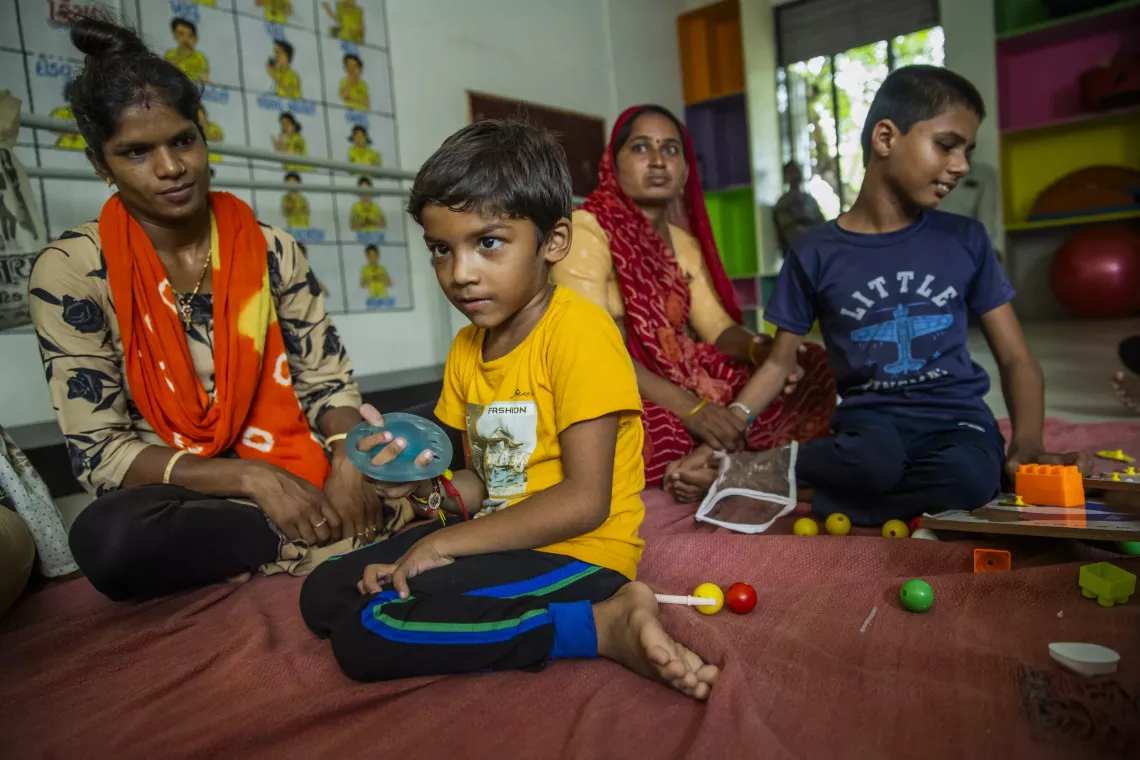
For all children, including those with disabilities, play is the best way to learn. Simple, fun at-home activities spark discovery, build skills, and create joyful moments together.
A global call to action
Fulfilling every child's right to play
Choose play everyday and help create a world where every child’s right to play is respected, protected and fulfilled.
We are calling on governments, businesses and other stakeholders to:
- Scale up services, including parenting programmes, that promote play and attachment.
- Enable access to pre-school and learning through play for every 3- to 6-year-old.
- Ensure every child has access to safe, inclusive, and well-maintained play areas.