Safe water and sanitation restored after devastating floods
With support from the Central Emergency Response Fund (CERF), UNICEF is addressing urgent needs in the Kankan and N'Zérékoré regions following catastrophic flooding.
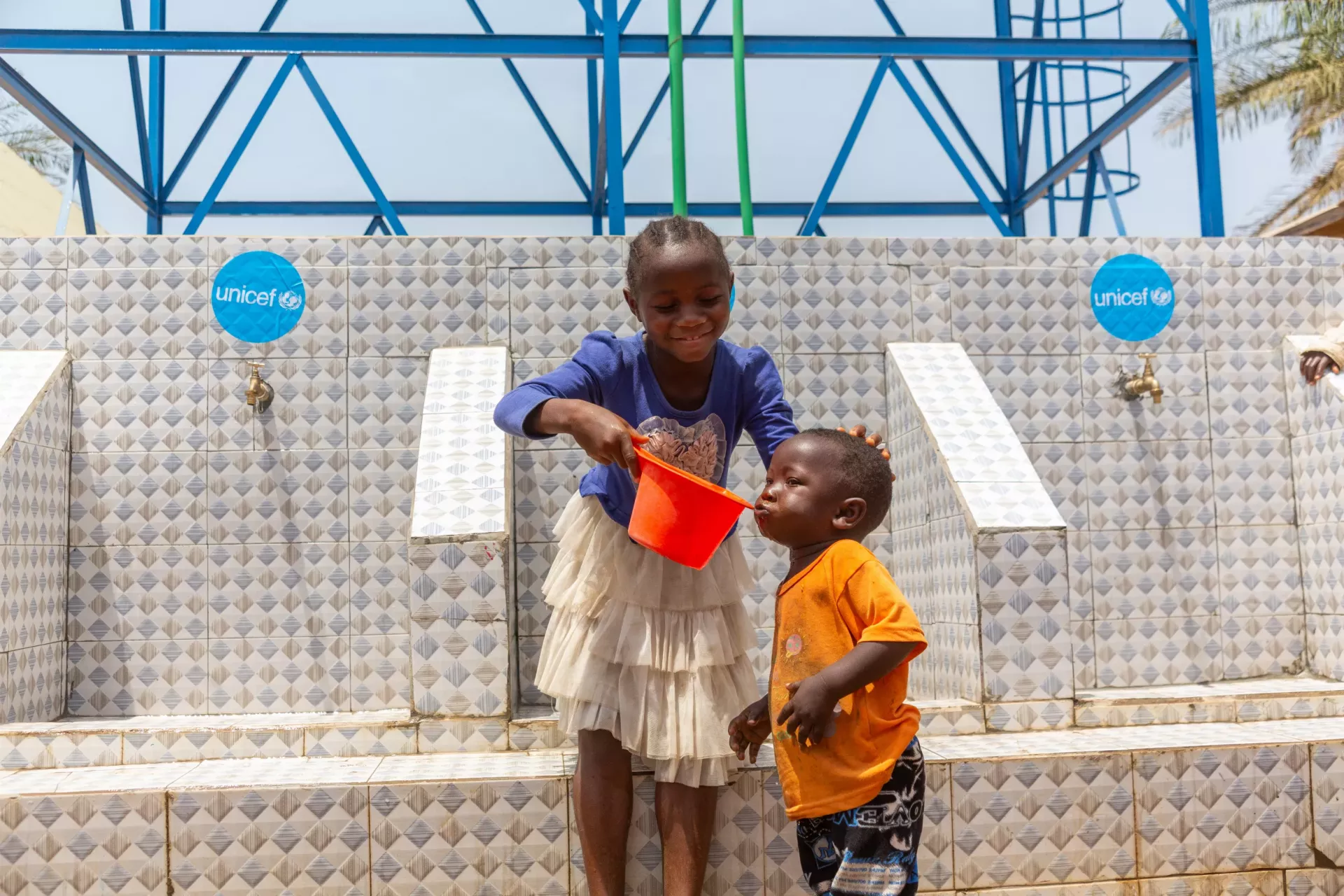
In 2024, heavy flooding deeply disrupted the lives of thousands in Guinea, particularly in the regions of Kankan and N'Zérékoré. Access to safe drinking water, sanitation facilities, and hygiene services was severely compromised.
To respond to this crisis, UNICEF worked with WHO, WFP, government agencies, civil society, and humanitarian partners, in coordination with the National Agency for Emergency and Humanitarian Disaster Management (ANGUCH) under the Ministry of Territorial Administration and Decentralization. With funding from the Central Emergency Response Fund (CERF), efforts focused on restoring access to healthcare, food security, water, sanitation, hygiene, and education in the hardest-hit areas.
Floods in Guinea, often caused by intense rainfall and strong winds, regularly damage homes, schools, and health centers, depriving children of basic services. Between 2000 and 2017, 82 percent of floods in Guinea were due to river overflows. In September 2024, floods in Kankan and N'Zérékoré affected over 45,000 people, including 21,600 children and 12,000 students across 22 primary schools.
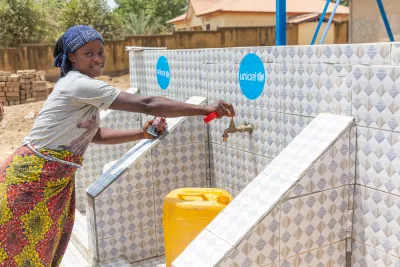
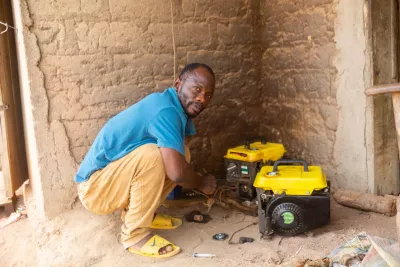
In response, UNICEF installed solar-powered water points, repaired and disinfected contaminated wells, distributed hygiene kits, and rehabilitated sanitation facilities in schools, health centers, and residential areas. These interventions restored access to clean water and safe sanitation for affected communities, especially children and mothers, helping to prevent waterborne diseases and improve daily living conditions.
Community Voices
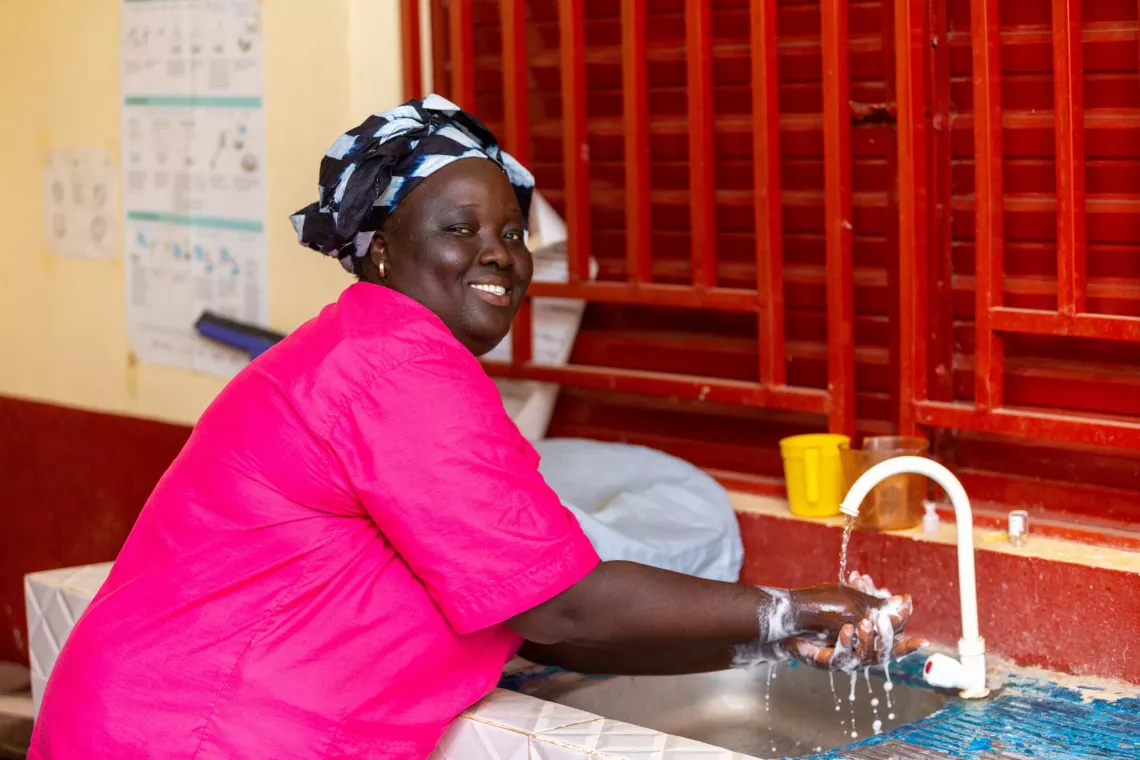
In the village of Fangamadou, in the commune of Guéckédou, Sidiki Mara recalls the difficulties his community faced after the floods. “Accessing water was very difficult and exhausting,” he says. “After the floods, the water was contaminated and caused illnesses like typhoid, which affected my health. Since the water points were installed, things have improved significantly. I can now access clean water at any time.”
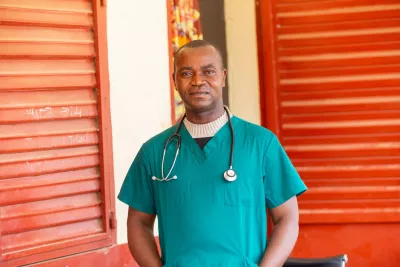
Jean Louis Kpogomou, head of the health center in Fangamadou, explains how the new water infrastructure has transformed access to care. “Before, we had to go fetch water in the neighborhood, which took a lot of time and endangered the health of pregnant women and newborns,” he says. “Now, the center has water points nearby. Access to water has improved attendance at the health center and made it easier for people to receive care.”
In N’Zérékoré, the primary school N’Fally Touré was heavily affected by the floods. Twelve-year-old Mohamed remembers the impact: “After the flood, the toilets were filled with water, and we couldn’t use them anymore. We had to go outside in the neighborhood to relieve ourselves, which discouraged many students from coming to school.” He adds, “Now we have clean, functional toilets. It has made a big difference in our daily life and our ability to study.”
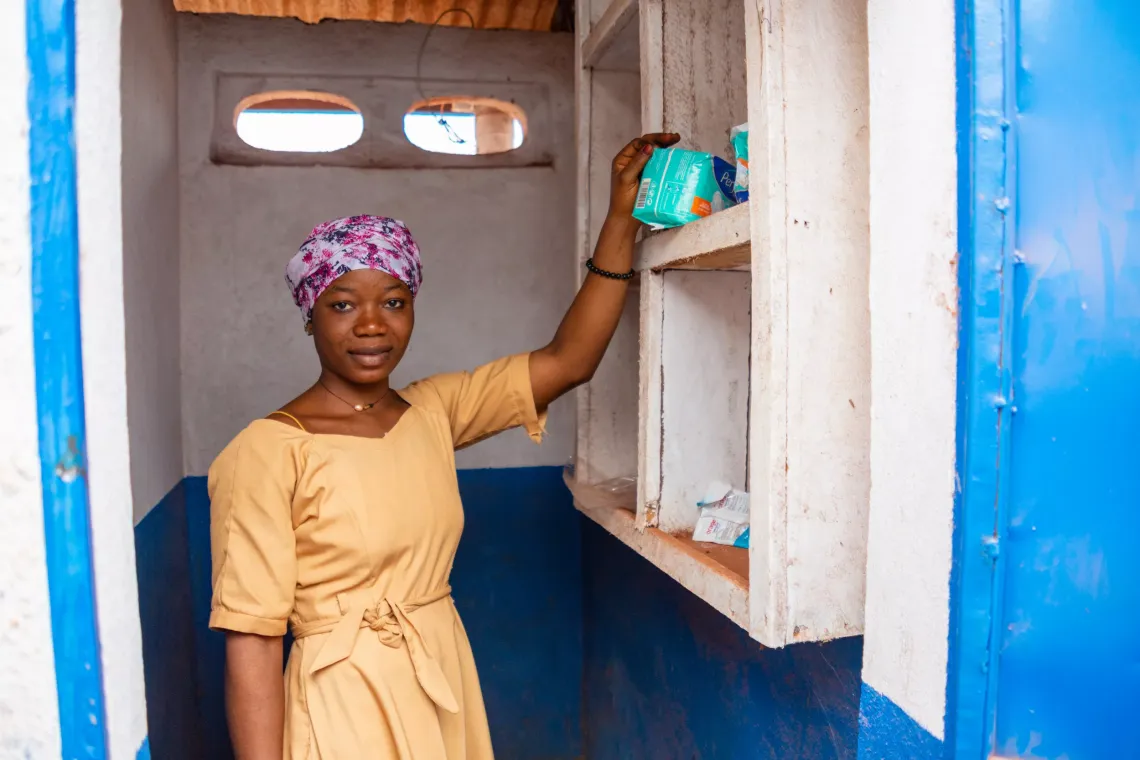
Seventeen-year-old Mariame Condé, a student at the same school, describes how the hygiene kits changed her school experience. “Before, during my period, I had to miss several days of school because I didn’t have any sanitary protection,” she says. “Now, thanks to the kits and the advice from my teacher, I can stay in school and attend classes without a problem.”
In Siguiri, Fanta Condé, a mother and homemaker, shares how the floods disrupted her family’s water supply. “Our wells were overrun by runoff water, making the water unfit for drinking. Teams came to disinfect our wells and boreholes. The water became clean and drinkable again,” she explains. “Now we use this water for all our needs. The children are no longer getting sick and we have regained our health.”
Kêwoulé Tounkara, Secretary-General of the urban commune of Guéckédou, describes the broader devastation caused by the floods. “The waters took over everything: markets, schools, health centers. It was a real public health challenge,” he recalls. “The assistance we received was a true lifeline for the population, because water is life.”
Thanks to this coordinated effort, UNICEF and its partners have restored vital services and improved the well-being of thousands of people and children affected by the floods, demonstrating the impact of timely and collaborative humanitarian action.