Staying informed to stay healthy: FunDoo and the experience of adolescents in Alta Verapaz
Access to reliable information strengthens adolescent health and well-being in rural communities of Guatemala
- Español
- English
In the department of Alta Verapaz, gaps in access to health information continue to affect adolescents. Having accurate information can make the difference between risk and protection. For young people like Eliezer and Vivian, access to clear, reliable, and context-appropriate information has become a key tool for protecting their health and building a better future.
Eliezer is 17 years old and lives in a village in Cobán, Alta Verapaz. From a young age, he understood that supporting his family financially was a priority. He began working as a tailor, which led him to pause his studies. However, he never stopped believing that education opens doors and transforms lives.
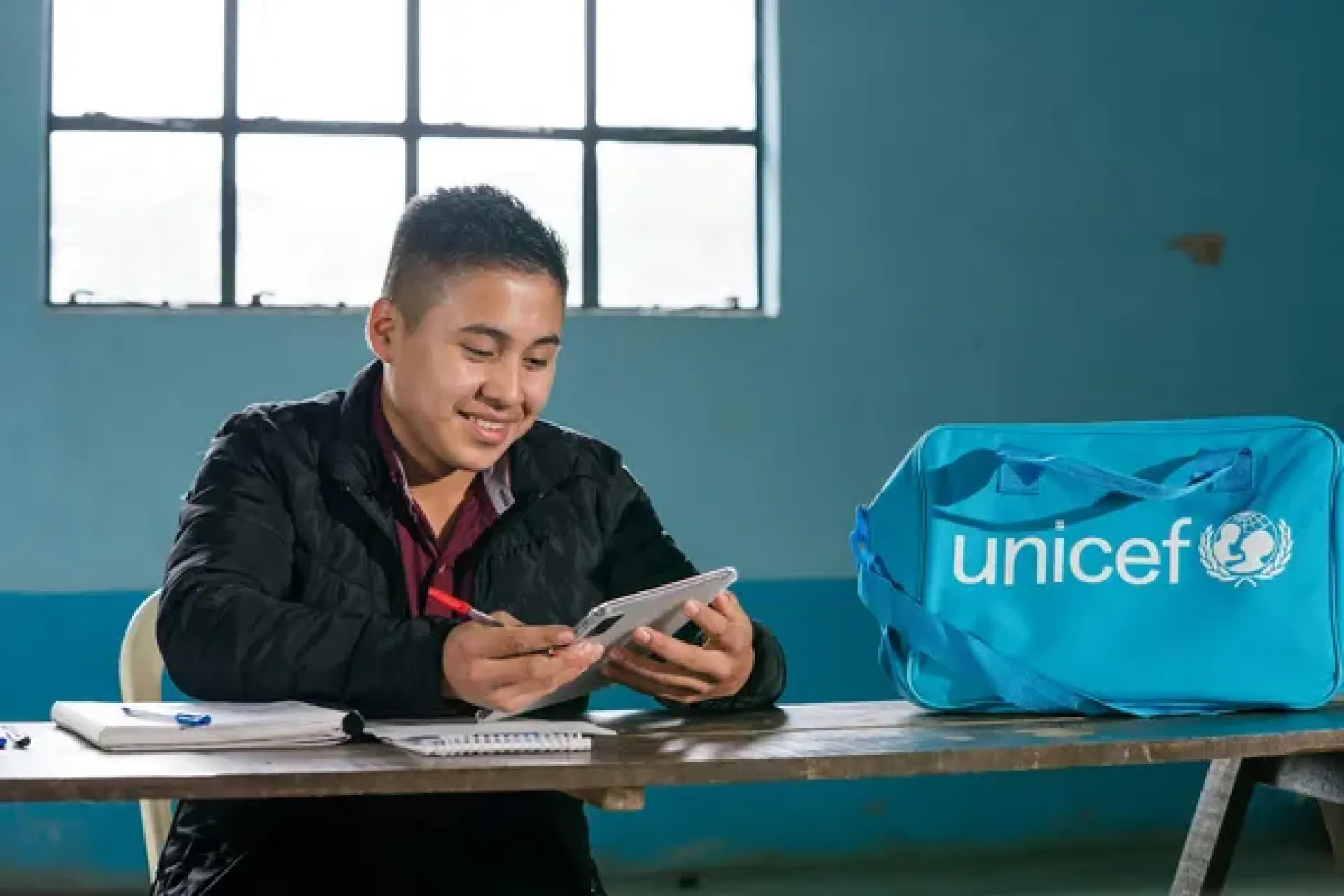
Today, Eliezer balances long workdays—from seven in the morning to five in the afternoon—with his studies at the Extra-School Education Center (CEEX), supported by UNICEF, which he attends once a week.
“If you don’t have an education, you don’t have opportunities. That’s why I decided to return to school,” he says with conviction.
For Eliezer, technology is also an ally when used with purpose.
“A mobile phone can be a good tool. It helps me study, although some people don’t use it well and just waste time,” he reflects.
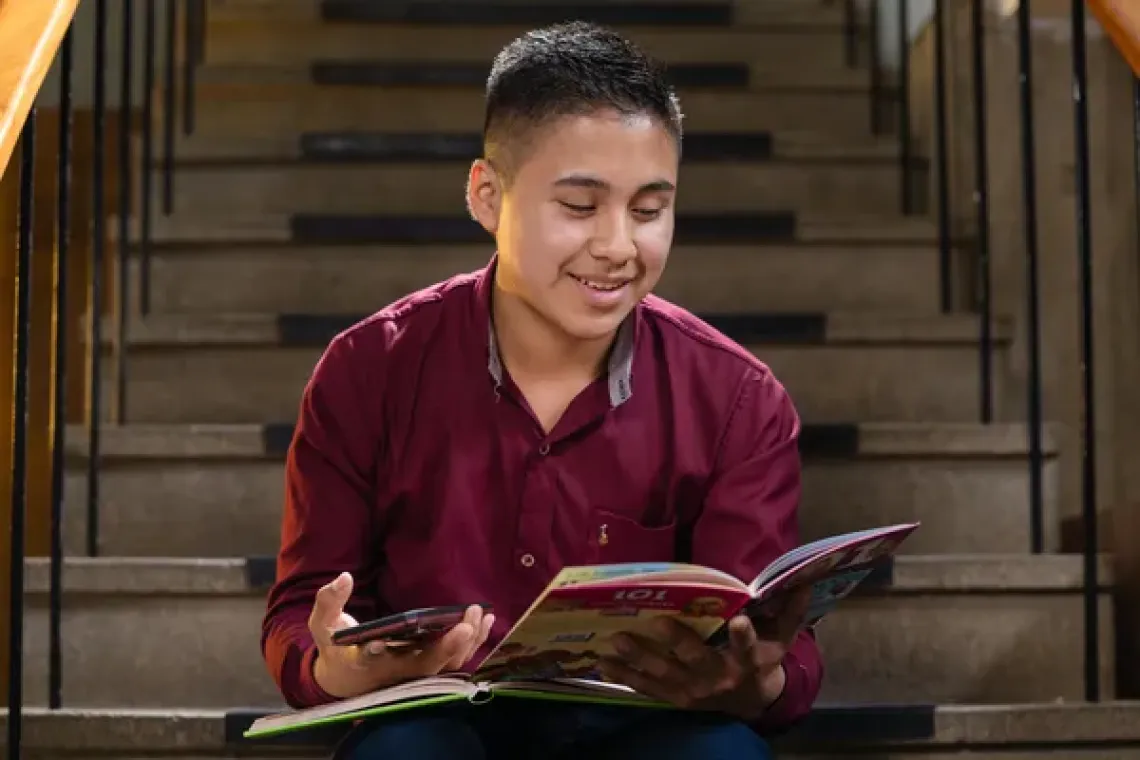
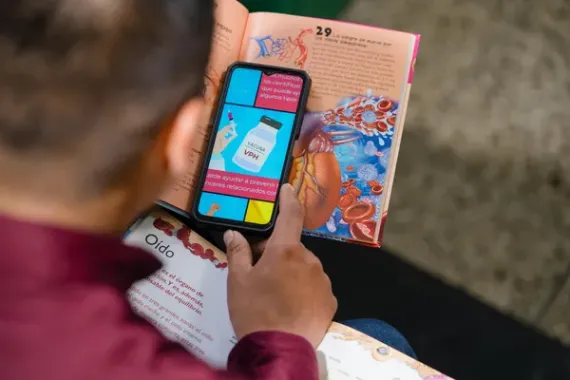
Through spaces promoted by UNICEF and with the support of FunDoo—a digital initiative led by Dr. Dee—Eliezer participated in learning processes about the Human Papillomavirus (HPV): what it is, how it is transmitted, and, most importantly, how to prevent it.
“Information is important for us young people, because if we don’t know about it, we could have the disease and not know how to prevent it. Now I know how to take care of myself,” he shares.
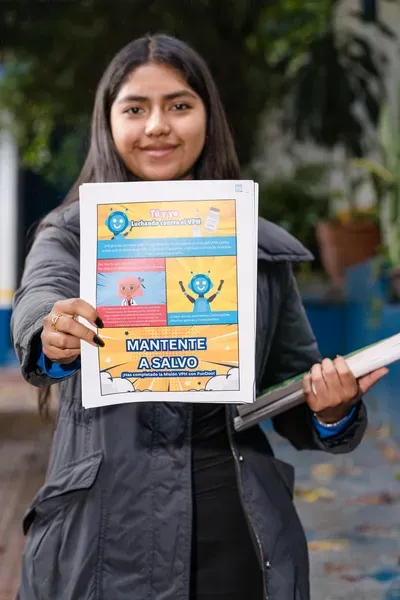
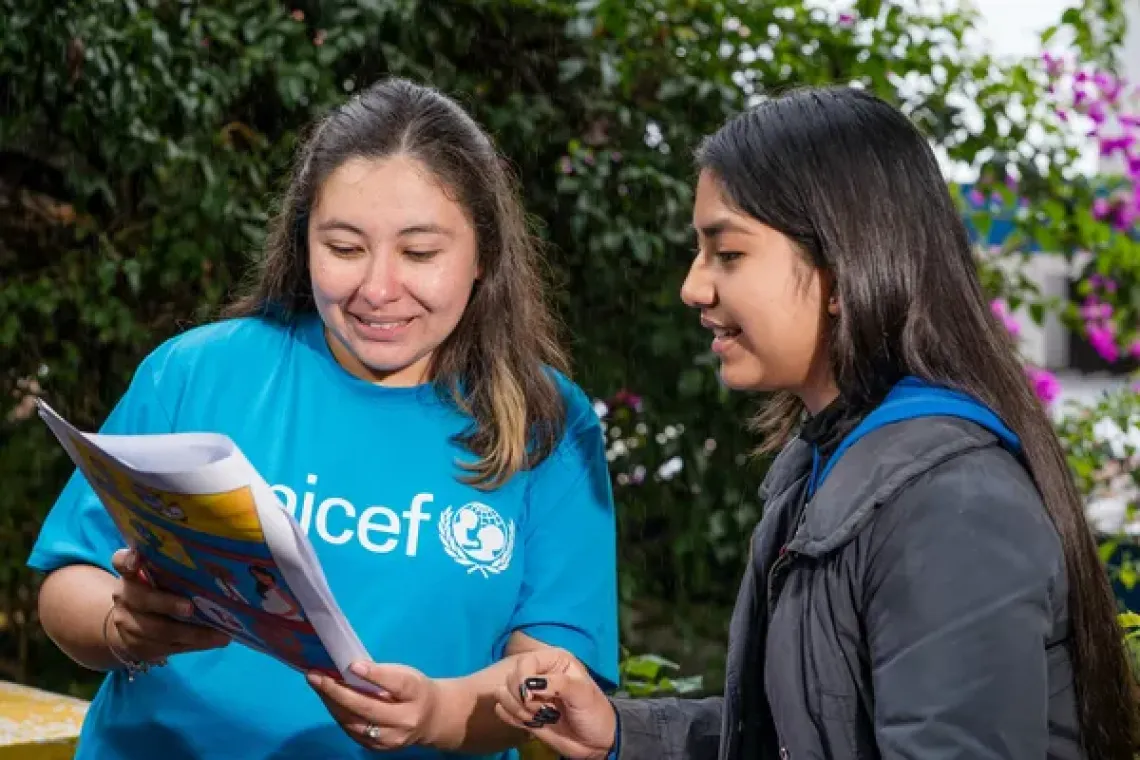
Vivian, on the other hand, is 16 years old and lives in San Juan Chamelco, Alta Verapaz. Thanks to a school scholarship, she continues her lower secondary education and travels daily to Cobán to attend classes. For her, participating in FunDoo’s focus groups was a different and meaningful experience.
“They took our opinions into account and allowed us to express ourselves. FunDoo has a comic that explains what HPV is and what complications it can cause,” she explains.
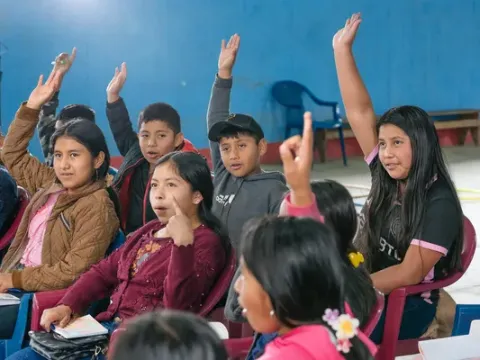
Learning went beyond reading: it was strengthened through dialogue, collective reflection, and active listening.
“Thanks to FunDoo and Dr. Dee, I learned what the disease is and how to prevent it,” she adds.
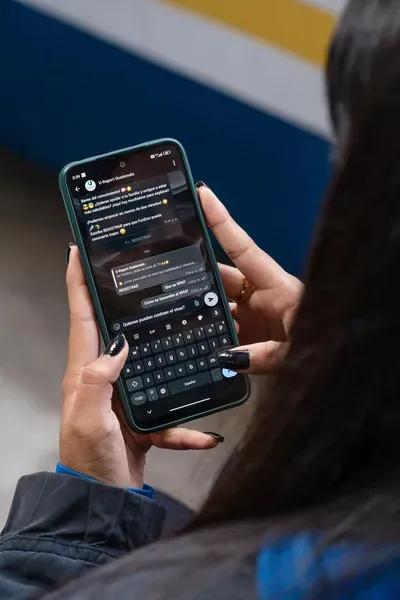
In her community—as in many areas of Alta Verapaz—adolescent pregnancy is common. Vivian understands that self-care goes beyond preventing pregnancy; it also means protecting oneself from sexually transmitted infections such as HPV. She highlights that FunDoo works through WhatsApp, making it accessible, relatable, and easy to understand for adolescents like her.
Human Papillomavirus (HPV) is one of the most common sexually transmitted infections worldwide. According to international evidence, most sexually active people will be exposed to HPV at some point in their lives, often without showing symptoms.
HPV is linked to most cases of cervical cancer, a disease that is preventable through information, vaccination, and early detection.
In Guatemala, misinformation and cultural and linguistic barriers continue to limit adolescents’ access to timely and reliable information on sexual and reproductive health.
For Eliezer and Vivian, these participatory spaces are essential: they allow them to access information, express themselves, and take part in shaping messages that reflect their realities—strengthening their ability to make informed decisions.
FunDoo and UNICEF help reduce misinformation, break down myths, and strengthen self-care, especially in contexts where access to clear and culturally relevant information remains a challenge.
In Alta Verapaz, access to reliable information is not only an educational process—it is a key strategy for protecting and promoting adolescent health. When adolescents actively participate in the creation of content based on their own experiences and contexts, they strengthen their autonomy, develop informed decision-making skills, and help break cycles of misinformation that limit their well-being, overall health, and life opportunities.