Friendly Spaces in Alta Verapaz: A Safe Place for Adolescents to Learn and Grow
UNICEF and the Ministry of Health strengthen safe spaces that promote health

- Español
- English
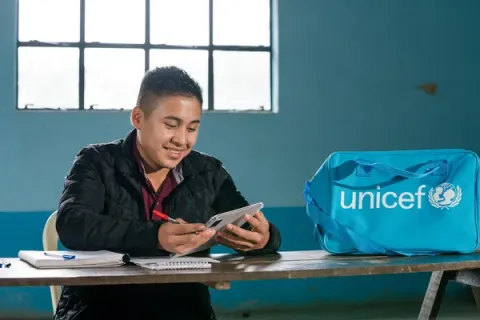
In the village of Chicoj, Alta Verapaz, Sergio (13), Susana (15), Nery (10), and Sayda (10) arrive—like many other children and adolescents in their community—at a place they already feel is their own: the Friendly Spaces for adolescents of the Ministry of Public Health and Social Assistance, promoted with the support of UNICEF.
These spaces are not only places to socialize. Here, adolescents learn about their bodies, their emotions, and their rights. They talk about self-care, respect, and the importance of making informed decisions—always in a safe, judgment-free environment.
Sergio shares that he used to feel embarrassed to ask questions about the changes in his body. Susana recalls how some of her classmates dropped out of school due to early pregnancies—a reality that continues to affect Guatemala. In 2024 alone, more than 7,000 adolescent pregnancies were recorded in Alta Verapaz, a situation that also impacts departments such as Quiché and Totonicapán. This is compounded by low coverage of vaccination against the Human Papillomavirus (HPV), leaving thousands of adolescents exposed to preventable risks. These figures are not just statistics; they reflect stories that are repeated in communities where discussing sexual and reproductive health remains a challenge.

For those who attend the Friendly Spaces, the experience is different. Through games, guided conversations, and participatory activities, Sergio learns to express his emotions; Susana strengthens her self-esteem; and Nery and Sayda discover that asking questions about their bodies, hygiene, and the prevention of sexually transmitted infections is both valid and necessary. They learn that reliable information is also a form of protection.

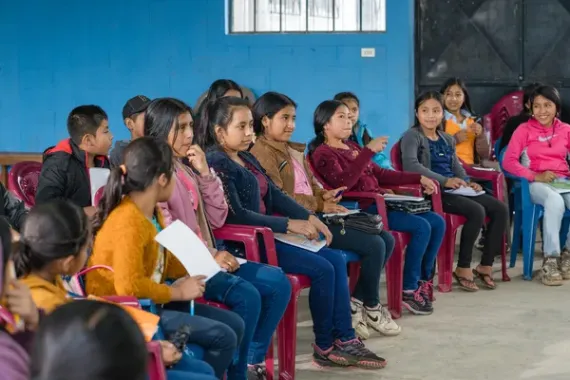
All of this takes place in an environment of respect and trust, with the support of trained health personnel who listen, provide guidance, and deliver care with cultural sensitivity.
With the support of UNICEF and in coordination with the Ministry of Public Health and Social Assistance, these spaces are becoming safe and accessible community environments. In addition to in-person services, adolescents have access to digital tools such as U-Report, which strengthen their participation and expand their access to clear, evidence-based information.

Today, in Chicoj, Friendly Spaces are making a difference. Adolescents show greater confidence, make more informed decisions, and actively engage in their own well-being. Step by step, communities like this are moving toward a future where adolescence is lived with information, support, and real opportunities for development—contributing to a more equitable and healthier country.