Prevention of child malnutrition in drought contexts in Guatemala
Anticipatory action to protect children before an emergency strikes
- Español
- English
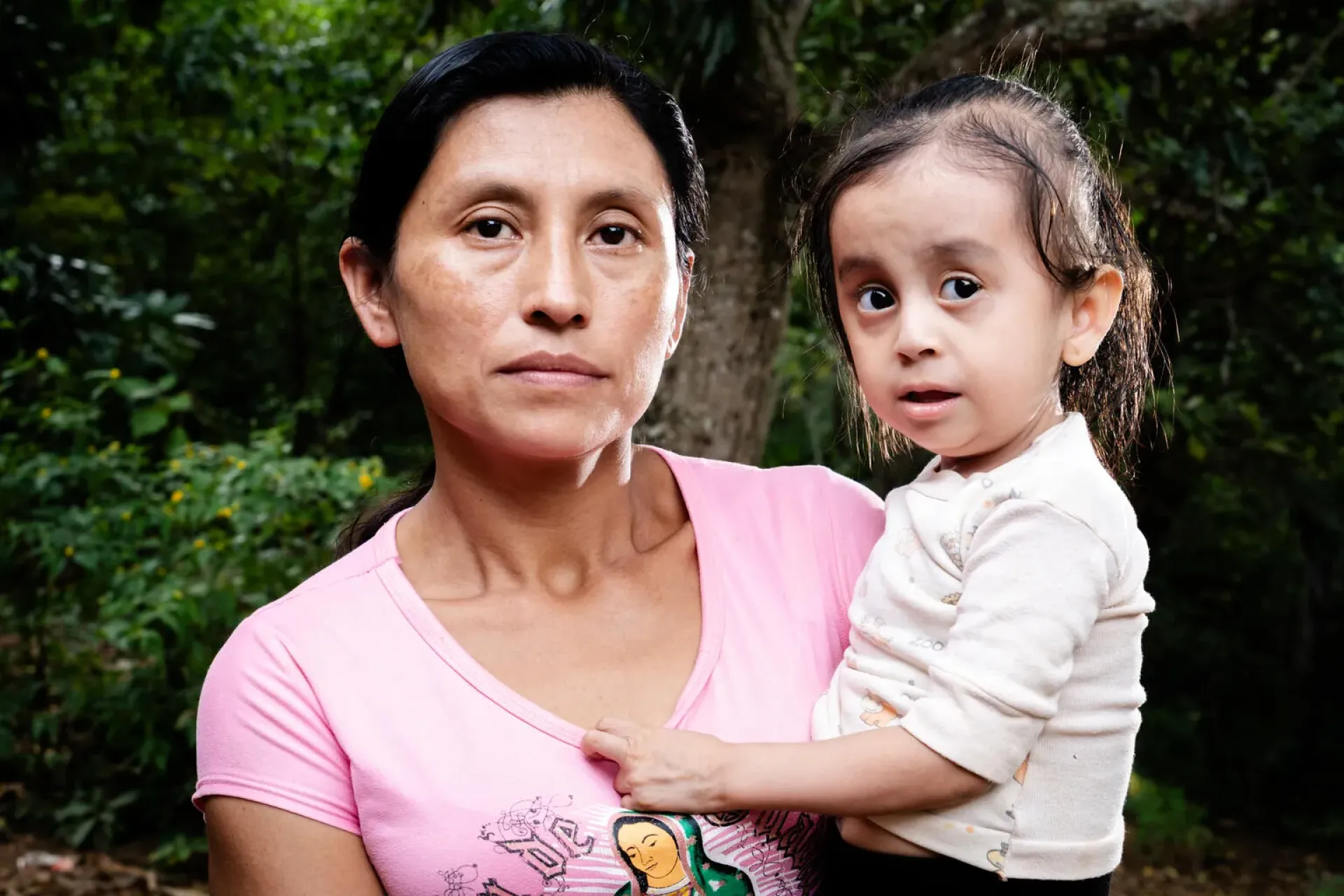
In Camotán, Guatemala, malnutrition is not always visible. It advances silently, inside homes, far from health services. There lives Fernanda, 2 years and 2 months old, the youngest of five siblings.
Thanks to the timely outreach of integrated brigades supported by UNICEF in coordination with the Ministry of Health — teams composed of a nutritionist, three nutrition assistants, and a driver — Fernanda was assessed in her own home as part of anticipatory actions funded by the United Nations Central Emergency Response Fund (CERF).
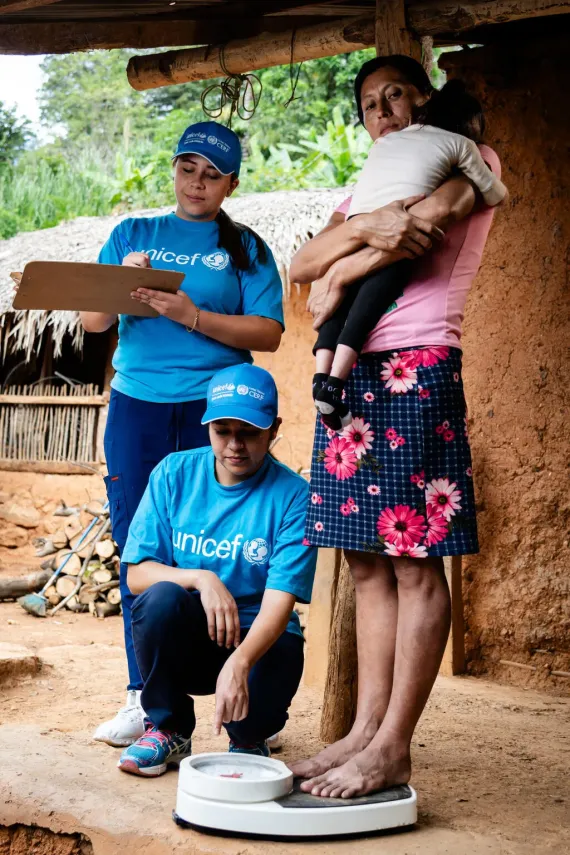
At first glance, her small body was already showing warning signs. The assessment confirmed it: acute malnutrition.
“I could see she was getting thinner and had less energy, but I didn’t know it was that serious,” says her mother, María Herminia. “The health center is far from here, and sometimes we don’t have money for transportation. If they hadn’t come, I don’t know what would have happened.”
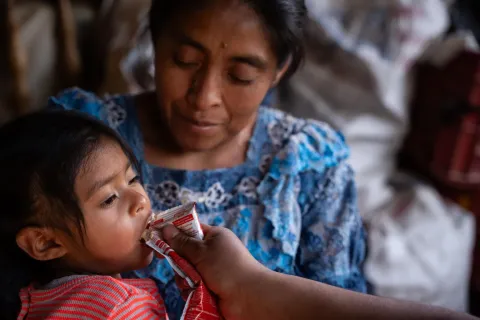
Early detection was key. Thanks to immediate intervention, Fernanda was enrolled in the treatment protocol for acute malnutrition. She received ready-to-use therapeutic food, regular nutritional follow-up, and her mother received guidance on feeding and hygiene practices.
“Arriving early completely changes the prognosis,” explains one of the brigade members. “When we detect cases in time, we can begin treatment immediately and prevent complications that put lives at risk. In drought contexts, every week counts.”
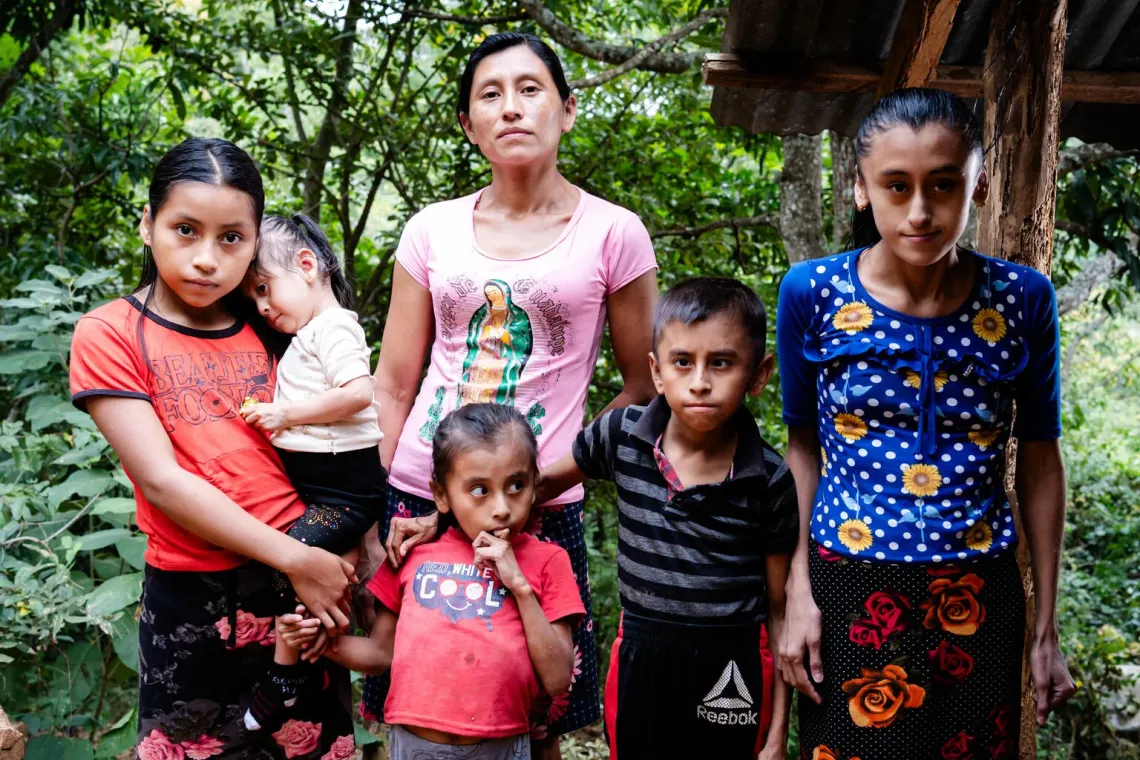
While the brigade was assessing Fernanda and speaking with her mother, an adolescent girl watched shyly from behind a door. María, 14, followed every movement in silence.
One of the brigade members noticed her presence and approached her with patience and empathy. Gradually, she built trust and was able to assess her as well. The results revealed a deeper reality: María was also underweight, as were Óscar, 8, and Eva, 6.
In that household, the mother and four of her five children were facing malnutrition. Without timely intervention, the situation would have continued to worsen in silence.
Anticipatory actions funded by the United Nations Central Emergency Response Fund (CERF) ensure that support reaches families before a crisis escalates, especially in drought-affected areas. This approach places children at the center and prioritizes prevention to protect lives and reduce the impact of climate-related shocks.
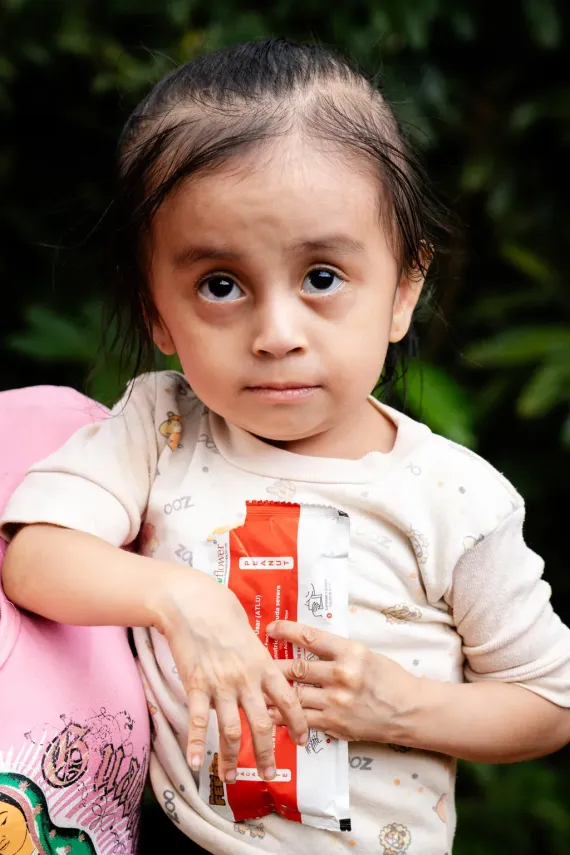
The results reflect the impact of acting early. Integrated health and nutrition brigades provided services in 18 communities, screening 6,000 children, as well as 4,000 adolescent girls, pregnant women, and breastfeeding mothers. The intervention identified 46 cases of acute malnutrition; 60% of these would not have been detected without the deployment of the brigades. Each number represents a life reached in time and a real opportunity to prevent severe consequences.
Today, Fernanda continues receiving treatment and follow-up care. Her story shows that acting early is not only possible — it is the difference between risk and the opportunity to grow up healthy.