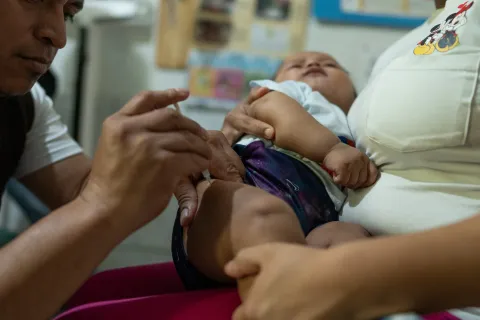
Immunization: Protecting Generations
from Vaccine-Preventable Diseases in Indigenous Communities in Guatemala
- Español
- English
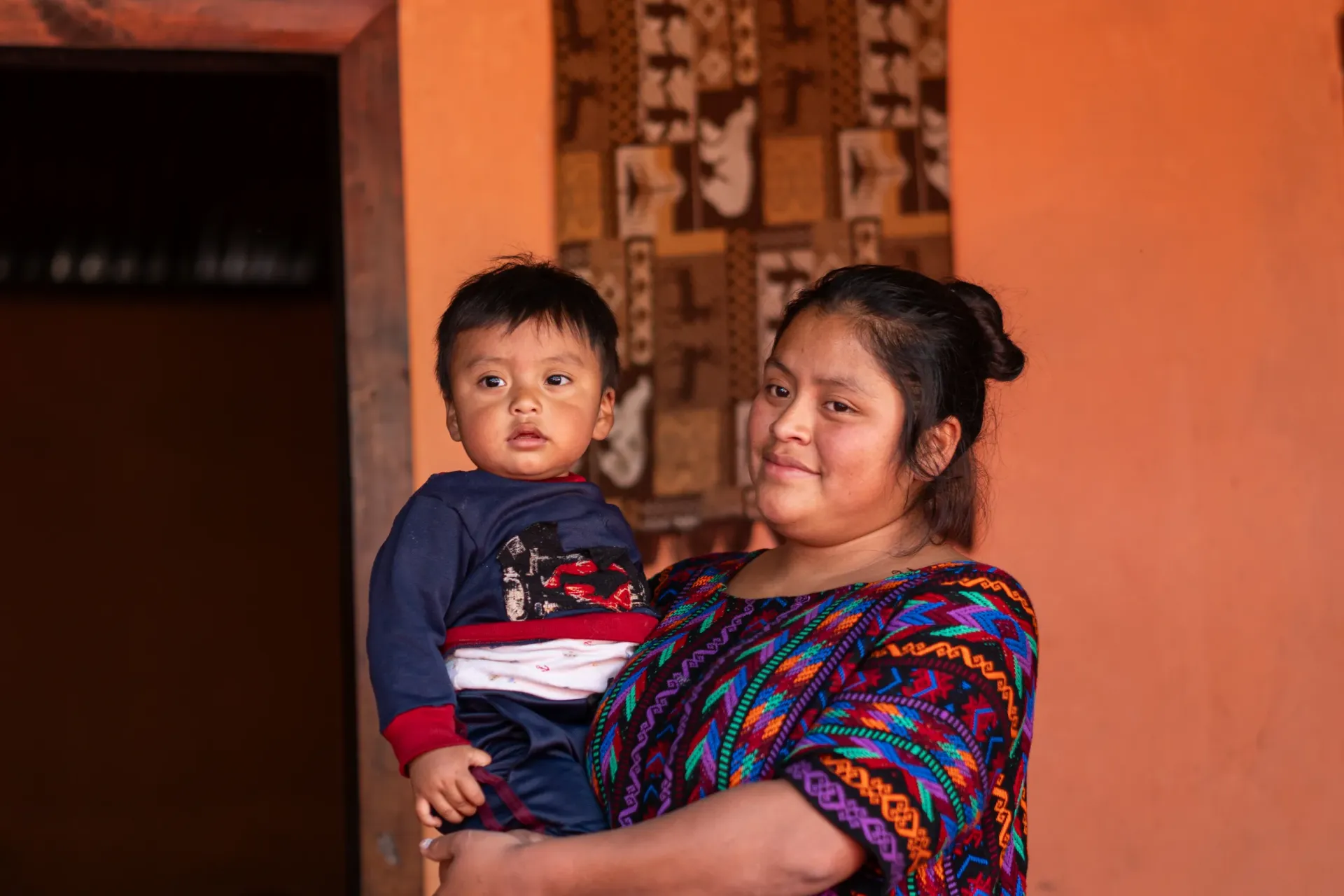
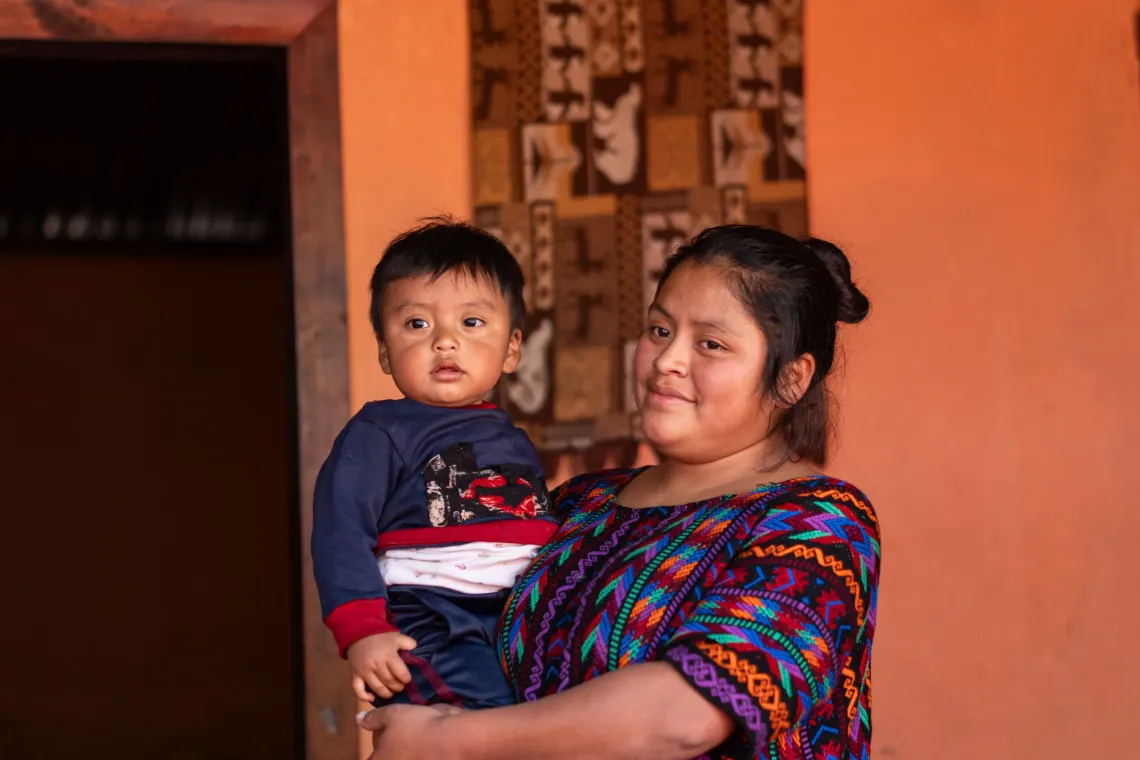
San Pedro Carchá, Alta Verapaz – Ana María lives in a large, hard-to-reach rural community in the department of Alta Verapaz, approximately 220 kilometers from Guatemala City. As the mother of Alan, a one-year-old boy, she always intended to keep up with his routine medical check-ups. However, the challenging geography and extreme weather conditions in her community became a critical barrier. Heavy rains and muddy roads made it impossible for her to travel regularly to the local health post, leaving her son with an incomplete vaccination schedule.
I missed the appointments because the road becomes very slippery when it rains. It’s very difficult to take him because I sometimes fall,” Ana María explains, describing the challenges of making the journey on foot. Her experience reflects a broader regional challenge: in remote communities, access to vaccination is limited by the distance to health services, disruptions in vaccine supply chains, and shortages of healthcare personnel and essential services. These barriers were further exacerbated by the COVID-19 pandemic, which weakened health systems and reduced both access to vaccination services and families’ willingness to vaccinate their children.
Fear of infection, mobility restrictions, and the prioritization of the public health emergency led to setbacks in childhood immunization schedules. In rural and Indigenous communities, where access to healthcare already faced longstanding structural challenges, the impact was even greater. Distance from health services, limited access to information, and misinformation contributed to many children being left unprotected, increasing the risk of outbreaks—particularly of measles, a highly contagious disease that can have serious consequences for children.
In Guatemala, coverage of the third dose of the pentavalent vaccine—which protects against diphtheria, tetanus, pertussis (whooping cough), and other vaccine-preventable diseases—declined significantly between 2019 and 2021, largely due to the impact of the COVID-19 pandemic on public confidence in vaccines. Although recovery efforts have led to some improvements, significant gaps remain. At the regional level, joint estimates by WHO and UNICEF indicate that, in 2024, more than 1.4 million children across the Americas were classified as "zero-dose" children, meaning they had not received a single routine vaccine against diphtheria, tetanus, and pertussis. This represents an increase of 186,000 compared with the previous year and highlights a concerning setback that leaves children more vulnerable to outbreaks of highly contagious diseases such as measles, polio, and diphtheria.
Integrated interventions and active case finding
Restoring immunization coverage and strengthening the capacity to respond to disease outbreaks are public health priorities. To achieve this, UNICEF provides direct technical assistance to the Ministry of Health in planning and strengthening the technical capacities of health personnel. This support enables health teams to compile lists of children with missed vaccinations, identify them individually by name and community, and map out specific routes to reach them. This approach ensures timely record-keeping and individual follow-up for every child. Using this information, health teams hold monthly meetings to plan strategic vaccination activities.
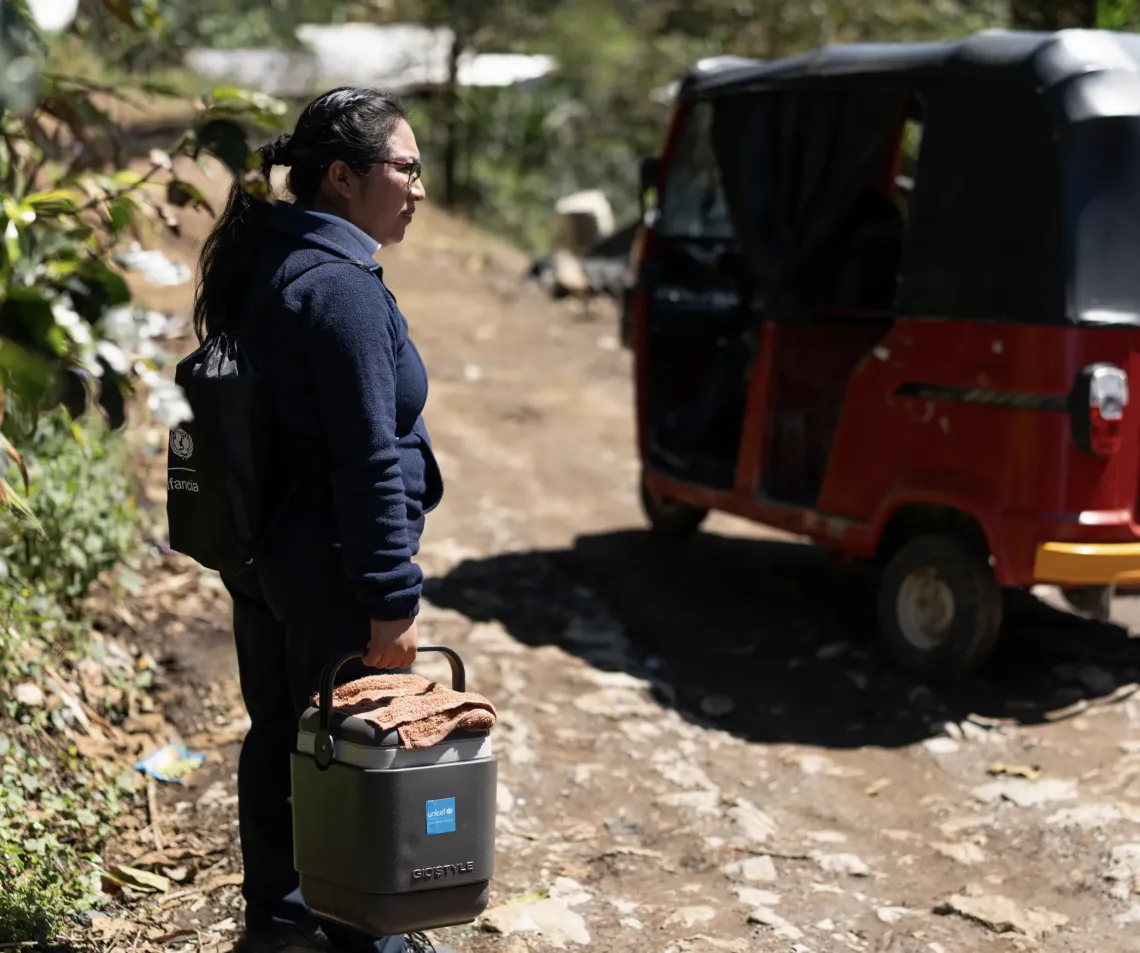
Reaching households also presents a significant logistical challenge due to the rugged terrain of Alta Verapaz, where homes are widely dispersed. To cover these long distances, health workers often rely on their own means of transportation. “We either walk or, if we have the resources, we pay for a tuk-tuk or a motorcycle taxi to get where we need to go—but we pay for it ourselves,” Botzoc explains. During these home visits, health teams locate families using the phone numbers recorded during birth registration or by identifying the household number, sector, and community territory.
Alongside these home visits, the health district also organizes broader inter-institutional outreach efforts. Vaccination campaigns are promoted through radio announcements and signs placed at strategic locations throughout communities and health facilities. When immunization coverage targets are not met, health workers organize additional vaccination sessions on weekends to reach working families who could not be found at home during the Ministry of Health’s regular working hours.
Dr. Azurdia also highlights the coordination carried out through the Municipal Development Council (COMUDE), where the mayor and various municipal committees support the public dissemination of immunization campaigns across the municipality. These operational efforts also extend to urban schools, where health personnel work closely with school principals to organize deworming campaigns during which the Human Papillomavirus (HPV) vaccine is administered to adolescents.
A cross-cutting factor behind the effectiveness of these efforts is cultural adaptation. In the municipality of San Pedro Carchá, communicating in the local Indigenous language helps ensure that key messages reach families. Speaking the same language and addressing parents by name allows health workers to build the trust needed to explain the health benefits of immunization, strengthen confidence in the health system, and address concerns about potential vaccine side effects.
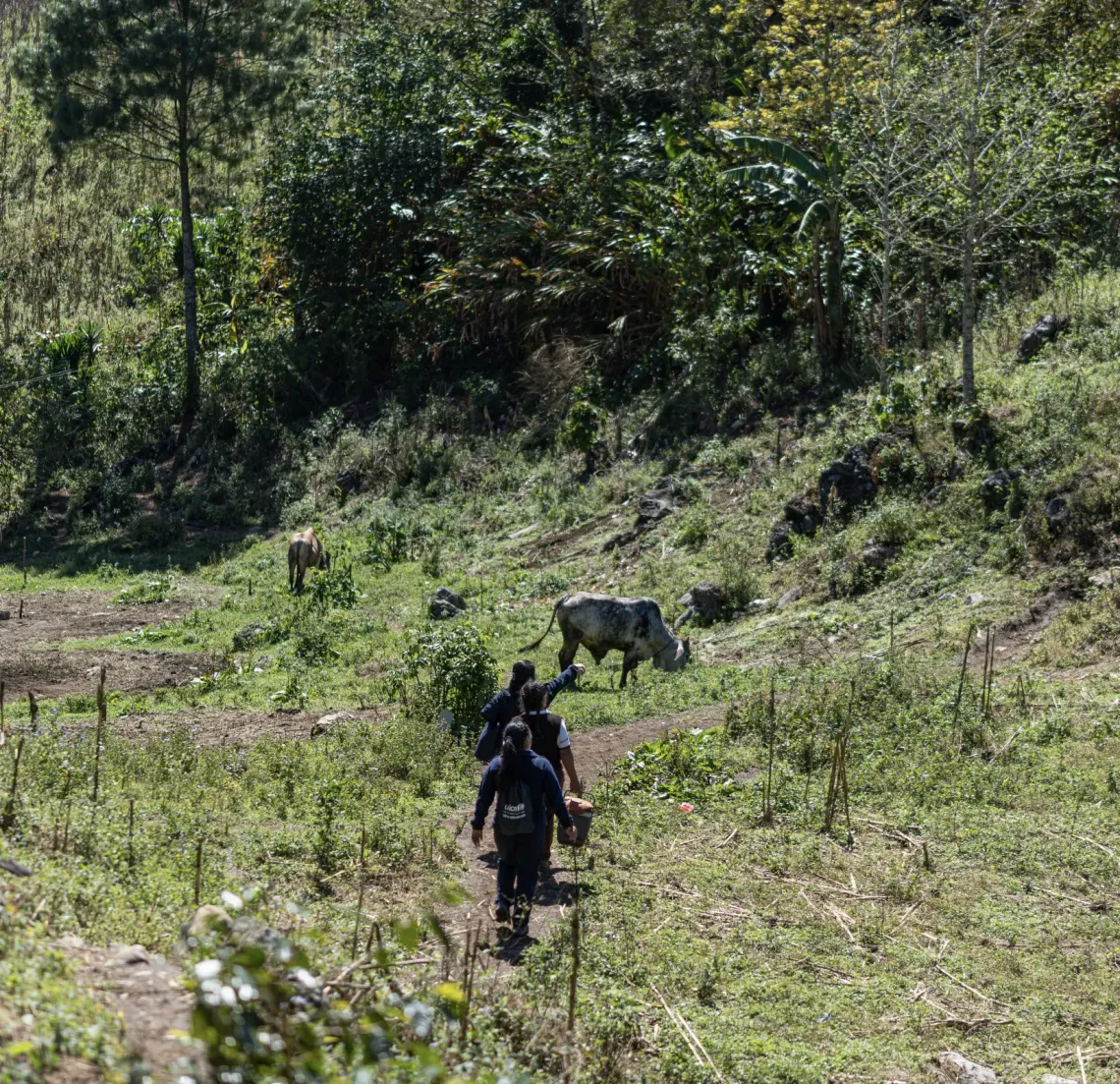
“One of the greatest advantages in our area is that all of our health workers speak the local language, Q’eqchi”
Preventing outbreaks and strengthening health system resilience
The technical objective of these interventions goes beyond updating children's vaccination records. Their broader purpose is to build a sustainable epidemiological shield that protects communities over the long term. In this regard, Sum emphasizes that the strategic goal is “to build a more resilient health system that is better prepared to prevent future emergencies.”
The public health importance of achieving high immunization coverage is reflected in the health system’s ability to respond to specific epidemiological threats. Dr. Azurdia explains that whenever a suspected measles case is identified in the region, the Epidemiology Department immediately deploys a rapid response team. The team acts swiftly to contain the risk and offers the necessary vaccines to vulnerable people in the surrounding area to interrupt local transmission. “Completing children's vaccination schedules will help prevent them from developing diseases that are entirely preventable through immunization,” the coordinator says.
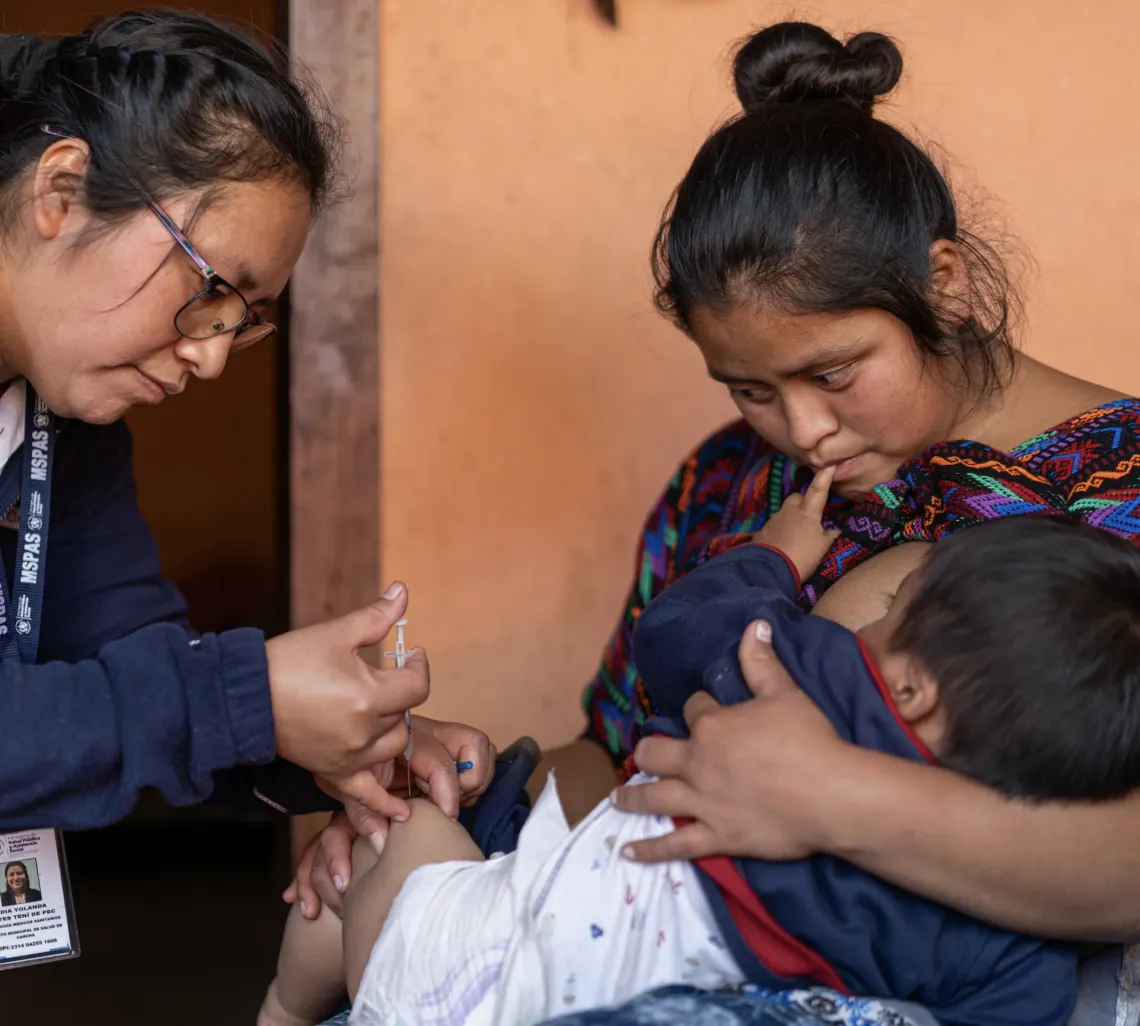
The active outreach strategy—which involves identifying every child by name and engaging with families in their own language—transforms the relationship between communities and the health system. For Ana María, the home visit marked a turning point: for the first time, she fully understood the risks of delaying her son's vaccinations. “I’m grateful they came to our home. That’s when I realized how important it is for Alan to complete his vaccinations and for us to keep going to the health post,” she says.
Today, Alan is up to date with the immunizations recommended for his age, significantly reducing his vulnerability to preventable infectious diseases. Restoring vaccination coverage in rural and Indigenous communities therefore remains a critical public health priority. Every vaccine administered in the remote communities of Alta Verapaz represents not only a technical intervention, but also the fulfillment of every child's right to health and an essential step toward strengthening the health security of Guatemala’s children.
Vaccines save lives.