Facing drought, Juana learns how to protect her son from malnutrition in Guatemala
With support from UNICEF and CERF, families affected by drought are learning to recognize signs of child malnutrition and seek timely care.

- Español
- English
Jalapa, Guatemala. For Juana, a mother of three children aged 13 years, 6 years and 21 months, drought means more than a lack of rain. It also brings the uncertainty of not knowing how she will feed her family in the months ahead.
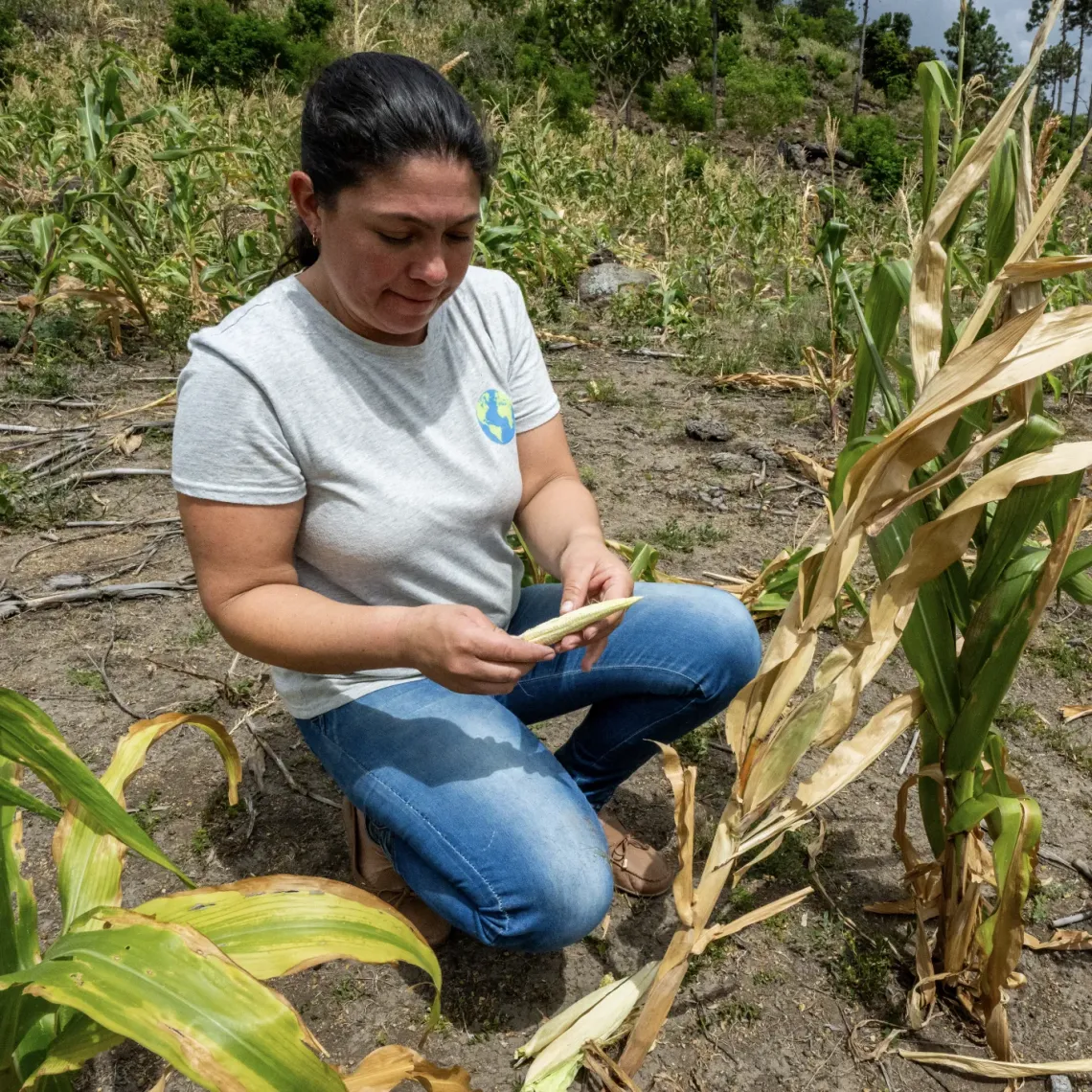
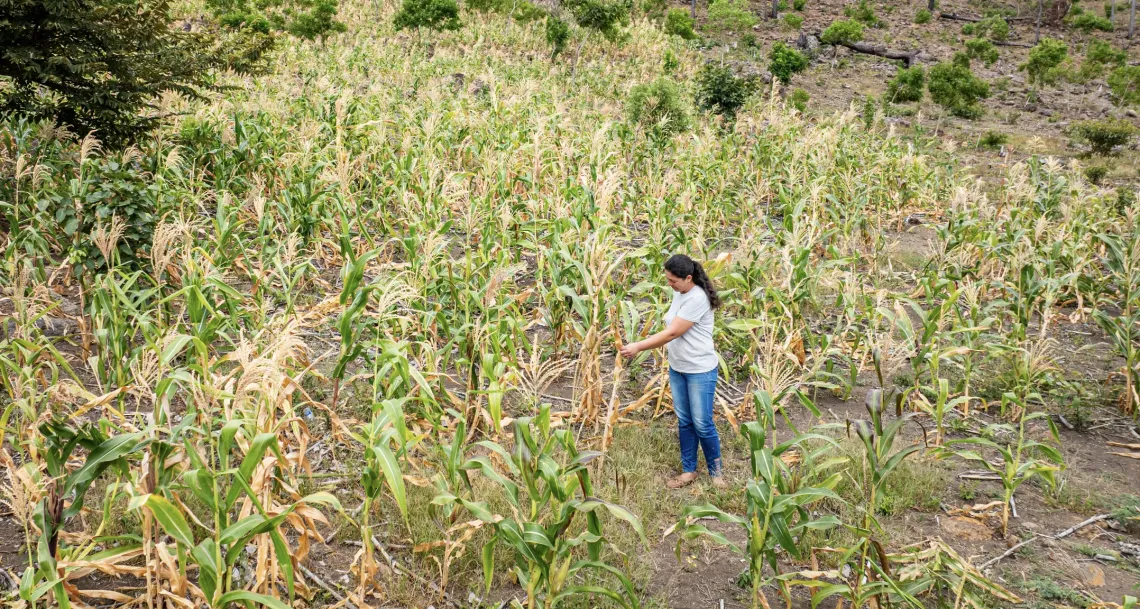
"The drought has affected us because we won't have any maize or beans. The crops didn't grow properly. They stayed small, and now they've dried up. What worries us most is how we're going to feed our children," she explains.
In her community, the lack of rainfall has damaged the crops that many families depend on for food. Crop losses and water shortages are increasing the risk of food insecurity and malnutrition, particularly among young children.
For Juana, this concern was even greater because her youngest son, Joshua, had always seemed very thin. She did not know whether it was simply his natural build or a possible sign of malnutrition.
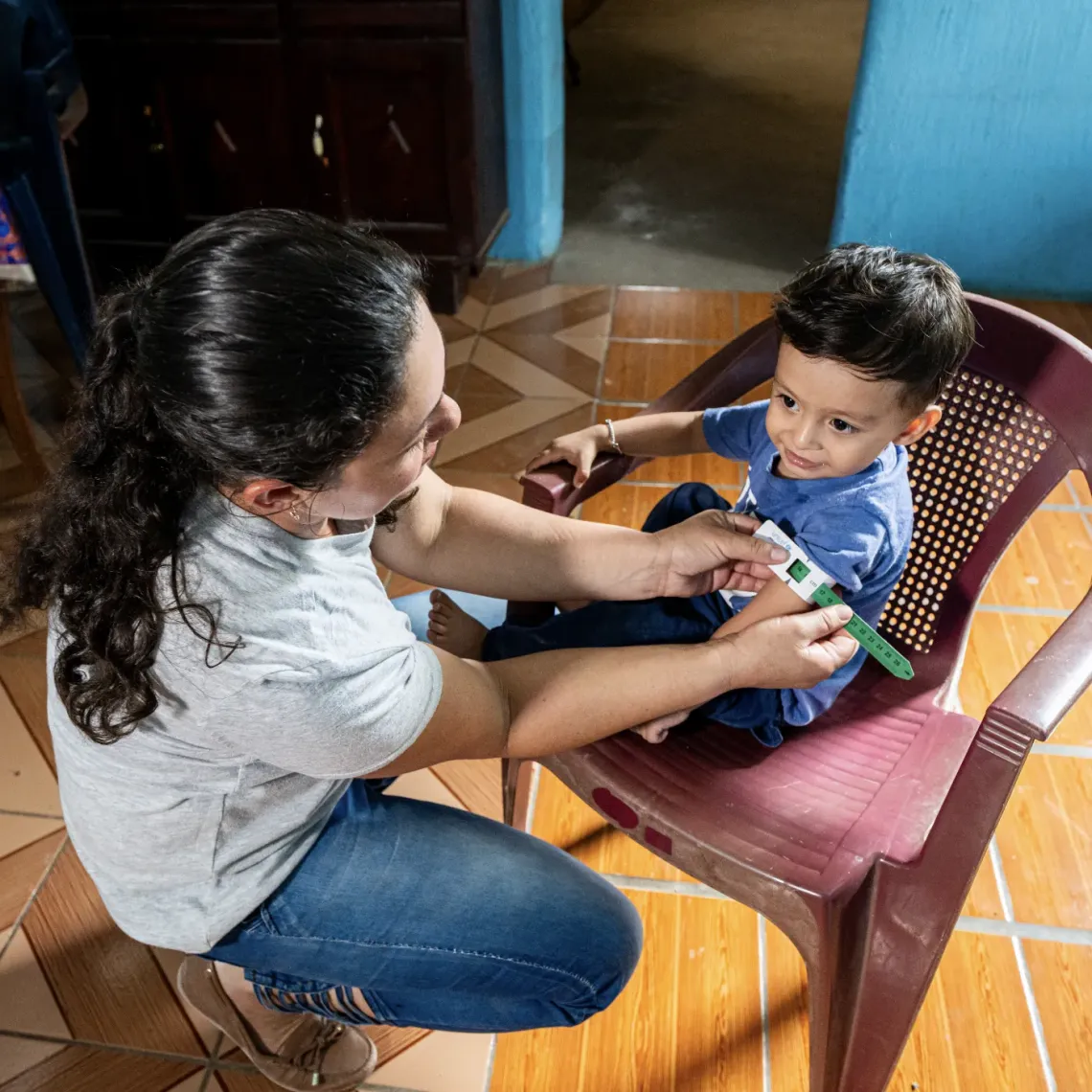
"I was already worried because he's so skinny," she recalls.
In response to the effects of drought, UNICEF, with support from the Central Emergency Response Fund (CERF), is implementing anticipatory actions to protect children's nutrition and strengthen community preparedness before risks escalate.
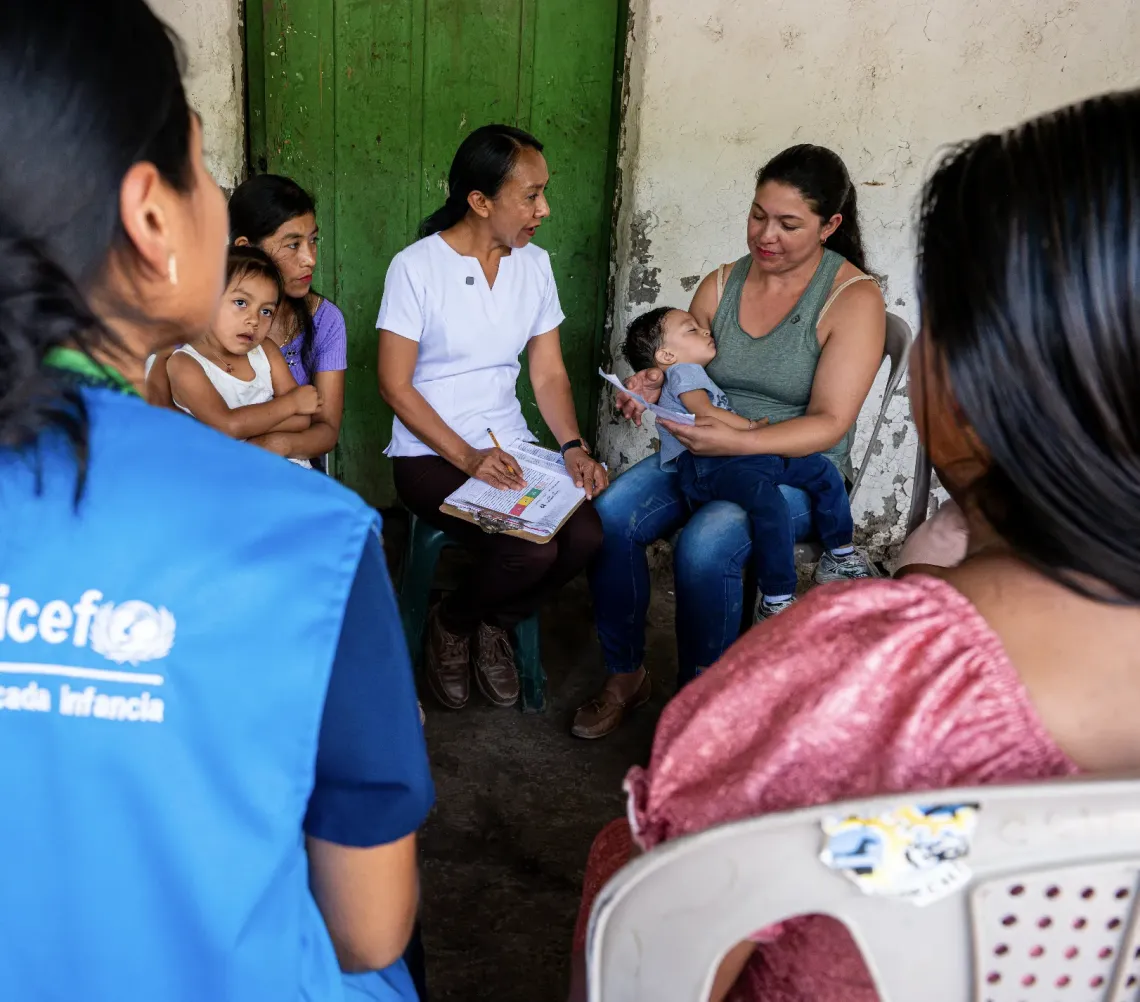
As part of this response, UNICEF organizes training sessions for mothers, fathers and caregivers, teaching them how to recognize signs of acute malnutrition and use a mid-upper arm circumference (MUAC) measuring tape, a simple tool that helps identify children who may be at nutritional risk.
Juana attended one of these sessions, where she learned how to measure Joshua's arm, interpret the colour-coded nutritional indicators and recognize when to seek medical attention.
"As a mother, I now feel more confident because I know how to identify the warning signs that a child may be at risk of malnutrition," she says.
Today, Juana can regularly measure Joshua's arm at home and keep a record of the results, following the guidance she received during the training. She also knows that if she identifies a warning sign, she should take him to the health centre for assessment and appropriate care.
This type of home-based nutritional monitoring does not replace assessment by trained health professionals. However, it helps families recognize potential risks and seek timely assistance before a child's condition worsens.
In Jalapa, more than 1,300 mothers, fathers and caregivers have received training as part of the anticipatory actions implemented by UNICEF with support from CERF.
The initiative aims to equip families with the knowledge and practical tools they need to identify possible cases of acute malnutrition and seek care from health services when necessary.
For Juana, the training has also changed the way she thinks about nutrition and caring for Joshua and her other children.
"If I had known this before, I wouldn't have given him certain other things. Now it's different because I know how to nourish him properly and help prevent him from becoming malnourished," she shares.
Although drought continues to threaten her family's crops and food security, Juana now has knowledge she did not have before. She knows how to recognize possible signs of acute malnutrition and where to seek help to protect her son's health.
A simple measuring tape has become a tool that gives her greater confidence in caring for him.
With support from CERF, UNICEF is working to help more families anticipate the risks associated with drought, recognize signs of malnutrition early and access the care their children need to grow up healthy.