Breastfeeding
Breast milk is the best food for babies during their first six months of life.
- Español
- English
The situation
Breastfeeding provides babies with all the nutrients they need to grow and for their immune systems to fully develop. The World Health Organization (WHO) and UNICEF recommend that breast milk be the exclusive food for babies from birth to six months of age, and that for up to two years they be fed a combination of breast milk and nutritious foods appropriate for their age.
Exclusive breastfeeding
Exclusive breastfeeding (EBF) means that the baby receives only breast milk and no other solid or liquid food except for rehydrating solutions, vitamins, minerals or medicines. The World Health Organization (WHO) and UNICEF recommend that breastfeeding continue during the first six months of life and suggest that it begin in the first hour of life after birth, that it be offered on demand and that the use of baby formula be avoided.
In Guatemala, however, only 50% of babies are exclusively breastfed until they are six months old. Many receive additional foods or liquids from their first month of life such as formula, cow's or other animal milk, and sugary drinks.
In addition to providing girls and boys with all the necessary nutrients and hydration, breastfeeding offers emotional and psychological benefits to both baby and mother, and helps families avoid additional expenses for formula and bottles. By promoting better infant health, it also reduces expenses for medical visits and medicines.
In addition to providing all the necessary nutrients and hydration, breastfeeding helps prevent gastrointestinal and respiratory infections, obesity, diabetes, leukaemia, allergies, childhood cancer, hypertension and high cholesterol.
Girls and boys who are breastfed have a lower risk of mortality during the first year of life than those who are not.
On the other hand, it has also been seen that breastfeeding is associated with long-term cognitive development and IQ, which, in turn, is associated with the educational level and income that a person receives.
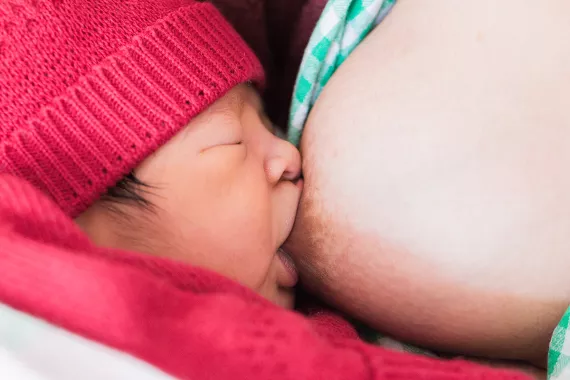
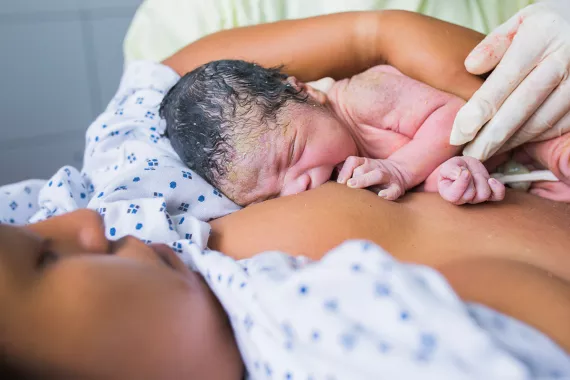
Breastfeeding not only benefits babies but also mothers, since in the short term it helps their physical recovery. For example, it reduces the risk of haemorrhage after birth and the risk of postpartum depression.
In the long term it helps reduce the chances of developing ovarian cancer, breast cancer, type II diabetes, hypertension, heart attacks, anaemia and osteoporosis.
Breastfeeding contributes to the development of countries since it helps reduce the cost of treating diseases such as diabetes, cancer, hypertension and others. In addition, breastfeeding helps care for the environment, since it does not produce waste by avoiding the use of polluting materials for advertising, packaging and transportation.