

How to support your child with autism
If your child has autism, it can be difficult to know how to best support them. Here are some tips.
- Ελληνικά
- English
If your child has autism spectrum disorder, or if you suspect that they do, it may be confusing to know what you can do to help them.
First, it is important to know that autism is a spectrum. (This is why it is often now referred to as autism spectrum disorder, or ASD, rather than autism). This means that some children might have symptoms that are not even noticeable to many other people. Other children might have more visible challenges.
Just like no two people are alike, no two people with autism are alike. And, as with any child, it is important to parent your own, unique child according to their individual needs. These will be different for every child with autism, just as they are different for every child.
Even so, there are some common challenges that children with autism can face. For example, many children with autism have trouble managing social interactions, such as engaging in the give-and-take of conversation or making eye contact. Many children with autism may also engage in repetitive behaviours, like lining their shoes up in a row or rocking back and forth.
It is also common for people with autism to have other conditions, such as attention deficit hyperactivity disorder (ADHD), anxiety, or the eating disorder Avoidant Restrictive Food Intake Disorder (ARFID). Read more about ARFID versus picky eating.
All of these symptoms and co-existing conditions need to be supported in different ways, and no two children will have the exact same profile, or treatment.
The first step to supporting your child: understanding autism
As a parent, one of the most important things you can do to support a child with autism is to understand more about it. This includes knowing that autism is a spectrum, and that symptoms may look different in different children.
Autism is a lifelong condition. By getting the support that they need, as early as possible, individuals with autism can learn how to cope and live fulfilling, rewarding lives.
It also may be helpful to know that you did not "cause" your child's autism. While the exact reasons for autism are still being researched, scientists generally agree that it is mostly genetic. In fact, the heritability of autism spectrum disorder is estimated to be about 80 per cent. It is true that some environmental risk factors might also play a role. But those you hear about most often, including vaccination and assisted reproductive technologies, have been found, again and again, not to cause autism.
Above all, it is important to know that there are many children and adults in the world who are happy and thriving, and who have autism. With support, understanding and love, your child can be one of them.
Know your child's rights
One of the best ways to support a child with autism is to understand what rights they have.
Like every child, a child with autism has the right to safety, security, a quality education, and to getting the support they need to achieve the best physical and mental health possible. These rights are enshrined in international law, including the Convention on the Rights of the Child and Convention on the Rights of Persons with Disabilities.
However, because many societies and systems, including schools and health facilities, are not set up with people with autism in mind, they may not be designed to meet your child's needs effectively. Services may be completely lacking. Children with autism can also face discrimination, stigma and misunderstanding.
As a result, familiarize yourself with the laws and guidelines in your country for how to help children with autism, and other disorders and disabilities, to ensure they thrive. For example, there might be laws in place to ensure that children with disabilities have the right to a mainstream, quality education with their peers that is tailored to their specific needs. They also have the right to early intervention programmes that may include services like speech or physical therapy.
While any child can be bullied, children with autism can be at increased risk. But children with autism, like all children, have a right to a safe, secure life free from harassment. They also have the right to justice, and to an offender being held accountable. Read more about how to know if your child is being bullied.
As soon as you can, try to find out what laws and entitlements are in place in your specific area to protect your child, including their rights to safety and to a quality education and healthcare. A good first place to look might be community organizations for children with autism, or organizations representing the rights of children with disabilities, in your area.
How to get your child the support that they need
One of the first things you can do to help your child is to get them specialized help. This might include early intervention programmes and additional support for your child's learning.
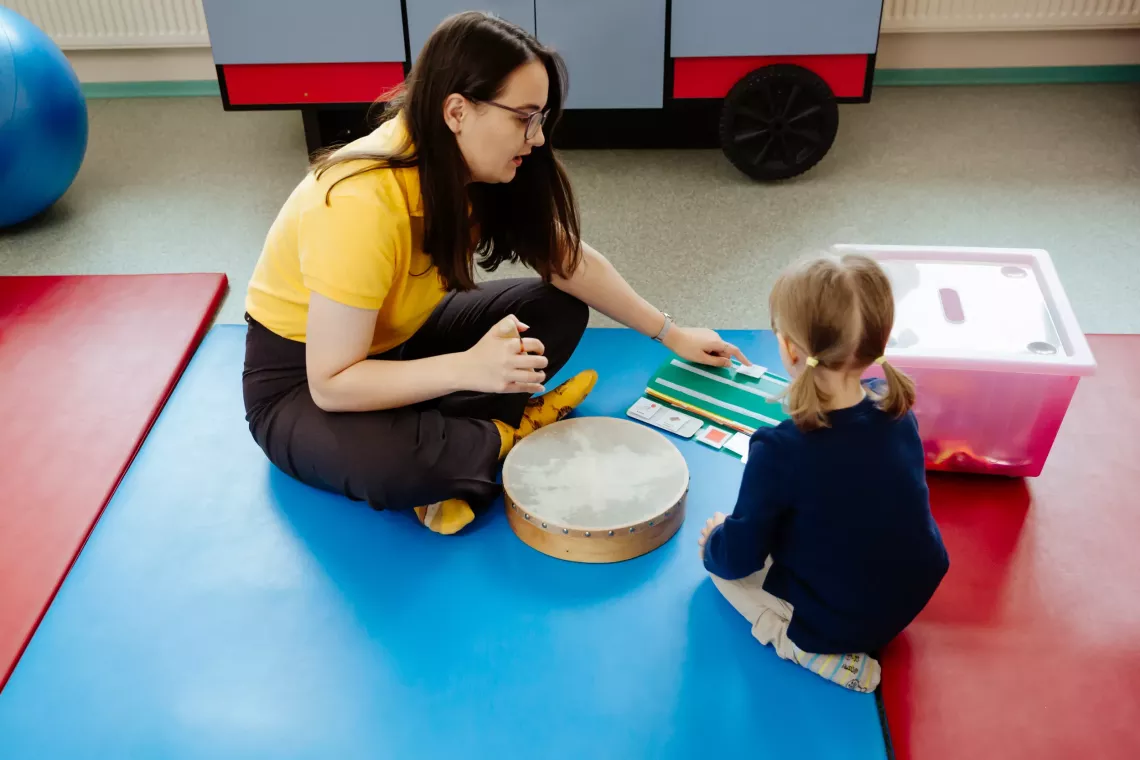
Research on children with autism has found that, when they are enrolled in these kinds of interventions, they go on to fare much better than children who are not, or who are enrolled later. For example, children in early intervention programmes experience reduced autism symptoms and develop better communication skills than children who are not in such programmes.
These programmes also tend to have information or coaching for parents on how to better communicate with their child, or redirect their behavior. This can be a game-changer for parents and make home life much easier. It can also help you have a better, more rewarding and understanding relationship with your child that will benefit you both.
Look after yourself
Being a parent can be stressful and tiring. Being a parent to a child with autism can feel especially so, whether because of your child's challenges or because of having to spend time and energy getting them the support that they need.
Some countries offer support that is specific to caregivers, such as financial help or other benefits that can give you a break or provide you with ways to cope.
While it is always easier said than done, try to do whatever you can to look after your own mental health and wellness. This can mean taking even a five-minute break to go for a walk, phone a friend or find another way to relax. It may be worth talking to your healthcare provider or your child's health team about how you might access your own mental health support. Your child's early intervention team and school inclusion team may be able to help.
It might also mean finding people you can talk with and feel heard by. Friends and family who are empathetic and understanding can help. Many communities and countries have local support groups specifically for families with autism. Online forums also can provide a place to speak with other families who might understand what you are going through.
Of course, be aware that anyone sharing information and advice, whether it is someone you know or someone on an online forum, may not know what is best for your child or family. Because misinformation is especially common on social media and community forums, it is important to be sceptical and always consult your child's own healthcare provider about what you might see or hear. You do not want to make life harder for yourself, or your child, by pursuing a path that will not work. Read more about how to spot misinformation online.
Remember, your child with autism is still a child
Above all, it may be most important to remember that, while a child with autism will have specific needs, they are a child. This means that they do best in safe, secure, predictable surroundings and from nurturing, responsive care. And, like any child, they need unconditional love and acceptance in order to thrive.


