

Climate anxiety
Mental health experts’ advice on coping with worries about climate change.
- Ελληνικά
- English
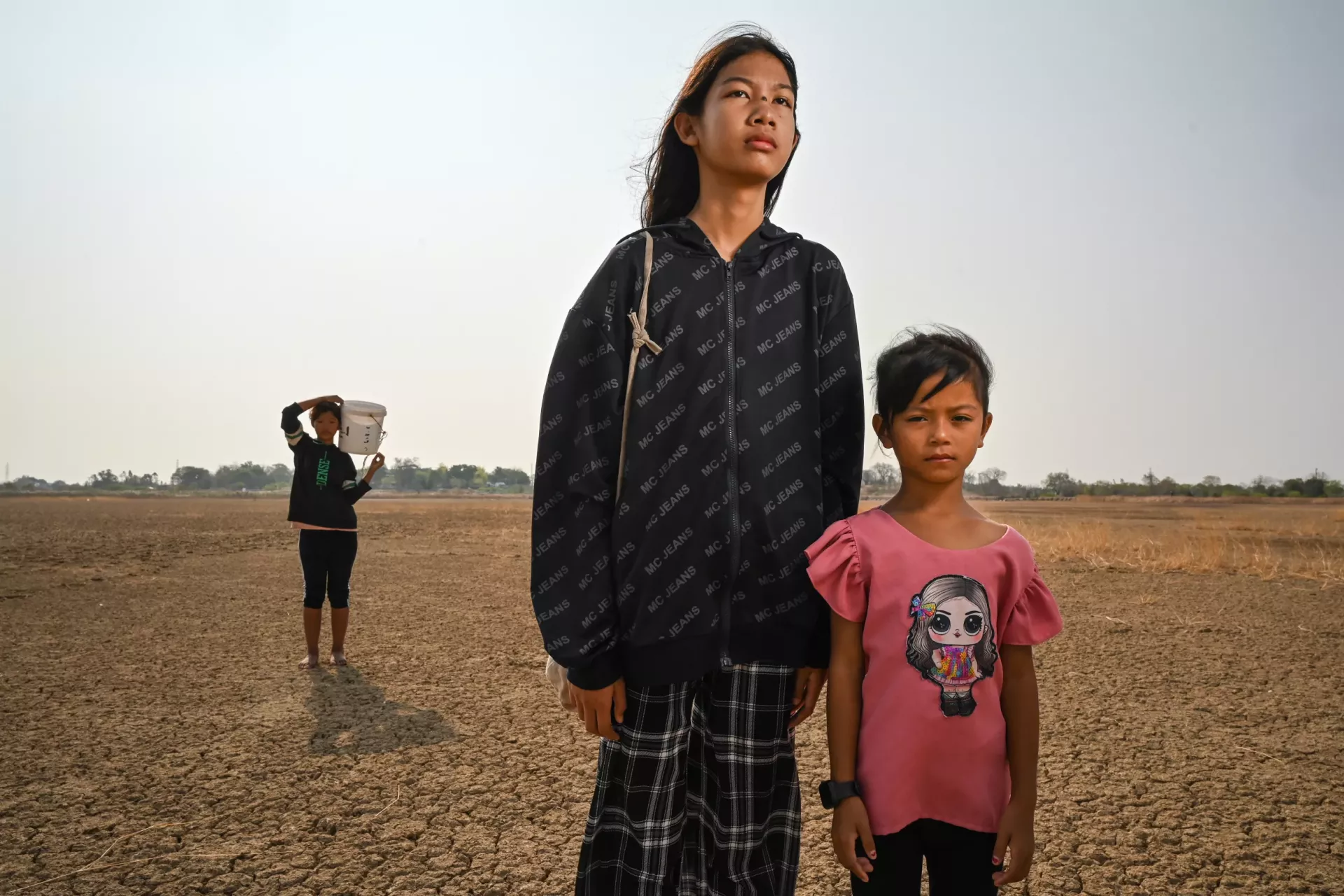
Climate change is impacting almost every aspect of a child’s health and well-being. Direct exposure to climate events, as well as indirect exposure through news and social media about subjects like environmental devastation and government inaction, can further increase stress leading to anxiety, depression and a lack of hope for the future.
The world is failing to protect children from climate change, but parents and caregivers can play an important role in helping their children navigate the realities of a changing world.
We asked three mental health experts from around the world – Caroline Hickman, John Jamir Benzon R. Aruta and Tshiamo Matabane – about climate anxiety and what parents and caregivers can do to support their children’s mental health and well-being.
What is climate- or eco-anxiety?
As we continue to witness the impacts of the climate crisis, new terms have emerged to describe the mental health and psychosocial consequences of these changes, including “climate-” or “eco-anxiety”.
Climate anxiety can be described as heightened emotional, mental or physical distress in response to dangerous changes in the climate.
Climate anxiety represents real and valid feelings of fear, worry, stress, helplessness, and unease related to evolving climate crises. These should be understood as natural reactions when witnessing the impacts of climate change and not as a mental health condition.
While these feelings are natural responses to a growing global crisis, they can become concerning if they start to interfere with a child’s daily life. When climate anxiety begins to impact a child's functioning at school, their friendships, or family relationships, it may be important to seek professional support to help them manage these feelings and maintain healthy development and well-being.
1. How can worries about climate change affect children’s mental health and well-being?
Caroline: Concerns about climate change affect children and young people in their daily physical life (eating, sleeping, going to school etc.), their thinking (beliefs about the future) and their feelings.
Children and young people are affected more than adults. They are still developing physically and emotionally. They are also impacted more because climate change is affecting their whole future – studying, school and future careers.
They are dependent on adults, as they often have limited economic and political power to directly influence action on climate change. Children and young people need adults to support them in developing emotional regulation and coping skills to manage their feelings. Their care for the planet is not a diagnosis or a mental health issue, it is a positive sign of mental health and awareness, reflecting their empathy and responsibility toward environmental well-being. They only feel this distress because they care. The key thing is that they need to be listened to, and have their concerns taken seriously, and acted on.
"Many young people around the world are very worried about their future on a warming planet."
Tshiamo: Children under 13 years, especially those who have experienced or been exposed to the devastation caused by climate-related events like floods, wildfires, or droughts, may start worrying about such events happening – or happening again.
- They may worry that the same events are going to happen to them, their home, their pets, their teachers, their family and friends.
- Younger children might struggle with separation from their parents in fear that they may not come back for them.
- This may affect their sleep, and some children may begin to have nightmares about disasters. It may trigger fear of losing loved ones and special places.
- Such anxieties can affect children's learning, play, and emotional development, especially when these fears are reinforced by direct experience or awareness of nearby events.
Adolescents between the ages of 13 and 18 have better reasoning compared to younger children, but they have easier access to media showing climate change devastation around the world. They are able to identify the impact climate change is having in their neighbourhoods and the world.
This can trigger various emotions including fear, sadness, worry, anger and helplessness. Such emotions, when persistent, can lead to anxiety among adolescents. This can affect their concentration, sleep, eating habits, diet and relationships.
John: Children and young people are particularly at-risk for climate anxiety. Although climate anxiety is a natural and adaptive response to the real and existential threats of climate crisis, climate anxiety can cause depression, anxiety, and troubles sleeping, among others, in young people. Many young people around the world are very worried about their future on a warming planet.
2. What are some of the misconceptions about climate anxiety?
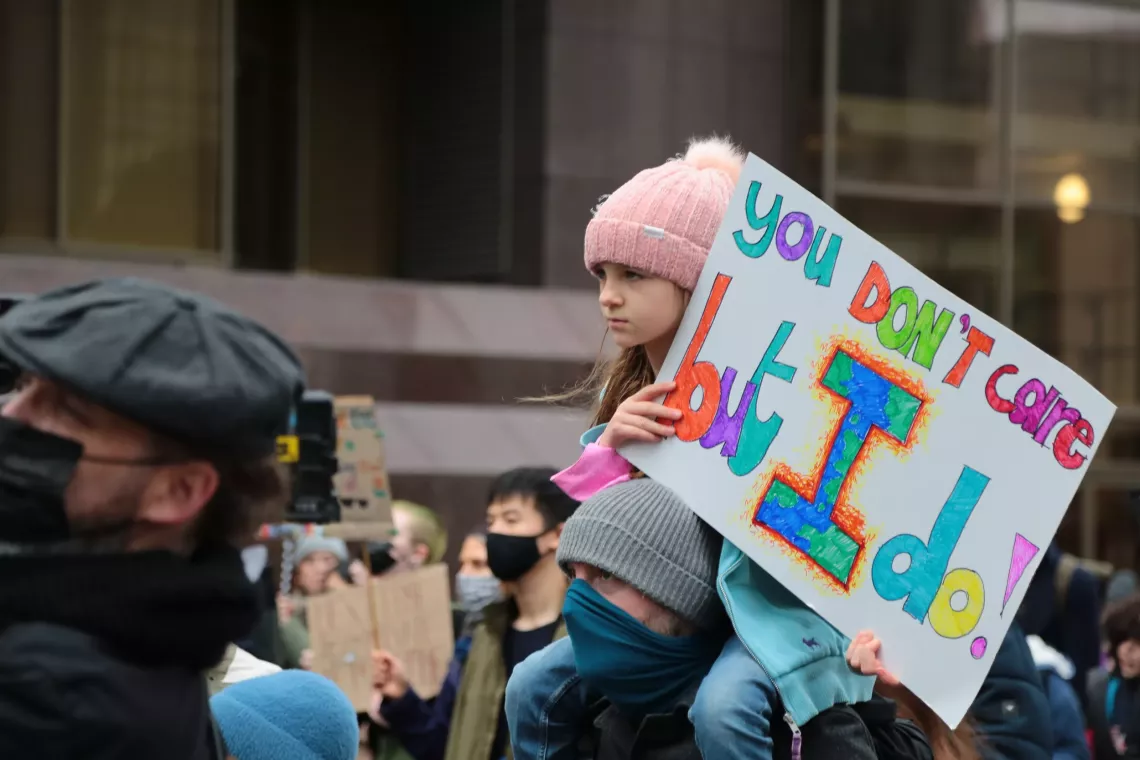
John: There are several misconceptions such as ‘climate anxiety is a mental disorder’. Climate anxiety and other emotions attributed to the climate crisis are natural responses.
Caroline: The main mistake or misconception is when people see climate anxiety as a mental health problem experienced by some individuals, when actually it is a mentally healthy response to environmental concerns. Whilst I agree that all children may need some individual emotional support to cope with this, most do not need treatment. They need validation, understanding, support (so they do not feel alone) and care – along with a secure attachment to caregivers who can provide a safe, anchoring presence when the world feels out of control – followed by action on climate change.
I would address these misconceptions by reframing ‘climate anxiety’ as ‘climate care’, ‘compassion’ or ‘empathy’. You feel it because you care and you should feel proud that you do.
3. What are some of the signs that children could be feeling anxious about climate change?
Tshiamo: Parents should watch out for changes in their child’s emotions, behaviour and for physical complaints, and pay attention to the duration of these signs or symptoms.
Younger children are curious by nature and will point out things that are worrying in their environment. If they keep talking about these things for days and weeks, and especially if it starts affecting their ability to function, it’s a sign that the worry is not going away. Signs may include:
- Bad dreams about disasters or persistent nightmares
- Becoming clingy and not wanting to be away from parents
- Nail-biting or thumb-sucking may reappear or become more frequent.
Adolescents may become preoccupied about a particular disaster. They might become restless or struggle with sadness and fear.
Caroline: Children are right to be anxious if the adults are not acting urgently to address climate change.
Children will show signs of anxiousness, sadness, despair, frustration, hopelessness, feelings of betrayal and abandonment and loss of trust. All of which make sense in the context of inaction on climate change. These symptoms would reduce if we took action to address climate change. To treat the child as though the problem lay with them would be a further injustice.
4. How can parents help their children cope with climate anxiety?
Caroline: The most important thing a parent can do is to talk with their child. Ask them how they feel and what they think. Validate their experience, even if you do not fully share it.
Often all that children need is to know that they are being seen, heard and understood by their parents or loved ones, and that they are not alone in their worries.
Teach your child how to be okay in a world that often does not feel okay. You can say, “You do not have to be ‘happy’ about what is happening, but you need to find meaning, and focus on what we still have in this world. Take care of it, value it, love and appreciate it.”
Children need a balance between practical action, emotional regulation and resilience to not freeze with fear and anxiety, and instead to recognize their power in creating a better future.
Always seek advice and help if your child withdraws and is not communicating with you. And be patient, sometimes the timing is not right to talk.
“Teach your child how to be okay in a world that often does not feel okay.”
Tshiamo: Let your child know that you can see their distress. Reassure them that you are there to guide and support them through these worries.
Be mindful about your own comments and worries around climate change when you are around them. Acknowledge that you are also sad and worried. Be aware of how they are exposed to the devastation depicted in the media. When they are feeling anxious, take them for a walk or cycling, invite them to come cook with you, play a game that they enjoy or do breathing exercises.
Children with existing mental health challenges who are worried about climate change are even more vulnerable to anxiety. Parents and caregivers should speak to mental health care professionals for support.
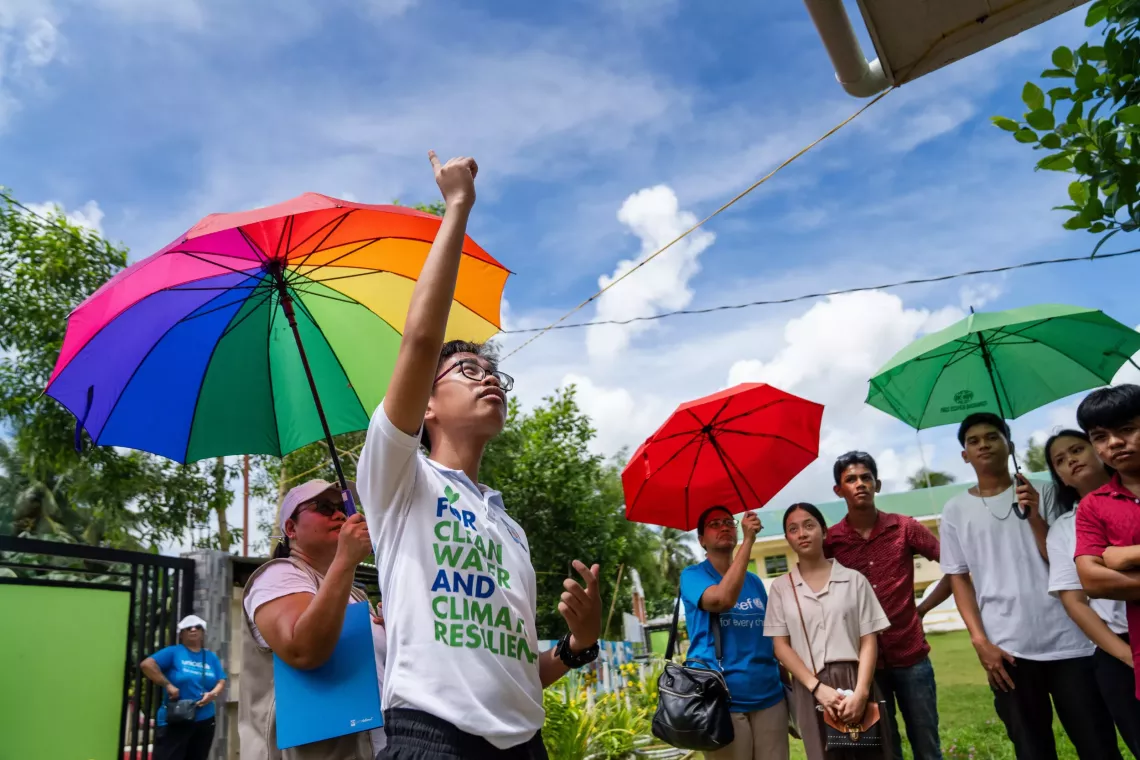
John: Parents should acknowledge the emotions of their children and think carefully about how much information about the climate crisis they share. Developmentally appropriate approaches are important to ensure children are motivated to take climate action and be hopeful, rather than becoming emotionally paralyzed and overwhelmed by information on environmental decline and climate change threats.
Find opportunities for children to join environmental groups at school or in their community, so they can have a platform to express their thoughts and feelings about climate change. This can help them realize that they are not alone and instill hope, especially when they can participate in collective action.
“Climate action is the antidote for climate anxiety.”
John Aruta
> Explore ways to help your child cope with anxiety
5. How can parents help their children build resilience to the mental health impacts of climate change and other environmental issues?
Tshiamo: Building resilience in children about the impact of climate change and environmental issues is not a lecture, but rather an intentional effort over time.
Openly engage in age-appropriate conversations with your child about their fears about climate change and other environmental issues.
Model pro-environmental behaviour and attitudes at home. Encourage your child to protect the environment, for example by recycling and planting trees together. Help them find organizations that are working to protect the environment and let them volunteer their time and resources to support these activities.
Let your children have an opinion and hear their points of view. They have suggestions on how we can clean up this mess, preserve and protect what we have, and replenish the environment.
“Building resilience in children about the impact of climate change and environmental issues is not a lecture, but rather an intentional effort over time.”
> How to talk to children about climate change
Caroline: Parents want to protect their children from frightening things, but climate change is not going away – so we need to deal with it.
It is better to talk with children about it and teach them how to navigate challenging and difficult things in the world. And to help them remember what is most important – good relationships, values, equality, love, and care for self, others and the planet.
6. When should a parent seek support from a health-care provider?
Tshiamo: If you notice the following signs and symptoms persisting or becoming concerning, consider seeking help:
- Emotional: persistent sadness, irritation, worry and fear
- Behavioural: disturbed sleep (insomnia), restlessness or agitation, poor concentration, self-destructive behaviour
- Cognitive/Thoughts: inability to concentrate, negative attitude about most things, verbalizing nightmares or fears, reporting that they feel lost or blank
- Physiological: shortness of breath, tightness in the chest, abdominal pains, racing heart, panic attacks, muscle tension and fatigue.
“Seek advice and support for yourself as a parent if you are worried about your child. Then seek further support for your child if needed.”
Caroline Hickman
7. How have you approached climate change and mental health in your family?
Tshiamo: We are thankful to the media for keeping us informed about the impacts of climate change around the world.
We participate in activities that can assist displaced people by donating to organizations that support vulnerable members of society.
We have been mindful with our waste and make efforts to recycle and create compost with biodegradable items.
We car-pool and use public transport as far as possible to reduce our carbon footprint.
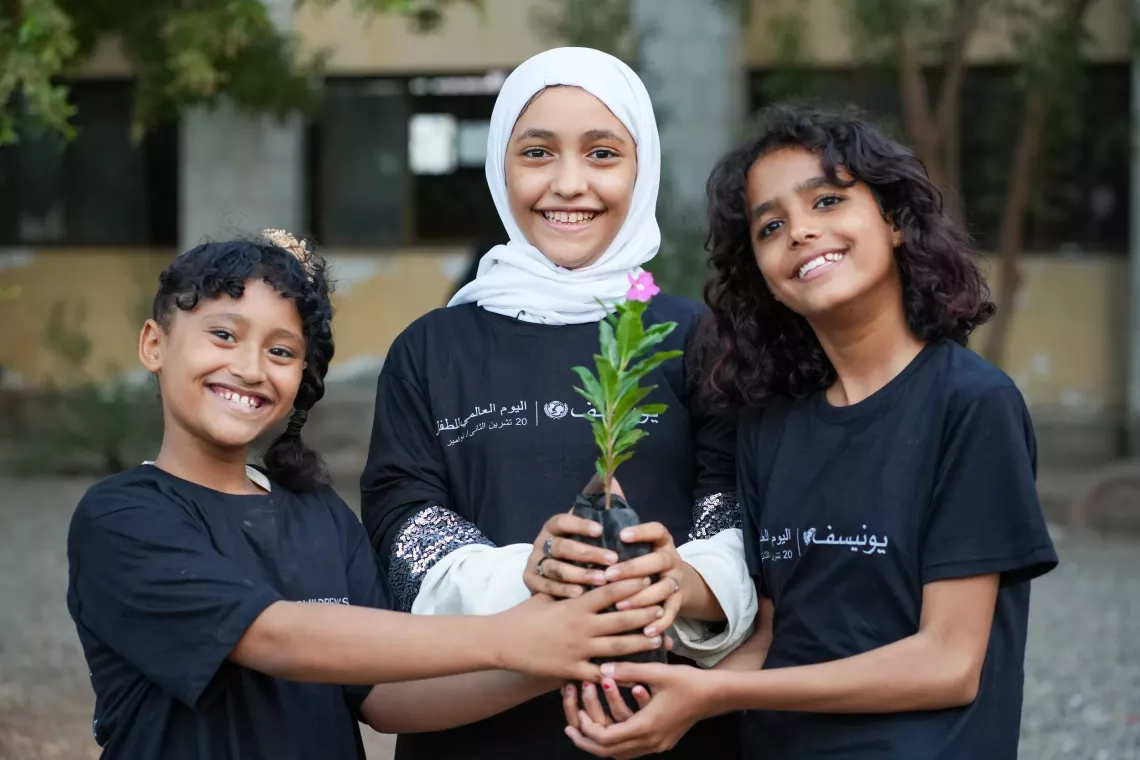
And to give back to nature, we make an effort to plant trees and shrubs and encourage our family members to do the same.
8. What else needs to happen to support children?
John: It is important that parents, adults, policymakers, local and global leaders make the right and urgent decisions about climate change to convey intergenerational responsibility. Children need to see that adults today care about their future and are doing everything in their power to ensure that children and the next generations will live on a liveable planet.
About the experts
Caroline Hickman has a background in mental health social work. She is a psychotherapist and lecturer at the University of Bath, United Kingdom, researching children and young people’s emotional responses to climate change globally examining eco-anxiety and distress, eco-empathy, trauma, moral injury, and the impact of climate anxiety on relationships.
John Jamir Benzon R. Aruta, PhD is an Associate Professor at the De La Salle University, Manila, Philippines. He is an Associate Editor of the journal Global Environmental Psychology and is a member of the Editorial Board of BMC Psychology and Nature Communications Psychology. Dr. Aruta is also an active clinical practitioner in the Philippines, providing mental health assessment, counseling, and psychotherapy for families, children, adolescents, and early adults. He is also the founder and inaugural director of Sustainability Psychology and Planetary Health Research Laboratory (SPPHERE Lab) and the chair of the Environmental Psychology Special Interest Group of the Psychological Association of the Philippines.
Tshiamo Matabane is a registered Clinical Psychologist. She has served three hospitals including Nelson Mandela Children’s Hospital in Parktown, South Africa, and has a private practice. She advocates and provides psychoeducation on child and adolescent mental health wherever possible.


