From Pregnancy to Healthy Childhood
How KOICA's Investment is Bringing Quality Healthcare Closer to Communities in Northern Ghana

Introduction
In many rural communities across Ghana's Upper East and North East Regions, accessing healthcare has traditionally meant long journeys, delayed treatment, and limited services. Today, that story is changing.
Through the KOICA CHPS+ Phase II Project, implemented by UNICEF in partnership with the Ghana Health Service, communities are gaining access to better-equipped health facilities, trained health workers, community outreach services, and emergency referral systems that help mothers and children receive the care they need, when they need it. The project aims to strengthen primary healthcare and improve maternal, newborn and child health by supporting health facilities, frontline health workers, community health volunteers and health systems.
This story follows the journey of a community in Northern Ghana, representing thousands of families whose lives are being touched by stronger community healthcare systems.
A New Beginning
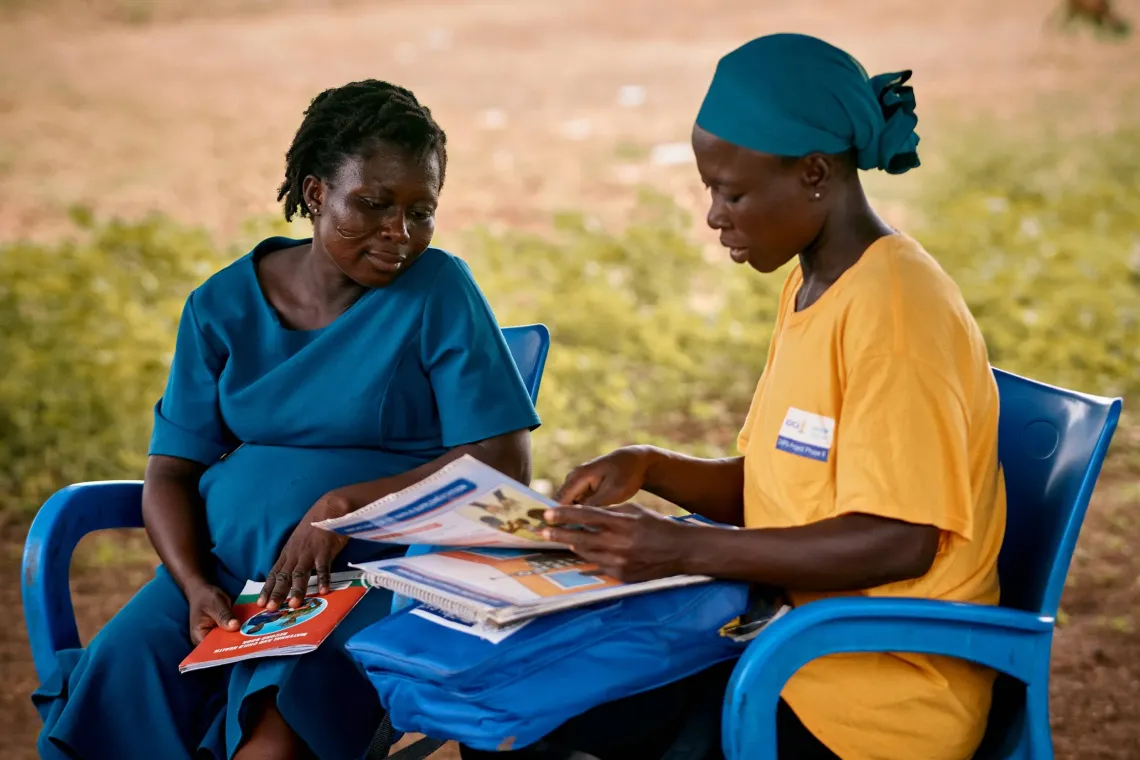
For many women in rural Ghana, pregnancy begins long before their first visit to a health facility. Community health volunteers play an important role in identifying pregnant women early, providing advice, and connecting them with healthcare services available through nearby CHPS compounds.
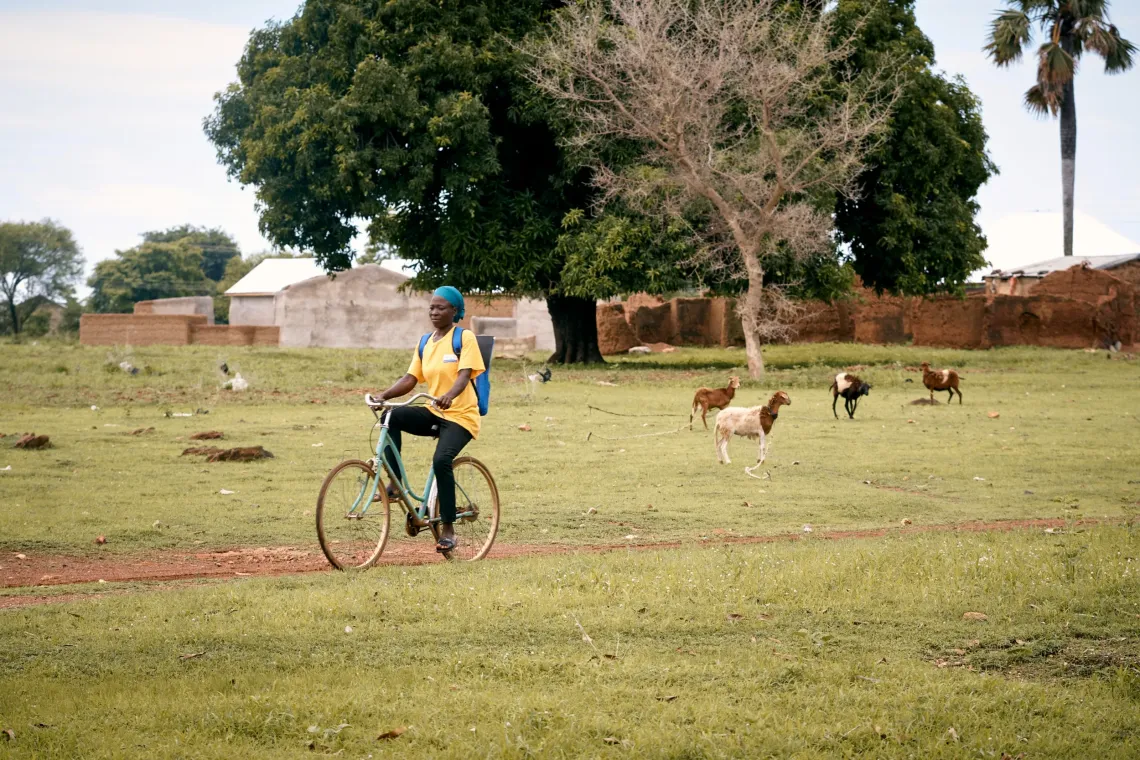
Through the KOICA CHPS+ Project, community health volunteers have received bicycles, mobile phones and essential supplies that help them reach families living in remote communities.
Taking Healthcare to the Doorstep
Healthcare no longer starts at the clinic, it begins in the community.
Equipped with bicycles and communication tools, community health volunteers can travel farther and more frequently to conduct household visits, provide health education and encourage mothers to seek antenatal care early. Their work helps ensure that pregnancies are monitored and that potential complications are identified before they become life-threatening.
Care Closer to Home
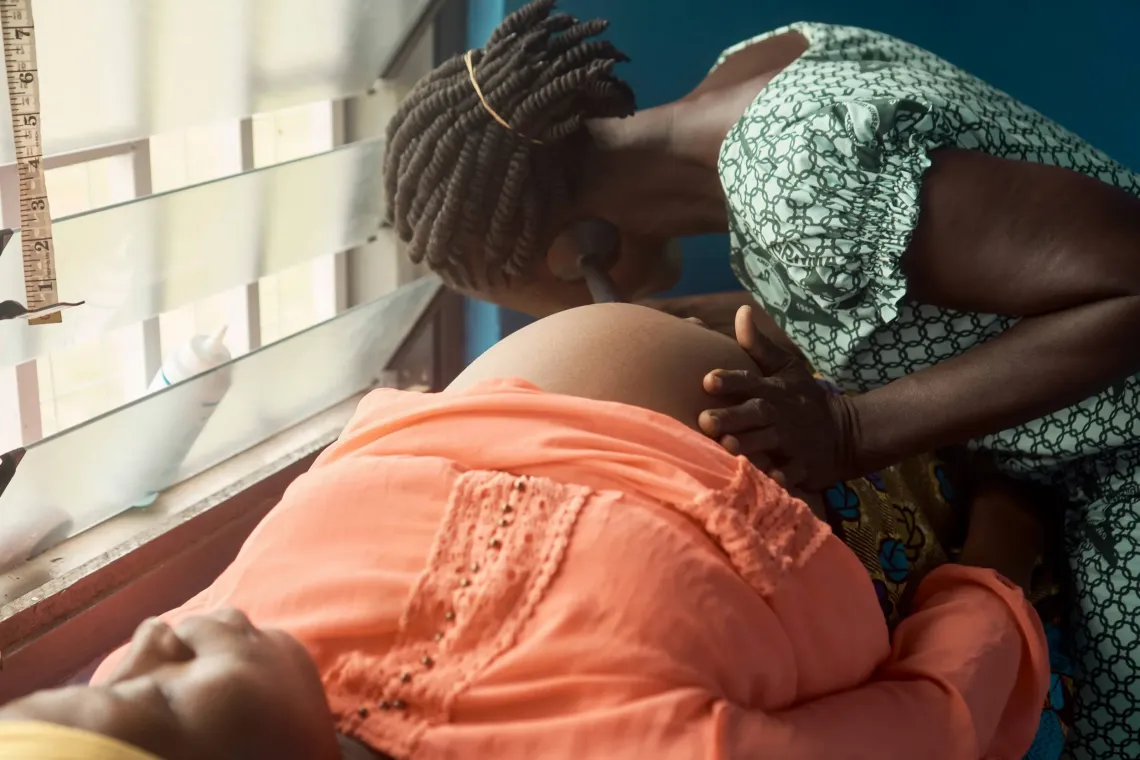
For expectant mothers, regular antenatal care can make the difference between a healthy pregnancy and a dangerous one.
The KOICA CHPS+ Project has strengthened health facilities by providing medical equipment and training for health workers. This support helps healthcare providers monitor pregnancies more effectively and improve the quality of care available closer to where families live.
Strengthening Frontline Health Workers
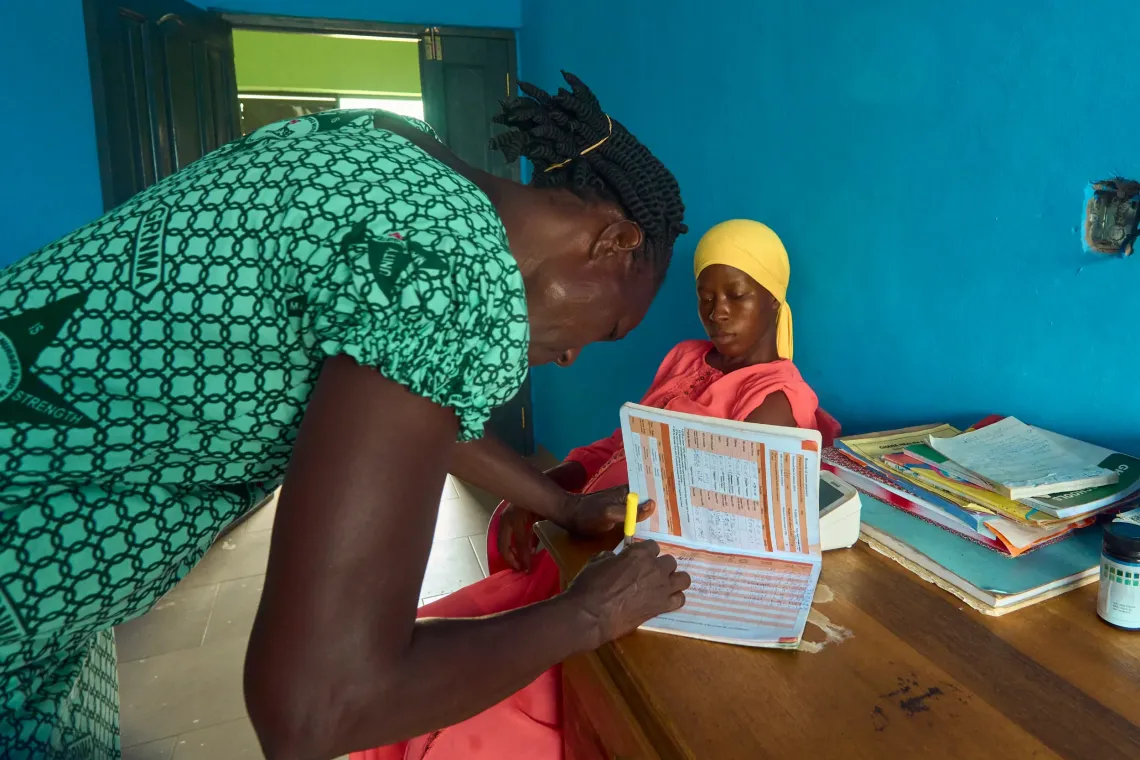
Healthcare is only as strong as the people delivering it.
The project has supported training for hundreds of healthcare workers and quality-of-care coaches, helping them improve maternal, newborn and child health services. For mothers, this means receiving care from health workers who are equipped with both the skills and tools needed to respond to their needs.

A Healthier Future
From pregnancy through childbirth and early childhood, access to quality healthcare is helping children get a healthier start in life. Across Northern Ghana, stronger health facilities, trained health workers, community volunteers and improved referral systems are ensuring that families can access care closer to home.
For thousands of mothers and children, the journey to better health is no longer defined by distance or limited services, but by opportunity, hope and a stronger healthcare system built to serve future generations.
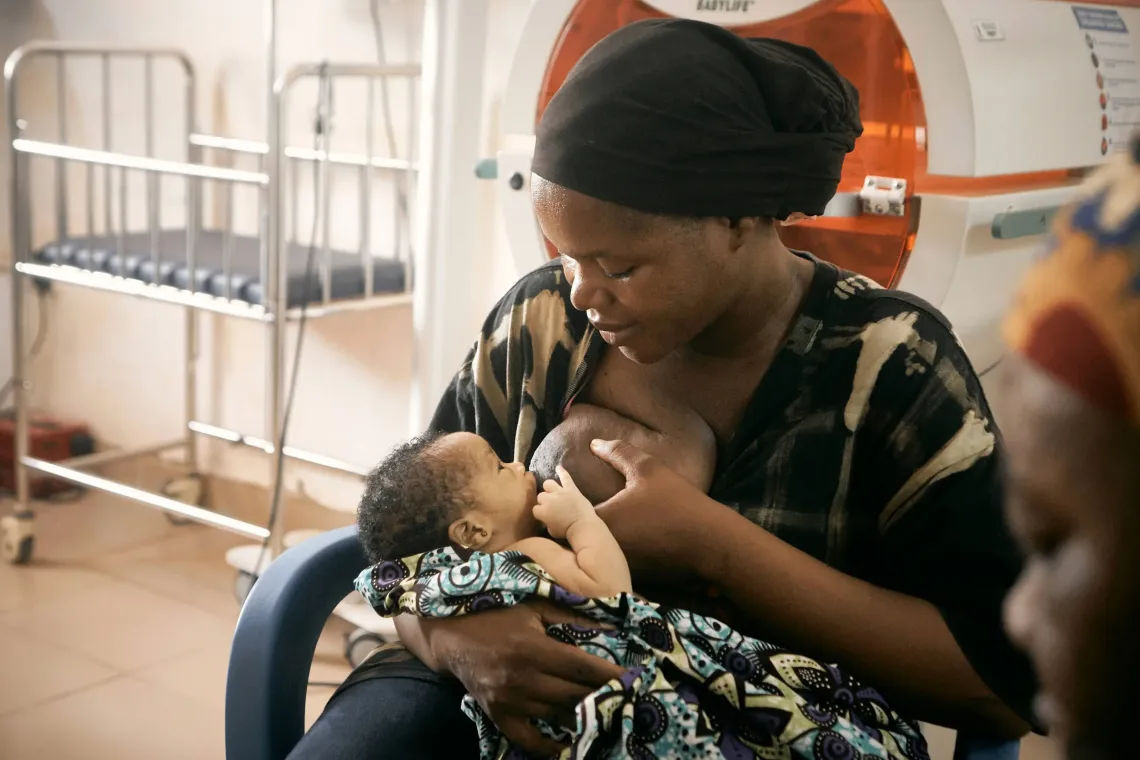
A Safe Delivery
Behind every healthy birth is a network of people, facilities and systems working together.
Community outreach, antenatal care, emergency referral systems, trained health workers and improved equipment all contribute to helping mothers deliver safely and giving newborns a healthy start in life. The KOICA CHPS+ Project is strengthening each link in this chain of care.

The First Steps in Life
The journey does not end at birth.
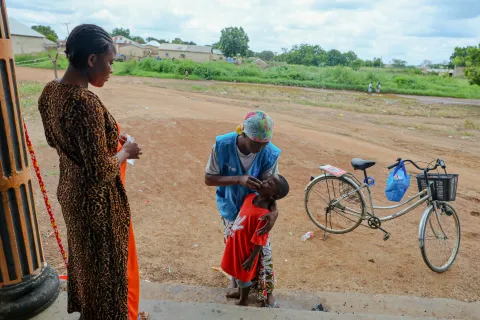
Babies continue to receive essential services through child welfare clinics, including growth monitoring, immunization and regular health assessments. These services help identify concerns early and support healthy growth during the critical early years of life.

Continued Support for Families
Long after delivery, families remain connected to the healthcare system.
Through home visits and follow-up support, community health workers help parents access information and services that support child health, nutrition and development. This ongoing relationship between communities and health workers helps ensure that children continue to thrive.

Stronger Facilities, Stronger Communities
Across Northern Ghana, investments in equipment, training and community health systems are helping facilities deliver better services to more people.
The KOICA CHPS+ Project supports a stronger primary healthcare system that brings quality healthcare closer to communities, especially women and children living in underserved areas.

Building a Legacy of Care
The true measure of success is what remains when a project ends.
The KOICA CHPS+ Project is not only providing equipment and supplies, but it is also helping build a stronger healthcare system that communities can rely on for years to come. Health workers have been trained to use and maintain medical equipment, biomedical engineers have strengthened their technical skills, and community health volunteers continue to support families through household outreach and referrals. These investments in people, systems and local capacity help ensure that the benefits of the project continue long after implementation ends.
"The equipment is important, but the knowledge and skills we have gained will continue benefiting our communities for many years."

Transforming healthcare requires more than resources—it requires partnership.
The progress seen across the Upper East and North East Regions is the result of close collaboration between KOICA, UNICEF and the Ghana Health Service, working together to strengthen primary healthcare for mothers and children. Through joint planning, monitoring, technical support and implementation, the partnership has helped bring essential services closer to communities and improve the quality of care available to families. The shared commitment of these partners demonstrates how collaboration can help create lasting change.
"When partners bring together their expertise, resources and commitment, communities benefit."

Final Closing Text
Every mother deserves quality healthcare. Every child deserves a healthy start in life.
Through the partnership between KOICA, UNICEF and the Ghana Health Service, communities across Northern Ghana are gaining access to stronger healthcare systems that support mothers throughout pregnancy, protect newborns during their first days of life and help children thrive during their early years.
What begins with one mother and one child ultimately strengthens entire communities—creating healthier futures that will last for generations.