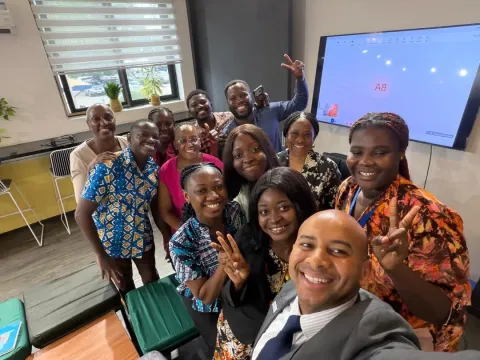
Have you ever wondered what goes on behind the scenes of a UNICEF photography assignment—and what it takes to make an invisible threat such as lead exposure visible?
Come with me as I take you along on one of my recent assignments from the field.
This assignment focused on lead exposure: a largely invisible but preventable threat to health and development. Lead can be present in everyday products and practices, yet people may be exposed without knowing it.
In Ghana, possible sources include informal recycling of used lead-acid batteries and electronic waste, peeling lead-based paint, some traditional eyeliners and cookware, and contaminated foods or clay products. Children and pregnant women are especially vulnerable because lead can cause irreversible harm to a child’s developing brain and body, while exposure during pregnancy can also endanger both mother and baby.
For me, this assignment was an eye-opener too.
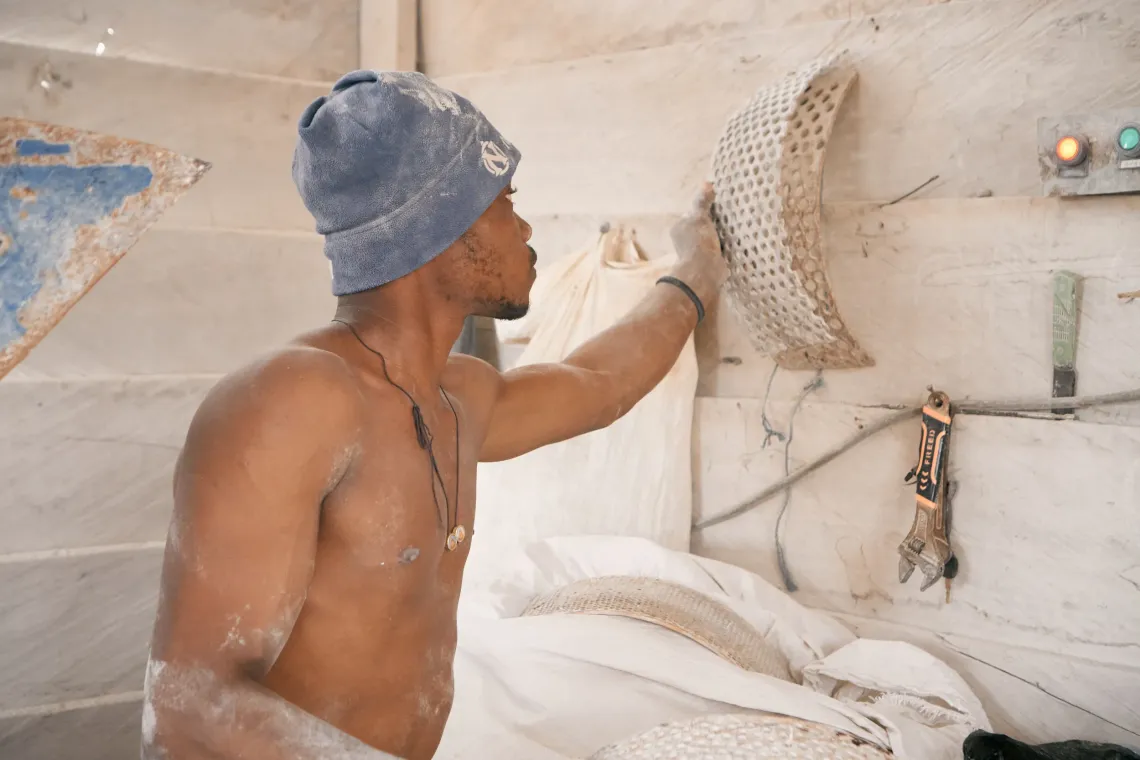
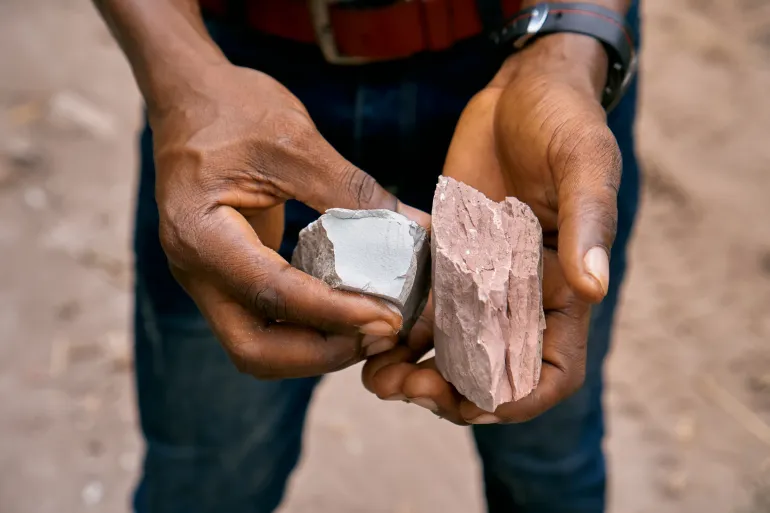
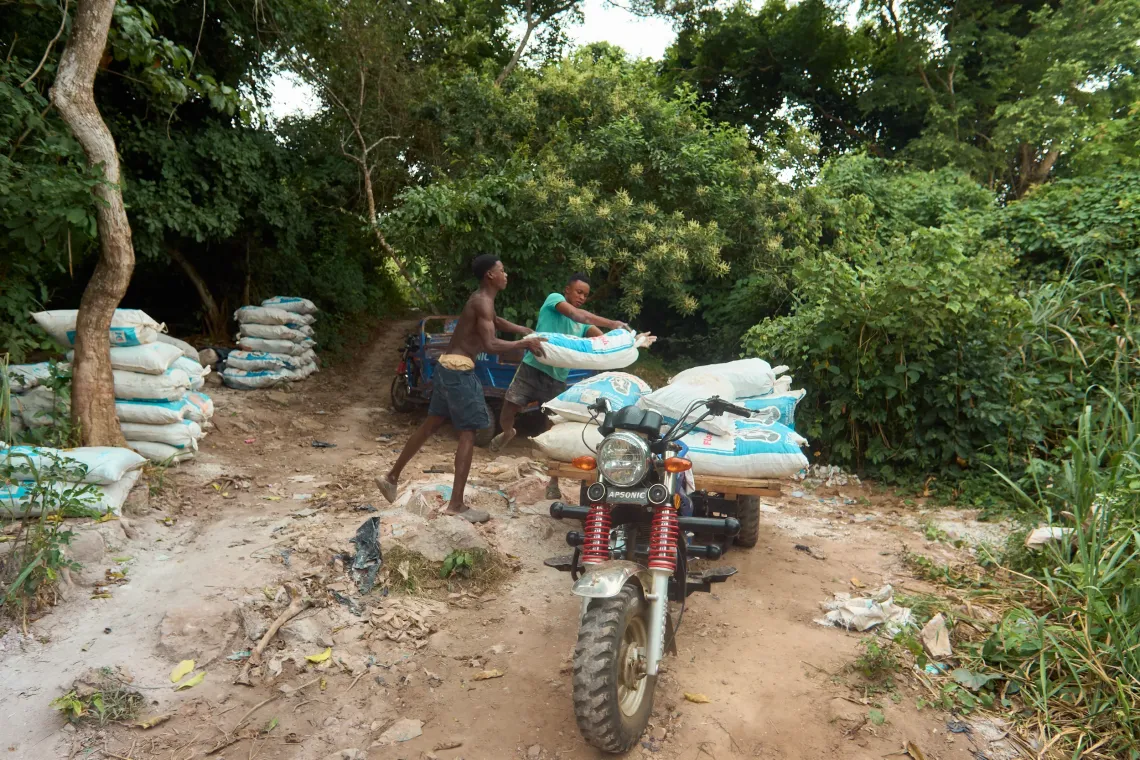
My role was to document one possible exposure pathway: the journey of clay from the mine to a product that people consume. On 18 August 2026, I travelled to Anfoega Adame Newtown to learn how kaolin and bentonite clay are mined and processed for Ayilor, a white baked clay that some pregnant women consume to help relieve nausea. The mission was not simply about photographing clay mining; it was about showing how a familiar cultural practice may connect to lead exposure and why that risk deserves greater attention.
A nationwide assessment supported by UNICEF and undertaken by Ghana’s Food and Drugs Authority found that 24.6 per cent of sampled white baked clay—including products known as Ayilor, Shire or Farin-Kasa—was contaminated with lead. The finding gives this journey added urgency: contaminants cannot be identified by sight, smell or taste, and lead exposure can cause lifelong health and developmental consequences.
Like many of the people I spoke to before making the trip, I initially presumed that the clay was simply obtained from surface dugouts. However, when I arrived in Anfoega Adame Newtown, I was given the opportunity to undergo a completely new learning experience about the mining and processing of clay used for Ayilor.
The first surprise was learning about the different types of clay mined in the area, primarily Kaolin and Bentonite. The second was discovering that we had to hike up a mountain for about 35 minutes to reach the mines.
It was a steep climb, and thankfully, I was wearing hiking boots, which made the journey much easier. I did, however, forget to carry water. It was not a fatal mistake, but certainly one I would not repeat.
Note to self: Always carry water when heading into the field.
My guide explained how the mines are created, showed me bags of freshly mined Kaolin and Bentonite clay, and described the different purposes for which each type of clay is extracted.
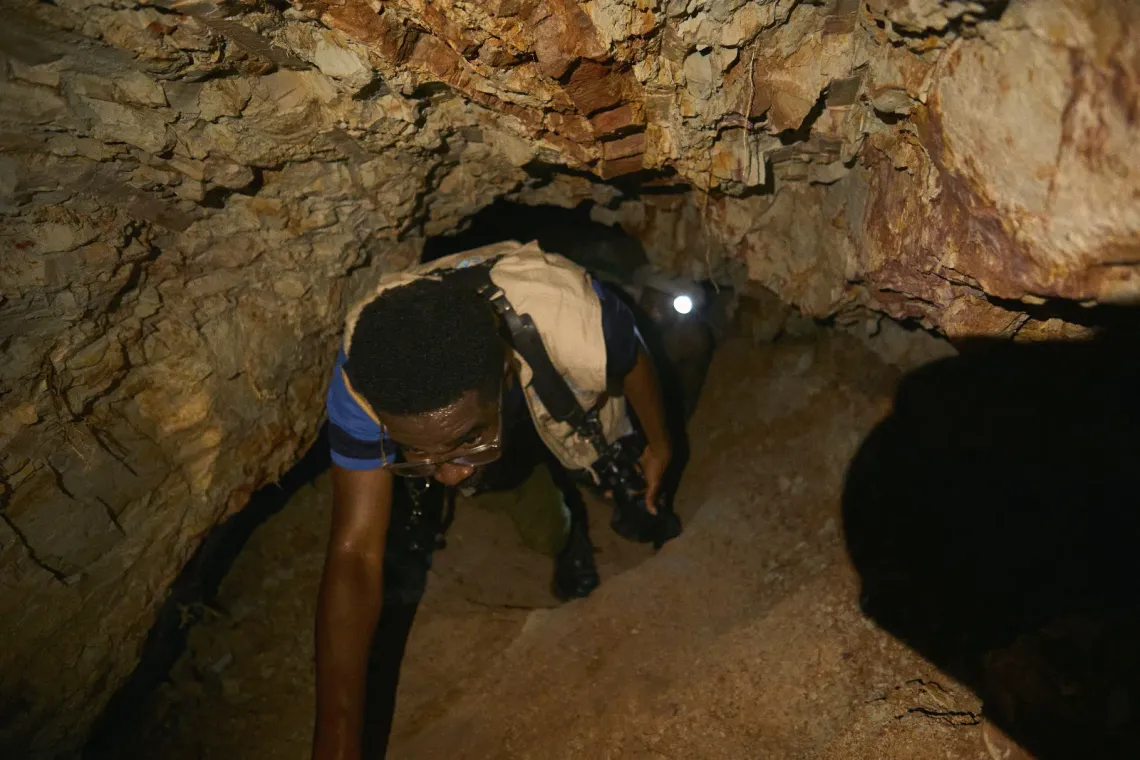
The mines run deep into the mountain through narrow tunnels. In some sections, the tunnels are only wide enough for one adult to pass at a time, measuring roughly three feet across. The deepest I went was approximately 50 feet underground, where I observed how the clay more like rock at that stage is extracted.
It was pitch-black inside the mine, and the miners relied on headlamps to navigate through the tunnels. Stacks of sacks were placed in some areas to serve as makeshift steps and junctions further into the mine, while other sections had ladders made from bamboo.
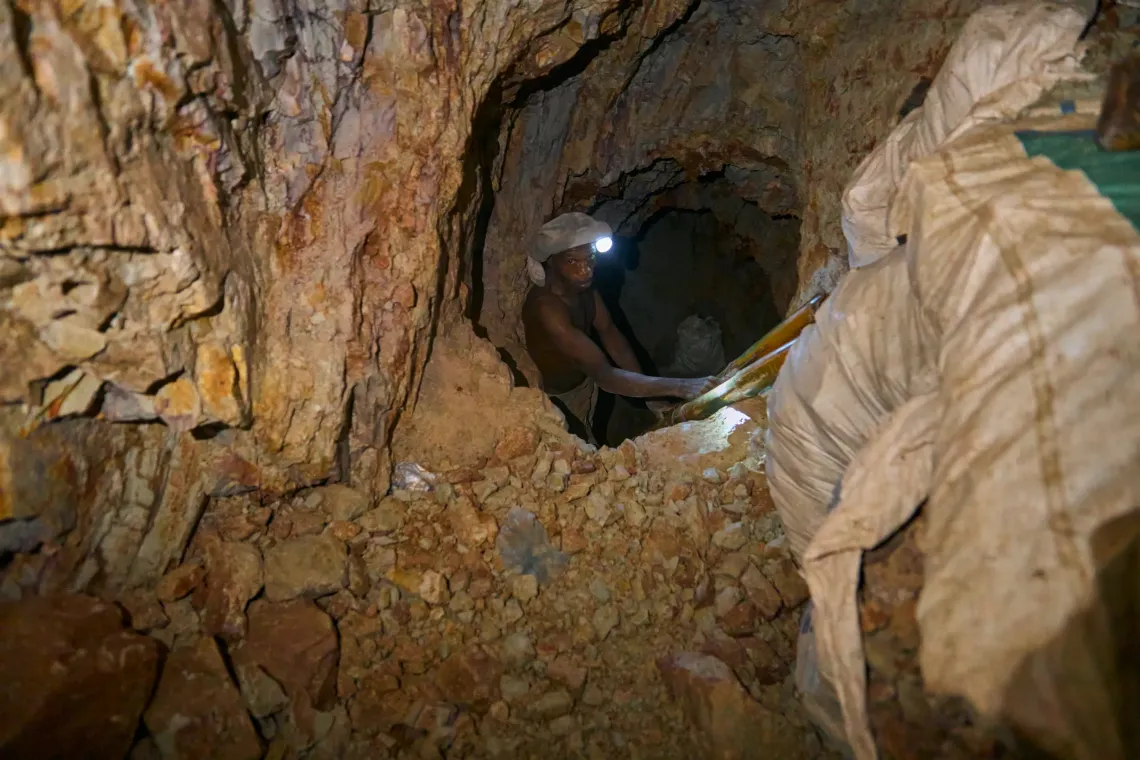
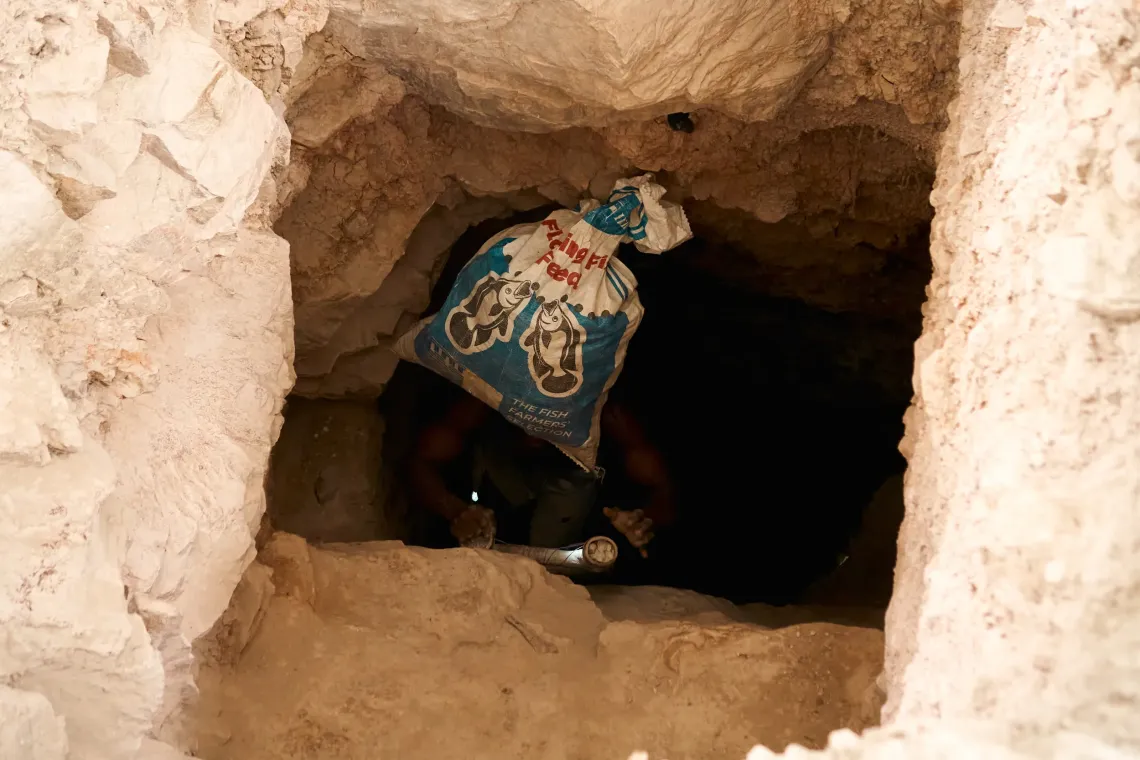
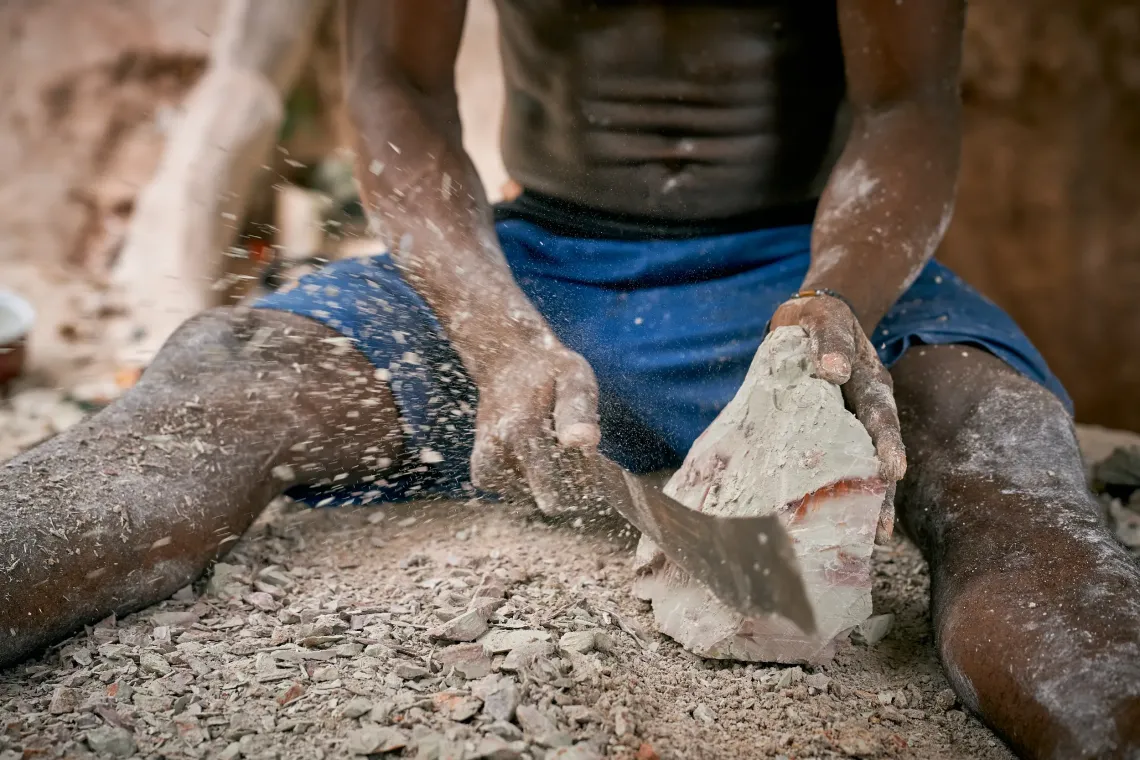
The primary tools used to extract the clay are a chisel and mallet.
Once extracted, the clay undergoes several stages of processing:
- Large chunks are broken down into smaller pieces.
- The clay is dried to reduce moisture.
It is ground into a fine powder or kneaded into a paste, depending on its intended use.
For Ayilor, the clay is sieved to remove impurities before being packaged for sale in local markets.
Beyond its use in Ayilor, Kaolin and Bentonite clay have a wide range of applications.
Kaolin clay is used in ceramics and porcelain, paper coating, cosmetics, toothpaste and pharmaceuticals, and is also consumed in some cultural contexts.
Bentonite clay has applications in drilling mud for oil and gas exploration, water purification, wine and juice clarification, animal feed and as a binding material in foundry moulds.
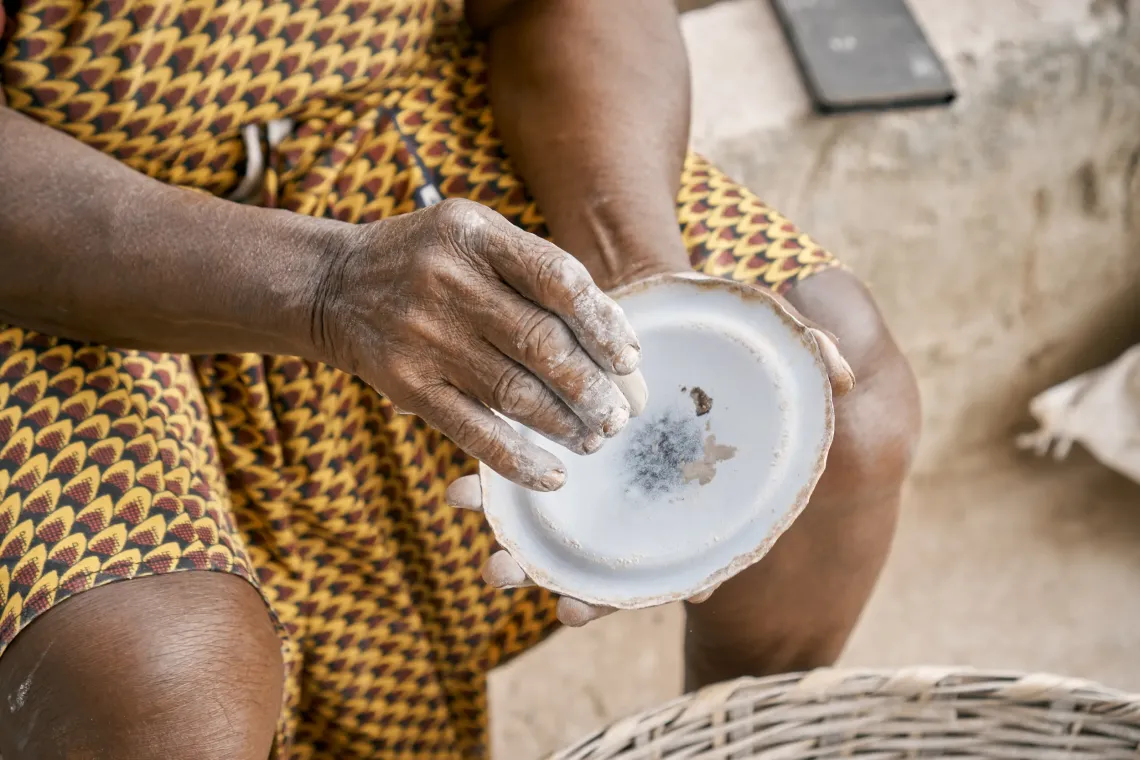
The experience was interesting, challenging and, above all, eye-opening. But my biggest takeaway was the opportunity to connect with people in the community, listen to their experiences and learn from them.
Photography, I realised once again, is not just about capturing an image. It is about connection real human connection. It is about taking the time to understand people and creating stories that go beyond the photograph.
This assignment placed the journey underground within a much bigger public health story. By tracing how clay is mined and prepared for consumption, the photographs can help make a hidden exposure pathway visible and support respectful conversations with pregnant women, families, producers, health workers and regulators about safer choices and practices.
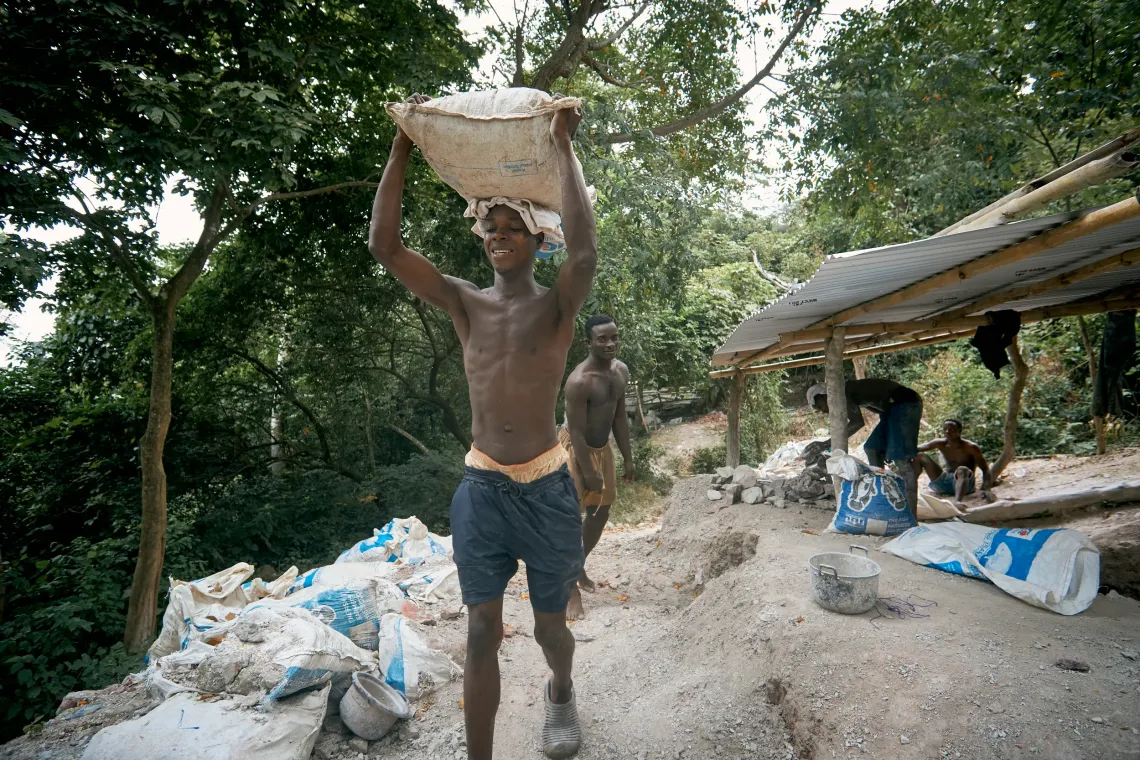
Lead poisoning is preventable, but prevention begins with evidence, awareness and action. I am proud that this work can contribute to Ghana’s growing effort to identify sources of exposure, strengthen product safety and protect children’s health and potential.
Because sometimes, a photograph is more than an image. It can be a connection, a lesson and a call to action.