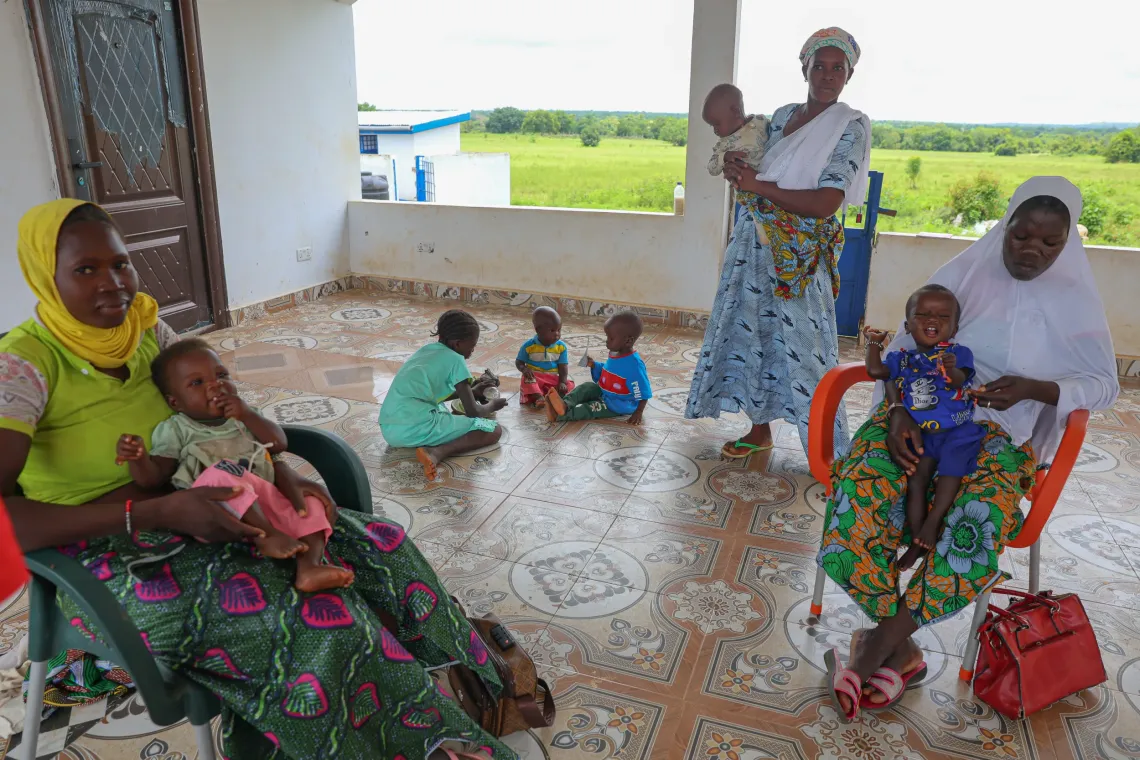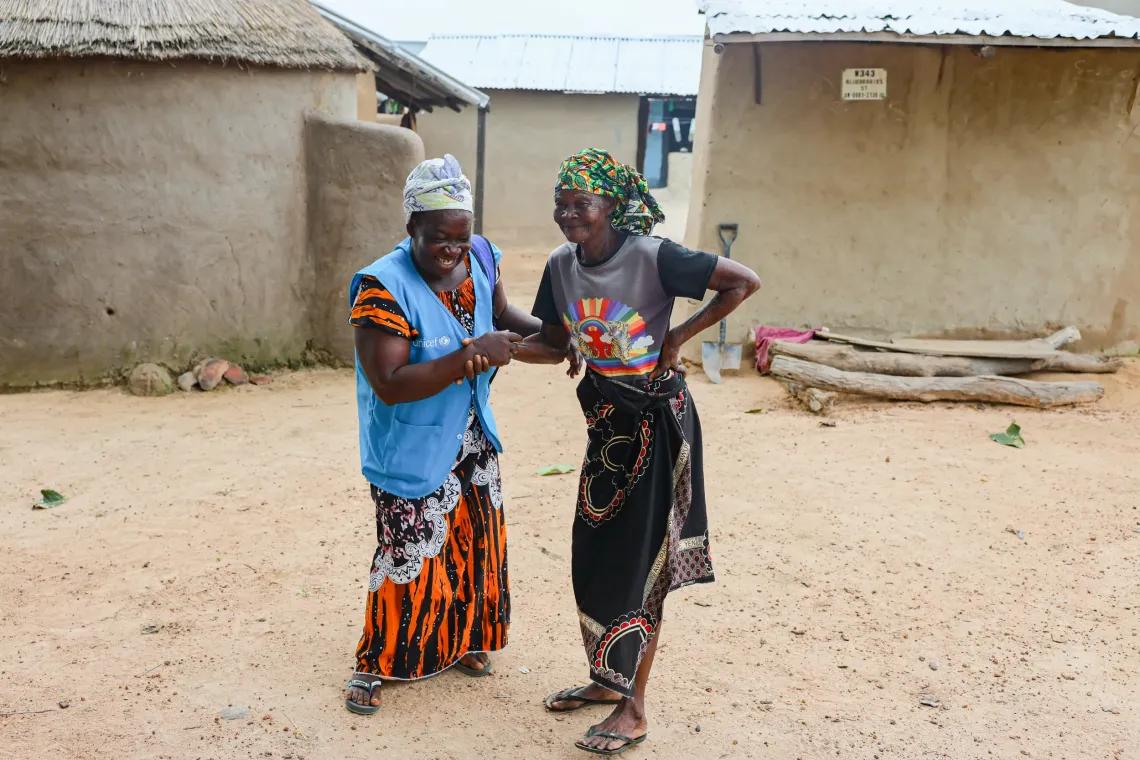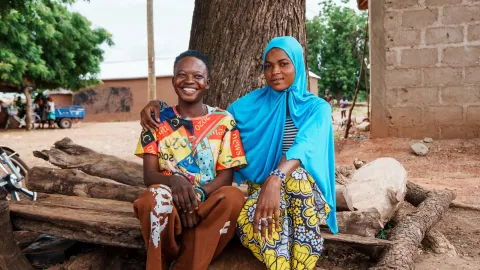
“The children are ours. They belong to the community. We support one another for the sake of the children,” says Yussif Khadija, a health volunteer in Zini.
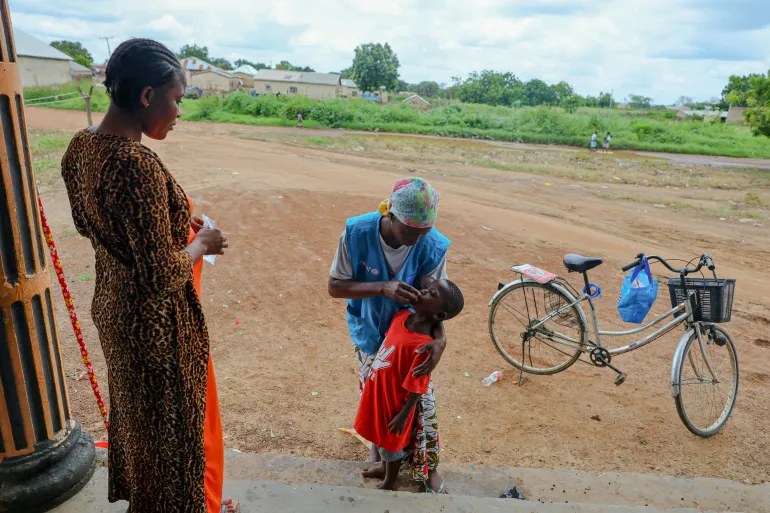
By 6 a.m., while many households are only beginning to stir, volunteers are already moving from door to door. They check on families, follow up with mothers and pregnant women, and make sure children receive the medicines and care they need. “By 7 to 7:45 a.m., they are done. I respect them so much for that,” says Maryann, a health worker at the Tarikom CHPS.
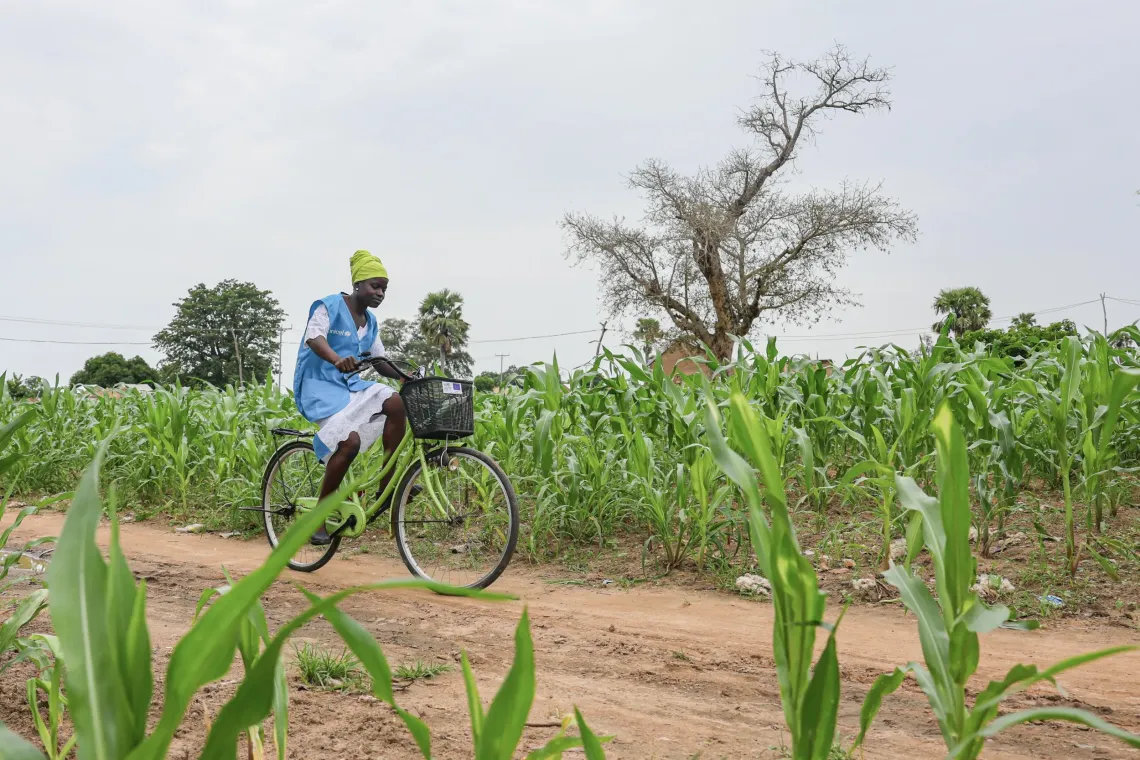
Across Ghana’s Upper East and Upper West Regions, community volunteers continue to support CHPS compounds and bring health services closer to people who may never reach a facility. For Afuugu Avokbnu, a mother of three, everything changed after a community durbar where she learned about the volunteers’ work and the need for more hands.
She joined. “Now that I know what the volunteers do for the community, I understand why the children need to take the drugs,” she says. Today, Afuugu helps alert families to health risks, follows up on children and pregnant women, and refers suspected malnutrition cases to health workers. “It’s like I am now a small doctor,” she says.
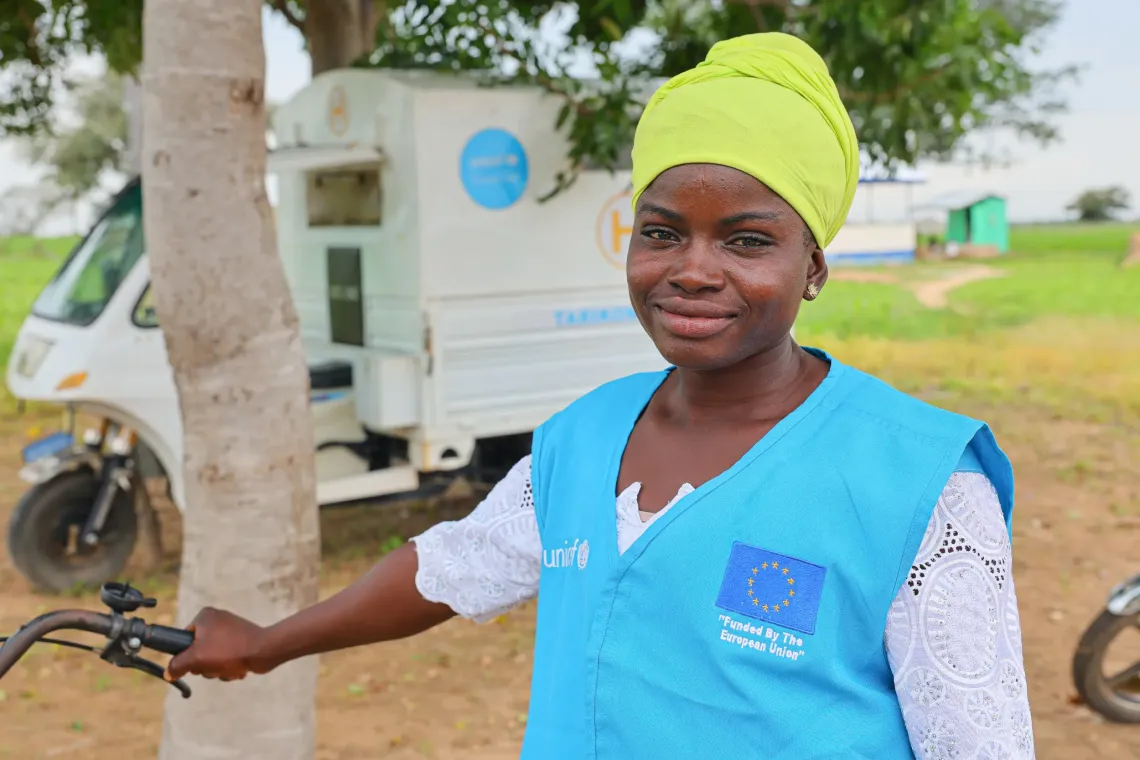
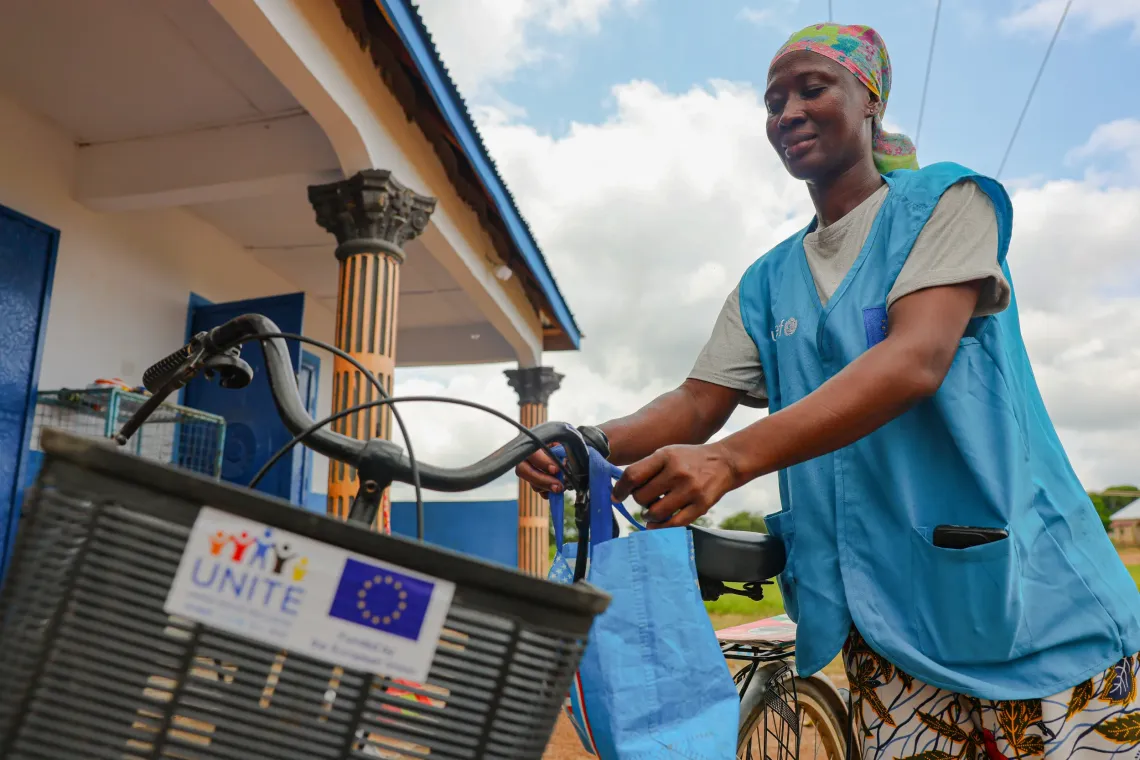
The work is not easy. The health volunteers walk long distances between houses and keep records by hand. But through UNICEF, with funding from the European Union under the UNITE project, CHPS compounds have received medical equipment, while volunteers have received bicycles, raincoats, boots and other gear to help them reach more people. “I used to attend to about 25 to 30 people a day,” Khadija says, “but now I can reach about 35 to 40 people in the morning.”
In Zini, where an estimated 1,048 asylum seekers were living as of June 2026, UNHCR says the spirit of care has extended beyond health services. Community leaders made room for displaced families, including land to cultivate food crops, so they could begin rebuilding dignity and self-sufficiency.
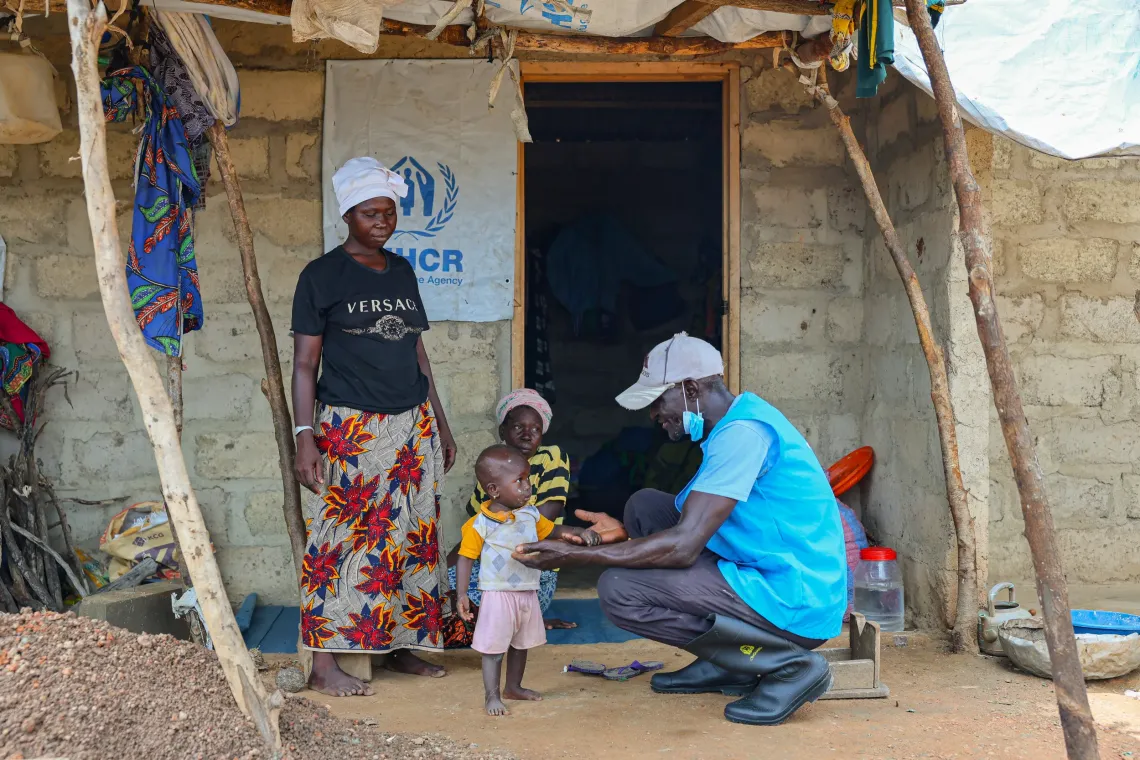
Since 2025, the UNITE project and other initiatives have strengthened this response, including support for Zini Health Centre and Tarikom CHPS, both serving communities affected by displacement and rising health needs.
For Khadija, Afuugu, Maryann and many others, the work is simple but powerful: showing up early, walking far, and reminding every family that no child should be left behind. Their commitment calls on all of us to keep investing in community health volunteers, strengthen frontline services, and stand with families affected by displacement. In Zini, the children are not someone else’s responsibility. They are ours — and protecting their future begins with the choices we make today.