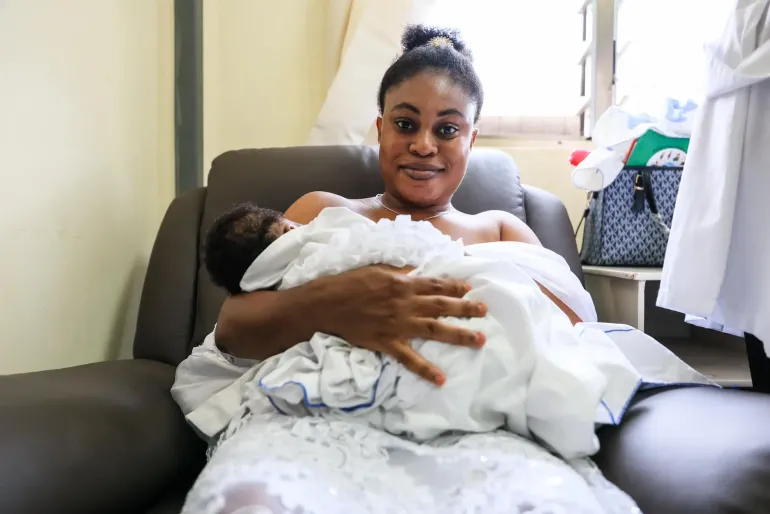
A newborn's first meal begins with a mother's milk. Moments before that first feed, a midwife washes her hands with clean water to receive the newborn. It is a simple act, but one that reveals a truth often missing from conversations about breastfeeding: safe water, sanitation and hygiene help make every successful breastfeeding journey possible.
This year's World Breastfeeding Week - "Breastfeeding for a Sustainable Start in Life: Strengthen What Works" - speaks directly to the work we do as WASH practitioners: It is a call to stop reinventing solutions and instead scale up the systems already known to protect mothers and children. In Ghana's health facilities and communities, one of those proven systems is Water, Sanitation, and Hygiene (WASH). In Ghana, significant progress has been made in improving access to WASH services, yet gaps remain in many health facilities and communities, particularly in underserved areas.
Breastfeeding is not usually treated as a WASH issue. Look closely, however, and the link is hard to miss. A sustainable start in life depends on clean water, safe toilets and hygiene practices that run through every link in the chain.
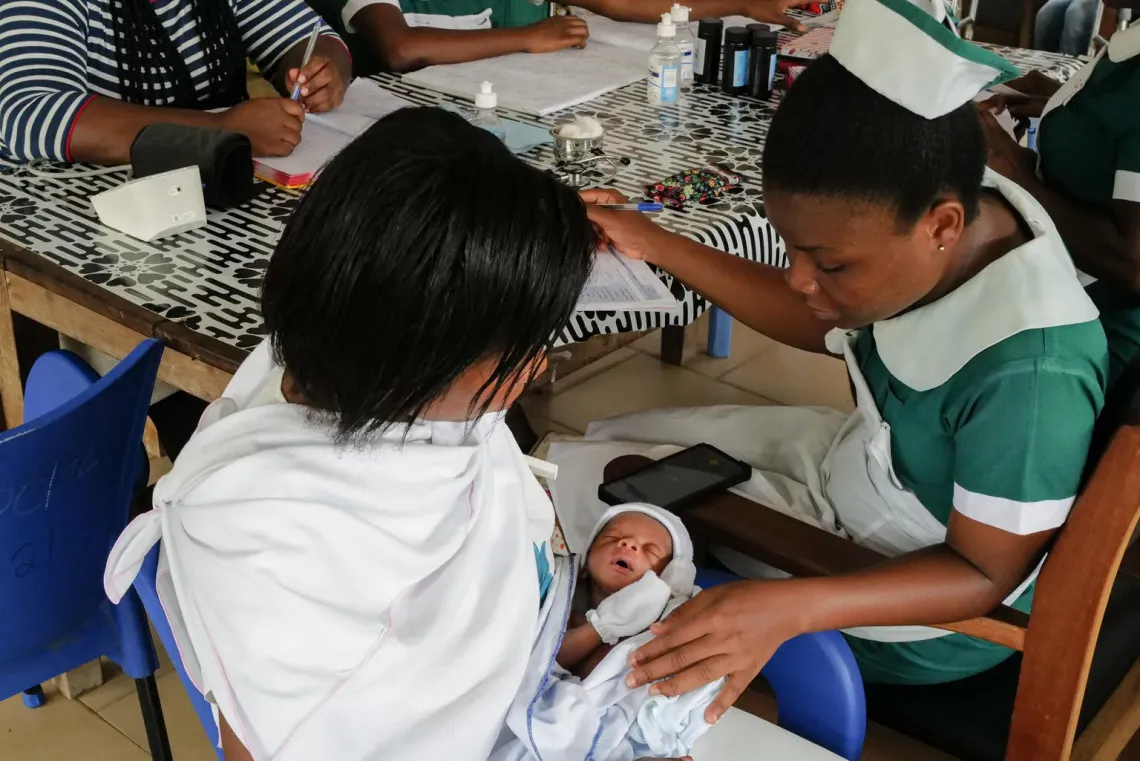
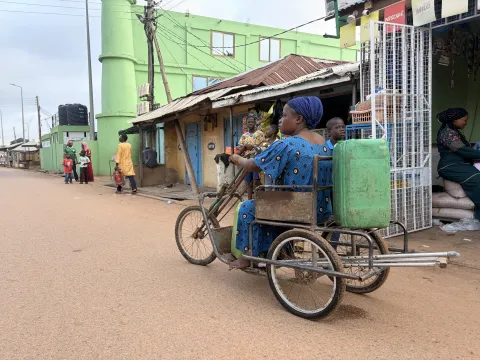
The chain begins in the delivery room. A mother is likely to start breastfeeding well when the health facility is safe and supportive. That means having clean water, places to wash hands, and working toilets for mothers recovering from delivery. Even the most skilled birth attendant still needs clean running water and soap before helping a newborn latch for the first time. Beyond the health facility, WASH remains equally important at home. In many communities, particularly in underserved and rural areas, mothers without reliable access to safe water spend hours fetching it. This is time taken directly from feeding, resting, and bonding with their newborns. Poor sanitation and hygiene also drive the diarrheal disease burden that undermines infant health, since sick mothers and contaminated environments compromise the protection and nourishment breast milk is meant to provide.
And finally, the unbroken chain follows her to work. The need for WASH does not end when maternity leave begins. Sustainable support systems mean more than maternity leave. Lactation spaces need clean water for hand hygiene and to safely wash and store expressing equipment. Without basic WASH provision, "support systems" for working mothers remain on paper, lacking one of the most critical ingredients for impact.
WASH is not simply a complement to nutrition and maternal health outcomes. It is foundational to them. When we confirm that a health facility has a functioning water point, we are, in effect, confirming whether that facility can truly support a mother's first hour of breastfeeding.
This World Breastfeeding Week, UNICEF joins the call to strengthen what already works: functional water systems in maternity wards, hygiene stations that don't run dry, and sanitation that protects both mother and child. Investing in WASH infrastructure is investing in every Ghanaian mother's ability to give her child a sustainable start in life. As we celebrate World Breastfeeding Week, let us remember that strengthening what works means strengthening the systems that make breastfeeding possible from the maternity ward to the workplace and every home in between.
Happy World Breastfeeding Week!