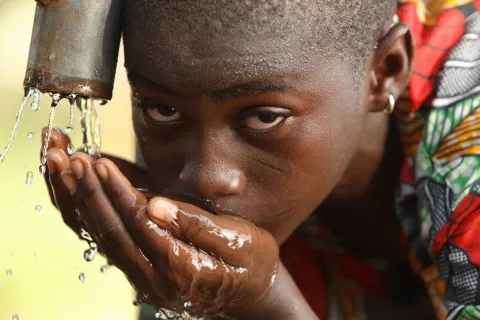
In many parts of Wa, clean water is close by. The challenge is accessing it, either at home or, sometimes, within their neighbourhoods.
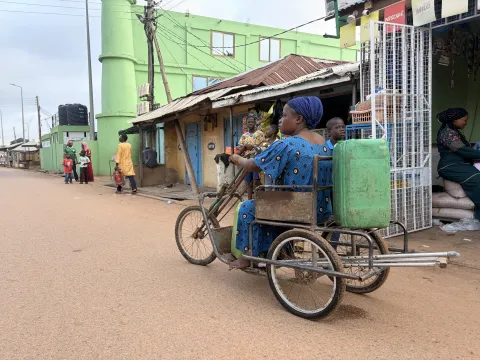
For thousands of families, daily life begins and ends with a familiar routine: carrying containers to public standpipes or to boreholes and wells, some of which may be unsafe, to fetch water for drinking, cooking, washing and other household needs. While some of these water sources provide an essential service, the time, cost and effort required to access them, coupled with the associated water safety risks, remain part of everyday life for many residents.
Against this backdrop, representatives from Ghana Water Limited (GWL), UNICEF and partners recently visited communities in the Upper West Region ahead of the implementation of a new Danish-supported initiative aimed at expanding household water connections. The visit was not about commissioning infrastructure or celebrating project milestones. It was about listening.
Across engagements with local authorities, Water Users Associations, schools, and community members, conversations repeatedly returned to a simple aspiration: bringing water closer to people's homes.

The Reality of Distance
In Sokpeyiri, a rapidly growing community in the heart of the Wa Municipality, where many residents engage in trading and farming, people spoke openly about the realities of accessing water. While public water points serve the area, many households still spend considerable time and money transporting water home, often making several trips each day.
"The water is there, but getting it to the house is the challenge," explained Seidu Nurideen, the Assemblyman for Sokpeyiri. "Every day we carry gallons back and forth. Having a water connection at home would save us time and make life much easier."
For parents and caregivers, the implications go far beyond the physical effort of carrying water. In a community where males customarily do not participate in fetching water, this daily task consumes time that women and girls could otherwise spend working, caring for children or pursuing learning opportunities.
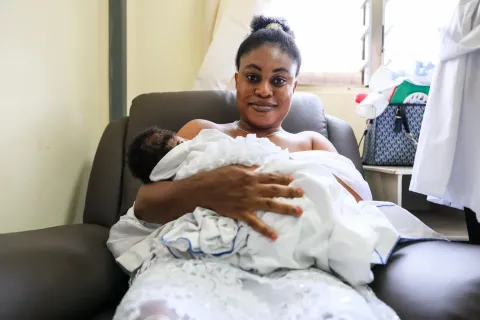
Hawa Fusieni, a mother of eight (5 girls, 3 boys), described how household water access would transform daily life for her family: "Some mornings, before the children can get ready for school, we first have to make sure there is enough water in the house. If I had running water in my home, it would mean more time for the children and less stress for my family."
These conversations highlighted an important reality: water access is not simply about infrastructure. It is also about equity and opportunity.
As Wa continues to grow, ensuring essential social services keep pace with this expansion is becoming increasingly important. In that regard, household water connections represent more than pipes and taps. They provide dignity, save time, improve quality of life and enhance resilience, especially among the most vulnerable within the Municipality.
Partnership and Local Ownership
The visit also underscored the importance of partnership and local ownership. Meetings with community leaders, regional and municipal authorities, and Water Users Associations demonstrated a shared commitment to ensuring that future investments deliver long-term benefits for residents.
"When water reaches homes, everybody benefits. We are ready to play our part in managing these facilities. When the community owns the process, the infrastructure lasts longer and serves us better."
Water Users Associations act as a vital bridge between Ghana Water Limited and the local community, bringing residents together to share, manage, and care for local water supplies.

Sustainable Development Starts with Understanding
Too often, development conversations focus strictly on what will be built. In Wa, our conversations focused on why it matters.
The upcoming investment in household water connections offers an opportunity to respond directly to what communities have identified as a top priority. It would help address the barriers to bringing safe water closer to the most vulnerable households, reducing the burden on families and contributing to healthier, more resilient communities.
For now, residents continue their daily journeys to public water points. Many of them, however, are already imagining a future when access to water will be as simple as turning on a tap at home.
"We are hopeful," said Zacharia Ibrahim, Assemblyman for Dobile. "A water connection may seem like a small thing, but for communities like ours, it would make a big difference."
In Wa, that future is increasingly within reach.