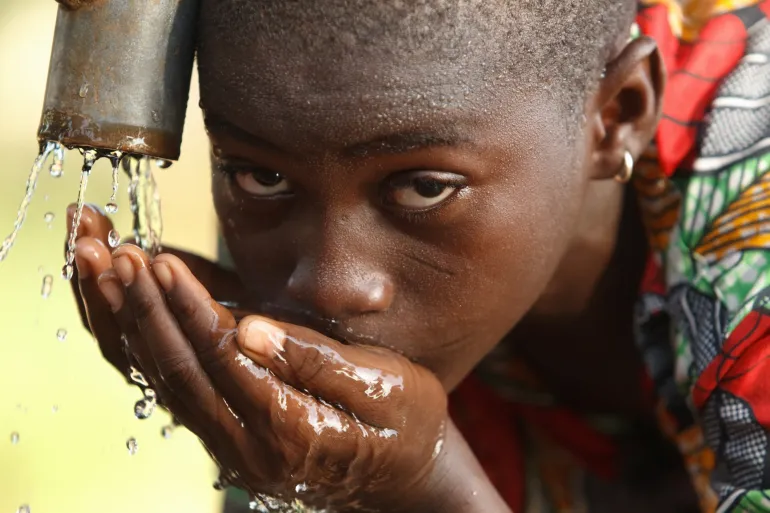
On the Day of the African Child, this is a reminder that every child has the right to safe water. In Ghana, sachet water, once used mainly during pipe shortages, is now the main source of drinking water for more than one in three households. In urban areas, the proportion is even higher. Research by Kwame Nkrumah University of Science and Technology (KNUST), supported by UNICEF Ghana and based on a survey of 911 households and other stakeholders across Ghana’s four hydroclimatic zones, shows this is not simply a matter of choice. Households turn to sachets because in many places public water services are unreliable, piped connections are considered expensive and out of reach, and many people believe sachet water is safer.
The result is a quiet privatisation of a public service: drinking water security increasingly depends on what a family can afford to spend each day, not on what the state is obligated to provide. The consequences of this shift fall hardest on children. Their immune systems are more vulnerable to pathogens that contaminate improperly stored water, their per-kilogram water intake is higher, and the long-term effects of repeated diarrhoealillness, stunted growth, learning loss, and reduced productivity can follow them for life.
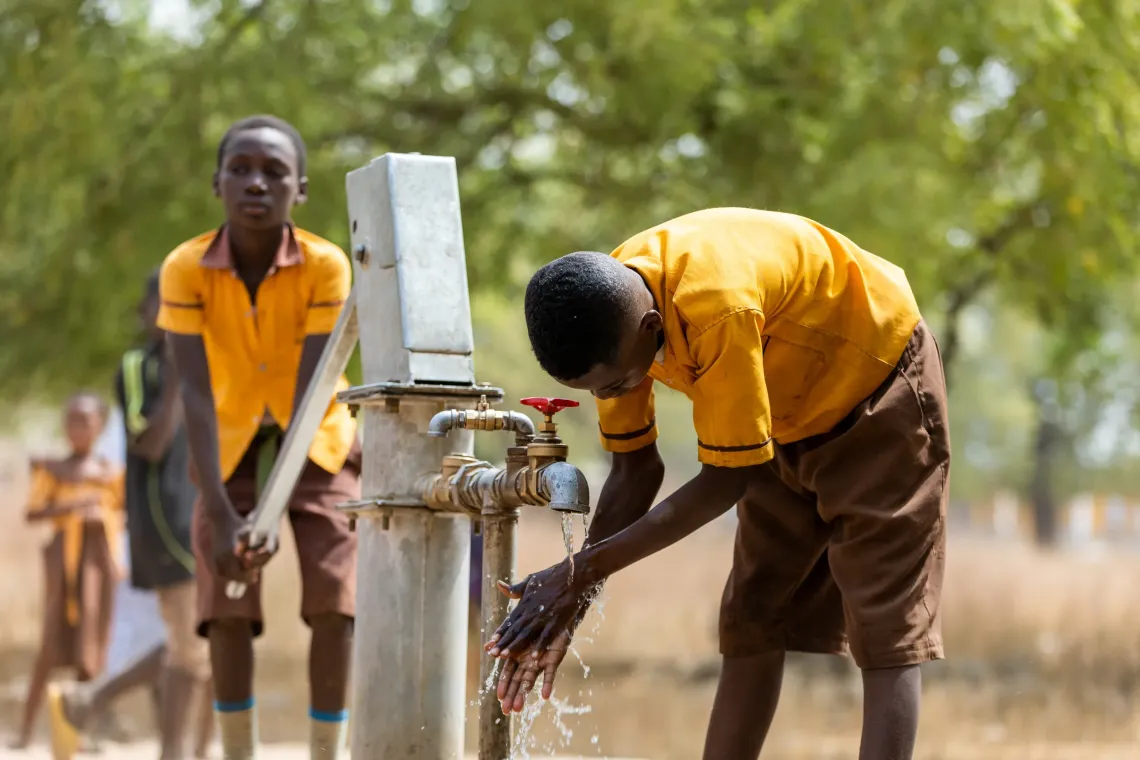
The hidden cost of sachet water dependence
The public health cost of inaction by no means theoretical; it is already being paid for. Ghana incurs approximately GHS 3.9 billion (about USD 350 million) annually in public health costs tied to sachet water dependencecosts associated with treating waterborne illness and lives lost too early. Nearly one-fifth of that burden, around GHS 753 million (about USD 68 million) every year, falls on children under five, a group that makes up just 13 per cent of the population. In human terms, this means roughly 757 diarrhoeal deaths per year are attributable to sachet-related disease pathways, including approximately 143 deaths among children under five. A sustained 20-year transition to safely managed piped water could avert around 9,100 of these deaths, including approximately 1,700 under-five deaths.
At the household level, the numbers are just stark. The average sachet-consuming household spends GHS 1,875 (about USD 168) per year on packaged water; the same volume through a residential pipe connection would cost between GHS 86 and GHS 150 (about USD 8 to USD 13) per year, freeing up roughly GHS 690 (about USD 62) per child annually, enough for supplemental nutrition, school supplies, or health insurance registration. Framed against what is actually needed, Ghana’s annual sachet-related health cost of GHS 3.9 billion (about USD 350 million) is equivalent to roughly 19 per cent of the total annual investment required under the Ghana Water, Sanitation and Hygiene Sector Development Programme and about 42 per cent of the total annual investment needed for improved water supplyservices..
Ghana is, in effect, already paying a heavy hidden price, one that could instead help finance the infrastructure that makes sachets unnecessary. The sachet market itself signals a financing opportunity. Conservatively, at least 2.78 million households rely primarily on sachet water, implying a market of roughly GHS 5.2 billion (about USD 467 million) per year, which is more than half the annual cost of meeting the sector development programme’s water supply targets. Households are already paying a hidden, inefficient “water tariff.” The challenge is finding mechanisms, including targeted connection subsidies, results-based financing, pro-poor tariff support, and blended public-private investment, to redirect part of that spending toward durable public infrastructure.
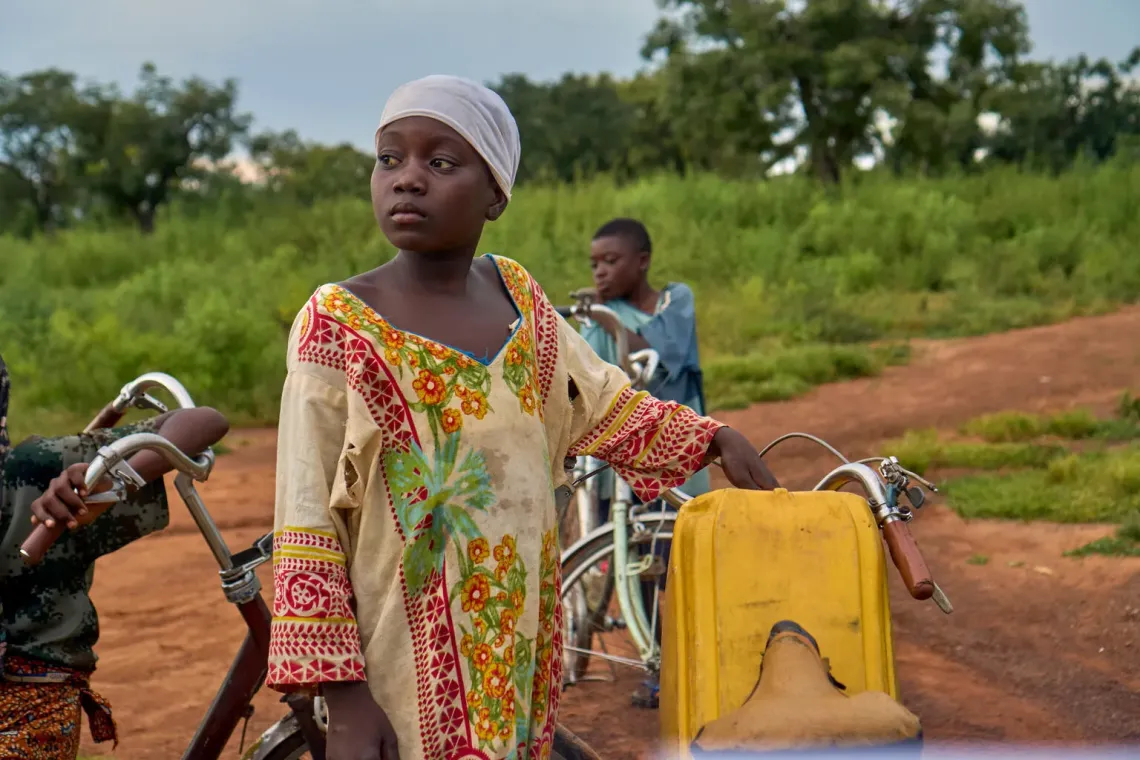
Three actions stand out as priorities:
- First, Ghana should reframe safely managed drinking water explicitly as a child survival and human capital investment, not just an infrastructure intervention. National strategies on child health, nutrition, and poverty reduction should place stronger emphasis on water access, particularly in urban and peri-urban areas where sachet dependence is highest.
- Second, rebuilding public confidence in regulated water services is both a technical and communications challenge. Improvements in service reliability and water quality monitoring must be matched with transparent public reporting and sustained behaviour change efforts that address the entrenched perception that sachet water is inherently safer than supplies from the utilities Left ununaddressed, this belief will continue to passfrom parents to children.
- Third, Ghana should activate innovative financing that treats current household sachet expenditure as latent investment capital. Targeted connection subsidies for poor households and those with young children, results-based financing tied to utility performance, and blended public-private models can simultaneously reduce the service costs to household, accelerate progress towards sector development programme targets,and strengthen the case for investing in water as a child welfare priority and a strategic choice. Safe drinking water is not only a basic service; it is a child right and a foundation for survival, learning and opportunity.