A leaking pipe. A broken standpipe. An unauthorized water connection.
These were some of the everyday challenges that came up when I sat down with Samsideen Himayat, Vice President of the Water Users Association in Tagrayiri, a community in Wa in Ghana’s Upper West Region.
When people talk about improving water services, the focus often turns to treatment plants, reservoirs, distribution networks and household connections. These are essential. But listening to Samsideen, I was reminded that water systems also depend on something less visible, but just as important: trust between the people who provide services and the communities who rely on them.
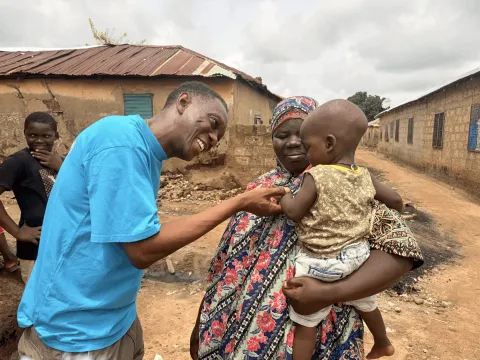
In Tagrayiri, that trust is being built household by household by the Water Users Association, a ten-member volunteer group made up of five women and five men. The group serves as a bridgebetween residents and Ghana Water Limited, helping to share information, raise concerns and keep communication open when problems arise.

For Samsideen, serving as Vice President is both rewarding and demanding. She described the work as deeply practical: meeting residents, listening to complaints, explaining processes and sometimes stepping into difficult situations before they escalate. As a woman in community leadership, she also spoke honestly about moments when her authority has been tested.
She recalled approaching a resident who was illegally tapping water, only to be dismissed. The matter was eventually resolved after the Association’s President joined the conversation. For Samsideen, the experience showed why community leadership works best when members support one another and bring different strengths to the same goal.
The Association’s role, however, goes beyond reporting faults or explaining billing issues. At times, its members become mediators and peacebuilders. Samsideen described a recent situation in which tensions rose after some households were disconnected without the notice residents had expected. Frustration grew quickly, along with penalties and mistrust.
When the Association heard that the situation could lead to confrontation, members intervened. They listened to residents, helped calm the situation and raised the issue directly with Ghana Water Limited leadership. Through dialogue, the matter was resolved peacefully.

“We may not be the service provider, but we help ensure that concerns are heard, communicated, and addressed. That trust is what keeps the relationship between the community and GWL strong,” Yahaya Munashir, President of the Tagrayiri Water Users Association.
Beyond preventing conflict, these interventions have a direct impact on families and children. When water services are disrupted or community tensions escalate, it is often children who are affected first. By helping resolve issues quickly and maintaining trust between residents and service providers, the Water Users Association helps ensure that households continue to access a service that is essential for children's health, hygiene, and wellbeing.
As our conversation continued, Samsideen returned often to the importance of shared responsibility. Residents come to the Association with questions about new connections, service interruptions and how water systems work. In turn, the Association encourages responsible water use and helps families see water infrastructure as a community asset that everyone has a role in protecting.
That local connection matters. For Ghana Water Limited, Water Users Associations help bring community realities closer to service providers, allowing concerns to be identified early and addressed before they become bigger challenges.
“Water Users Associations are essential partners in the communities we serve,” says Janet Atanya, Upper West Regional Chief Manager, Ghana Water Limited. “They help us understand local concerns, communicate important information, and resolve issues before they escalate. Their work strengthens accountability, builds trust, and helps ensure that water services remain responsive to community needs.”

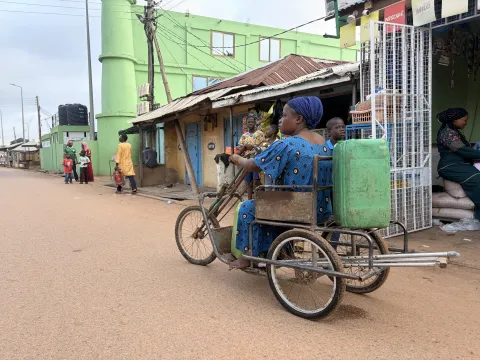
During the recent visit by the Danish Ambassador to Wa, the community had an opportunity to share these experiences more widely. While water reaches Tagrayiri through distribution points, many households still spend time and energy carrying water home. The visit underscored the importance of continued investment in solutions that bring water services closer to families, while strengthening the local systems that support them.
The upcoming Water Access and Water Efficiency for Low-Income Urban Areas initiative, supported by the Government of Denmark and implemented by Ghana Water Limited and UNICEF, presents an important opportunity for communities like Tagrayiri. Beyond expanding access to household water connections, it recognizes that sustainable water services depend on strongrelationships between utilities and the people they serve.
As Tagrayiri and other communities continue to grow, local leadership will remain essential. Water Users Associations may not build treatment plants or lay pipelines, but they help ensure that services are responsive, inclusive and rooted in people’s everyday realities.
As I left the conversation with Samsideen, one point stayed with me: water infrastructure may begin with engineering, but long-term success flows through people. In Tagrayiri, volunteers are helping build more than water access. They are strengthening dialogue, accountability and trust, so that every household has a voice in the services they depenMeta description

During the recent visit by the Danish Ambassador to Wa, the community had an opportunity to share these experiences more widely. While water reaches Tagrayiri through distribution points, many households still spend time and energy carrying water home. The visit underscored the importance of continued investment in solutions that bring water services closer to families, while strengthening the local systems that support them.
The upcoming Water Access and Water Efficiency for Low-Income Urban Areas initiative, supported by the Government of Denmark and implemented by Ghana Water Limited and UNICEF, presents an important opportunity for communities like Tagrayiri. Beyond expanding access to household water connections, it recognizes that sustainable water services depend on strongrelationships between utilities and the people they serve.
As Tagrayiri and other communities continue to grow, local leadership will remain essential. Water Users Associations may not build treatment plants or lay pipelines, but they help ensure that services are responsive, inclusive and rooted in people’s everyday realities.
As I left the conversation with Samsideen, one point stayed with me: water infrastructure may begin with engineering, but long-term success flows through people. In Tagrayiri, volunteers are helping build more than water access. They are strengthening dialogue, accountability and trust, so that every household has a voice in the services they depenMeta description