Bringing Safe Water Closer to Families in Wa, Ghana’s Upper West Region
Household piped water connections are bringing safe, reliable water closer to families while helping reduce the daily burden of carrying water home.

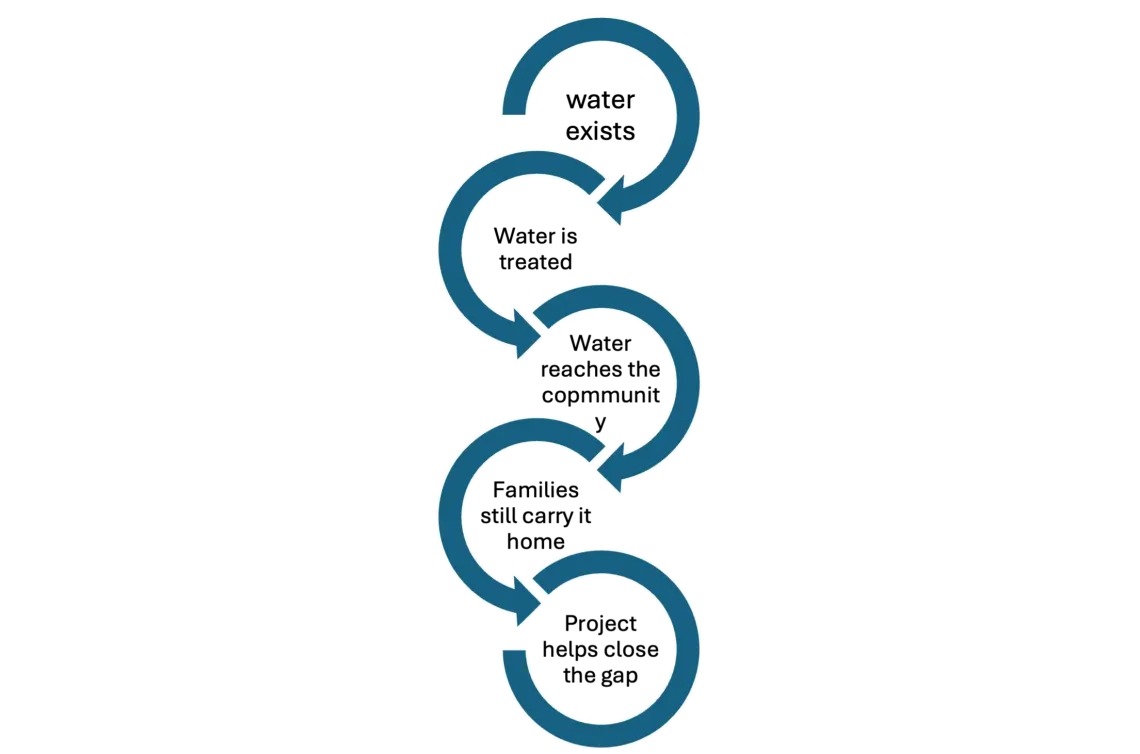
In Wa, Ghana’s Upper West Region, the journey of water begins at the Black Volta, passes through intake and treatment systems, and moves into storage and distribution infrastructure. Yet for many families in growing low-income communities without a household connection, the journey does not end at the public standpost. Water must still be collected from the public point and carried the final distance by hand, on the head, or by wheelchair.
This photo essay follows that journey from source to household. It balances the technical system that makes safe water possible with the experiences of people whose time, income, and daily routines are shaped by the last-mile connection gap. Supported by the Government of Denmark, the Water Access and Water Efficiency for Low-Income Urban Areas in Ghana initiative seeks to expand safe, reliable and climate-resilient water services to 105,000 people, including about 40,000 children, while strengthening water-use efficiency and sustainable delivery systems.
Where the journey begins.
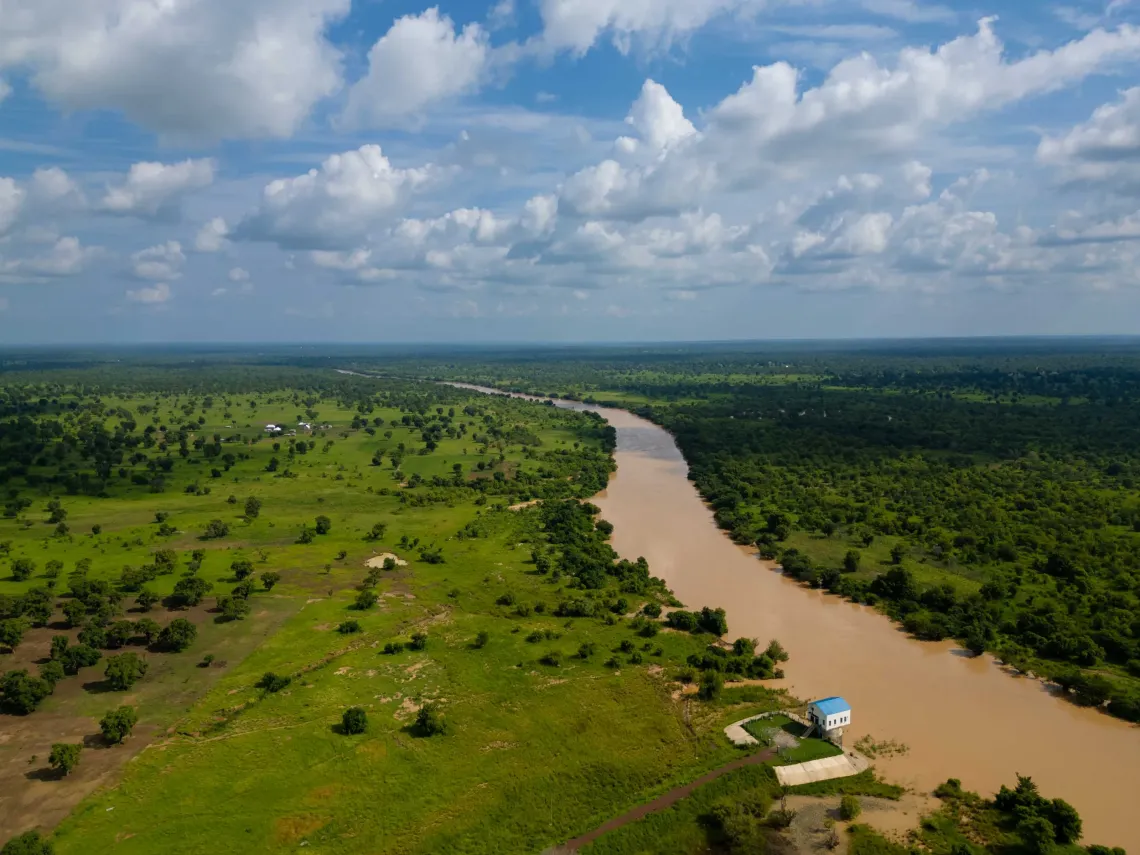
The Black Volta is the starting point of Wa’s urban water supply journey. Delivering safe water to households requires much more than a river. It requires infrastructure, partnerships, and investments that transform water at its source into safe and reliable services for families, schools, health facilities, and communities.
Drawing water into the system
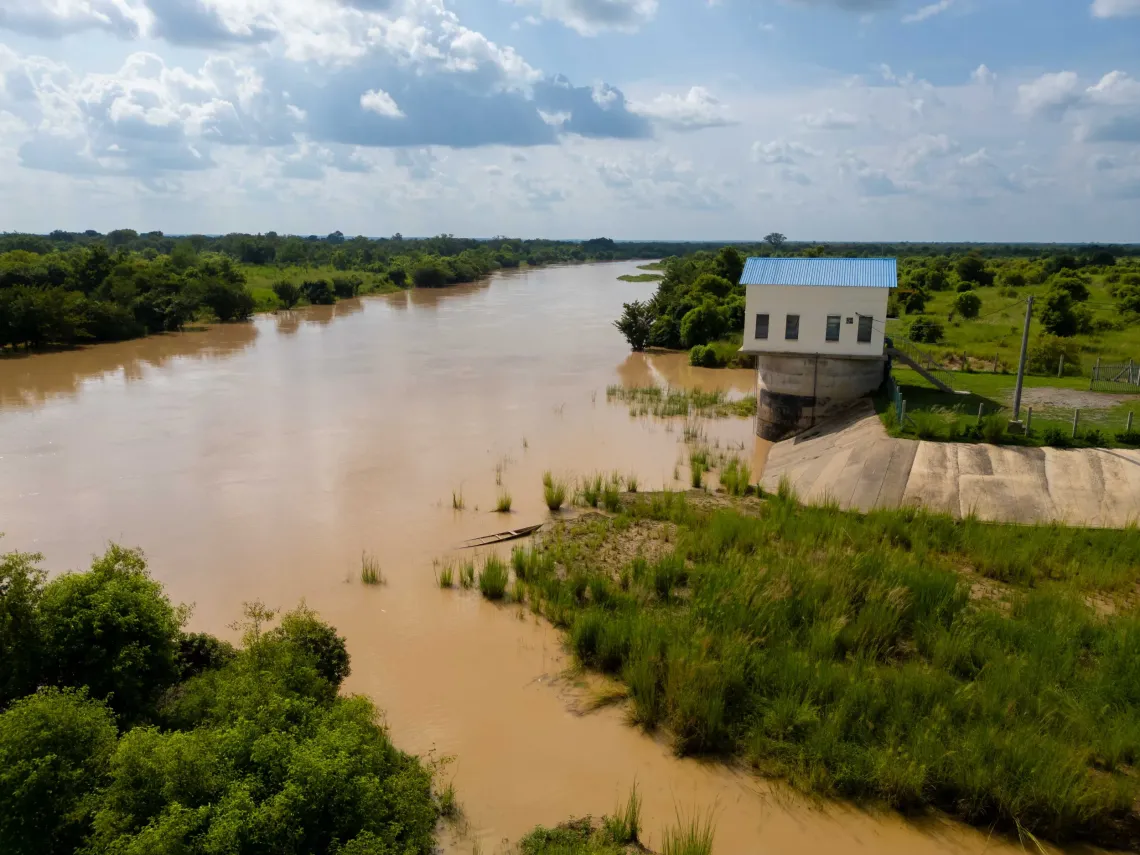
At the intake of the water treatment plant, the natural source becomes part of a managed public service. Raw water is abstracted from the Black Volta by pumps, and the raw water is sent to the treatment plant, beginning a complex process that is largely invisible to consumers.
Making water safe
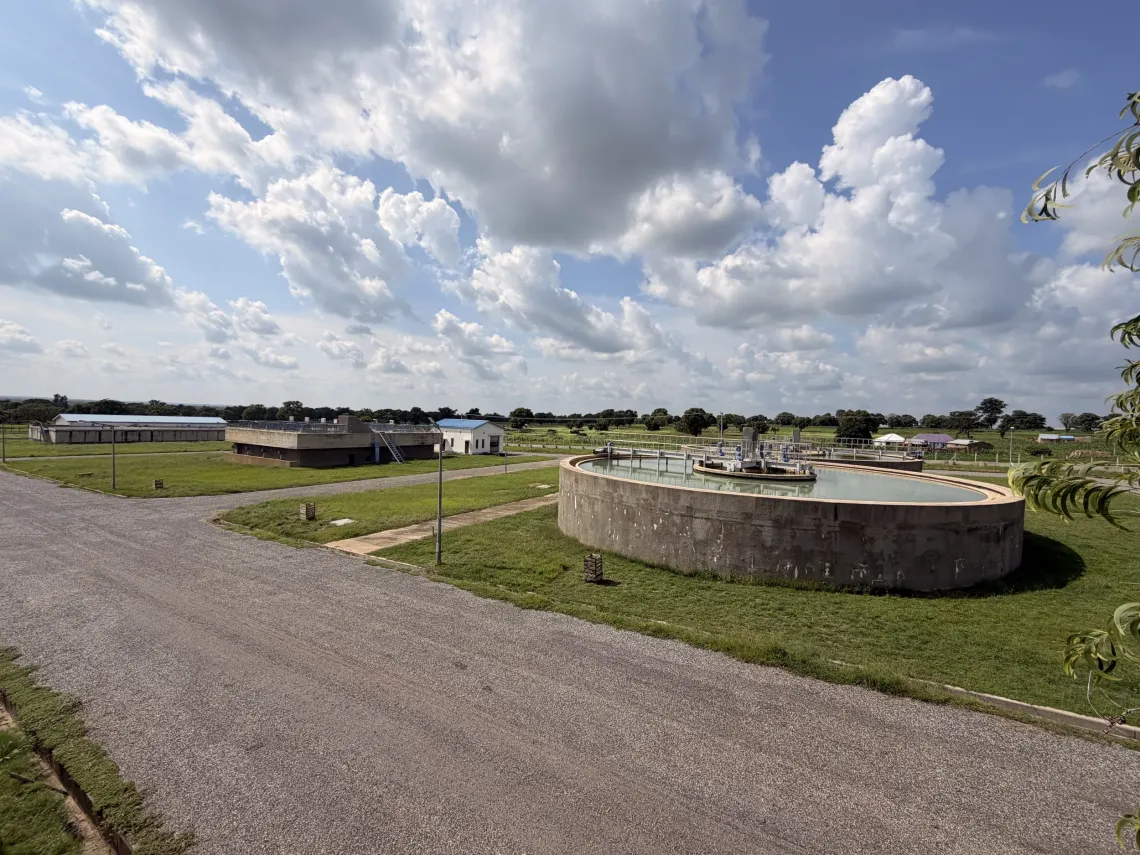
In the Jambusie Water Treatment Plant, trained Ghana Water Limited staff manage the processes that make raw water safe for consumption. The facility plays a critical role in transforming raw water into safe water for communities across Wa and beyond.
Holding water for reliable supply
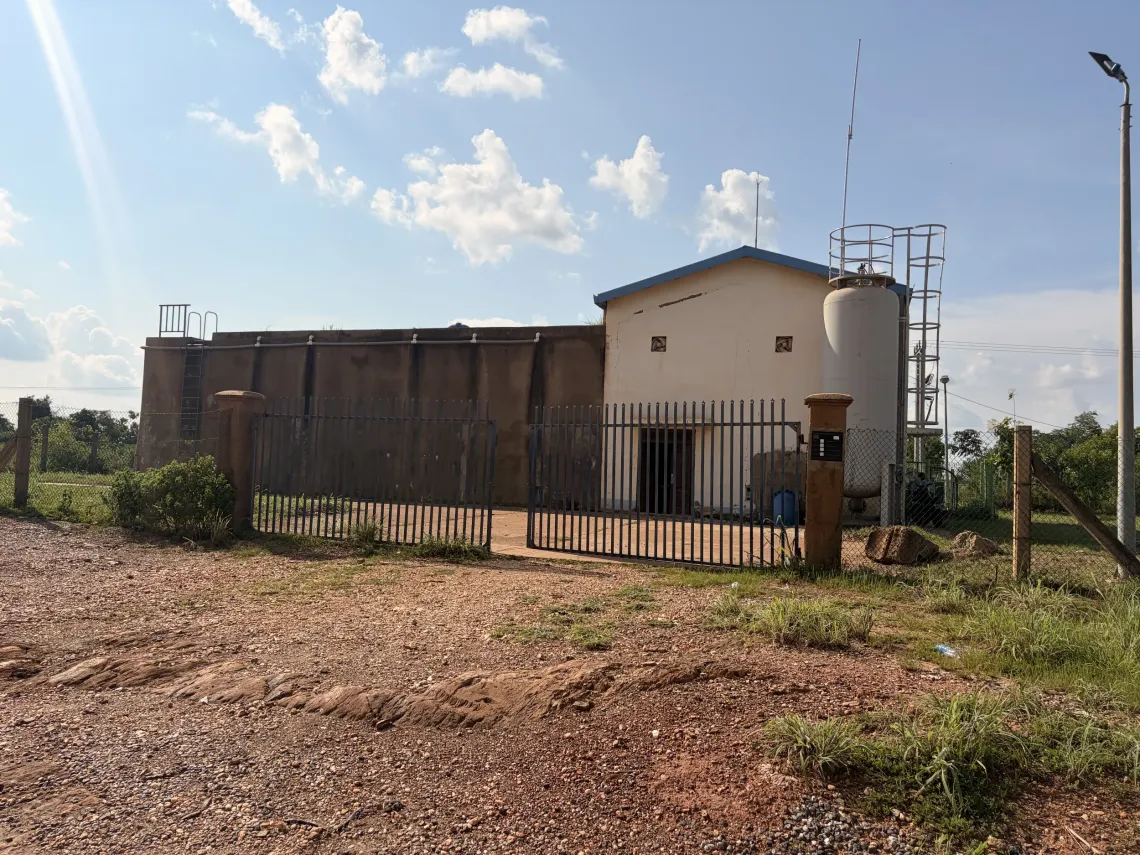
Once treated, water is stored before distribution. Reservoirs and elevated tanks create the buffer needed to move water through the network and respond to changes in demand.
Reaching the community
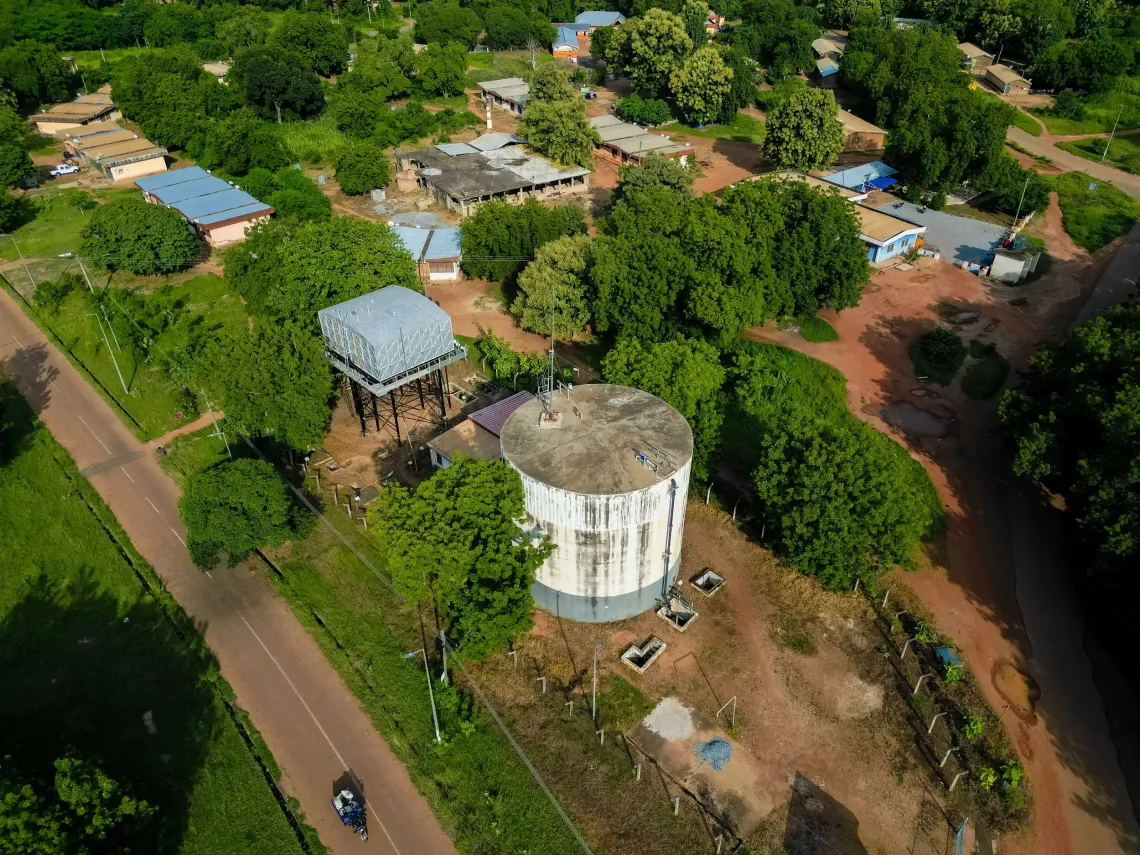
Transmission and distribution infrastructure bring treated water closer to neighbourhoods, households, schools and public water points. Community tanks and distribution systems form a critical bridge between the treatment plant and the households they are designed to serve. Yet for many families, the final connection between the network and the home remains missing.
The last-mile gap
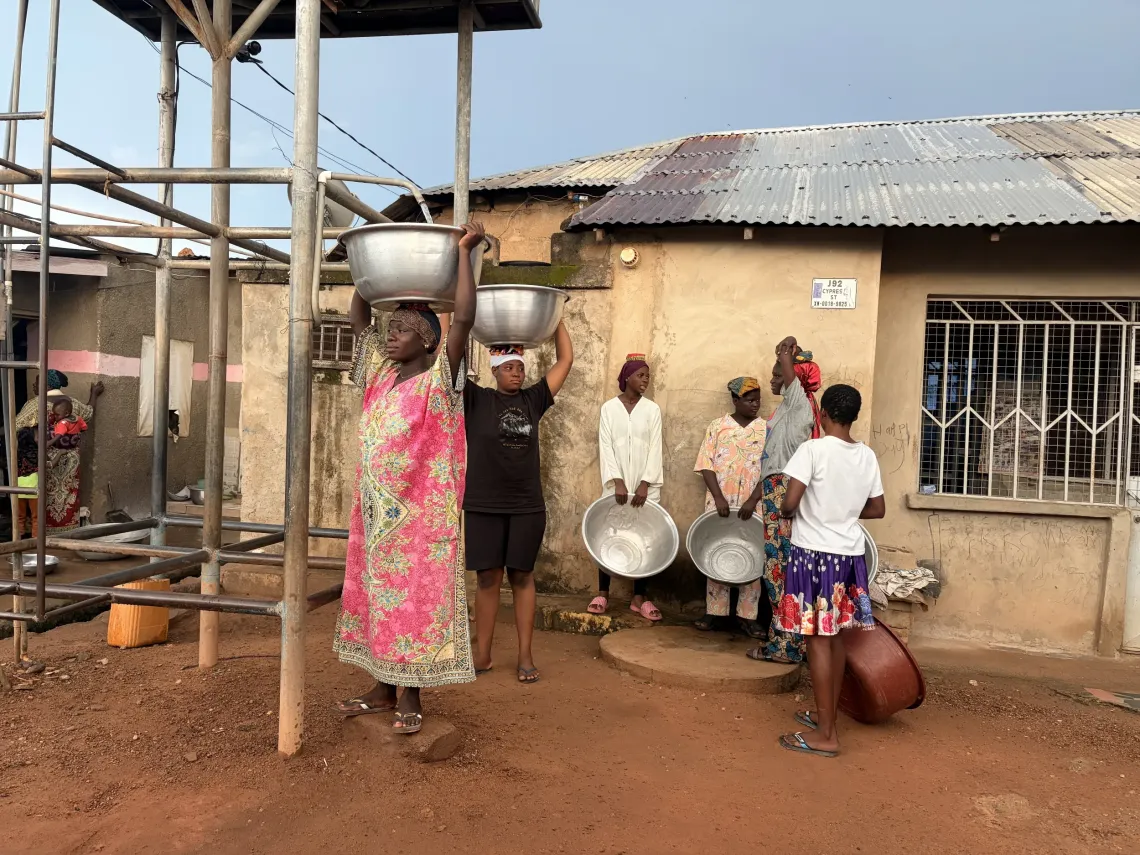
Water has reached the community, but not every household. Public standpipes remain the point of access for many families, making the final stage of the water journey a daily human task.
The cost carried home
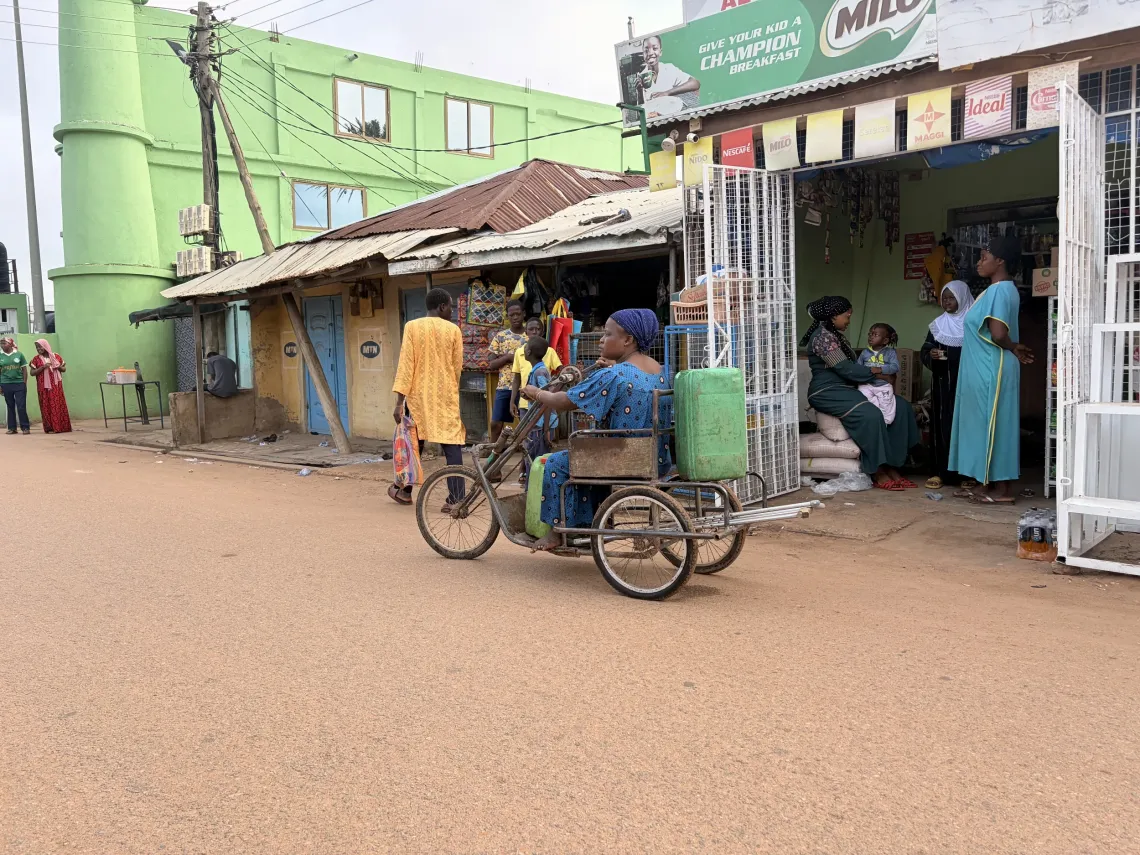
For Ajara Kwadjo, a petty trader and mother who uses a wheelchair, reaching water means travelling approximately 200 metres to the commercial water point and another 200 metres back home, with gallons secured behind her wheelchair. Each round trip covers about 400 metres, turning access into a cost measured in time, effort and missed opportunities. Women, girls and persons with disabilities often bear the greatest burden of collecting and transporting water from public points.
Water for everyday life
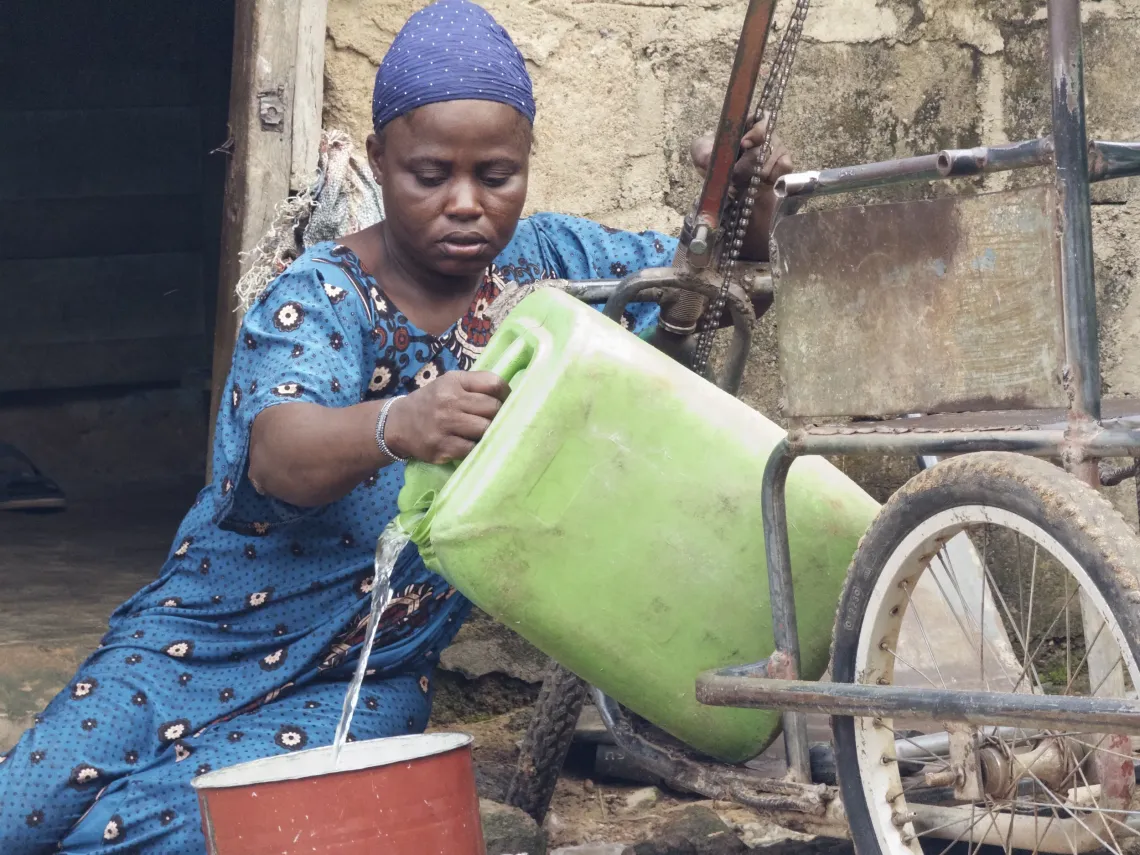
The journey continues after the water point. At home, every gallon is allocated among drinking, cooking, washing and cleaning.
Closing the distance: Water at home
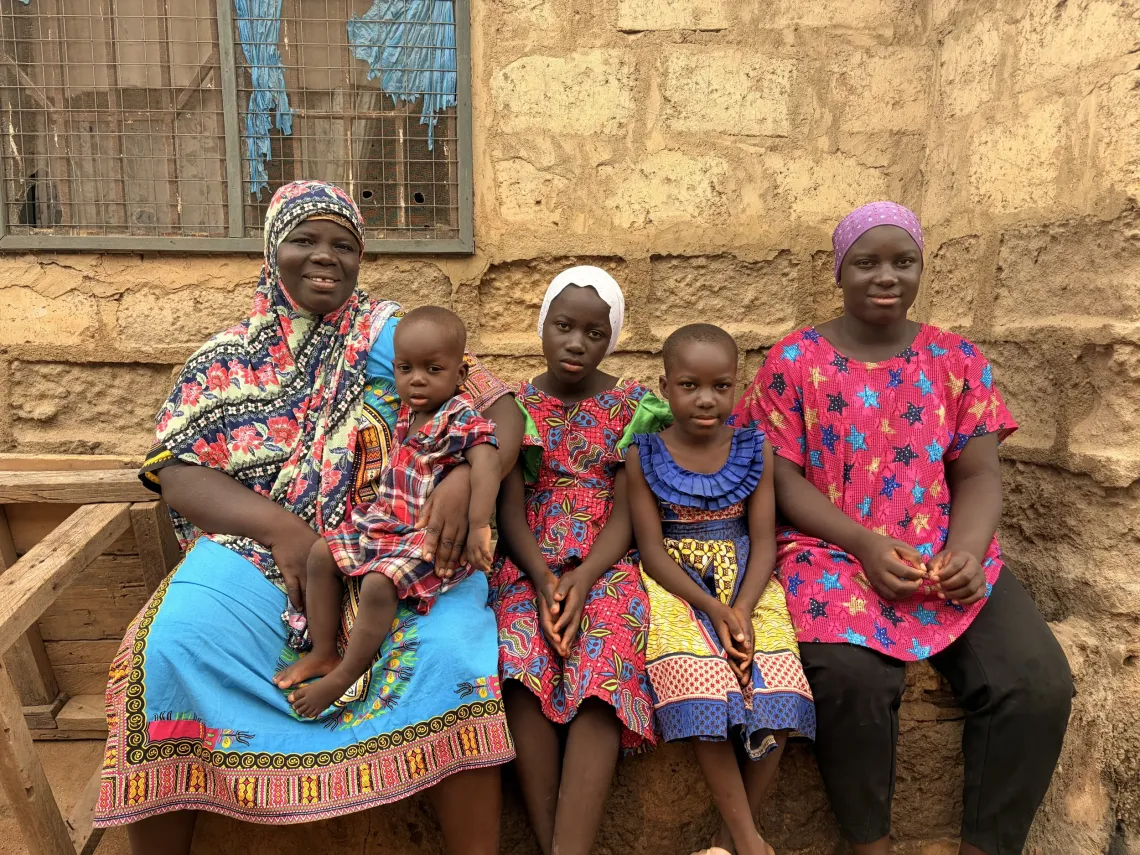
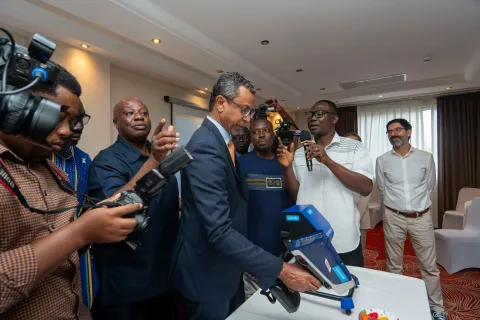
A household water connection has the potential to bring safe and reliable water closer to families while reducing the time and effort required to collect it. Supported by the Government of Denmark and implemented by Ghana Water Limited and UNICEF, the Water Access and Water Efficiency for Low-Income Urban Areas initiative aims to reach 105,000 people, including approximately 40,000 children.
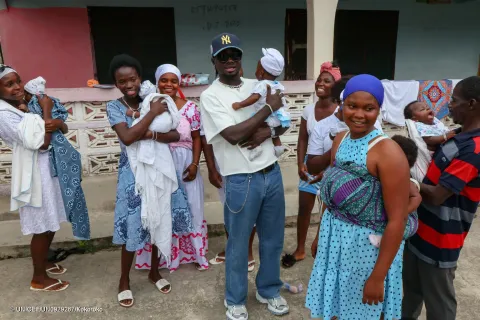
For families in Sokpeyiri, improved household water connections represent more than infrastructure. They represent time saved, burdens reduced, and opportunities created for children, women, and entire communities.
The story of water in Wa does not end at the treatment plant or distribution network. It ends at home. By helping close the final gap between water infrastructure and households, the Denmark-supported initiative seeks to ensure that more families can spend less time carrying water and more time pursuing opportunities that help them thrive.