Every child deserves to be counted: UNICEF Ghana and Kuami Eugene champion birth registration
Birth Registration Month visit to Ghana’s Eastern Region highlights persistent barriers and the urgent need to secure every child’s legal identity

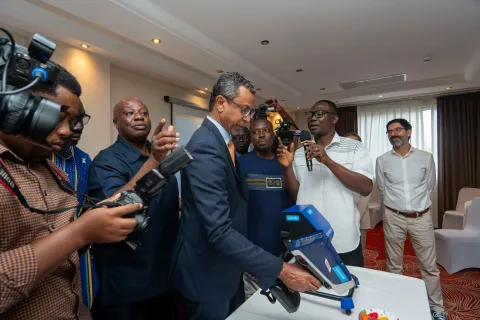
ACCRA, Ghana, 22 September 2026 – UNICEF Ghana, Births and Deaths Registry, with special invitation to Afrobeats Artiste Kuami Eugene, visited Bepoase in Ghana’s Eastern Region to mark Birth Registration Month and draw attention to the urgent need to register every child within their first year of life.
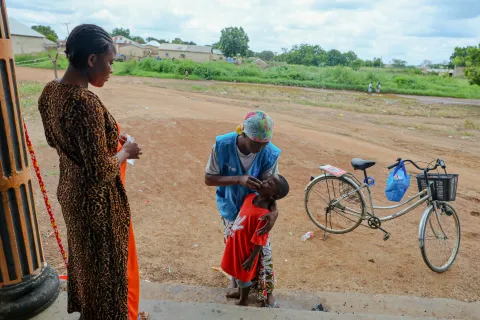
UNICEF Representative in Ghana Andy Brooks, officials from the Births and Deaths Registry and Ghanaian musician Kuami Eugene met families, community leaders and frontline registration officials. The visit spotlighted recent gains, documented the barriers that continue to prevent registration, and urged parents and caregivers to ensure that every child has a legal identity.
A birth certificate is a child’s first official proof of identity. It can help children access health care, education and social protection and, later in life, obtain a passport or national identification. Accurate registration data also enable authorities to plan and deliver services where they are needed most.
Ghana has expanded birth registration, but coverage remains uneven. By the end of 2025, 588,972 births had been registered—73.4 per cent of the expected total. Coverage in the Eastern Region rose from about 60 per cent in 2024 to 65 per cent in 2025, yet the region remained among the country’s lowest performing.
The Bepoase visit will put a national spotlight on these gaps and underscore the need for registration services that are easier to reach and better integrated into health and other community services, particularly in rural and hard-to-reach areas.
Note to editors
Persistent barriers to birth registration include:
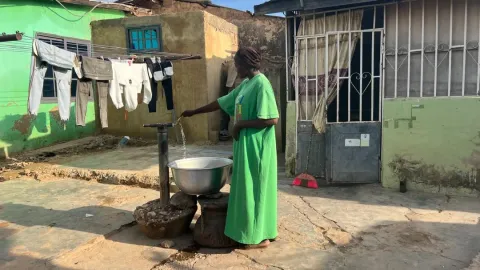
Distance and limited access: Registration offices and outreach services may be far from rural, remote and island communities. Poor roads, seasonal inaccessibility, and limited transport can make registration difficult and costly for families.
Resource constraints: Limited staffing, transport, information and communications technology equipment and community-level registration points can restrict outreach and service delivery.
When a child is not registered, they may face:
No proof of legal identity: A child may not be officially recognised by the State, making it difficult to establish their name, age, place of birth, nationality or family relationships.
Exclusion from essential services and protection: Without proof of birth, children may face barriers to education, health care, social protection, passports and national identification, and may be more vulnerable to exploitation.
Media contacts
About UNICEF
UNICEF, the United Nations agency for children, works to protect the rights of every child, everywhere, especially the most disadvantaged children and in the toughest places to reach. Across more than 190 countries and territories, we do whatever it takes to help children survive, thrive, and fulfil their potential. For more information about UNICEF and its work, please visit and follow UNICEF Ghana on LinkedIn, X, Facebook, Instagram, TikTok and YouTube.