

Breastfeeding
A Mother's Gift, for Every Child
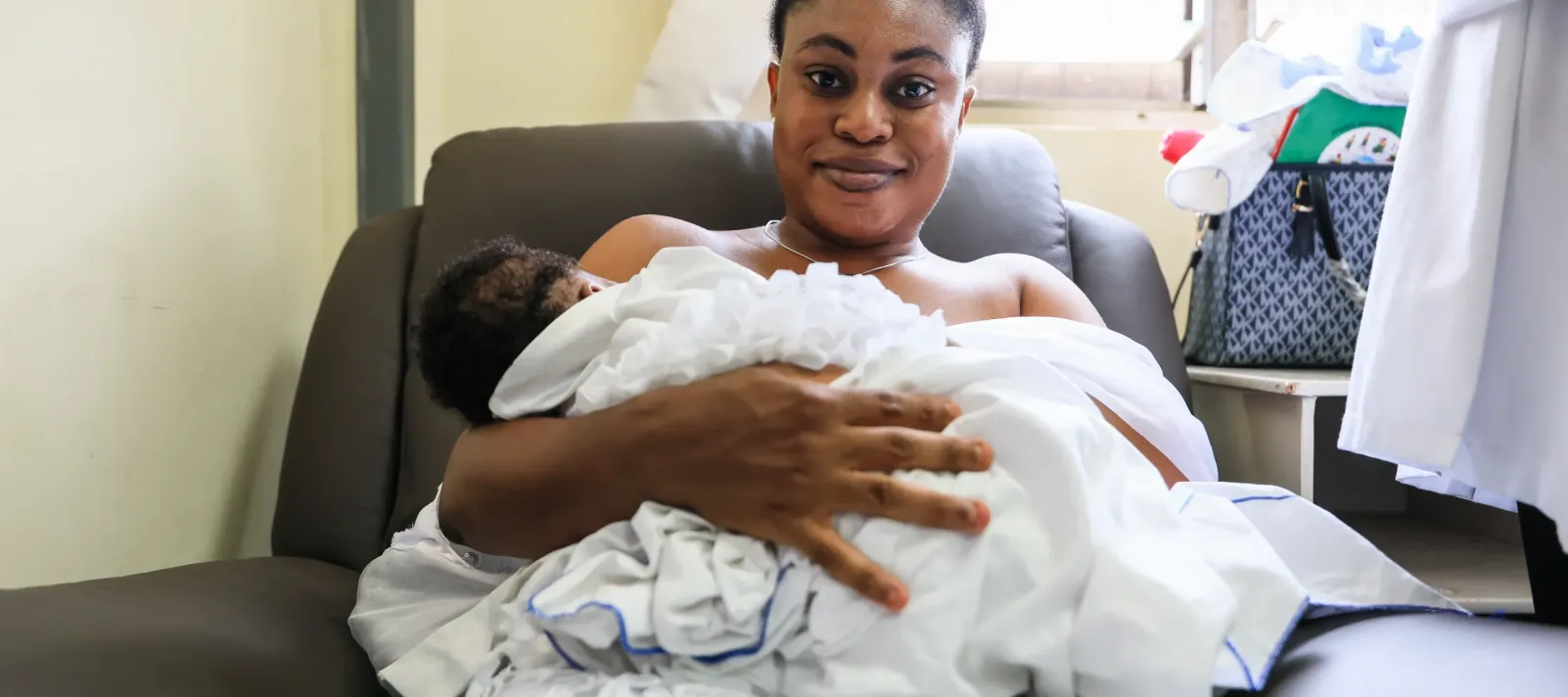
Breastfeeding should begin within the first hour after birth and continue exclusively for the first six months of a child's life. It can then be continued for up to two years or beyond, alongside safe and appropriate complementary foods. This practice is one of the most effective ways to promote child survival and well-being.
World Breastfeeding Week, celebrated from August 1 to 7, provides an opportunity to emphasise the significance of breastfeeding for children’s survival, development and overall well-being worldwide. This year’s theme, "Breastfeeding for a Sustainable Start in Life: Strengthen What Works," focuses on building on proven breastfeeding interventions rather than reinventing new approaches. It emphasises tracking progress, measuring impact and scaling up strategies that have already been shown to improve breastfeeding outcomes.
Did you know that every US$1 invested in breastfeeding support can return up to US$59? Investing in breastfeeding can save US$357 billion over the next 10 years. Closing the gap can pay for itself many times over. Each year, UNICEF highlights the progress made in exclusive breastfeeding while also addressing the challenges that remain. These challenges include the slow decline in exclusive breastfeeding rates, the timely initiation of breastfeeding, and the lack of breastfeeding spaces for working mothers. UNICEF is calling on all relevant actors to:
- Ensure adequate funding to support breastfeeding programs.
- Protect breastfeeding from commercial influence and fully implement the Code of Marketing of Breast-milk Substitutes in health facilities.
- Strengthen breastfeeding support in health facilities.
- Strengthen community structures to support breastfeeding.
In Ghana, very few institutions, including UNICEF Ghana, have dedicated spaces for working mothers to breastfeed. Additionally, with UNICEF's support, the Food and Drugs Authority (FDA) has developed an abridged version of Ghana’s Breastfeeding Promotion Regulation, first introduced in 2000, known as Legislative Instrument (L.I.) 1667.
Click below to learn more about the L.I. and report any violations: