A Lifeline Just When I Needed It Most as a Mother
How UNICEF's Maternity Leave Policy Transformed My Motherhood Journey

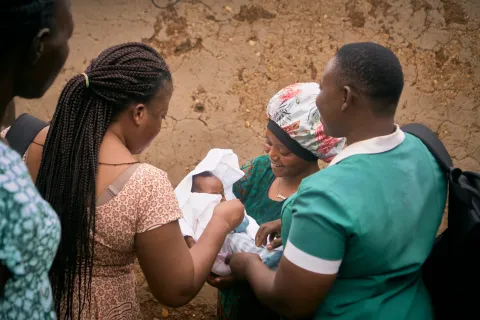
As a staff member at UNICEF, I never imagined that the organisation's policies would bring me such immense joy and relief until I gave birth to my adorable twins, Kwamena and Ewurama, after years of seeking the fruit of the womb. Holding them in my arms for the first time, I felt an overwhelming rush of love and gratitude. But as any new mother would attest, caring for two babies is a difficult task. I knew I needed to prioritise their care.
That's when UNICEF's maternity leave policy became a true lifesaver—the six months of paid leave allowed me to focus entirely on my babies' needs without the added stress of work. I was able to exclusively breastfeed them, providing them with essential nutrients and antibodies that would boost their immune systems. I was also able to bond with them in a way that I wouldn't have thought possible. The skin-to-skin contact, the late-night feedings, and the early morning cuddles- it was all so incomparable. I felt happy and satisfied knowing that I was giving them the best start in life.

The Importance of Maternity Leave
Maternity leave is vital for supporting working mothers and ensuring the well-being of both mother and child. It allows new mothers to recover from childbirth, establish breastfeeding, and bond with their newborns, which is crucial for the child's healthy development and the mother's mental health.
Research shows that longer maternity leaves enable mothers to initiate and sustain breastfeeding, reduce postpartum depression rates, and better navigate new parenthood. This time off fosters early-life bonding, essential for the child's social and emotional development, leading to improved cognitive and physical outcomes.

UNICEF's Commitment to Family-Friendly Policies
UNICEF's maternity leave policy reflects its commitment to supporting employees and their families. By offering six months of paid leave, UNICEF values the caregiving role of new mothers and prioritises their well-being. This policy fosters a more inclusive work environment, enhancing employee engagement and loyalty. Additionally, UNICEF provides paternity leave, flexible work arrangements, and on-site childcare, promoting a work-life balance that helps employees thrive both personally and professionally.
The Impact on My Motherhood Journey
Returning to work made me nervous about balancing everything, but UNICEF's ongoing support was invaluable. They provided breastfeeding breaks, which helped me care for my babies while resuming my responsibilities.
The six months of paid leave allowed me to focus solely on my twins’ needs without work and stress. I could exclusively breastfeed, bond through skin-to-skin contact and enjoy late-night feedings and early morning cuddles.

Maternity leave policy isn't a just benefit; it is a lifeline
Looking at my thriving twins fills me with gratitude. UNICEF's maternity leave policy wasn't just a benefit; it was a lifeline that allowed me to care for my babies while managing my career, and for that, I am deeply thankful.
I'm proud to work for an organisation that values family and supports working parents. To all employers out there: policies like these don't just support employees-they change lives. By investing in the well-being of their staff and their families, organisations can create a more inclusive, supportive, and productive work environment that benefits everyone.