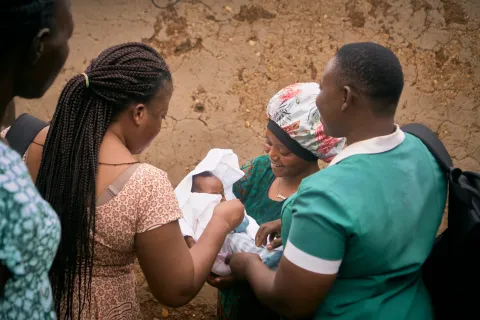
Why Exclusive Breastfeeding Matters
The Science Behind Exclusive Breastfeeding: A Path to Healthier Babies

Every child deserves the healthiest start in life, and one of the most effective ways to ensure this is through exclusive breastfeeding for the first six months. Despite its life-saving benefits, only about half of infants in Ghana are exclusively breastfed during this crucial period.
One of the most common barriers to this is the practice of giving water to newborns, even though breast milk is 88% water and ideally suited to meet a baby’s needs, even in hot climates.
So, why is exclusive breastfeeding so important?
- It Saves Lives
Exclusive breastfeeding can prevent up to 520,000 child deaths globally in the next ten years. Initiating breastfeeding within the first hour after birth can reduce Newborn deaths by 20%.
- It Protects Against Deadly Diseases
Breast milk strengthens a baby’s immune system. It reduces the risk of diarrhea by 11 times and the risk of pneumonia by 15 times.
- It Fuels Brain Development
Breast milk contains essential nutrients, particularly fats like DHA, that support healthy brain growth and early learning.
4. It Supports Healthy Growth
Breast milk provides 100% of the nutrients a baby needs during the first six months, promoting balanced weight gain and reducing the risk of undernutrition or obesity.
- It Builds Bonds and Lowers Costs
Breastfeeding fosters emotional bonding between mother and baby, and it is completely free saving families money and eliminating the risks associated with unsafe bottle feeding.
Here are the key points that are essential to know.
- Breast milk naturally adapts to meet your baby’s nutritional needs as they grow.
- Even in hot climates, babies do not need additional water; breast milk alone is sufficient.
- Supporting mothers with safe spaces at work and in public can make exclusive breastfeeding more possible and sustainable.
- Exclusive breastfeeding is more than just nutrition; it provides protection, fosters connections, and lays the foundation for lifelong health.