Some professional experiences stay with you long after an event ends, not only because of where you were or who was in the room, but because they reshape how you understand your work, your responsibility and your purpose. For me, one such moment happened in Nairobi, Kenya, where I joined some of Africa’s trusted digital creators, storytellers and communicators for a timely conversation on inclusive child survival storytelling.
As a Digital Communication Officer, I work every day with stories, platforms, campaigns and audiences. Yet the Influencer Co-Creation Workshop convened by UNICEF reminded me that every communication product must begin with deeper questions: Does this story protect dignity? Does it build trust? Does it reflect the voices, choices and lived realities of the children, families and communities being represented?
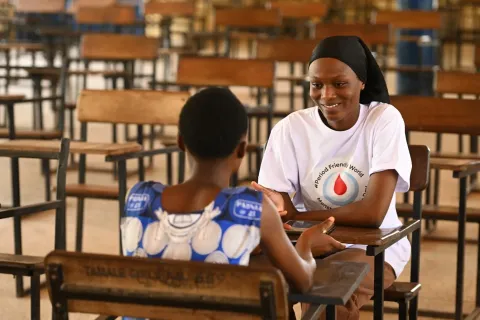
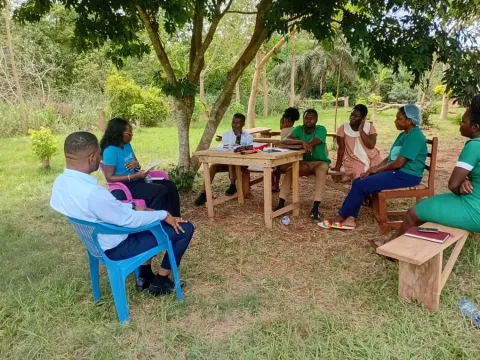
The workshop brought together African creators, communicators and influencers to explore how child survival stories can be told with honesty, care and impact. More importantly, it reinforced the need to create stories with communities, not merely about them so that the content reflects local voices, lived experience and shared ownership. It was a powerful reflection on the responsibility of digital storytelling in advancing child rights, health and survival.


For too long, many stories about Africa and child survival have been shaped from outside the communities they describe. Even when well-intentioned, such stories can overlook people’s agency, strength, culture and resilience. In the room, I was reminded that the future of child survival storytelling must be led by voices that understand the context from within and can tell these stories with dignity, accuracy and care.
What stood out most was the diversity of voices in the room. Some creators had large online audiences; others worked within smaller but deeply engaged communities. Whether they used humour, education, local languages or personal stories, they shared one commitment: to create authentic digital content that informs, respects and serves people honestly.
From my perspective, this was a powerful reminder that reach and engagement are not enough. A child survival story may travel widely across digital platforms and still fail ethically if it misrepresents people, removes their agency or presents their reality without proper context.
The discussions made me think more carefully about the choices we make before publishing. Whose voice is centred? Has informed consent been given? Does the story protect the dignity of the child or family involved? These questions are not secondary to advocacy and communication work; they are central to ethical storytelling and responsible digital communication.


Consent was one of the strongest lessons for me. In digital communication, images, videos and stories can move quickly across platforms and reach audiences far beyond their original context. This makes it essential that people understand how their image, voice or story will be used, where it may appear and why it is being shared.
The workshop also challenged me to think differently about collaboration. Strong storytelling is not produced only for communities; it is developed with them. It listens first, values local knowledge and avoids reducing children and families to need, vulnerability or hardship alone.
I left Nairobi with a renewed sense of responsibility. My role is to help ensure that communication strengthens trust, reflects community voice and supports meaningful action for children. For UNICEF and partners working across Africa, this kind of storytelling can help move audiences beyond awareness toward understanding, empathy and action.


Going forward, I want to carry these lessons into my work by asking more intentional questions before publishing: Have we listened enough? Have we protected dignity? Have we secured informed consent? Are we creating space for communities to speak in their own voice?
As African storytellers continue to lead these conversations, we have an opportunity to show child survival not only through need, but also through resilience, partnership and possibility. That is the kind of inclusive storytelling that builds trust, strengthens advocacy and moves people from awareness to action.
As communicators, creators and advocates, we all have a role to play in shaping how child survival stories are told. Let us choose storytelling that listens first, protects dignity, secures informed consent and amplifies community voices. By doing so, we can build trust, strengthen advocacy and inspire action for every child.