I did not know I was pregnant until I met Madam Amina during a visit to the Bupeila Community Hospital. For about two months, I had been feeling uneasy, but I could not tell what was wrong. My menstrual flow had slowed, but I assumed everything was normal. I also experienced abdominal pains, yet I did not fully understand what was happening to my body until I decided to visit the hospital.
It was there that I was introduced to Madam Amina, the community midwife and health worker who attended to me. During our conversation, she asked me to run some tests. That was when I discovered I was pregnant. The news came as a shock because I believed I had been doing fine all along. I was confused and scared, but Madam Amina immediately stepped in with reassurance and care.

From Confusion to Motherhood
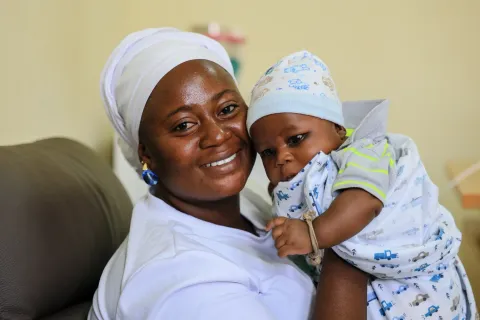
My name is Fouzia 19 years of age and today I am a mother to a baby girl who is two months old. Looking back, I truly attribute my safe pregnancy and delivery to the support, guidance, and dedication of Madam Amina. She stood by me every step of the way, and my husband (not married yet but cohabitation) and I will forever be grateful to her.
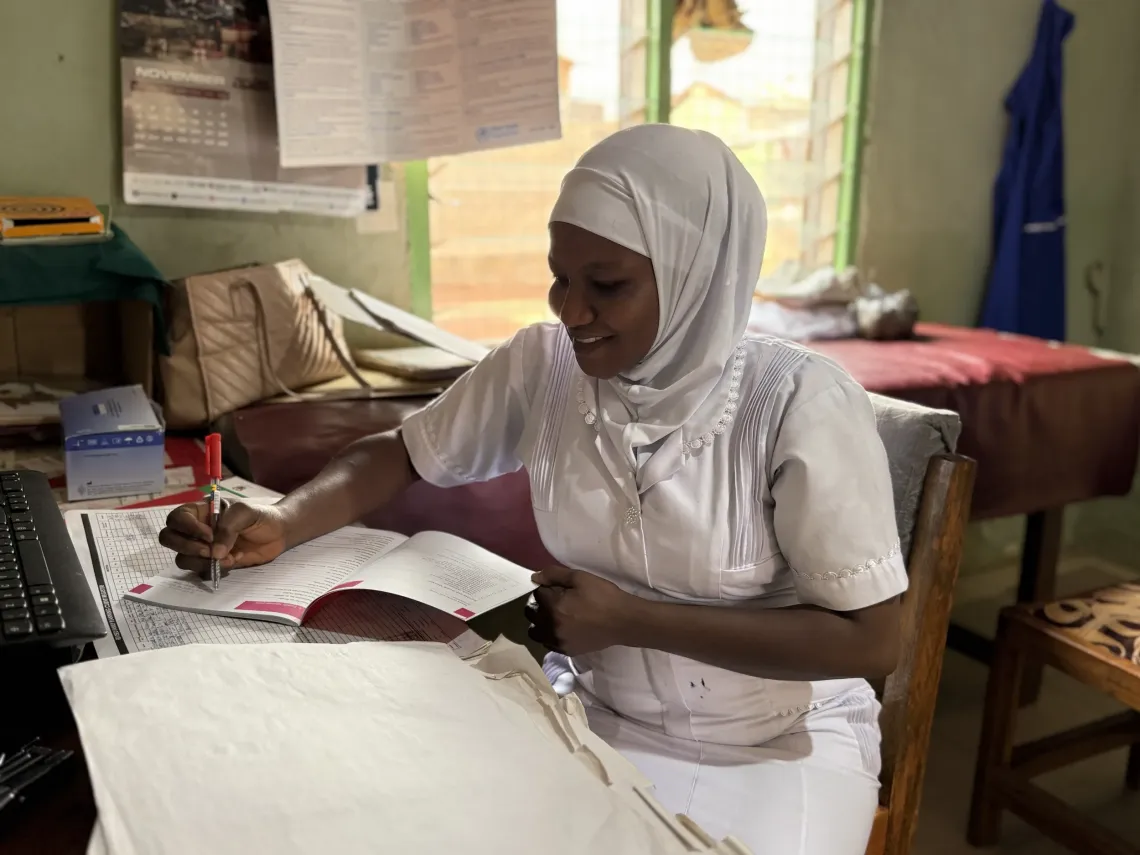
Madam Amina is not only a community midwife and nurse at Bupeila Hospital; she is also the focal person who runs the Adolescent Safe Corner in the community. She has worked at the community health hospital for the past four years, and she describes it as an absolute honor to serve in this role. Through her work, she has witnessed firsthand one of the biggest challenges facing the community: adolescent pregnancy.
In 2025, up to 17,300 adolescent girls were registered at the Antenatal Care (ANC) clinic in the northern region of Ghana. This represents up to 9 percent of all Antenatal Care attendants in the region.
According to her, many young girls end up pregnant before they are ready, and their futures are often put on hold because they must take care of a child while they are still children themselves. Adolescent pregnancy is a driver and consequence of child marriage in Ghana. It is critical to support pregnant girls and adolescent mothers to receive gender-responsive and adolescent-friendly healthcare for prevention and response to child marriage.
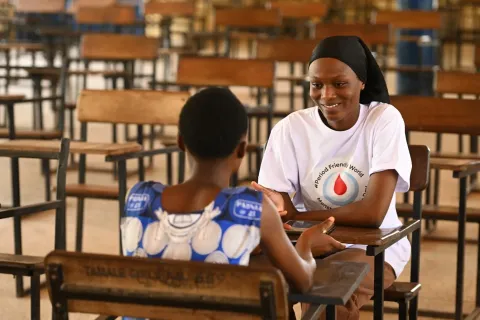
Since becoming the focal person for the Adolescent Safe Corner, she has made it her mission to go beyond the hospital walls. She regularly visits schools to engage adolescent girls, offering reproductive health talks and encourages them to stay safe, avoid adolescent pregnancy and child marriage, and continue their education so they can build a better future.
She also moves from house to house, speaking directly to adolescent girls and their parents about how to protect young girls from adolescent pregnancy and child marriage, which is widespread in the community. She often shares how painful it is for her to see young girls pregnant, knowing how much potential they have and how much more they could achieve.
A Holistic Approach to Care
At the health facility, Madam Amina does far more than check vitals or take pulse readings. She takes time to listen, to counsel, and to truly understand what adolescents are going through. When possible, she offers solutions that go beyond medical treatment, addressing emotional and social challenges as well.
Through the Adolescent Safe Corner, she has helped create a safe, non-judgmental space where young people can speak freely, sometimes about health issues, and other times about their overall well-being.
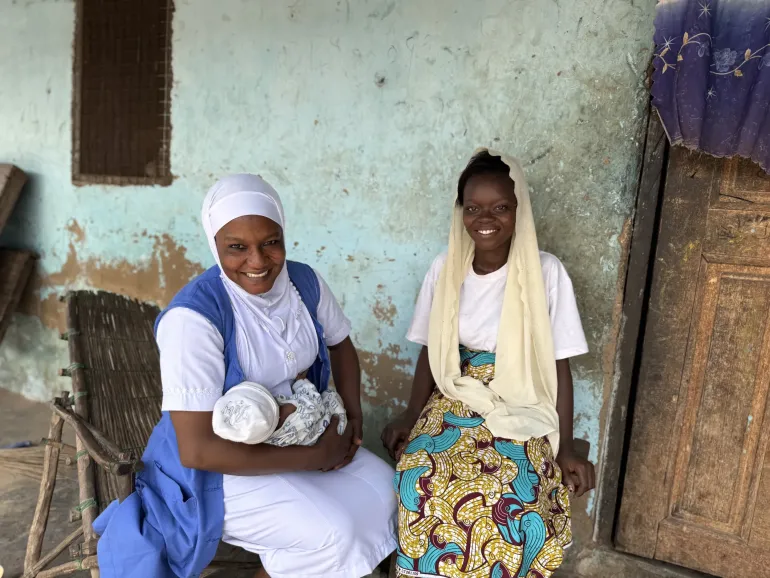
It was through this work that she met Fouzia, an adolescent girl who came to the facility while pregnant and living with her partner. Through counseling and medical examination, Madam Amina confirmed the pregnancy. Fouzia was confused and unprepared for motherhood, but with continuous counseling and support from the Safe Corner, she gradually became ready.
Madam Amina went a step further by engaging the man responsible for the pregnancy and his family, helping to create a safe and supportive environment for Fouzia. As a result, she never missed her Antenatal Care visits. Whenever she did, Madam Amina followed up by visiting her at home to check on her progress. Even after delivery, she continued to visit to ensure both mother and baby were doing well.
Over time, the community has embraced the Adolescent Safe Corner and become very supportive of the work being done. Community members now actively refer adolescent girls to the facility. Since the establishment of the Safe Corner, there have been noticeable changes: teenage pregnancy rates are reducing, adolescents feel more comfortable visiting the hospital, and more young people are accessing family planning services. Recorded abortions have also decreased.
For Madam Amina, the Adolescent Safe Corner is a blessing to the community. It has created trust, protection, and hope for young people. She remains proud and deeply fulfilled to be part of a team that is leading positive change, one adolescent girl at a time.

What is an Adolescent Corner?
An adolescent corner is a safe, confidential space that offers adolescents support, information, education, and health services. Typically located in schools, health facilities, or trusted communities, these corners address unique needs such as sexual and reproductive health, family planning, Sexually Transmitted Diseases (STDs) and menstrual care, contraception, career guidance, life skills, and empowerment programs.
They help young people navigate challenges and build confidence, self-esteem, and healthy relationships while bridging gaps in healthcare and support systems. Although traditionally physical spaces, the concept now extends to broader service delivery points, including dedicated areas, integrated facility services, and outreach programs.