It Takes a village to raise a child.
Miriam’s Story of Breastfeeding, Resilience, and Advocacy.
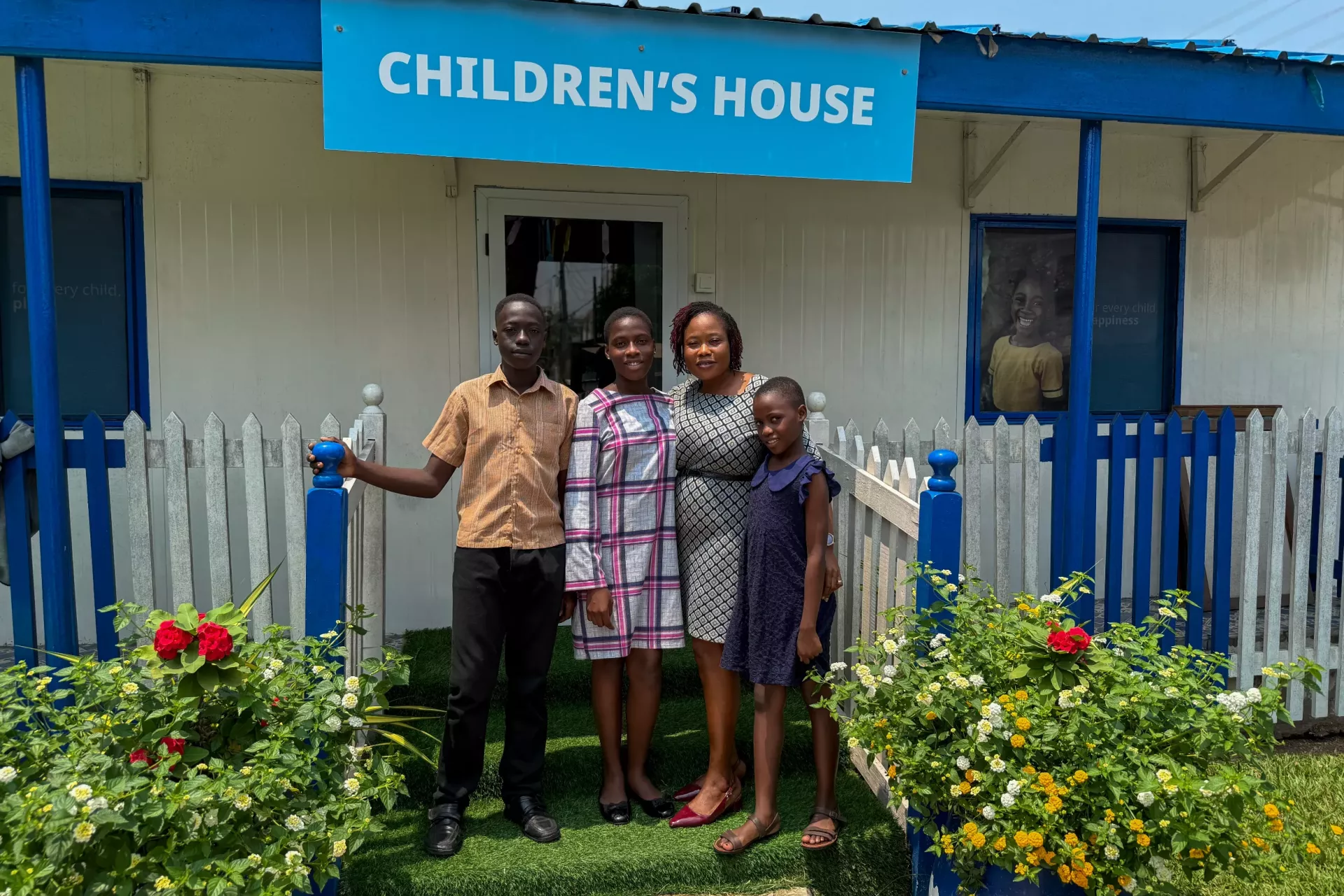
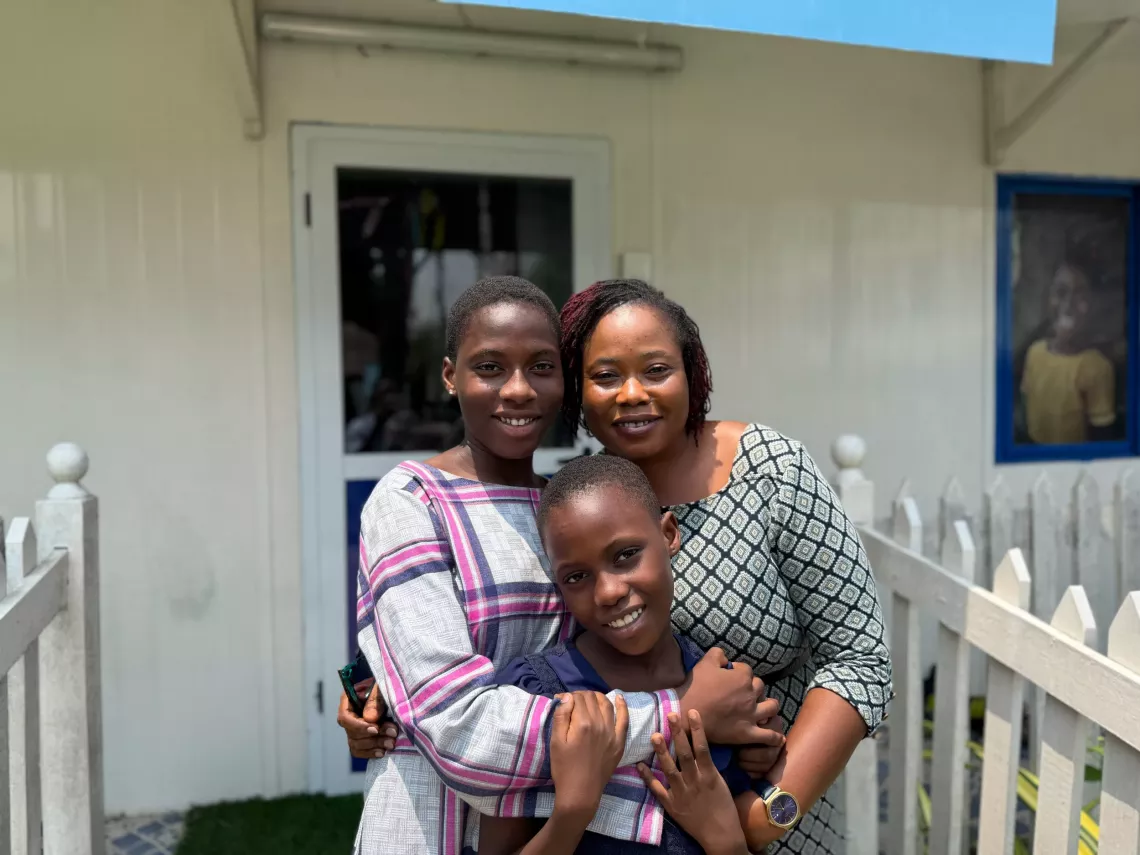
Miriam Agyekumwah Kusi Addo, a Programme Associate at UNICEF Ghana, carries with her the pride and joy that many mothers know well. Her face lights up when she talks about her children: Owureku (14), Ewura Esi (13), and Ewura Adjoa (8). To her, being a mother is one of her greatest achievements. Her children are healthy, thriving, and are the heartbeat of her world.
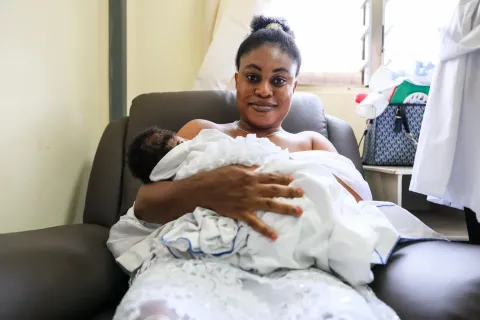
She remembers with warmth the moments of bonding, the smiles, and the milestones. Her youngest daughter, Ewura Adjoa, born in 2017, brought a new kind of joy, one shaped by peace, preparedness, and purpose. Miriam exclusively breastfed her for six months, and the difference it made, she says, was unmistakable.
This time, everything felt different,” she reflects. “My baby looked visibly strong, rarely fell sick, and was full of life. People would comment everywhere we went; even at church or the market, on how well she looked. This gives me deep fulfilment.
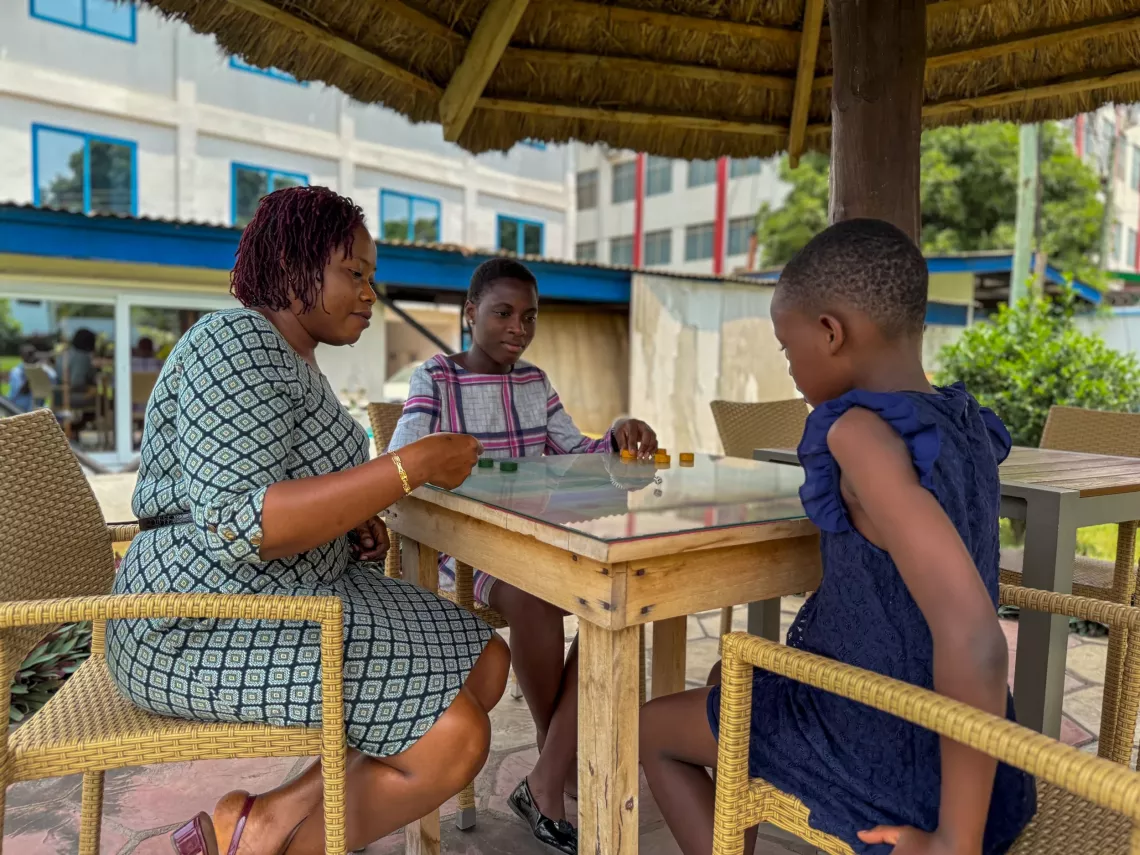
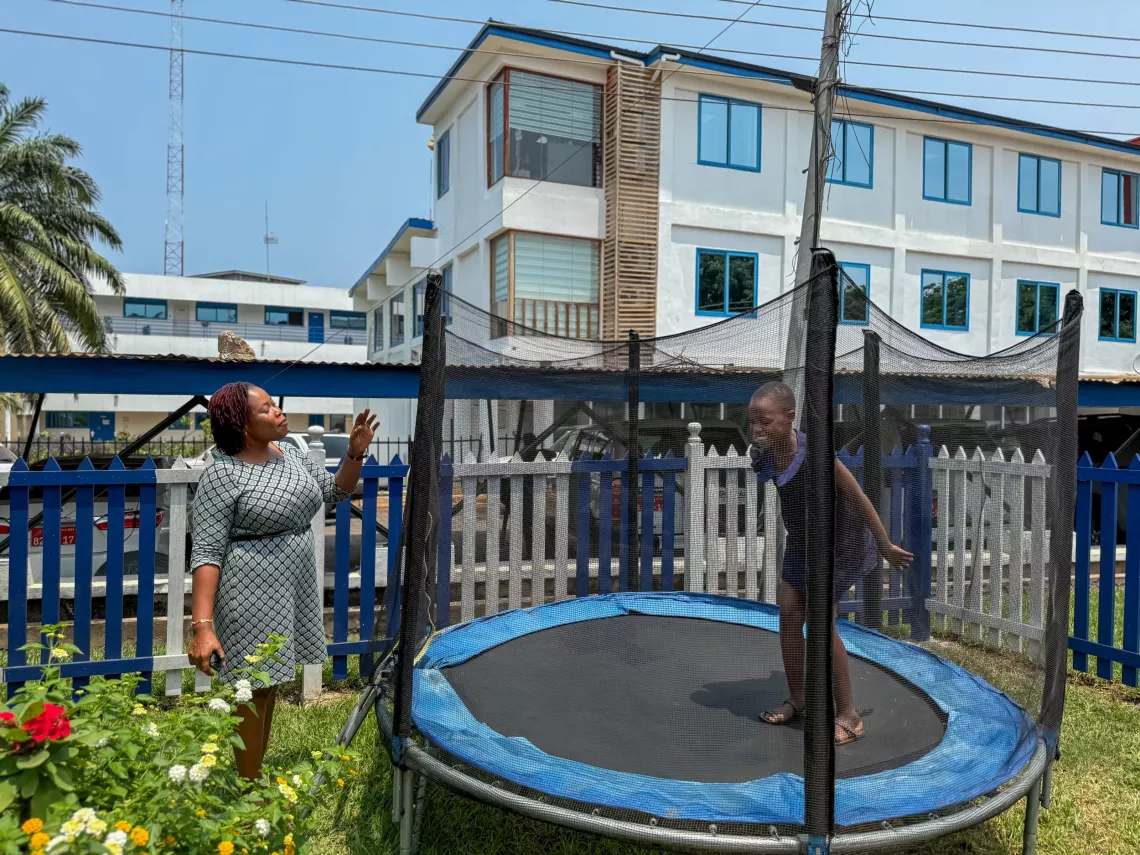
What changed? For Miriam, the game changer was the enabling environment UNICEF provided. With access to a child-friendly space and a supportive work culture, she had the opportunity to bond with her child in moments every mother deserves without fear, pressure, or guilt. This period gave her a renewed appreciation for the importance of exclusive breastfeeding for six months and reaffirmed her belief that every mother should have the support to make this possible.
But her motherhood journey didn’t begin that way. It was a winding, difficult road filled with physical and emotional challenges.
Miriam had her first two children just a year apart, Owureku in 2011 and Ewura Esi in 2012. At the time, she worked for an organization that provided three months of maternity leave. Due to complications during her second pregnancy, she had to start her leave early before her due date. This left her only eight weeks to recover and care for her newborn before returning to work.
“It was a very difficult time,” she recalls.
The early postpartum days were a blur of exhaustion, anxiety, and pressure to keep up at work and at home. She remembers coming home late one day, only to find her baby refusing to breastfeed. Panic set in. She and her husband rushed the baby from one hospital to another, desperately seeking answers. But after several tests, there was no medical diagnosis, the only advice was to switch to ‘formula’- a nutritious alternative to breast milk.
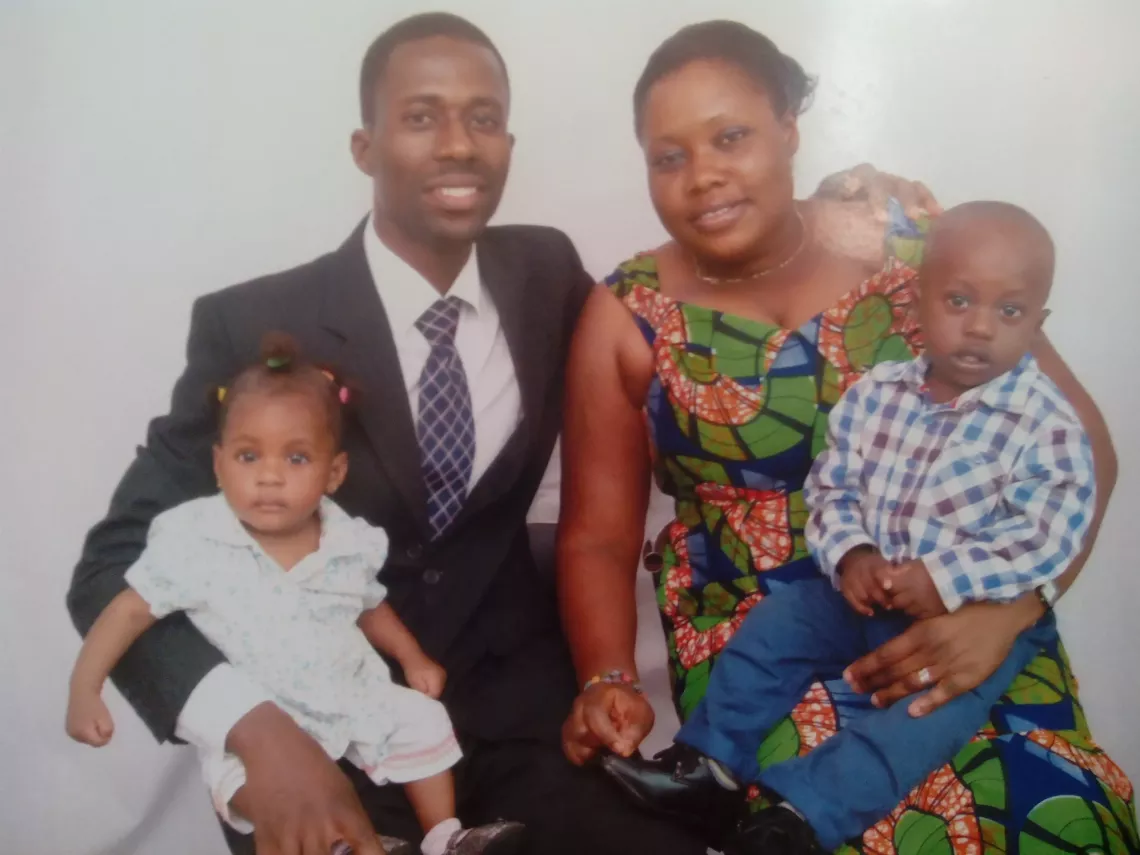
Thus began another struggle. The trial-and-error process of formula feeding was emotionally draining and financially overwhelming. Her daughter would accept one brand today and reject it tomorrow. “We kept buying different kinds,” she says. “It became a financial burden, and the stress was immense.”
It was in the wake of that experience that Miriam made the conscious decision to wait before having her third child. She needed time to heal physically and emotionally and to stabilize her career. When she joined UNICEF, she found the kind of institutional support she hadn’t experienced before. The difference was profound.
“Having a safe, private space to breastfeed made all the difference. I could finally prioritize my baby without compromising my job.”
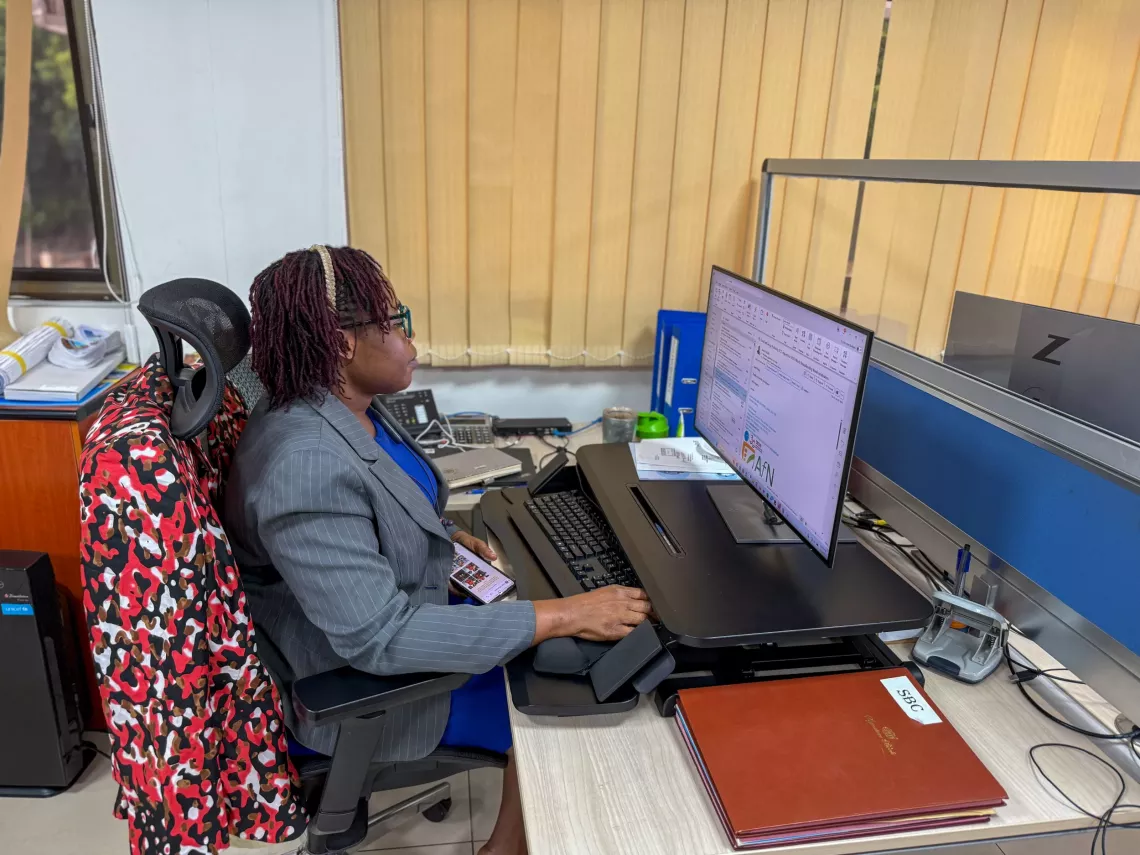
This supportive environment enabled her to not only breastfeed exclusively but to thrive as a mother. She was intentional about her diet, rest, and emotional wellbeing, knowing that these factors directly impacted her ability to nourish her child.
Looking back, Miriam believes that the differences in health and development between her youngest and her older children might be partially attributed to exclusive breastfeeding. While she’s careful not to make broad claims, she notes that Ewura Adjoa is active, rarely falls ill, and grasps things quickly.
For Miriam, this lived experience has become a mission. She now advocates passionately for breastfeeding and for institutional policies that support mothers. Her message is clear:
If institutions truly care about their workers, especially women, then they must prioritize the first few months after childbirth. That’s when mothers and babies need the most care. Support during this time doesn’t just help the child it empowers the mother to return to work stronger, healthier, and more productive.
She also urges institutions to provide at least six months of maternity leave and to create safe spaces where women can breastfeed. “It’s not just a nice-to-have,” she says. “It’s a necessity for the health of the child and the wellbeing of the mother.”
And to mothers, she offers encouragement:
If you can breastfeed, please do. Breastmilk contains everything your baby needs to grow healthy and strong. Formula can be necessary at times, but it’s expensive, stressful, and not always safe. Clean water, sterilized bottles are a lot to manage. And the risks are real if proper hygiene isn’t maintained.
Miriam is quick to point out that her journey wasn’t one she walked alone. Her husband was her pillar throughout the one who encouraged her to keep going. “Breastfeeding,” she says, “is a shared responsibility. It takes a family to raise a child, and the support a mother receives determines how well she can care for her baby.”
Today, Miriam stands not only as a proud mother of three, but also as a voice for other women those navigating motherhood while building careers, those who struggle silently, and those who need just a little more support to thrive.