Empowering Mothers: The Community Pregnancy School Transforming Health in Rural Ghana
Local health education and shared savings are improving maternal nutrition and prenatal care in the Upper East Region.

In Tarikom, a rural community in the Bawku West District of the Upper East Region, a simple but effective community initiative is improving maternal health outcomes, one meeting, one lesson, and one shared contribution at a time.
The Tarikom Community-based Health Planning and Services (CHPS) compound established a pregnancy school in December 2025 to improve maternal nutrition, support adolescent mothers, and strengthen community‑based primary health care.
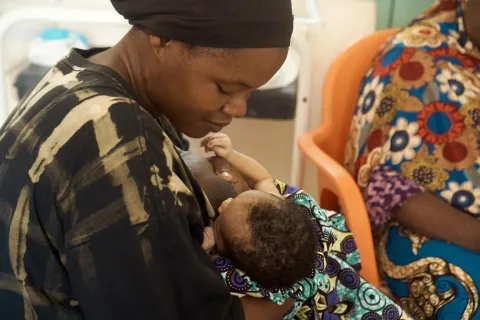
The pregnancy school currently serves 26 pregnant women, who meet monthly for participatory sessions led by a trained midwife. The curriculum focuses on maternal nutrition, particularly iron‑rich local foods, balanced diets, and proper use of antenatal supplements, as well as hygiene, recognition of pregnancy danger signs, and the importance of facility‑based delivery.
For many participants, the sessions provide essential knowledge that directly informs daily practices and health‑seeking behavior.
I now know what foods to eat to improve my blood levels," “I also understand why it is importantcines and go to the health facility.” to take my medicines and deliver at the health facility.

In addition to health education, each participant contributes 10 Ghana cedis per month to a shared savings fund, which supports childbirth preparation, essential baby items, transportation for delivery, or small income‑generating activities. This collective approach helps reduce financial barriers to accessing care and strengthens peer support.
Embedded within the existing CHPS system, the pregnancy school reinforces trust between communities and frontline health workers, while increasing engagement with antenatal services.
“This support is helping us reach mothers early and support informed decisions that can save lives,” says the midwife facilitating the sessions.
The Tarikom pregnancy school demonstrates how low‑cost, community‑based interventions can deliver sustainable results for maternal health and nutrition. This vital work is supported by funding from the European Union and is implemented by UNICEF, helping strengthen primary healthcare delivery for every mother and child.