6 Ways Breastfeeding Boosts Children's Future
Celebrate World Breastfeeding Awareness Month by exploring the advantages of breastfeeding for every child.

Breastfeeding is essential for children’s survival, growth, and healthy development. It protects children from diseases and supports their learning potential. UNICEF and the World Health Organization (WHO) recommend breastfeeding within the first hour of birth and exclusive breastfeeding for the first six months of life (with no other foods or liquids).
At six months, babies should start eating safe, diverse, and sufficient complementary foods while continuing breastfeeding for up to two years or beyond.

However, millions of children worldwide miss out on these benefits, with inadequate breastfeeding accounting for 16 per cent of child deaths globally.
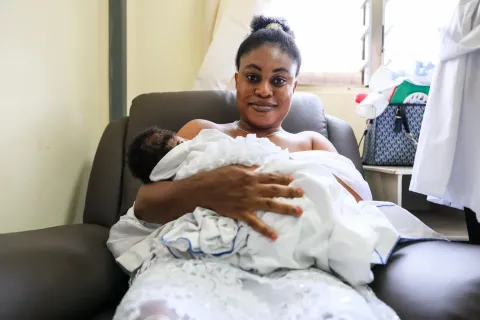
While breastfeeding is crucial for nutrition, its benefits extend far beyond. It creates a deep, lasting bond between a mother and child, profoundly impacting their physical, emotional, and cognitive development. From boosting the immune system to supporting emotional regulation and cognitive stimulation, breastfeeding shapes a child’s well-being in remarkable ways.
"In Ghana, over 53 per cent of children under six months living with their mother are exclusively breastfed, while 3 per cent of children under six months are not breastfed at all,"
Here are six ways breastfeeding benefits children beyond nutrition:
- Breastfeeding, initiated within the first hour of birth, exclusively provided for six months, and continued with safe and appropriate complementary foods, is a powerful practice for promoting child survival and well-being. It protects children from various illnesses, including infections, diabetes, asthma, heart disease, obesity, and sudden infant death syndrome.
- Beyond improving survival and preventing diseases, breastfeeding promotes healthy growth and boosts early child development. It supports brain development and is linked to higher intelligence test scores in children and adolescents across income levels.
- Breastfeeding benefits mothers too, protecting them from breast and ovarian cancers, and heart disease. It helps prevent postpartum hemorrhage, postpartum depression, and type 2 diabetes. Improving global breastfeeding rates could prevent an additional 20,000 maternal deaths from breast cancer.
- Breastfeeding is a powerful way to protect both mother and child health, promoting healthy growth and optimal development. It fosters a unique bond between mother and child, enhancing emotional well-being for both.
- Breastfeeding saves families money on breastmilk substitutes and healthcare costs associated with preventable illnesses.
- Supporting breastfeeding in workplaces and communities empowers mothers to make informed choices that benefit their families.
When breastfeeding is protected and supported, women are more than twice as likely to breastfeed their infants. This shared responsibility involves families, communities, healthcare workers, policymakers, partners, and decision-makers. Key actions include:
- Increasing funding for breastfeeding support and protection, including through the Child Nutrition Fund
- Providing skilled breastfeeding counseling to all mothers as part of routine health coverage
Enforcing strong laws on marketing of breastmilk substitutes
Implementing family-friendly policies like paid maternity leave, breastfeeding breaks, and spaces
Strengthening monitoring of breastfeeding practice and programs.
Empowering and enabling women to breastfeed is essential for keeping children alive and building healthy, smart, and productive societies. Improving global breastfeeding rates could save over 820,000 children’s lives annually.
UNICEF continues to work with the government of Ghana and partners to promote and support breastfeeding as a multifaceted practice that goes beyond nutrition.