Water matters for girls, for their education, their future
See how a solar powered water system restores a young girl’s hope for a better future
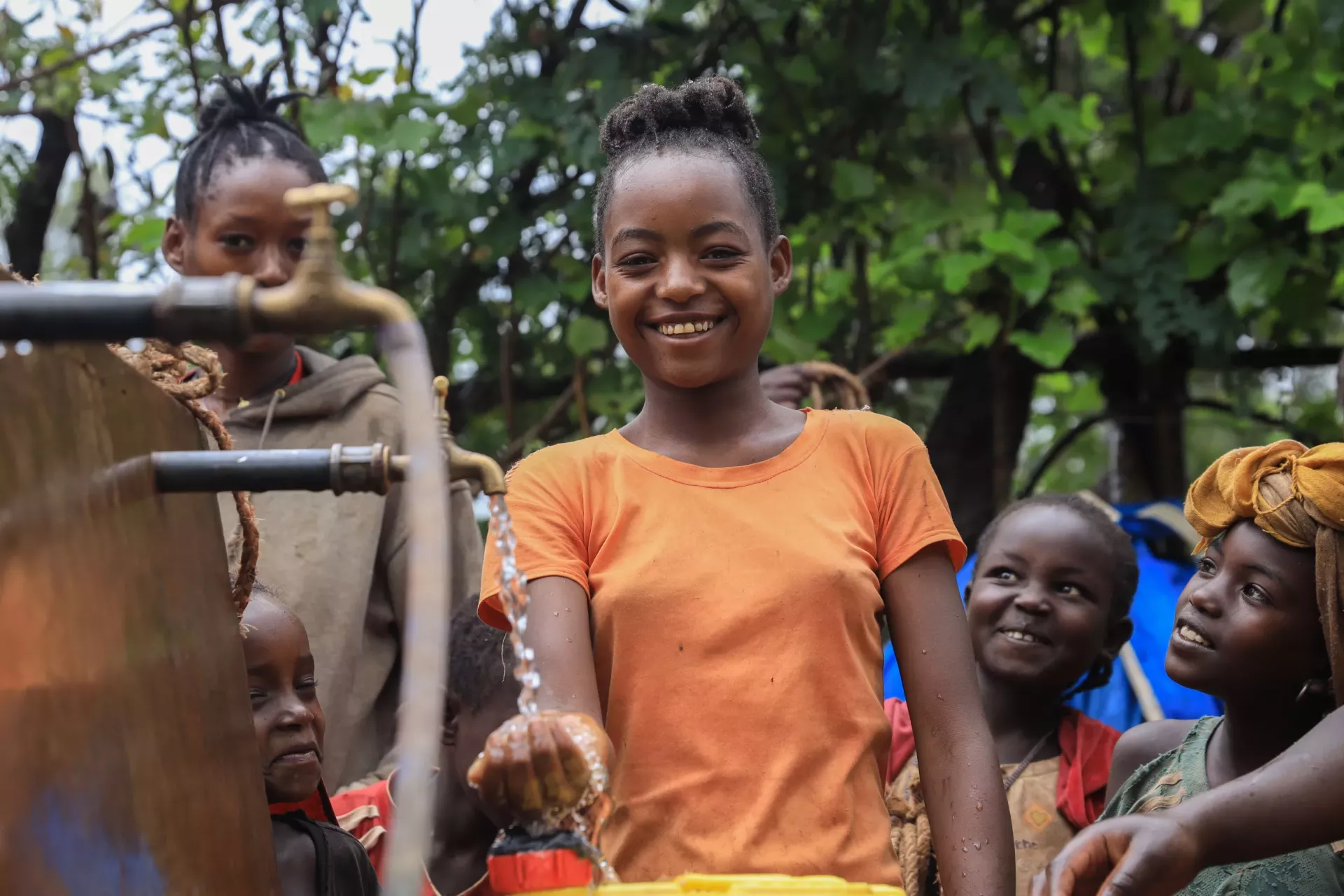
In conflict-affected areas of Konso and the surrounding areas, UNICEF restores water systems with the UN Central Emergency Response Fund (CERF) support. Old and damaged generators are replaced with sustainable solar-powered systems bringing relief to communities. Water is now available in the villages, schools and health facilities and for girls like Samrawit, having clean water nearby means having ample time for her education. Water matters for girls, for their education, and their future.
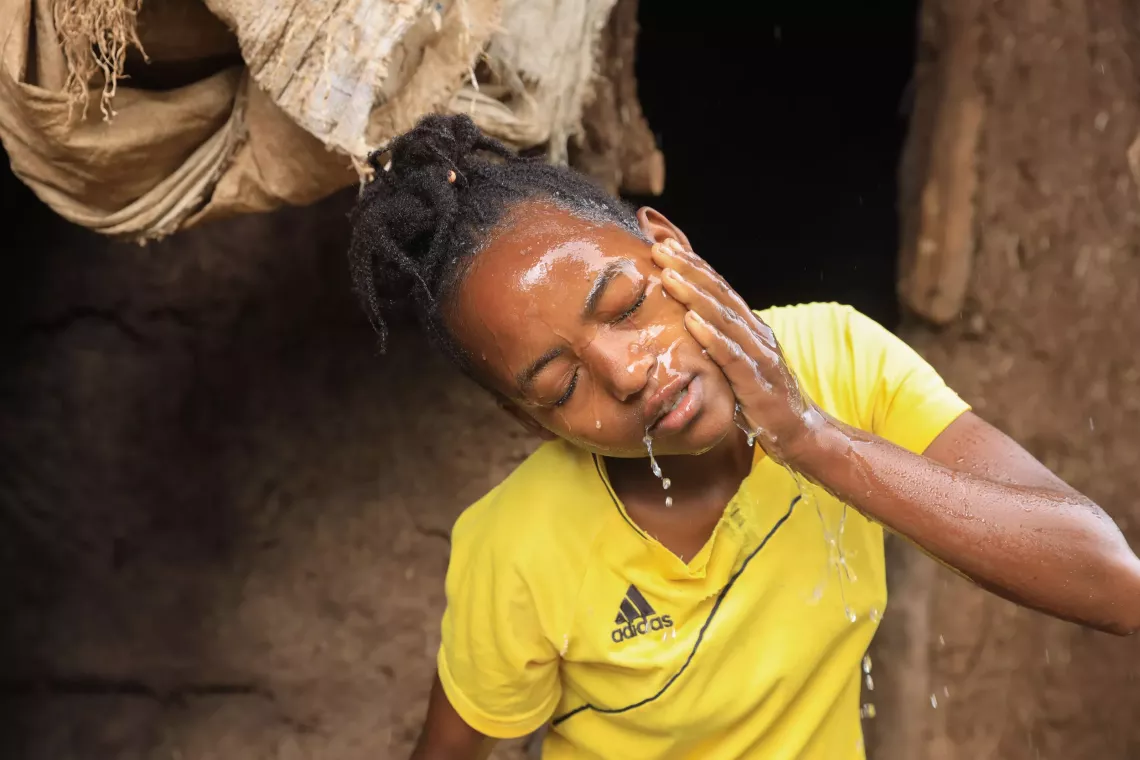
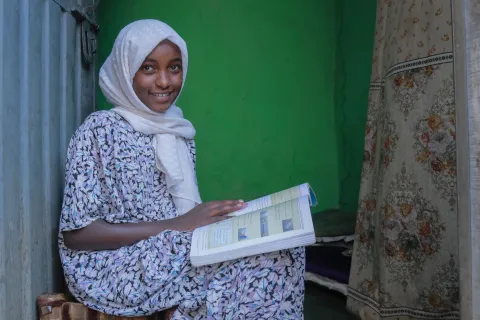
Samrawit, 14, regrets that she has spent three years out of school because of inter-communal violence that displaced thousands of people in her village. “If it wasn’t for that, I would have been in grade 7 by now,” she says. But Samrawit is happy to be back home and continue her education.
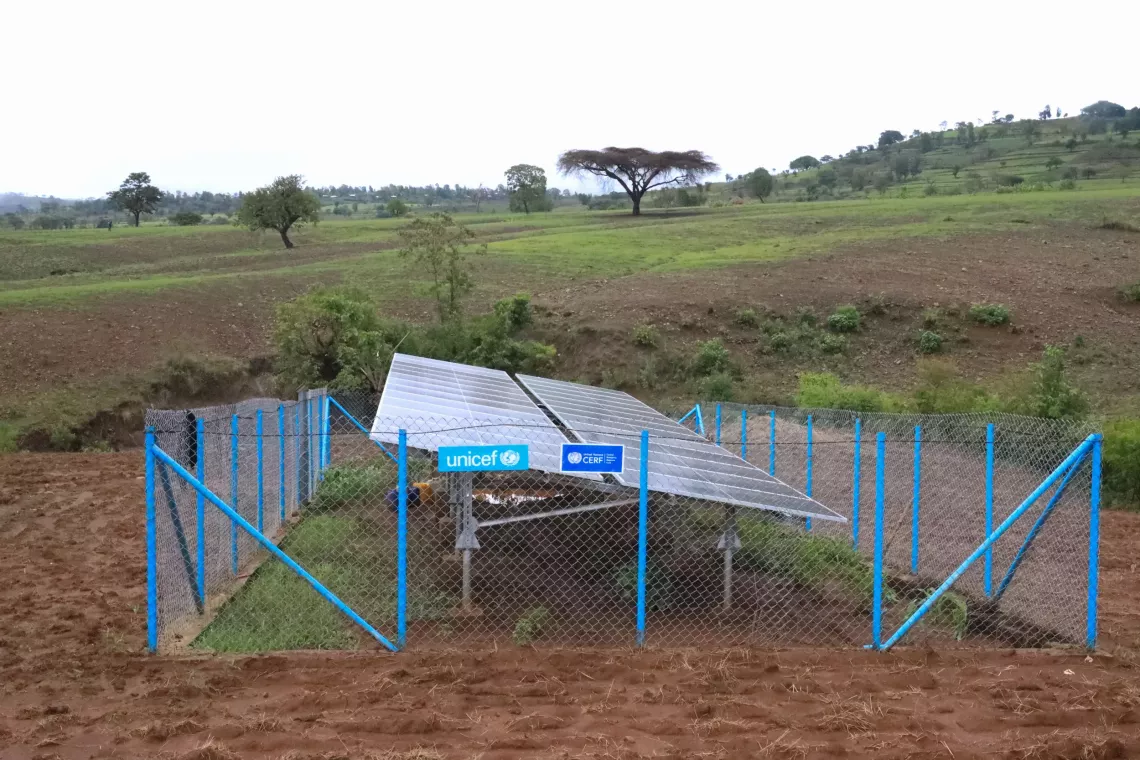
“When the violence erupted, we didn’t know what to do. We just left our home without taking any of our belongings. It was such a difficult time,” recalls Samrawit’s mother Kachacha Kasana. Like many families in the area, Samrawit and her family lost their house to the conflict. The generator that supplies water to the village was also vandalized. “Access to clean water was a constant struggle, and there were shortages of food and a lack of access to health care,” adds Kachaha.
But things are now better. The family house is rebuilt with the government and community support. UNICEF with generous support from the UN Central Emergency Response Fund (CERF) also installed a solar-powered water system, a much more durable and sustainable solution for the community. Broken water lines are also resorted, and water committees have been reestablished to manage the water points in the village. “Clean water is important. It means we can clean our clothes, our home and cook healthy meals.”
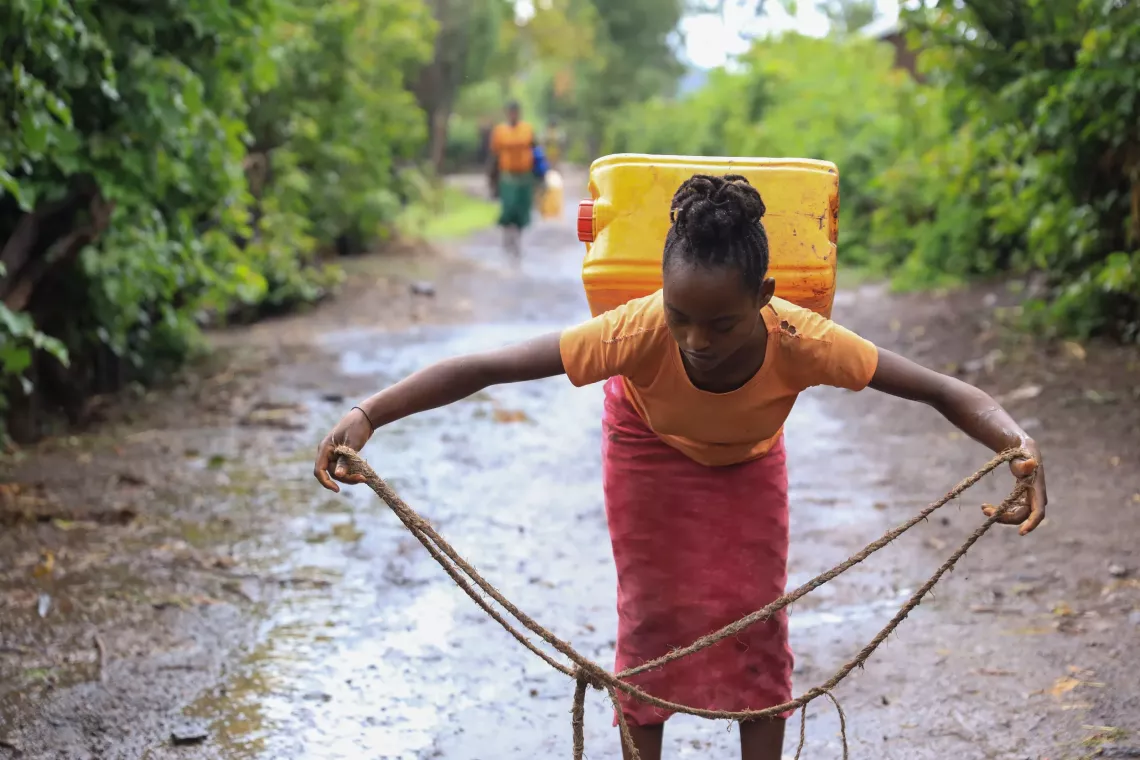
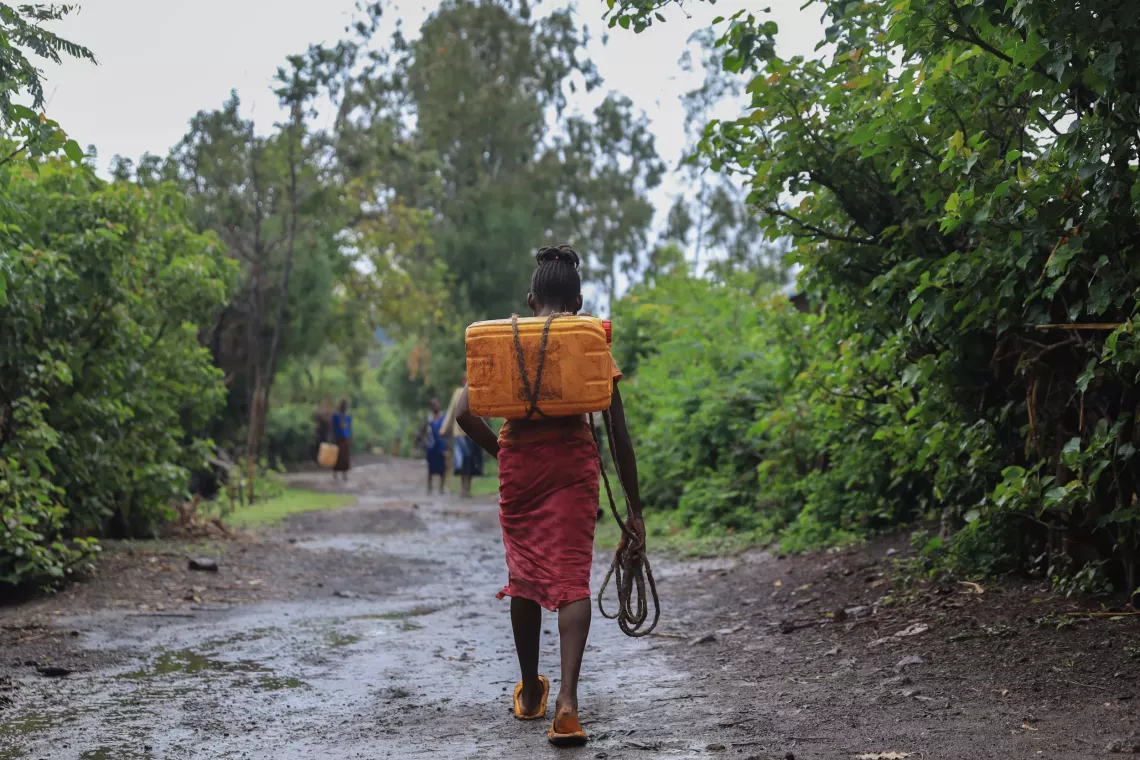
Every morning, Samrawit fetches water from the nearby water point and carries it home carefully strapping the yellow jerrycan on her back. Luckily, the water point is not far from her house, and she doesn’t have to carry the jerrycan for long. The solar-powered water system makes life easier for her and many other women and girls in the village.
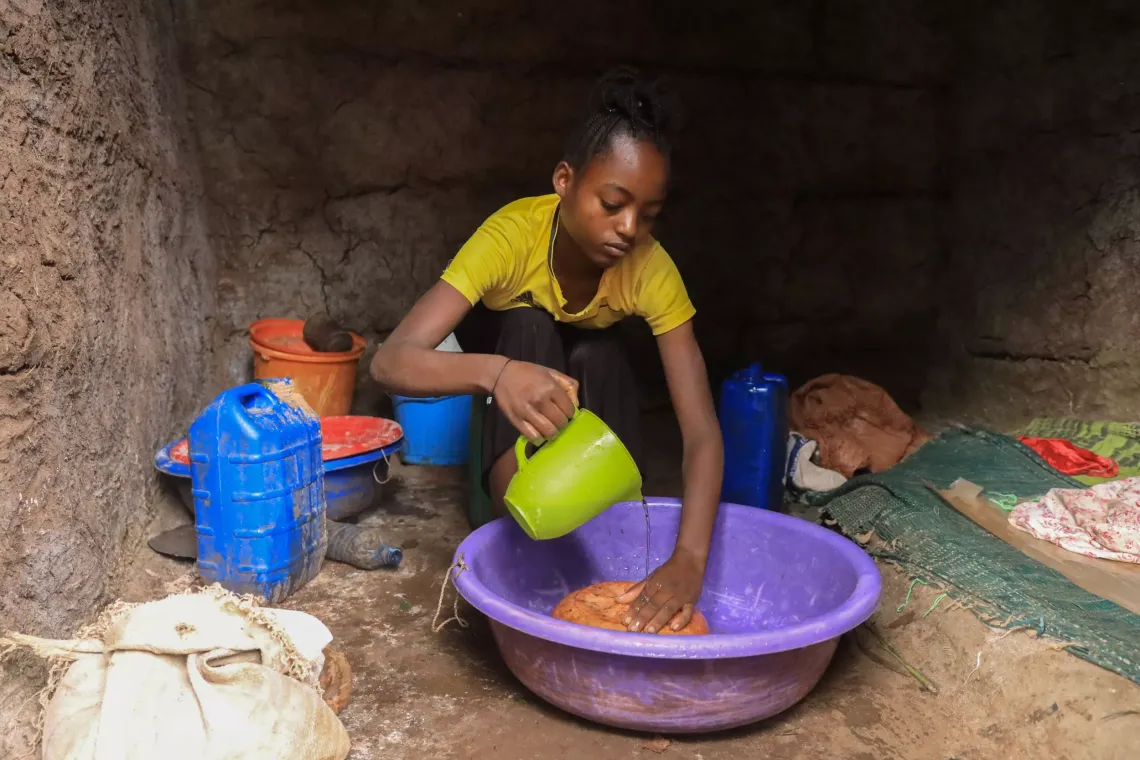
Once she gets the water home, Samrawit helps her mother with some household chores and then gets ready for school.
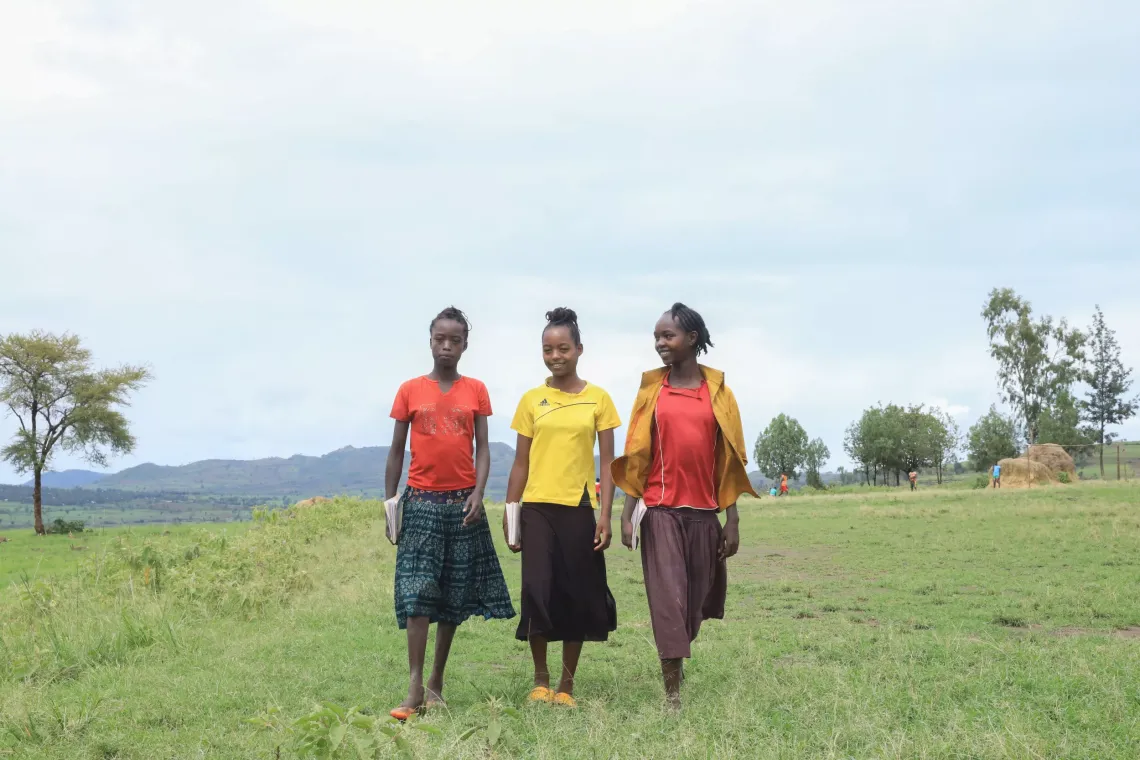
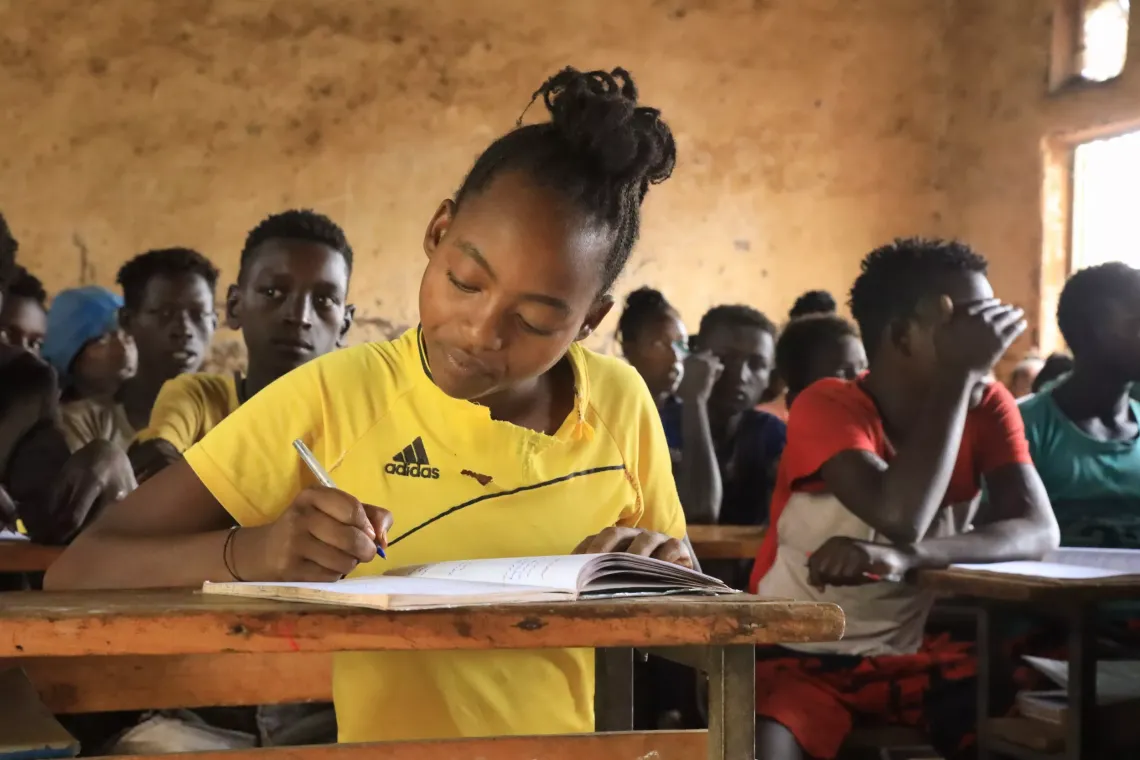
She then walks to school with her friends to attend class in the afternoon shift. In class, she carefully follows her lessons as the second semester tests are due in a few days.
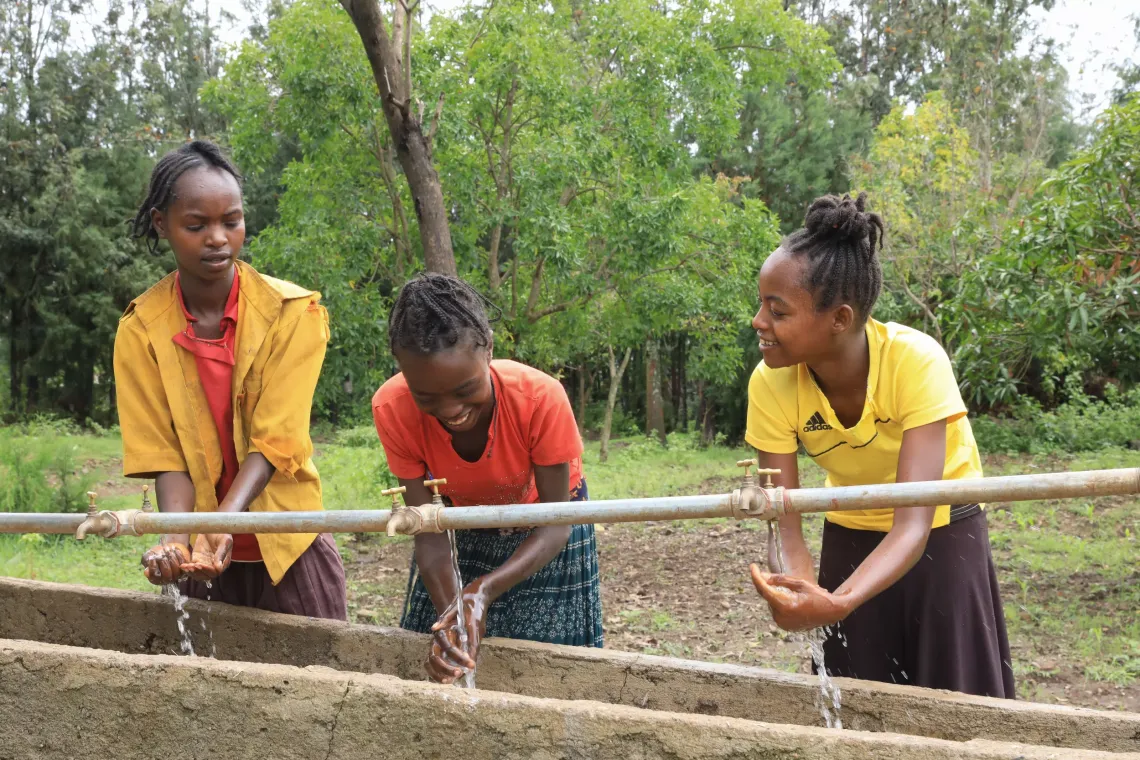
Samrawit also has access to clean water in her school. At break time, students rush to the taps to drink and wash their hands. Having clean water in school has a lot of meaning for adolescent girls. It is only when clean water is available in schools that they can manage their menstrual health and hygiene.
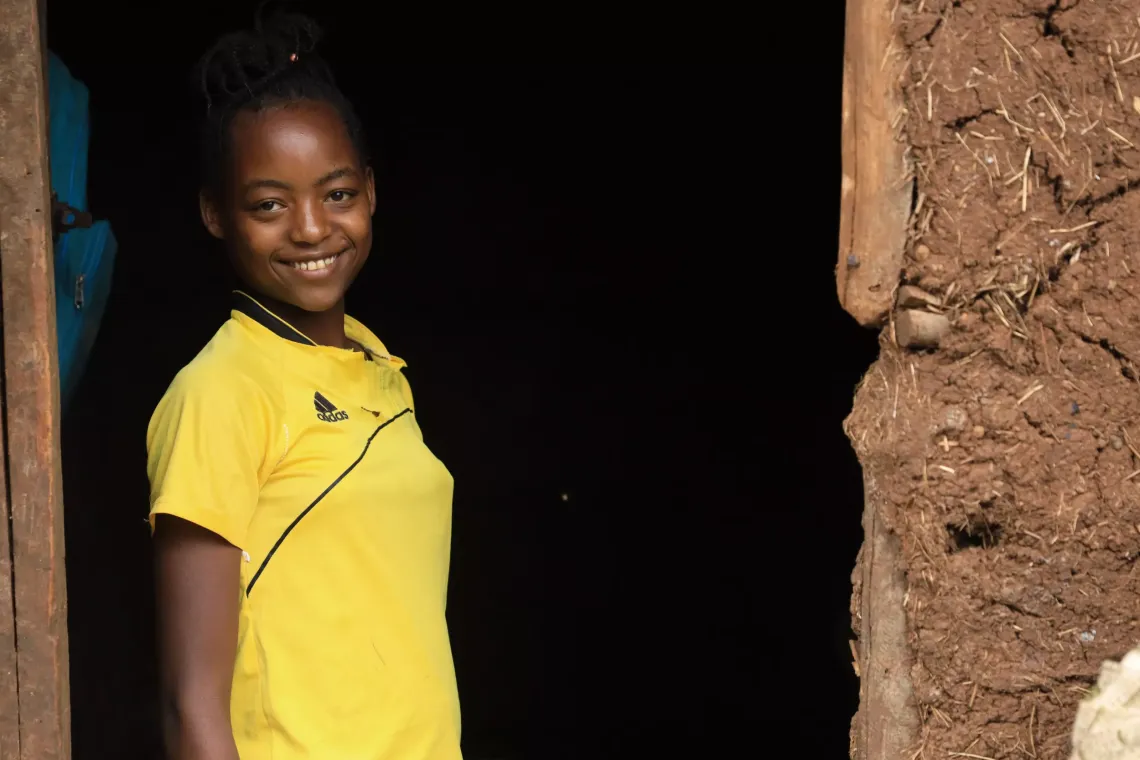
Samrawit is happy to have clean water nearby and continue her education. With every step, the water is closer to her house, and she is also getting closer to her dreams. She wants to become a doctor and ‘cure people with illnesses.