From Waste to Opportunity
Almaz’s Journey from Small-Scale Compost Producer to Community Entrepreneur
To improve access to safe and affordable sanitation, UNICEF's Make a Splash initiative partnered with local governments and TVET institutions across eight woredas in southern Ethiopia. Through training, start-up support, and business development, the programme helped local entrepreneurs create and strengthen sanitation enterprises, improving services for their communities while opening new economic opportunities.
Among the entrepreneurs supported through the initiative was Almaz Argeta Anebo, a 45-year-old woman from Debicha Kebele in Aleta Chuko Woreda. Her journey shows how access to training, business support, and new market opportunities can transform not only a livelihood, but also a community.
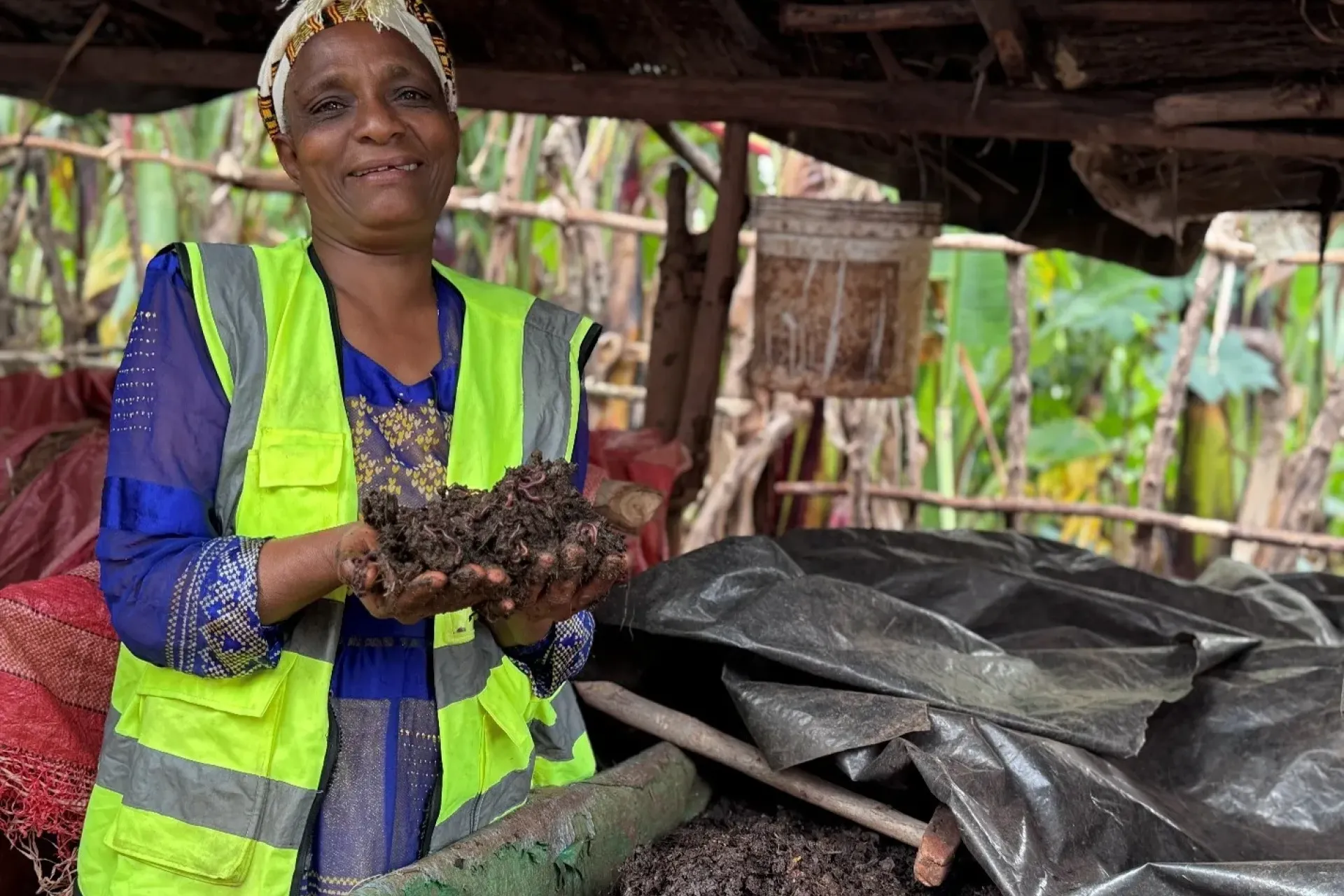
In Debicha Kebele, Aleta Chuko Woreda, that opportunity helped transform the life of 45-year-old Almaz Argeta Anebo. Her journey from a small-scale vermicompost producer to a successful entrepreneur demonstrates how determination, combined with the right support, can create lasting change.
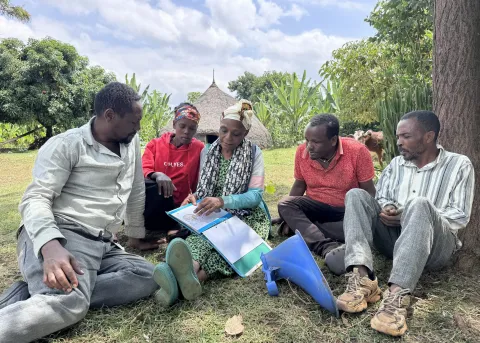
The path that would change Almaz’s life began in 2020 at a training organized by the district agriculture office. While learning about orange-fleshed sweet potato production, she discovered the value of compost in improving crop yields. “During the training, they informed us that compost is critical for increasing production,” she recalls. More importantly, the training planted the seed for a business opportunity she had never considered before.
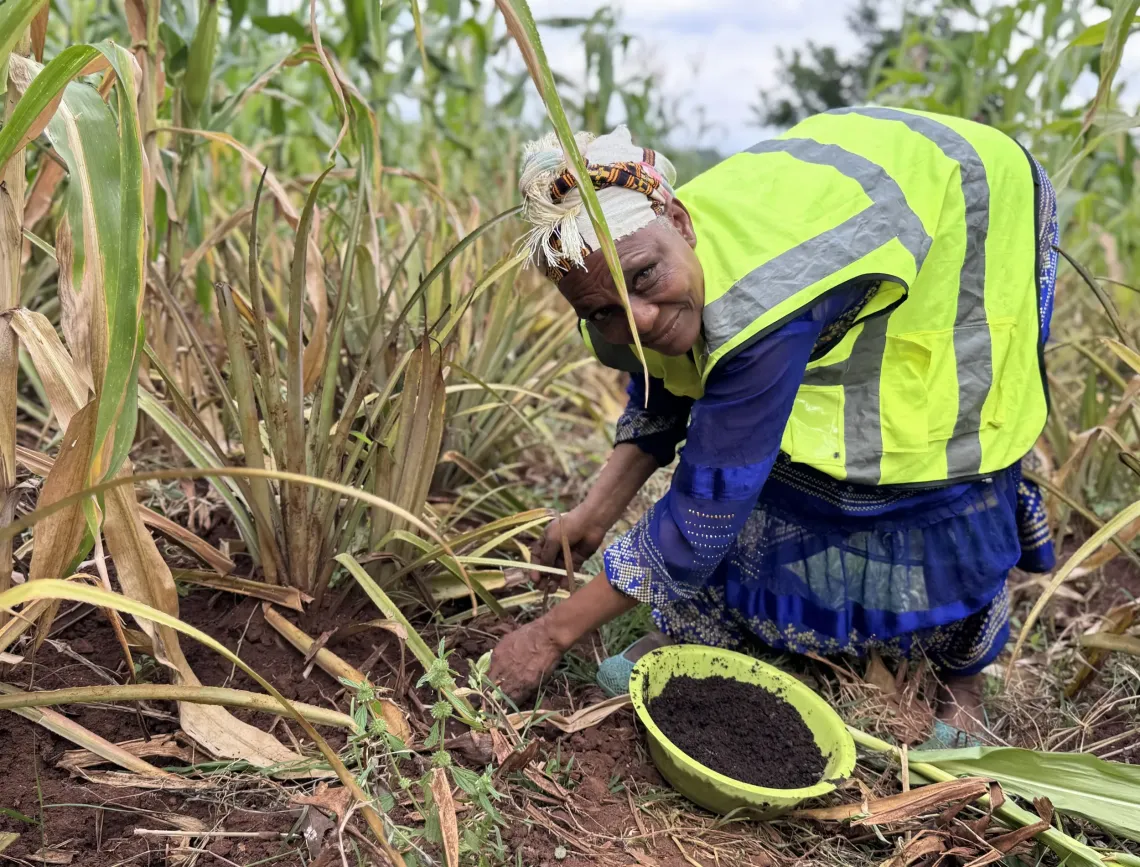
Determined to turn her new knowledge into an opportunity, Almaz began producing vermicompost. But building the business was far from easy. Customers were few, and most bought no more than two kilograms at a time. She also had to overcome negative perceptions from those who saw little value in her work. “Some people believed working with waste was inappropriate,” she says. “Others looked down on me when they saw me working with worms.” Despite the criticism and slow sales, Almaz refused to give up.
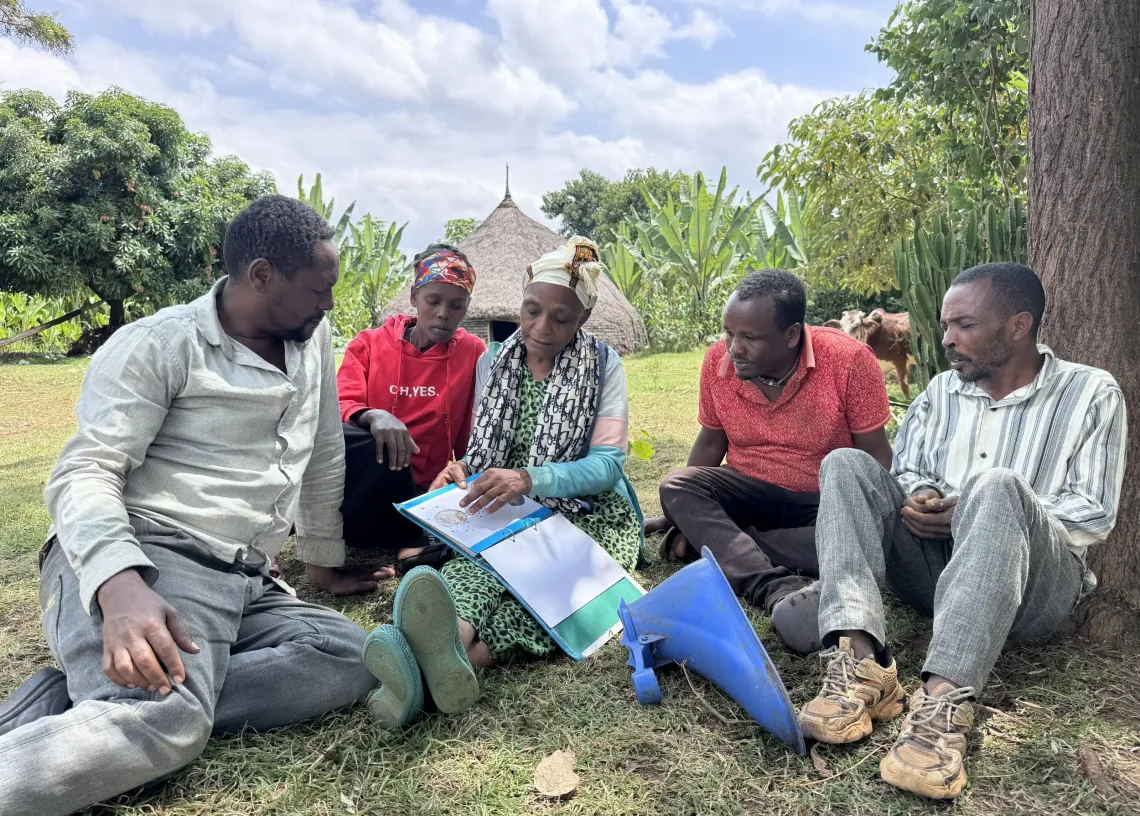
The breakthrough came when Almaz joined a market-based sanitation enterprise supported by the Make a Splash initiative. The programme equipped her with technical skills in concrete work, latrine construction, and product installation, while also strengthening her business and marketing knowledge. Just as importantly, it enabled her to become part of a formally registered and licensed enterprise, giving her access to opportunities that had previously been out of reach.
Joining the enterprise transformed Almaz's market opportunities. No longer reliant on small household sales, she began supplying vermicompost to coffee processing companies across the area. In a region where coffee is a major crop, demand has proved strong. “Since this area is known for coffee production, companies buy vermicompost and distribute it to farmers,” she explains.
As her customer base expanded, so did her production. The woman who once sold just two kilograms of vermicompost at a time has now sold more than 1,000 kilograms of vermicompost and over 500 kilograms of worms. “I currently have 100 kilograms of vermicompost ready for sale,” she says, highlighting the continued growth of her business.
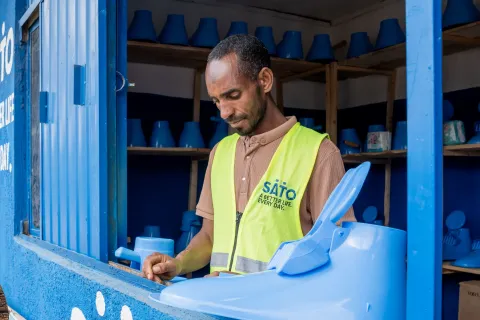
What began as a small vermicompost business has grown into something much bigger. Through her work with the market-based sanitation enterprise, Almaz is helping improve the health and wellbeing of families across her community. Together with her team, she has helped retrofit 330 household latrines with SATO products, produced and sold more than 1,500 concrete slabs, and supplied a range of sanitation products. The enterprise has generated more than ETB 3.9 million in sanitation sales alone, showing how entrepreneurship can deliver both economic and social impact. For Almaz, success is no longer measured only by income, but also by the positive changes she is helping bring to others' lives.
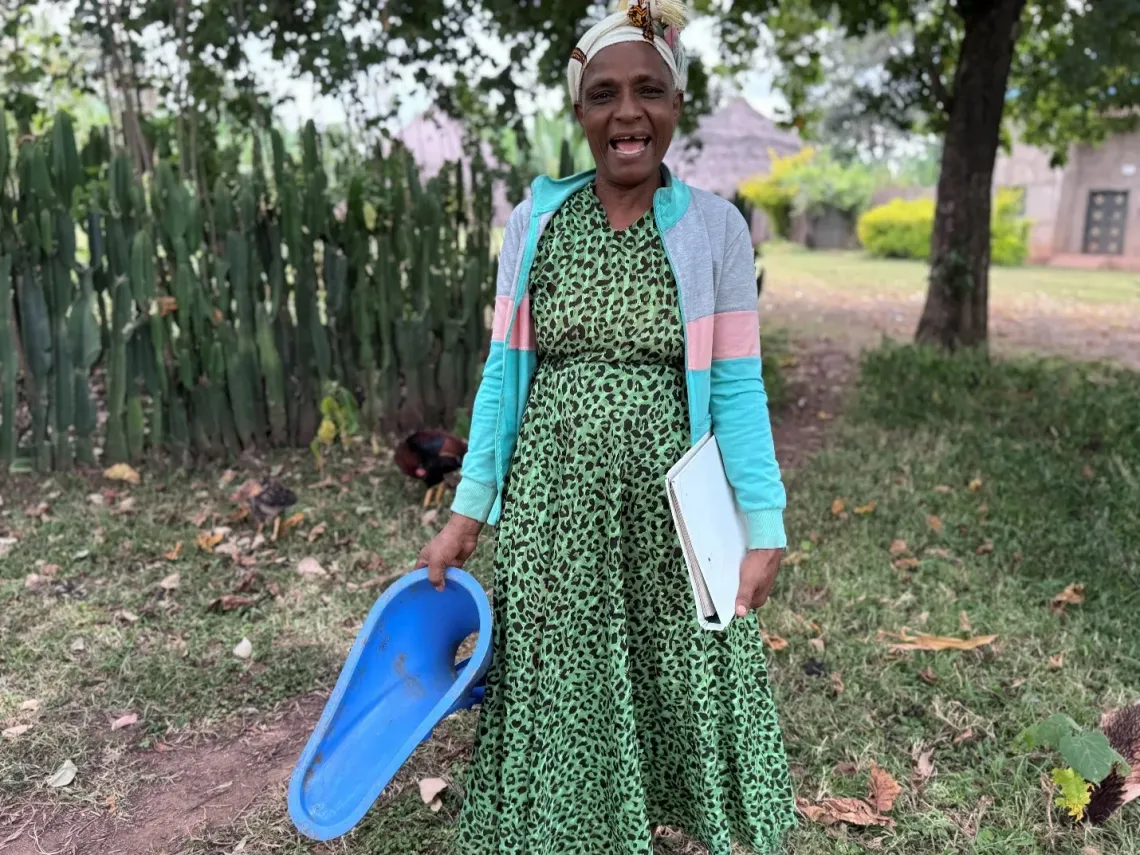
The success of her business has transformed Almaz’s life. Her earnings have enabled her to buy land in Hawassa, invest in farmland, purchase livestock, and build savings for the future. Yet the transformation has been about more than financial security. Once looked down upon for her work, Almaz is now respected in her community and proud of what she has achieved. “My community respects me now, and I feel stronger,” she says.
Having transformed her own life, Almaz hopes to inspire other women to do the same. “Many women stay at home because they believe some jobs are not meant for them,” she says. “I want them to see that it is possible. If I can do it, they can too.” Her message is simple: do not let social expectations stand in the way of opportunity.
Although Almaz has already achieved more than she once imagined, she is focused on what comes next. She hopes to expand her liquid soap production business and help make Debicha Kebele a model for sanitation and agriculture. It is a vision that reflects the journey she has taken, from overcoming stigma and struggling to find customers to becoming a respected entrepreneur determined to help others succeed.