It takes a village to change a village
How a community-led latrine drive is improving health and dignity in the Amhara region, Ethiopia.
Basic sanitation coverage in Ethiopia remains low, with only nine per cent of households accessing basic sanitation services. Many families, especially in rural areas, struggle with behavioural barriers, limited availability of affordable sanitation products, and the need to prioritize other pressing needs before investing in sanitation facilities. In the South Wello Zone of the Amhara region, however, a new community‑led sanitation campaign is beginning to shift attitudes and improve daily life. More families are now constructing their own improved latrines, an important step toward better health and dignity.
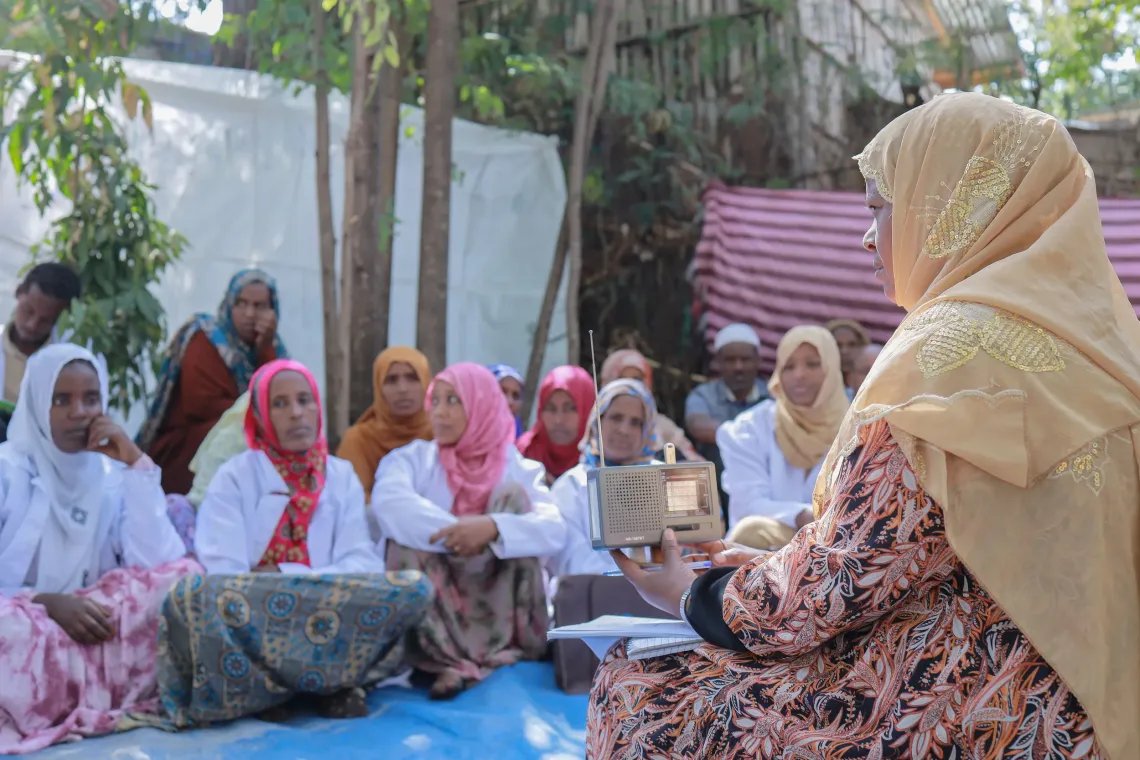
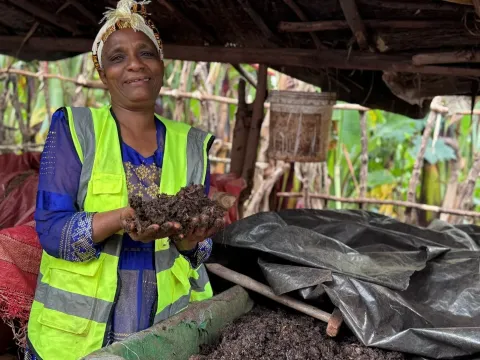
In Choresa village, Lubaba Mohammed, a health extension worker, leads a community conversation session with village health leads. These trained volunteers support health workers by mobilizing households on key health issues. Confident and engaging, Lubaba guides participants through practical lessons on household sanitation, encouraging women, men and community leaders to take part in the discussion.
Using a family health guidebook and pre‑recorded radio lessons, she covers essential topics including how to build and maintain a latrine, manage solid and liquid waste, and wash hands at critical times. “This kind of discussion is important for our work,” she explains. “We make sure that not only women but also fathers and religious leaders are present. Once we discuss the issues, everyone takes responsibility to turn them into action.”
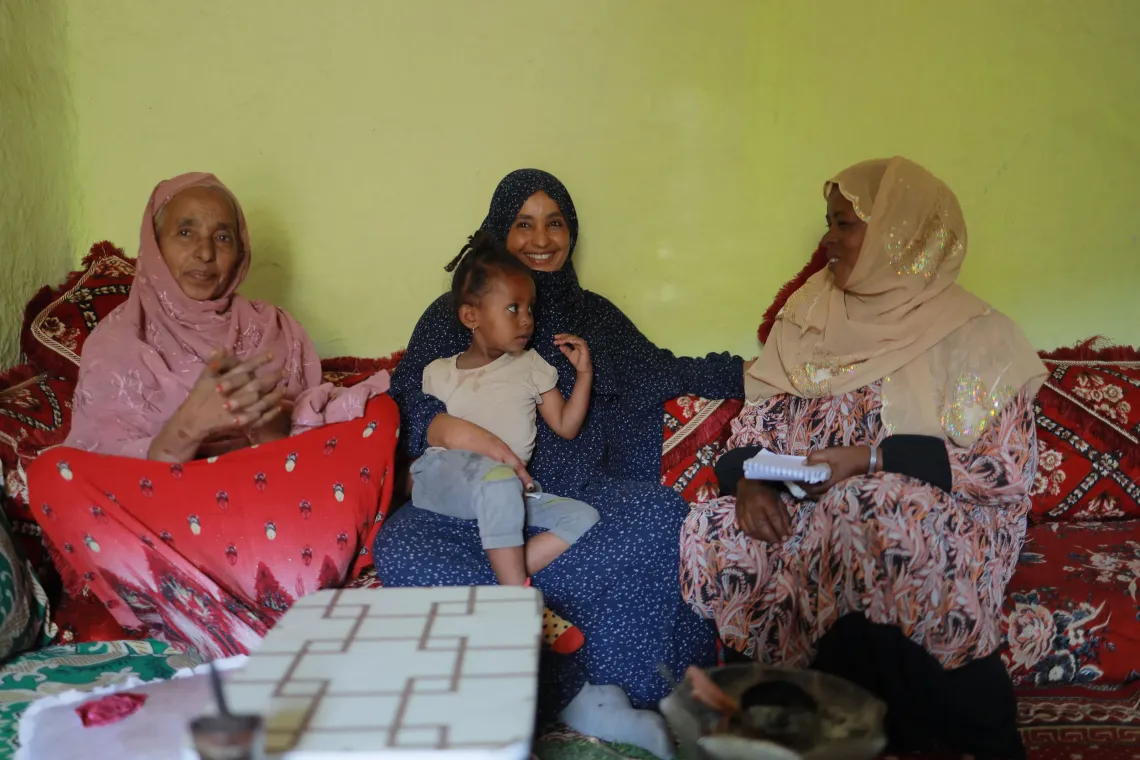
Lubaba’s efforts, along with those of the community health leads, are producing visible results. More families are now constructing their own improved latrines, and regular household visits help ensure that standards are maintained.
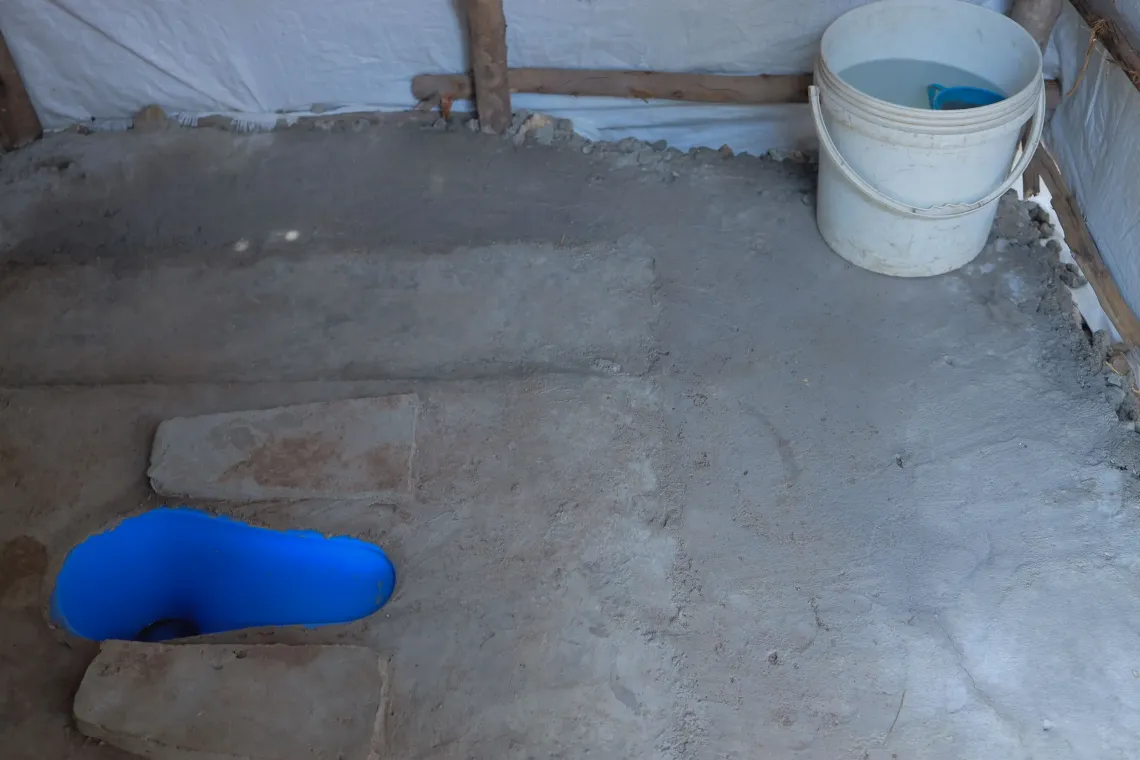
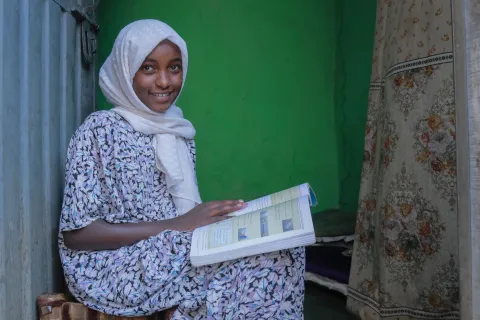
“The community is now keen on building latrines,” says Radia Yassin, a mother of two. “Previously, we used latrines that were not clean and flies were everywhere. Now we have much better ones. They are easy to clean, and we do not worry about our children using them.”
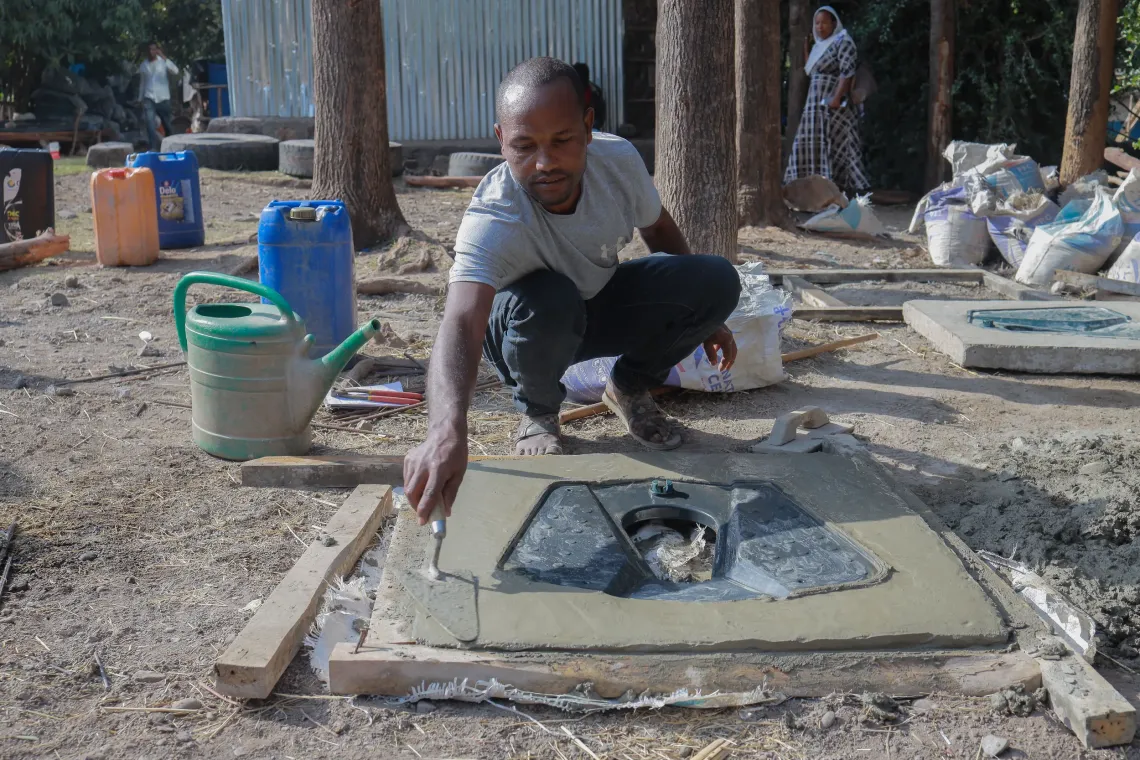
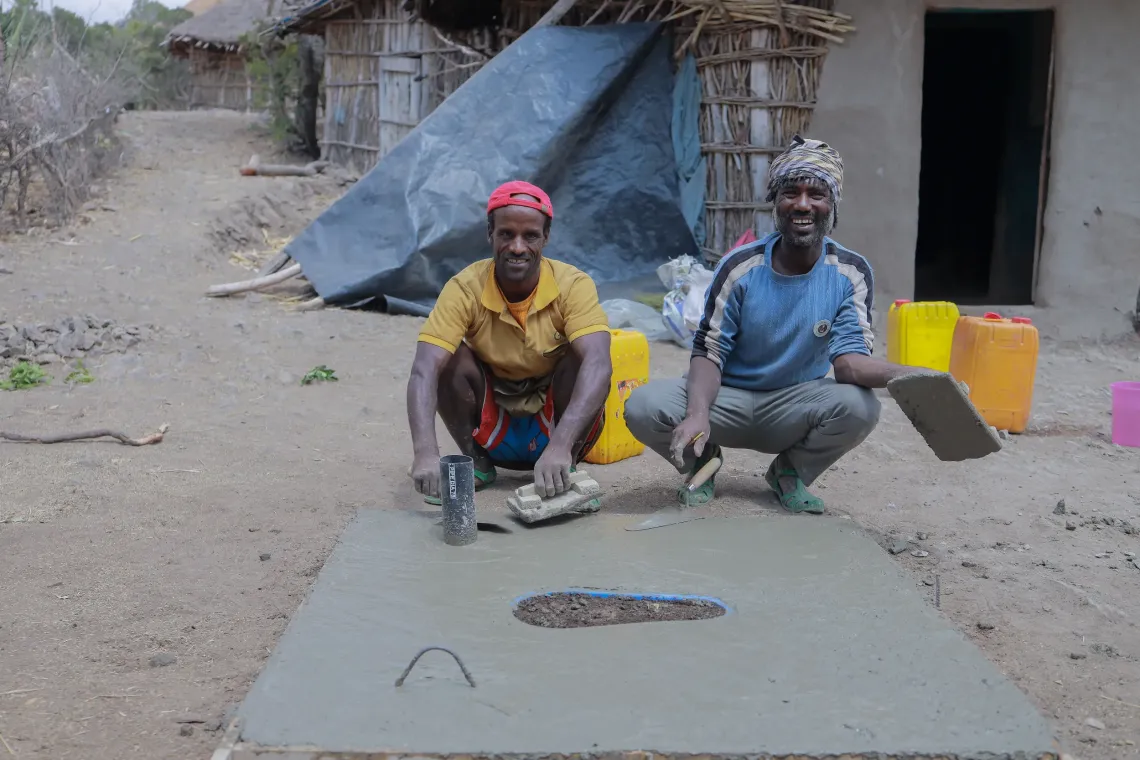
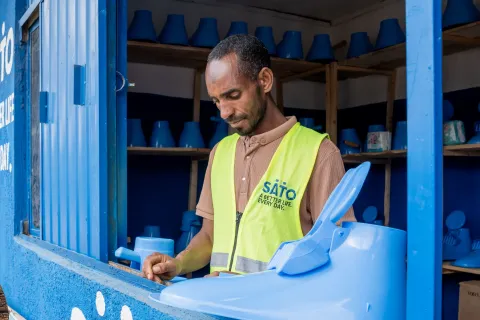
With strong social mobilization and families like Radia’s setting an example, demand continues to grow in Choresa and neighboring villages. This keeps Seid Ahmed and other trained masons busy producing precast latrine slabs. The process is simple and community driven. Households dig latrine pits according to agreed standards, health extension workers inspect the pits and notify masons when they are ready, and the precast slabs with plastic pans are installed. Families then build the superstructure using locally available materials and take responsibility for keeping their latrine clean.
This initiative not only improves sanitation but also creates jobs. Masons are paid based on the number of slabs they produce, and because they are licensed, they can continue expanding their work even after the project ends. Priority support is also provided to poor and marginalized households, including families with children with disabilities. So far, nearly 19,000 families in South Wello Zone have gained access to basic sanitation services through support from UNICEF and the Tokyo International Conference on African Development initiative, funded by the Government of Japan.
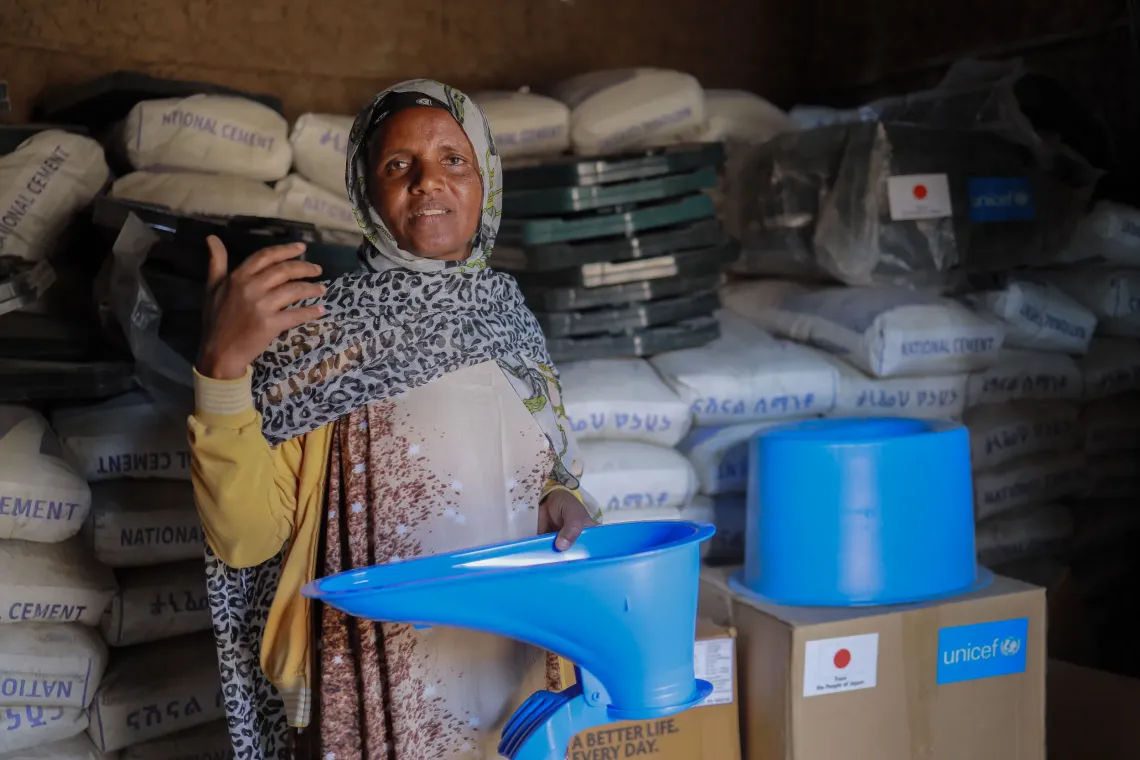
While Seid and his colleagues are busy producing latrine slabs in Choresa, Gadisse Telila, a community health lead, delivers cement, latrine pans and iron rebar to the mountainous village of Mamed on the outskirts of Bati town. She then visits families who have completed construction to monitor progress and offer guidance. “When we started last year, few families were interested in building improved latrines. They did not see them as a priority,” she says. “Now we are struggling to keep up with the demand. It is not easy work, but I am happy to see a positive change.”
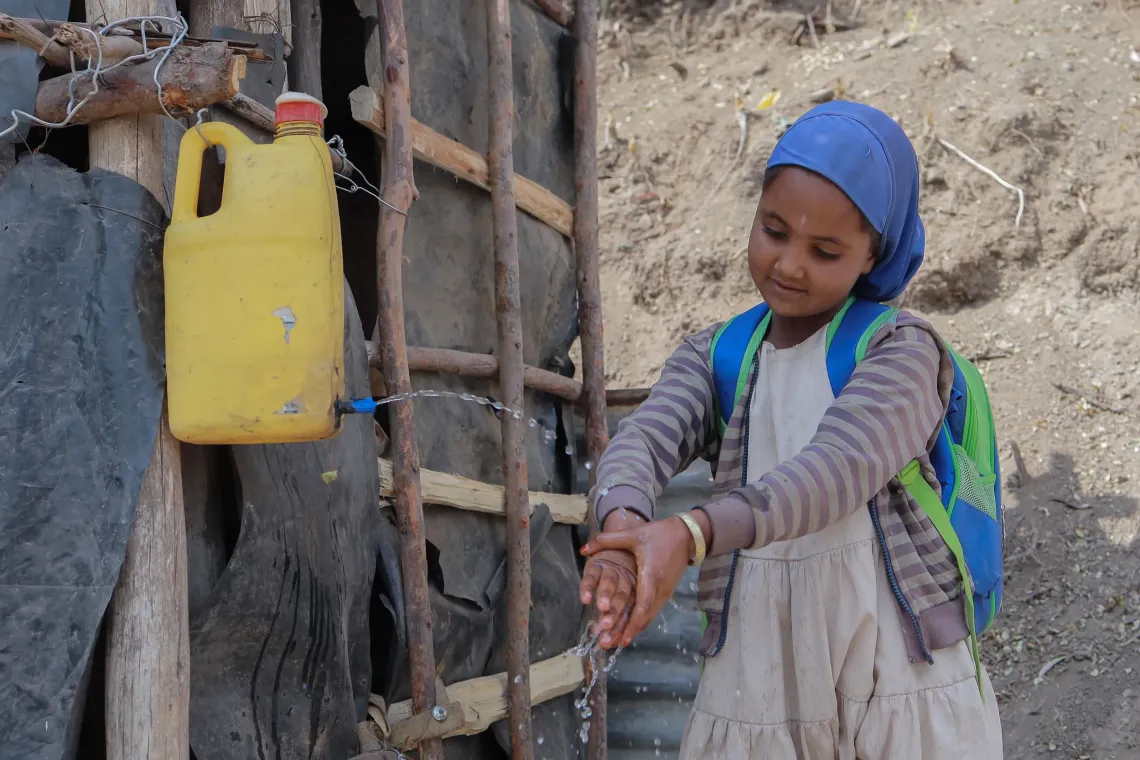
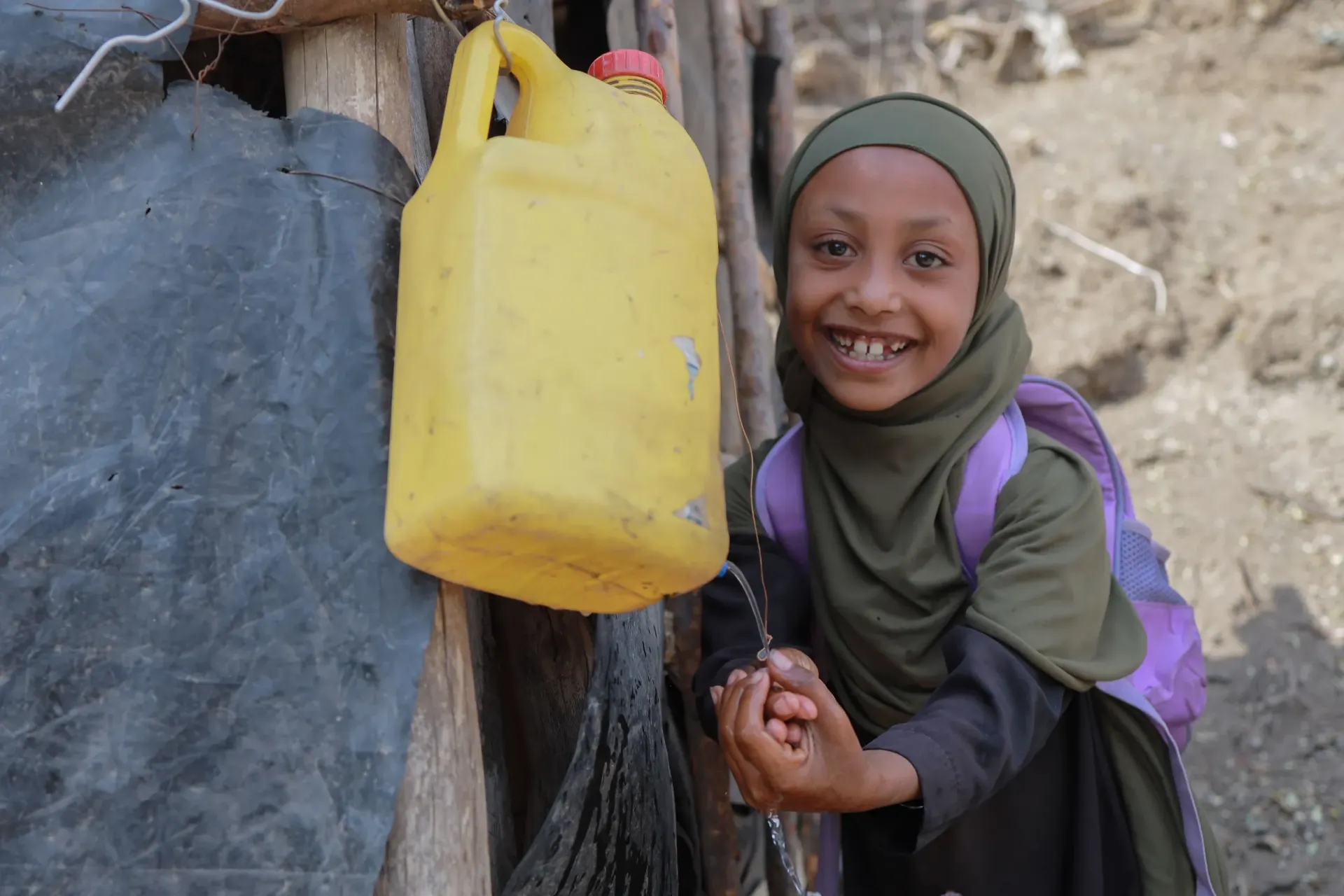
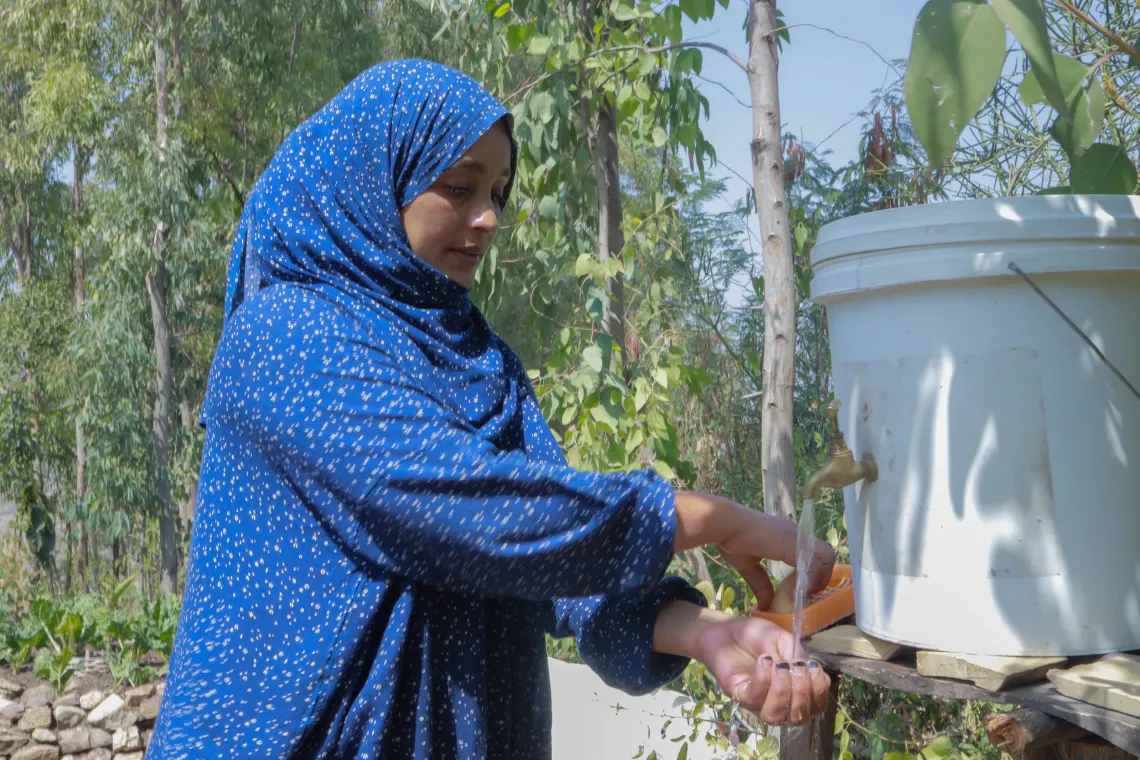
That change is already shaping a healthier future for children like seven‑year‑old Hawdia Jemal. After using her family’s newly built latrine, she carefully washes her hands with soap. Every morning before school, her father reminds her to make handwashing a daily habit. “If we do not clean our hands, we can easily get sick,” Hawdia says with confidence.
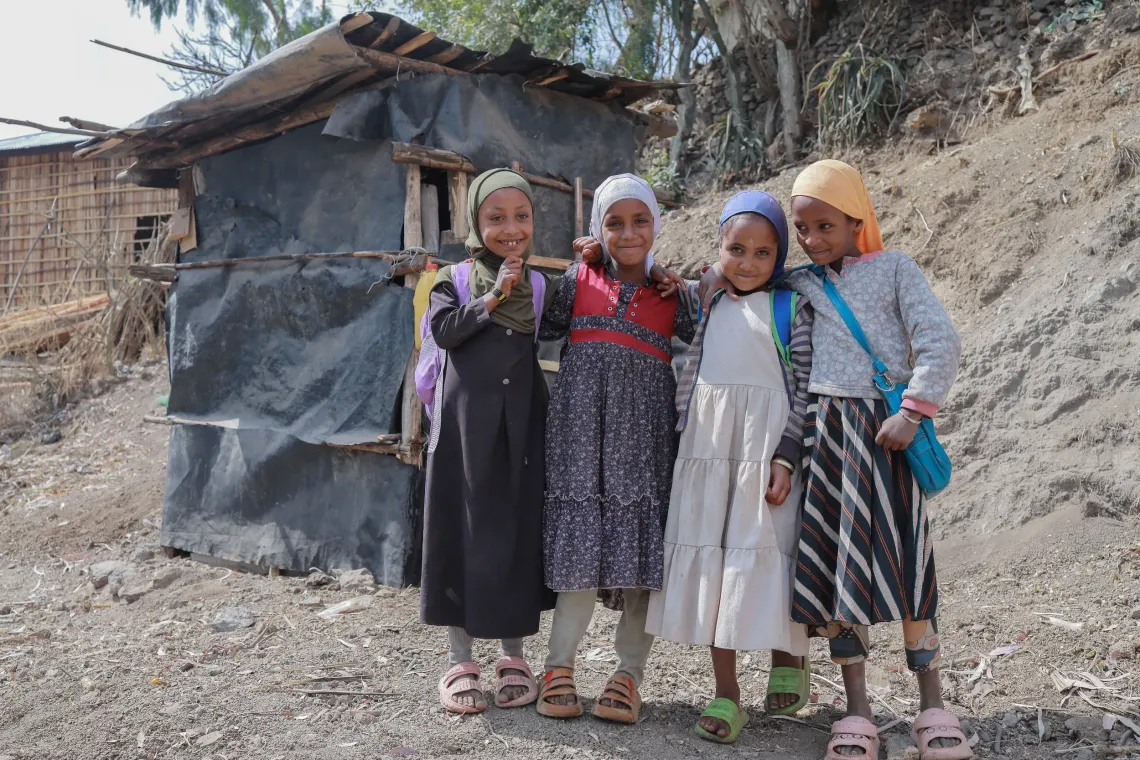
With smiles on their faces, Hawdia and her friends head off to school, equipped not only with books and pencils but also with healthy habits that will protect them for years to come. As they grow, they will carry forward the positive sanitation practices their community has embraced, helping ensure that the transformation underway in South Wello continues for the next generation.