Clean Water, Healthier Lives
A Community Transformed in South Omo

Just a few years ago, families in the Dasenech Woreda (district), South Ethiopia regional state, were forced to fetch water from the Omo River, a source that often brought more harm than good. Water borne diseases, especially among children, were rampant. But today, thanks to a UNICEF-supported Water, Sanitation, and Hygiene (WASH) initiative, the community is experiencing a transformation.

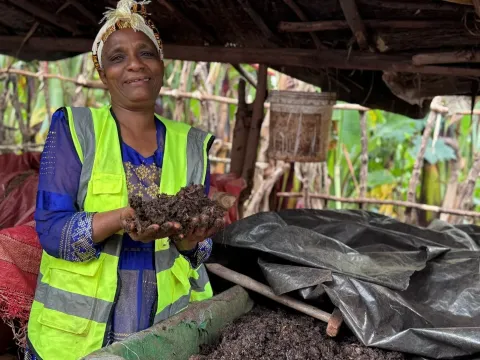
One of the key players in this change is Asnakech Desta, a WASH committee member. With unwavering dedication, she teaches families how to treat water, maintain personal and food hygiene, and eliminate open defecation. “I teach and demonstrate to my neighbours and the whole community the best practices on Household Water Treatment, how to keep it safe and the importance of hand hygiene to protect our children from preventable diseases, and now we have healthier families here,” Asnakech said.

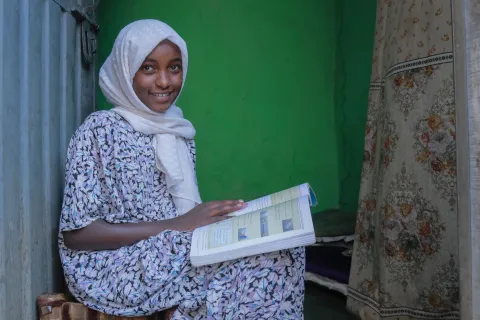
For young mothers like 20-year-old Ora, the transformation has been life-changing. “I use the water treatment kit every day,” she says proudly. “I wash my hands and teach my children to do the same. I’ve learned so much.”


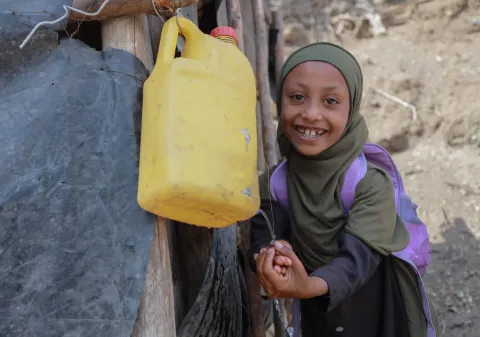
The impact is visible. Selamawit Abebe, a Health Extension Worker at the Mermerti camp for Internally Displaced Persons, has witnessed the shift firsthand. “Before, open defecation was common, and people lived in crowded conditions without proper sanitation,” she explains. “Now, every household has access to toilets and handwashing stations. Children are healthier. Diarrhoea cases have dropped dramatically.”


The project’s success lies in its community-driven approach. Volunteers like Anelegn Mohammed remember the days when only six water faucets served the entire Omorate town area. “The queues for water were long, and many people had no choice but to fetch water from the Omo River,” he recalls. “We used traditional methods to purify it, but they didn’t remove germs. Now, we have enough water points, and UNICEF has ensured that the water is treated.”
This intervention was made possible thanks to donation from CERF - The UN's Central Emergency Response Fund. The ripple effects of this initiative are profound. With safe water and better sanitation and hygiene practices, families are healthier, and communities are more resilient.