Access before Affordability
Innovative Financing is Transforming Sanitation Practice in The Sidama Region, Ethiopia
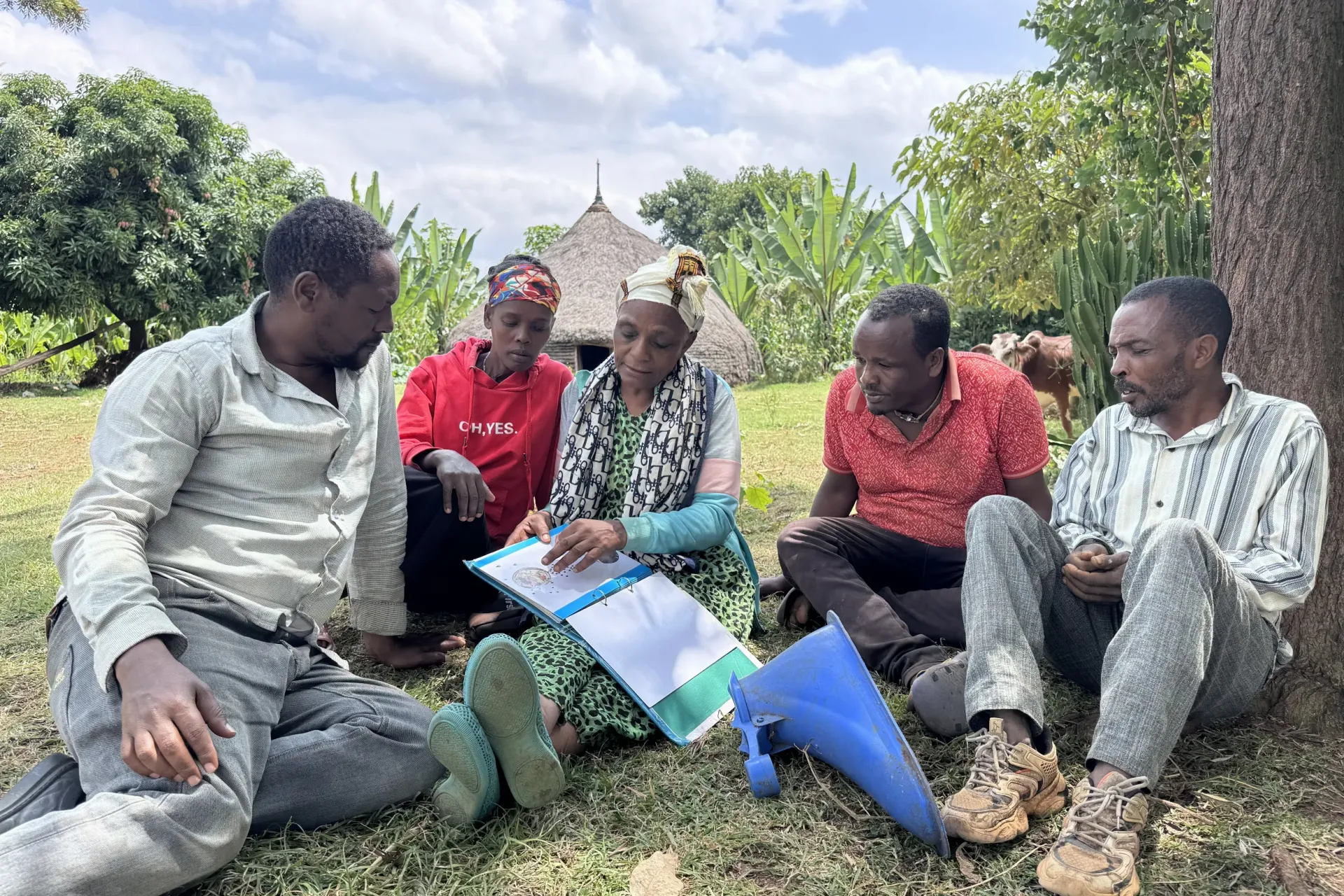
For years, Zeritu Galfato worried about the toilet her family used. The 29-year-old mother of two wanted a safer, cleaner latrine for her children, but like many farming families in Debicha Kebele of Aleta Chuko Woreda, she could not always afford it. Most of the family's income arrived during harvest season, making it difficult to invest in improvements when they were needed most.
Although she worried about her children's health and privacy, Zeritu's family continued using an unimproved latrine because they had no affordable alternative. Each year, plans to improve the toilet were postponed until after harvest, when money became available.
Zeritu's situation was not unique. Families across Debicha Kebele understood the importance of safe sanitation and wanted their children to grow up in a clean and healthy environment. Yet for many households, the challenge was not awareness but affordability. Most families in the area rely on farming for their livelihoods. Income is seasonal, arriving mainly during harvest periods from crops such as coffee, mangoes and pineapples. As a result, many households continue to rely on unimproved latrines even when they want something better.
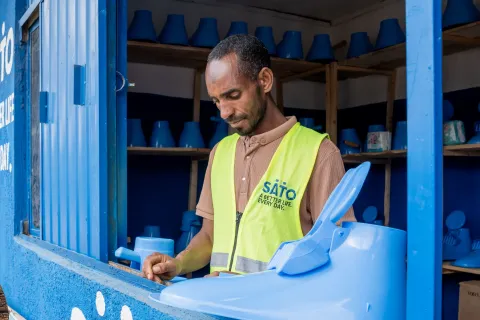
To help address this challenge, UNICEF and the Sidama Regional Health Bureau, through the Make a Splash Programme, supported the establishment of Market-Based Sanitation (MBS) enterprises in selected woredas, including Aleta Chuko. The initiative strengthened local sanitation businesses by providing training, tools and sanitation products, including SATO pans, to improve access to sanitation solutions for rural communities.

One of these businesses was the Debicha Market-Based Sanitation Enterprise, led by Almaz Argeta Anebo. The enterprise produced and sold improved latrine slabs that were well received by the community. Demand was strong, but many families still struggled to pay the full cost upfront.
To overcome this barrier, the enterprise introduced a barter system that allowed households to pay with agricultural produce instead of cash. Families could exchange part of their harvest for sanitation products and services. For example, a 1m x 1m concrete slab fitted with a SATO pan could be obtained in exchange for 31 jugs of raw, unprocessed coffee.
The barter system made sanitation more accessible, but it also revealed something important. Community members began asking a simple question: why wait until harvest season to improve their toilets? Families wanted the benefits of better hygiene, safety and dignity immediately, rather than months later when income became available.
Listening to these concerns, the enterprise, with support from UNICEF and the woreda health office, developed a more flexible payment model. Families could receive improved sanitation products and services immediately and pay later after selling their harvests.
For Zeritu, the change was transformative. When the new payment option became available, her family enrolled immediately. Months before harvest season, they finally had access to a safer, more hygienic toilet, giving their children the comfort and protection Zeritu had long wanted for them.
“We did not have the money to pay up front, but the enterprise trusted us. We received the Sato Pan and paid for it six months later, after the coffee harvest," says Zeritu.

Six months later, after selling their farm produce, the family paid 2,250 Ethiopian Birr to retrofit their existing toilet with a SATO pan. What had once seemed out of reach became possible through a payment system designed around the realities of rural life.
Building on this success, the enterprise introduced another innovative financing approach known as "Ekub for Latrine Slab." Ekub, a traditional community savings system widely used across Ethiopia, offered families a new pathway to improved sanitation.
Through this approach, Debicha MBS formed a group of 30 households. Each member contributed 100 Ethiopian Birr every week. Using a lottery system, households received improved latrine slabs fitted with SATO pans or other sanitation products. Around four households receive improved sanitation products each month, allowing all members to benefit within less than eight months.
Today, Debicha Kebele has achieved 86.5 per cent coverage of improved sanitation facilities, making it one of the highest-performing kebeles in Aleta Chuko Woreda. The community's experience demonstrates how locally developed financing solutions can help remove barriers to sanitation access.
For families like Zeritu's, the impact is simple. Better sanitation no longer begins when money becomes available. It begins when the need is recognised. Today, her children use a safer and cleaner toilet, while other families in Debicha are following the same path. By putting access before affordability, the community is investing in a healthier future.