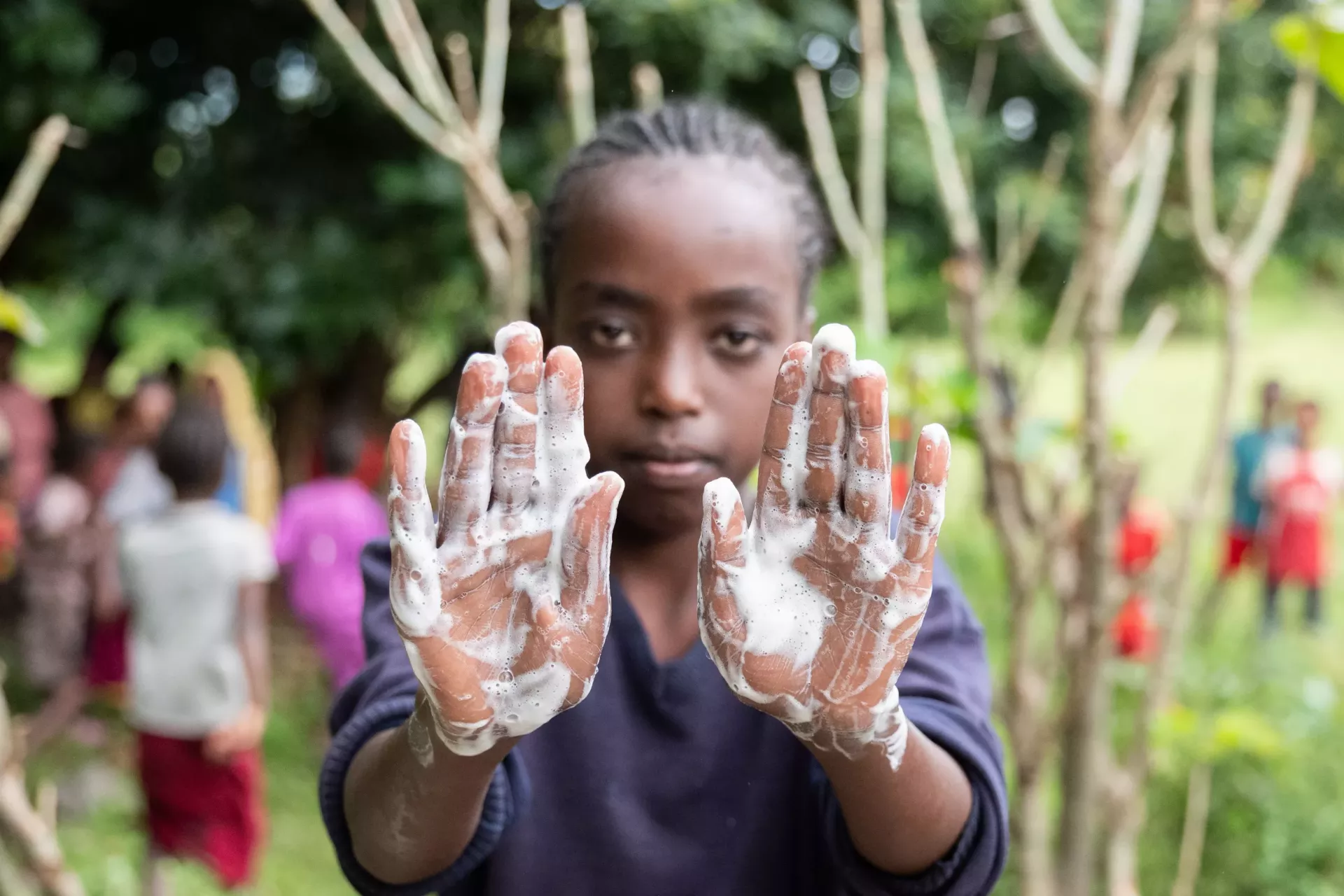
Back off germs!
It is simple, clean hands help us stay healthy
Handwashing with soap and water is one of the simplest, most effective ways to stop the spread of germs and stay healthy. Yet, almost half of schools around the world, lack a handwashing facility with water and soap, affecting some 800 million school-age children. Promoting hand hygiene in schools, health facilities, at home and elsewhere helps prevent diseases like cholera, diarrhoea and pneumonia. This global handwashing day, we are happy to share these key facts about handwashing.

Why handwashing matters?
Simply put, good hand hygiene is a cornerstone of safe and effective health care. It is a highly cost-effective public health measure that is also crucial to protecting against a range of diseases like diarrhoea, cholera and pneumonia.

What is the proper way to wash hands?
Wet hands with running water, and apply enough soap to cover the wet hands. Then scrub all surfaces of the hands – including back of hands, between fingers and under nails for at least 20 seconds and rinse thoroughly.

When is a good time to wash your hands?
We should always wash our hands after using the toilet, before and after eating, after handling garbage, after touching animals and pets, after changing babies’ diapers or helping children use the toilet and when our hands are visibly dirty.

Children and handwashing
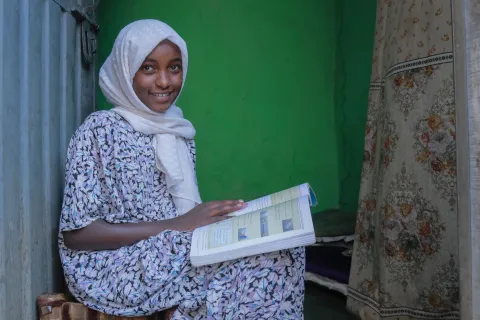
Children should know that washing hands can keep them safe from bacteria and viruses that can make them and others around them sick. They should understand that the habit of regular handwashing is as important as eating a healthy meal.

Is handwashing easy for every child?
No! Although handwashing with soap is critical in the fight against infectious diseases, nearly 43 per cent of schools around the world lack a handwashing facility with water and soap. It is unfortunate to see that in least developed countries, 7 out of 10 schools have no place for children to wash their hands with water and soap. In Ethiopia, only 8 per cent of the population has access to basic handwashing facilities with soap and water[1].
[1] UNICEF and WHO JMP 2023

What is UNICEF doing?
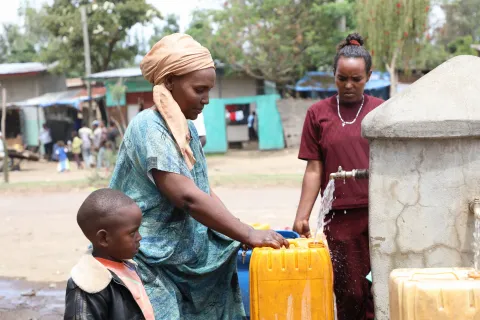
UNICEF works to ensure children and families have access to appropriate handwashing facilities. In Ethiopia, UNICEF, in partnership with the government and other organizations, supports the installation of handwashing stations in schools, health centres, and public spaces. UNICEF also works on:
- WASH programmes: These programmes focus on providing clean water, proper sanitation, and hygiene facilities, particularly in rural and underserved areas. This includes building latrines, installing hand washing stations, and promoting hygiene education
- Handwashing campaigns: UNICEF promotes handwashing through public health campaigns and educational programmes, helping children and their families understand the importance of washing hands with soap. These efforts have reached over 4 million people, including an estimated 515,000 children through targeted school interventions in 2023.
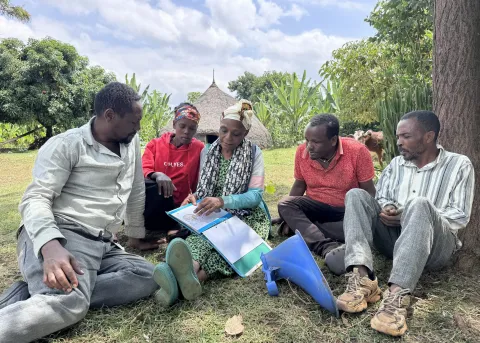
- Collaboration with governments and communities: UNICEF partners with local governments are integrating hand hygiene into the school curricula, making sure that children learn handwashing from an early age.
- Emergency response: During crises like droughts or pandemics, UNICEF provides urgent access to water, sanitation, and hygiene supplies, including soap and handwashing stations, to protect vulnerable populations.