Turning Sunshine into Water
How solar power changed the lives of women in the Oromia region
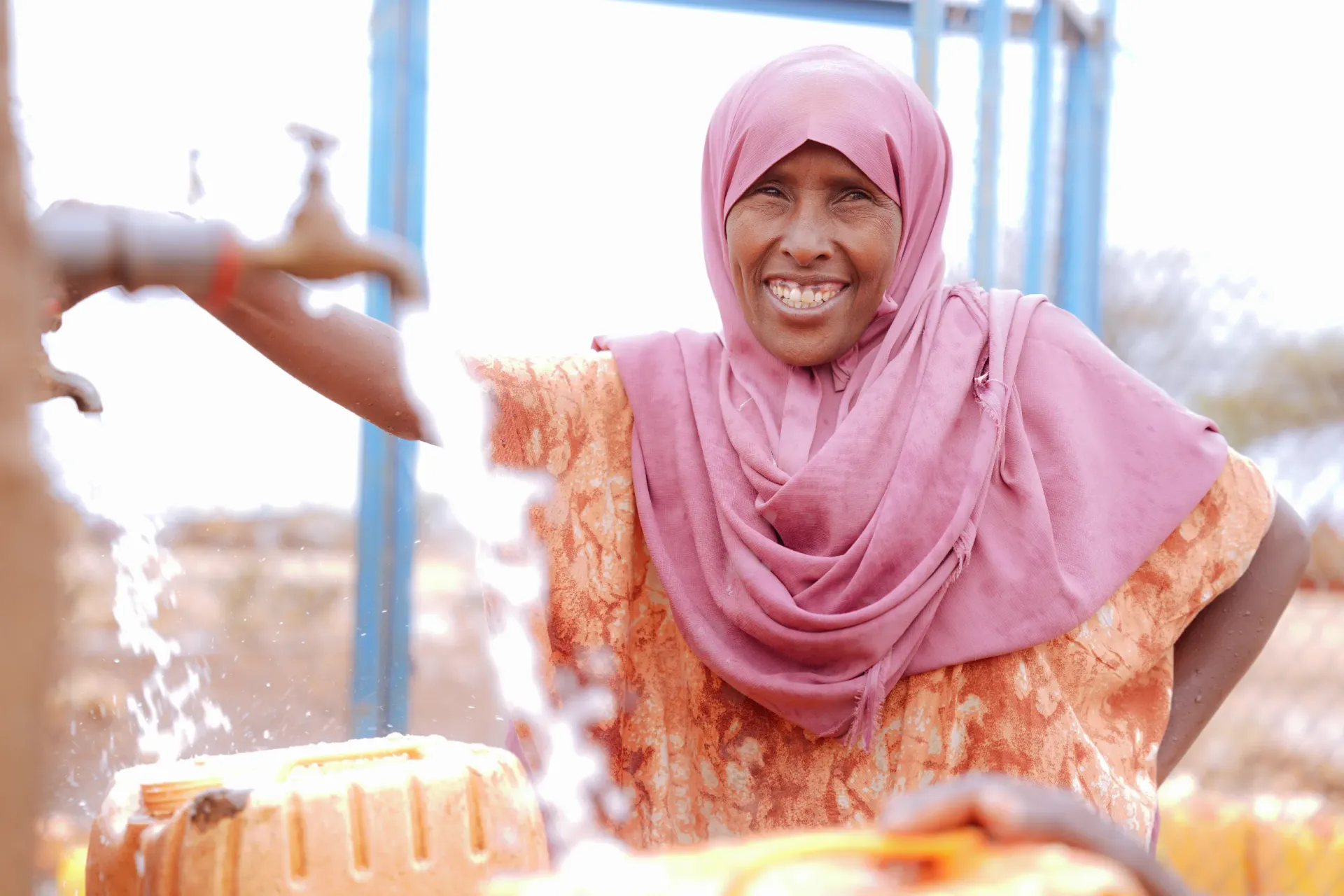
Fatuma Kedir, a 23-year-old mother living in Kurfa Roka kebele (sub-district) in Burka Dimtu Woreda (district) of West Hararghe zone Oromia Region explains that life before the new water system was a daily struggle defined by stress, exhaustion, and uncertainty.
She recalls how, when the water supply fails due to lack of fuel or a broken generator, each day would start long before sunrise. She and her peers in the village would walk great distances in search of water, often from unsafe sources, and when those sources ran low, they would wait in long queues. By the time she made it back home, carrying a 20-liter jerry can, she was already physically drained, exhausted, with back pain, and too weak to manage the rest of her daily responsibilities. These included caring for her children, cooking, tending to the cattle, washing clothes and utensils, and taking part in community life.
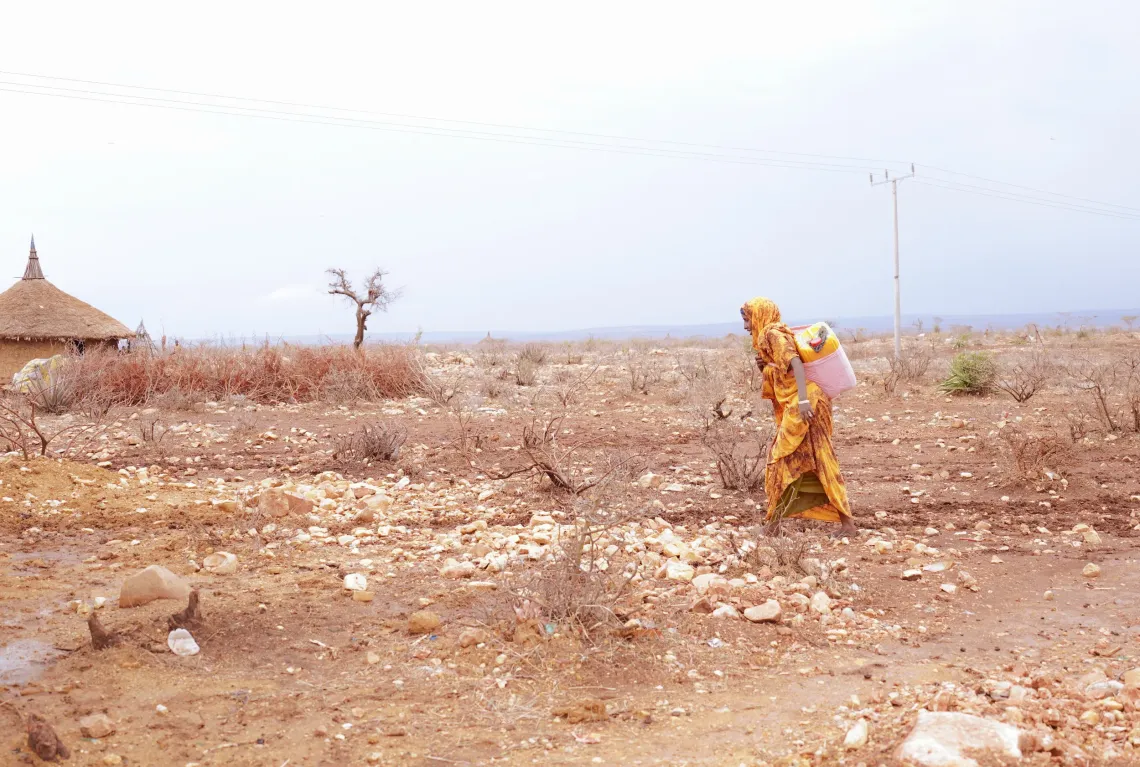
Fatuma explains that the situation grew even more severe during drought periods, when every water source would dry up completely. At times, disputes would break out as women competed fiercely for the dwindling supply.
“But everything changed when the Tayife water system was solarized,” she says. The solar-powered system now brings water all the way from Tayife to her village, Kurfa Roka, located about 40 kilometres from the source.
“After this solar installation, for the first time, water flows every morning, even during the dry season, without interruption from fuel shortages or generator breakdowns,” Fatuma added.
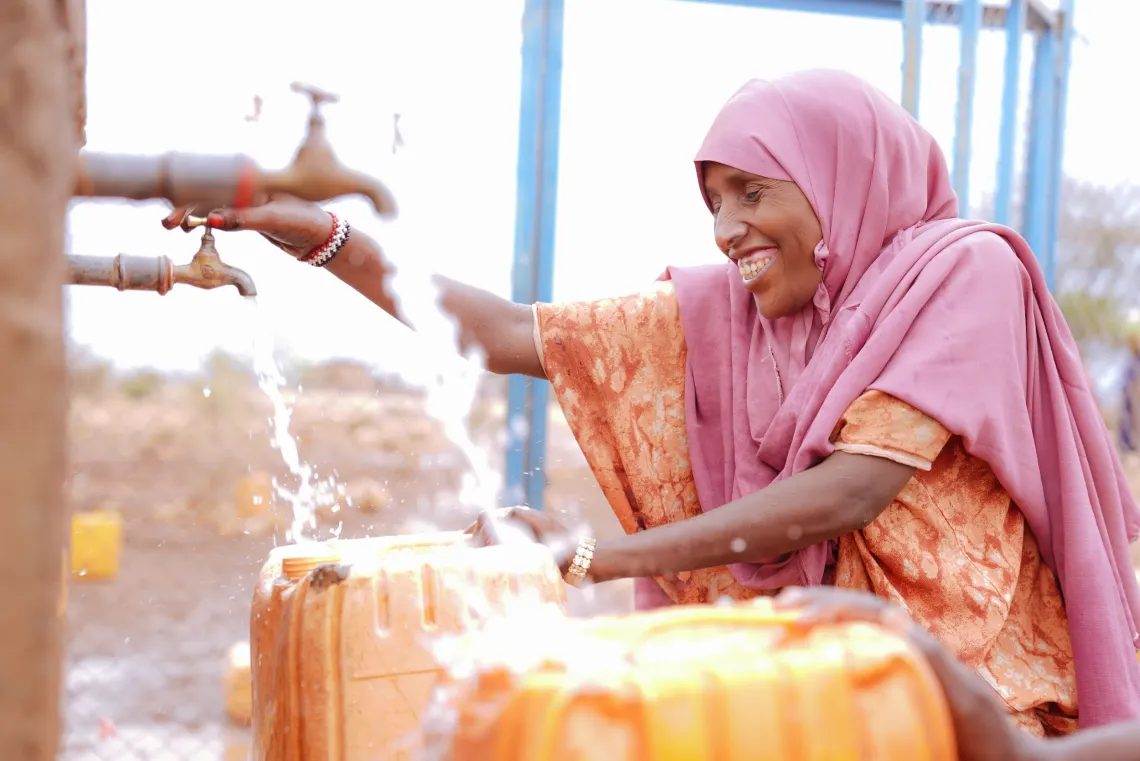
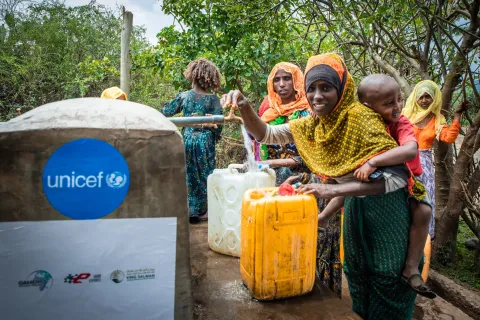
She now collects water from a nearby public tap in just minutes, rather than hours. The time she once spent walking long distances is now used to tend her small garden, care for her children, and complete her household chores without rushing.
For Fatuma, the greatest change is the end of the exhaustion and stress that once defined her every day. Access to water, she explains, is no longer a daily crisis; it has become a reliable service.
“The sun no longer only brings too much heat to dry up our water sources. Now, it brings us water, which is life and hope,” says Fatuma.
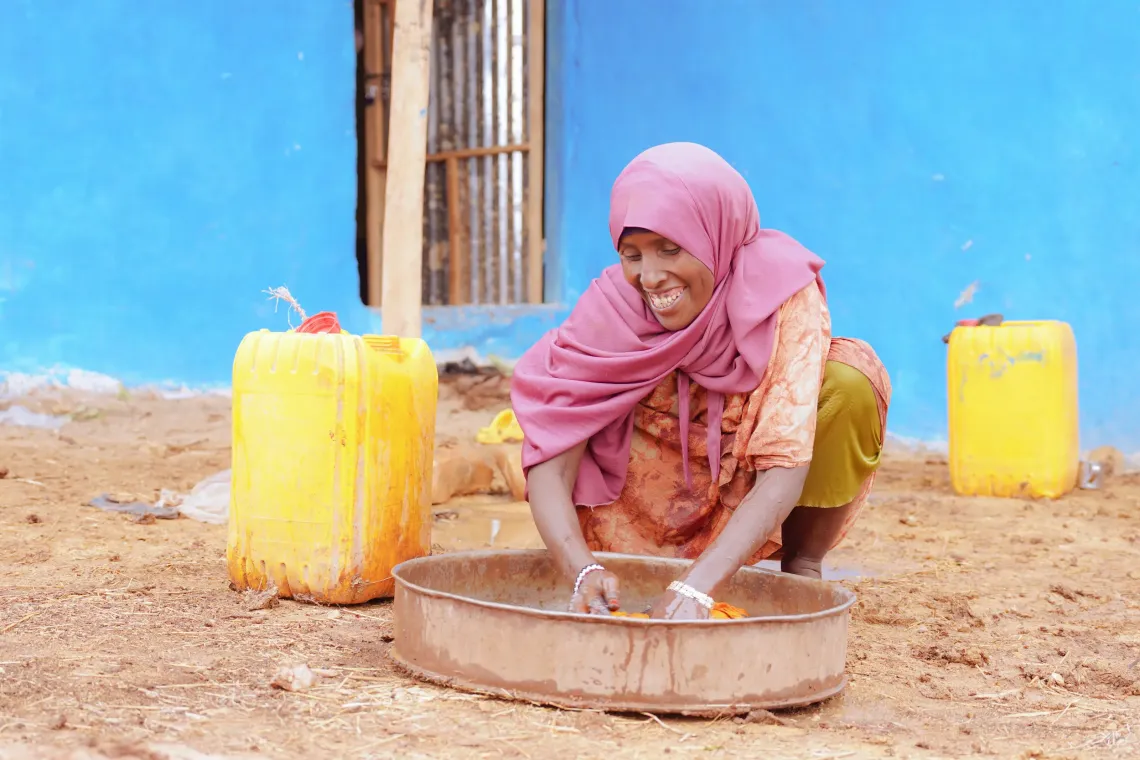
For women, the transformation brought by the solarization of water schemes has been profound. It improves maternal and child health, contributes to the elimination of gender-based violence, boosts school attendance, and strengthens household economies and livelihoods. The time once spent walking long distances can now be invested in small businesses, farming, and other income-generating activities. The burden that once defined their daily routine has finally been lifted.
In an area like Tayife (Burka Dimtu), where climate-related drought remains a constant threat, the solarized water system stands as a symbol of resilience. It demonstrates how climate-adaptive and sustainable solutions can strengthen livelihoods and empower women.
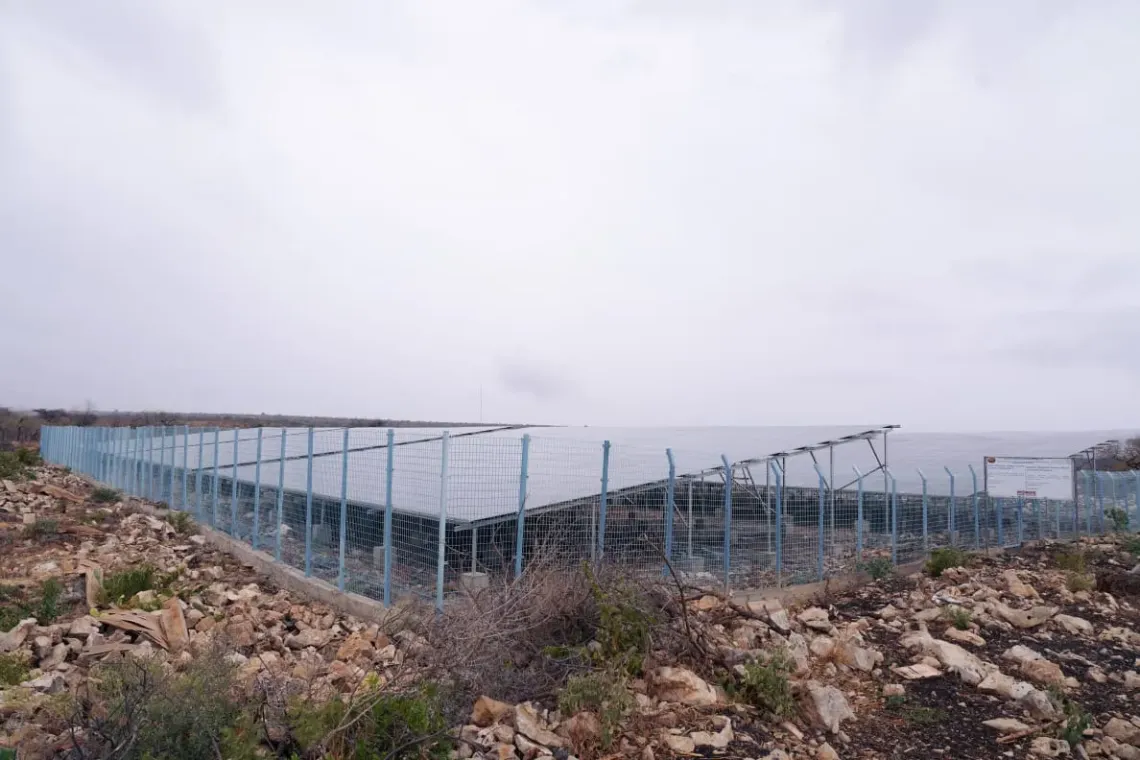
Today, amid the dry landscape, water flows steadily through more than 130 kilometers of pipes carried not by chance, but by sunlight, captured and converted into power through solar panels installed at the source and three booster stations. And with every drop, it carries hope.
With the support of the Republic of Korea, more than 200,000 people affected by drought and other humanitarian crises like Fatuma now have access to safe and reliable water, as well as health facilities with strengthened infection prevention and control measures. This support reaches communities in Benishangul-Gumuz, Oromia, Southwest Ethiopia, and the Tigray region of Ethiopia.