From Darkness to Light
Adolescent FGM survivor works to end harmful practices in her community
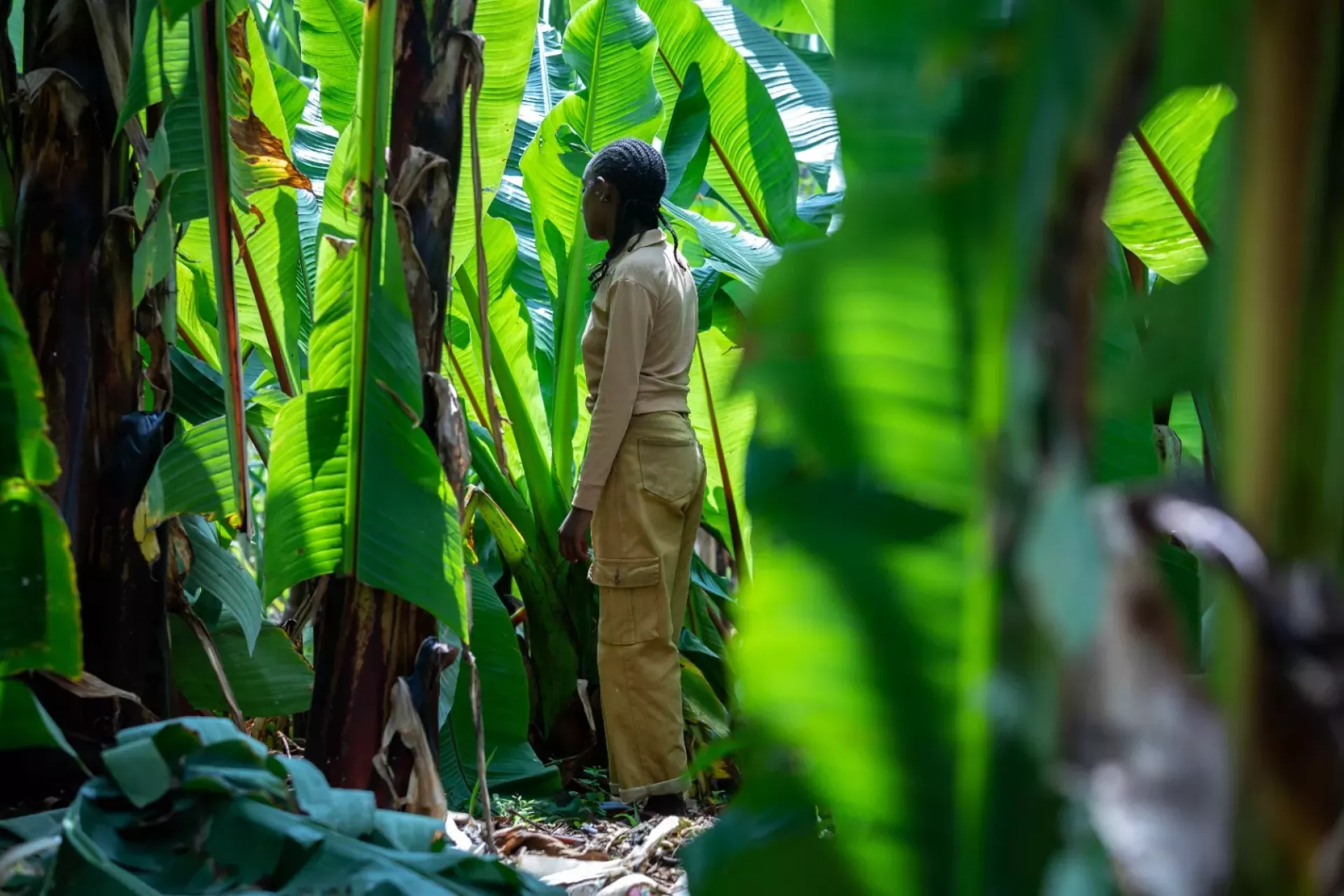
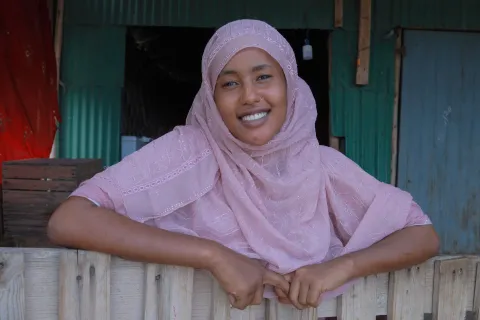
Hawa’s life took a harrowing turn when, at the tender age of 13, she was abducted from her school. The ordeal that followed, marked by forced female genital mutilation (FGM) and sexual assault, was a brutal violation of her innocence. Yet, from the depths of despair, Hawa emerged as a symbol of unwavering resilience.
In parts of Sidama, the home place of Hawa, FGM is performed on girls at the time of marriage. Currently, the practice is significantly reduced, nevertheless, there are instances of such incidents reported. Most of the time the practice is performed in secret. The circumcision of Hawa was arranged similarly, by the abductor & his family members.
“When I was on my way home from school a young man (suitor) approached me and forcefully put me on a motorbike together with his friends. They hide me in a family house and a few hours later a woman came. The men held my hands and legs very tight, and the women circumcised me” said Hawa remembering the horrific incident. According to her suitor and his friends that circumcision of Hawa signaled that Hawa is conformed to the cultural rites and is fully ready to become a wife.
Despite the FGM & sexual assault she endured, Hawa didn’t give up. She escaped from the forced marriage and sought justice. Her escape and subsequent discovery by local authorities set in motion a chain of events that highlighted the importance of community action. The Girls’ Forum, along with the swift intervention of the Woreda's (District) Women, Youth, and Children Office (WYCA) and the police, demonstrated the power of collective efforts in addressing gender-based violence.
Upon her rescue, Hawa was referred for immediate medical attention and received a series of psychological counselling sessions while staying in a safe house. Through the coordinated effort of woreda (district) authorities, the woreda Justice, Health and WYCA Offices and the Police, Hawa’s case was brought to court and sanctioned. The woman who performed the FGM was also sentenced to 5 months imprisonment.
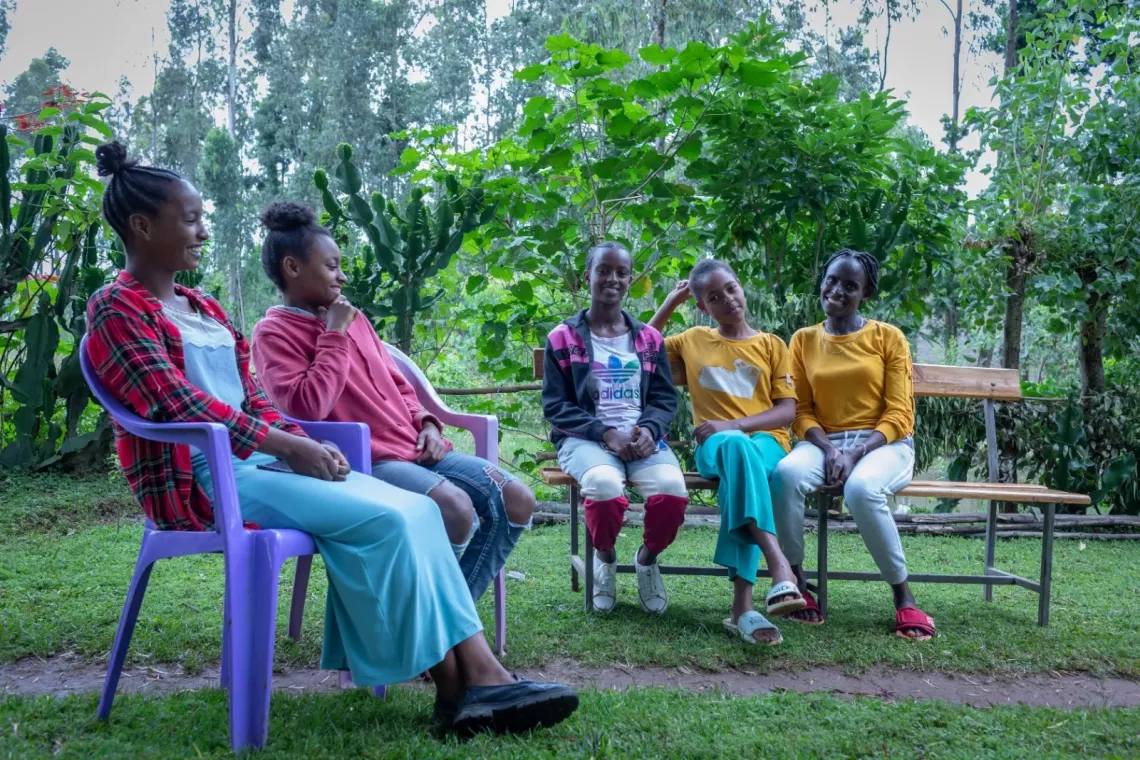
Hirut Tadesse, Girls’ Forum leader and 11th grade student at the same school Hawa goes to recalls the incident, “We managed to rescue her, but she was hurt. I reported to the woreda authorities as soon as I heard. Hawa returned to her family’s house after two horrible days in the hands of her abductors.”
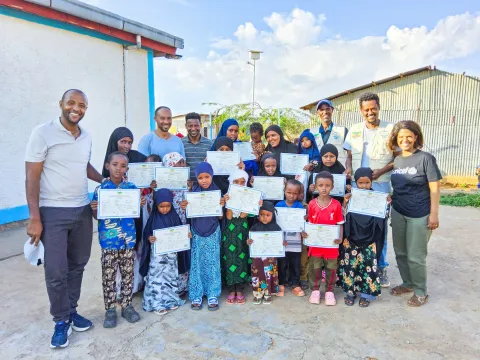
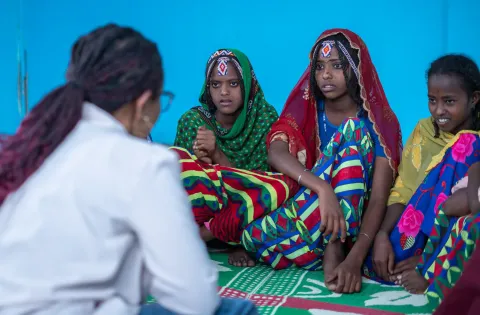
The Girls’ Forum members welcomed Hawa into their group and continued supporting her recovery. Hawa started participating in the bi-weekly life skills activities and peer-to-peer learning sessions. With educational support and regaining confidence, Hawa returned to school and now she is a 7th-grade student.
“I want FGM and child marriage to be eliminated, I share my experience with other girls and encourage them to report such incidents, protect themselves and stay in school, despite difficult circumstances” Hawa said.
Despite the trauma she endured, Hawa’s spirit remains unbroken. Her unwavering determination to pursue her dream of becoming a doctor is a testament to the resilience of the human spirit.
Coordination and integrated efforts among government sectors have been instrumental in ensuring holistic support for survivors of gender-based violence (GBV) including FGM. Life skills engagements empower adolescent girls to seek services, defend their rights and protect each other.
Through the support of UNICEF and Department of Foreign Affairs, Trade and Development (DFATD) Canada, survivors like Hawa recovers from their horrific experiences and many other girls are protected from GBV including FGM.
Hawa’s story is a beacon of hope, urging us all to support survivors and create a future where every girl can live free from fear and violence. By fostering a culture of empathy, understanding, and empowerment, we can work towards a world where such atrocities are a thing of the past.