Afar Through My Eyes
Where Survival Meets Hope
The heat in Afar wraps around you the moment you arrive. It is thick, unrelenting, and impossible to ignore. On April 7, I stepped into the region for the first time as a UNICEF youth representative. What I was about to experience, however, would leave a far deeper impression than the heat ever could.
I am Dagmawit Bedilu, a medical student and a member of UNICEF’s Global Youth Health Advocacy Group. I have previously traveled across Ethiopia, engaging with young people along the way. However, my visit to Afar was unlike any experience I had before. It was a story I would carry with me forever.
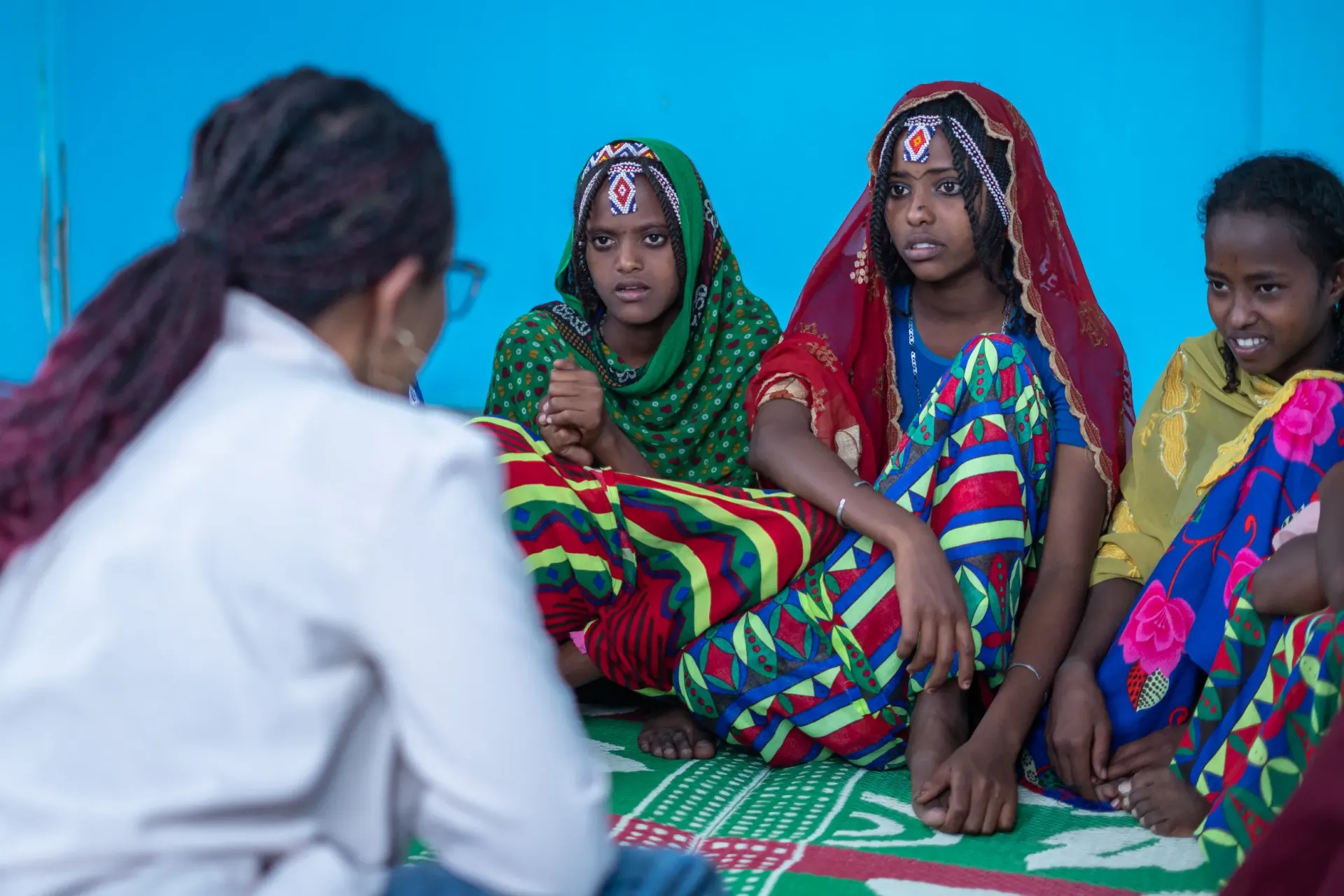
On the first day, our first stop was Chifra, a three-hour drive from the regional capital, Semera. There, we visited Mesgido Health Center and sat on a simple mat laid across the floor of a waiting room. Around me were adolescent girls, their presence quiet and almost hesitant. At first, they avoided eye contact, their faces partially hidden behind scarves, their hair decorated with beads.
Despite the language barrier, and with the help of translators, their stories slowly began to unfold. With every sentence translated, I found myself wishing I could understand their words directly, to fully grasp the emotions and weight behind them.
The girls described lives shaped by responsibility from a very young age. Their days begin before sunrise, walking long distances to fetch water, cleaning their homes, preparing food, and caring for livestock, siblings, and often their own children. School was never truly an option.
“We didn’t see the point in continuing school,” said Fatuma, a 14-year-old girl who had already dropped out. “Our parents didn’t either. They prefer us to stay home and work.” The other girls nodded in agreement. None of them knew anyone who had gone to university. Some did not even know it was possible. Without exposure to opportunity, aspiration itself becomes limited.
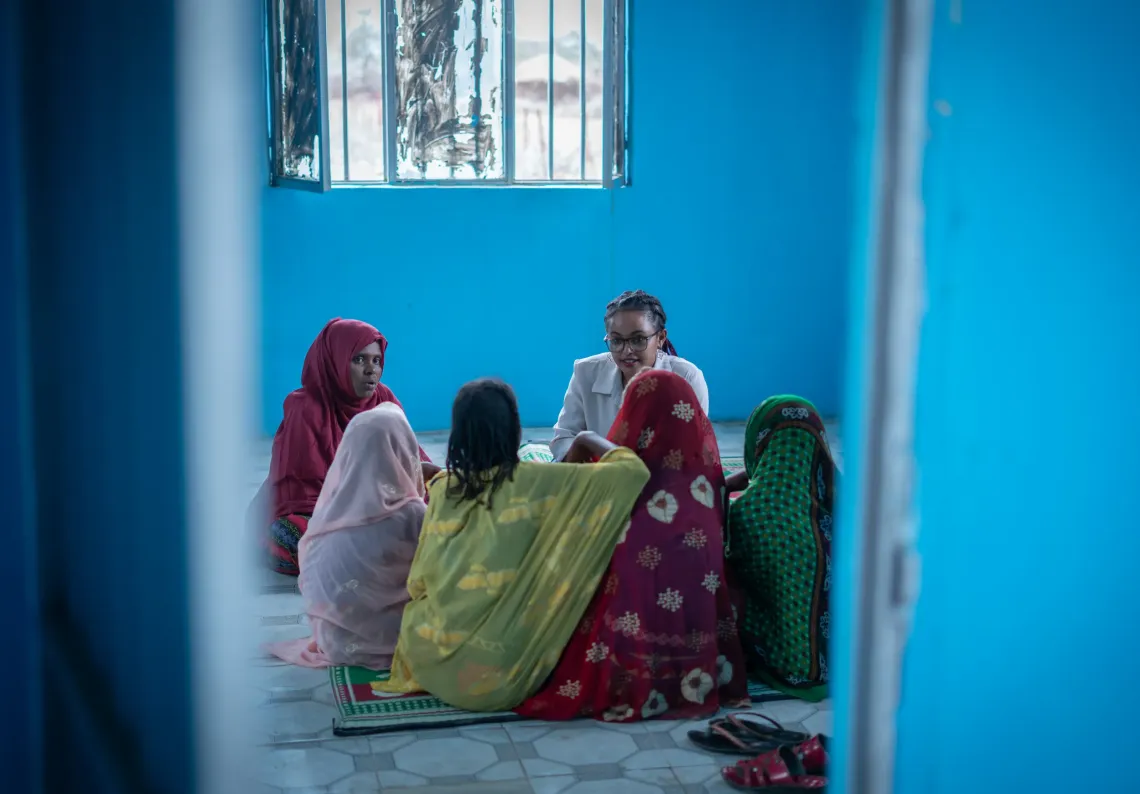
As our discussion shifted to menstrual health, the atmosphere changed noticeably. The girls became quieter, covering their faces and lowering their voices. Menstruation is not openly discussed within their families and is often treated as something shameful. Speaking about it, even in a supportive environment, requires courage.
They rely on pieces of cloth for menstrual hygiene. Their diet consists mostly of milk and bread. This limited nutrition weakens their bodies, especially during pregnancy, which many face at a very young age. Many girls are married at the age of 10, or even younger, often shortly after the onset of menstruation, which is perceived as a signal of readiness for marriage.
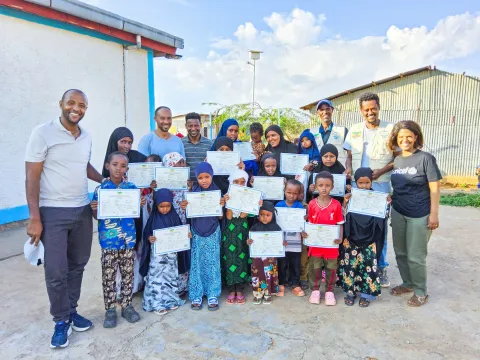
Despite these challenges, I witnessed a powerful sense of hope. Just one week prior to our visit, the girls had participated in a programme where they learned about vaccination, HPV, cervical cancer, menstrual health, hygiene, and the importance of education. The impact was evident. Some expressed a desire to return to school, and even their parents agreed. In their eyes, I saw a shift.
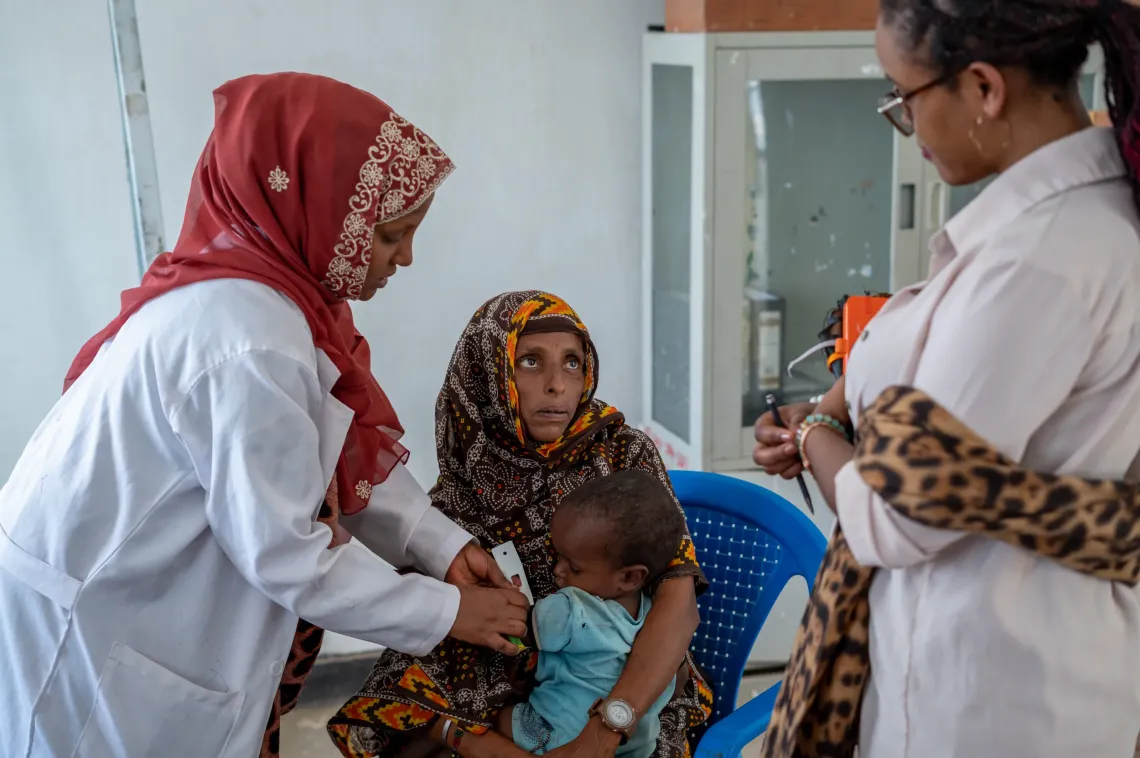
Before leaving, I spoke with Rania, a midwife at the health center. She was seven months pregnant, yet still working tirelessly, traveling to villages to provide care. She worried about what would happen when she went on maternity leave. Challenges such as limited fuel, transportation, and medical supplies, including vaccines, make it difficult to reach remote communities. Despite these obstacles, her commitment remained unwavering, reflecting both resilience and a deep sense of responsibility.
On the second day, we traveled approximately 60 kilometers from Semera to a facility known as 60 Health Center. From there, we continued further into remote areas alongside health workers. After hours of travel, we reached a community gathered around a fire for a feeding programme. The setting felt isolated, with homes constructed from stacked rocks and the very limited resources available.
Here, life was even more extreme. Water is collected from rainfall, which comes only once a year. That water is shared by everyone, for people, animals, cooking, and cleaning. When it runs out, they move. Waterborne illnesses such as diarrhea are common, particularly among children, yet they are often accepted as a normal part of life.
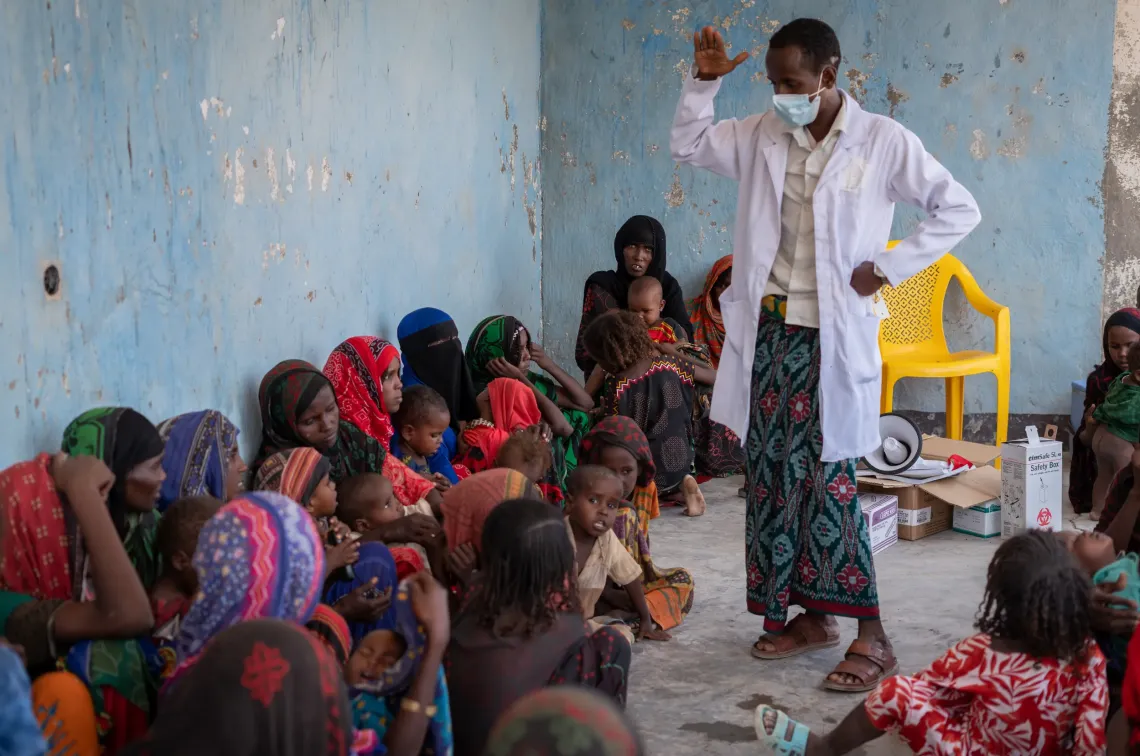
Conversations with the girls in this area revealed similar patterns of early responsibility, limited access to education, and restricted healthcare services. Many had undergone female genital mutilation, not by personal choice, but due to deeply rooted cultural practices. Awareness of menstrual hygiene products was minimal, and access to these resources was nearly nonexistent.
Before leaving, I asked both groups of girls a simple question. If they were leaders, what would they change? Their answers were strikingly consistent. Soap, sanitary pads, and underwear. These are not ambitious demands, but necessities. Yet for them, these remain out of reach.
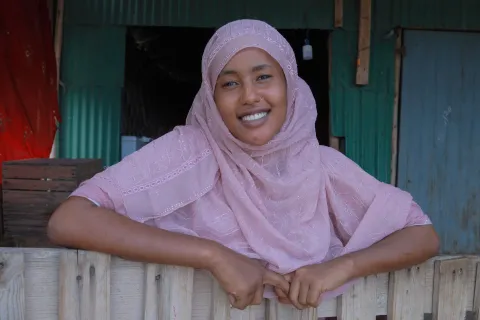
Despite everything, the harsh climate, lack of adequate services, and cultural pressure, these girls were strong. They were resilient and hopeful. Even small interventions, such as access to information, basic resources, and supportive programmes, are beginning to change their perspectives.
My experience in Afar was not only a professional engagement, but also a profound personal journey. It challenged my assumptions, deepened my understanding, and strengthened my commitment to advocacy and to UNICEF’s work. The changes taking place may be gradual, but they are real. And for the girls of Afar, this is only the beginning.