Change is Real
Reflections from community elders on their journey to end harmful practices
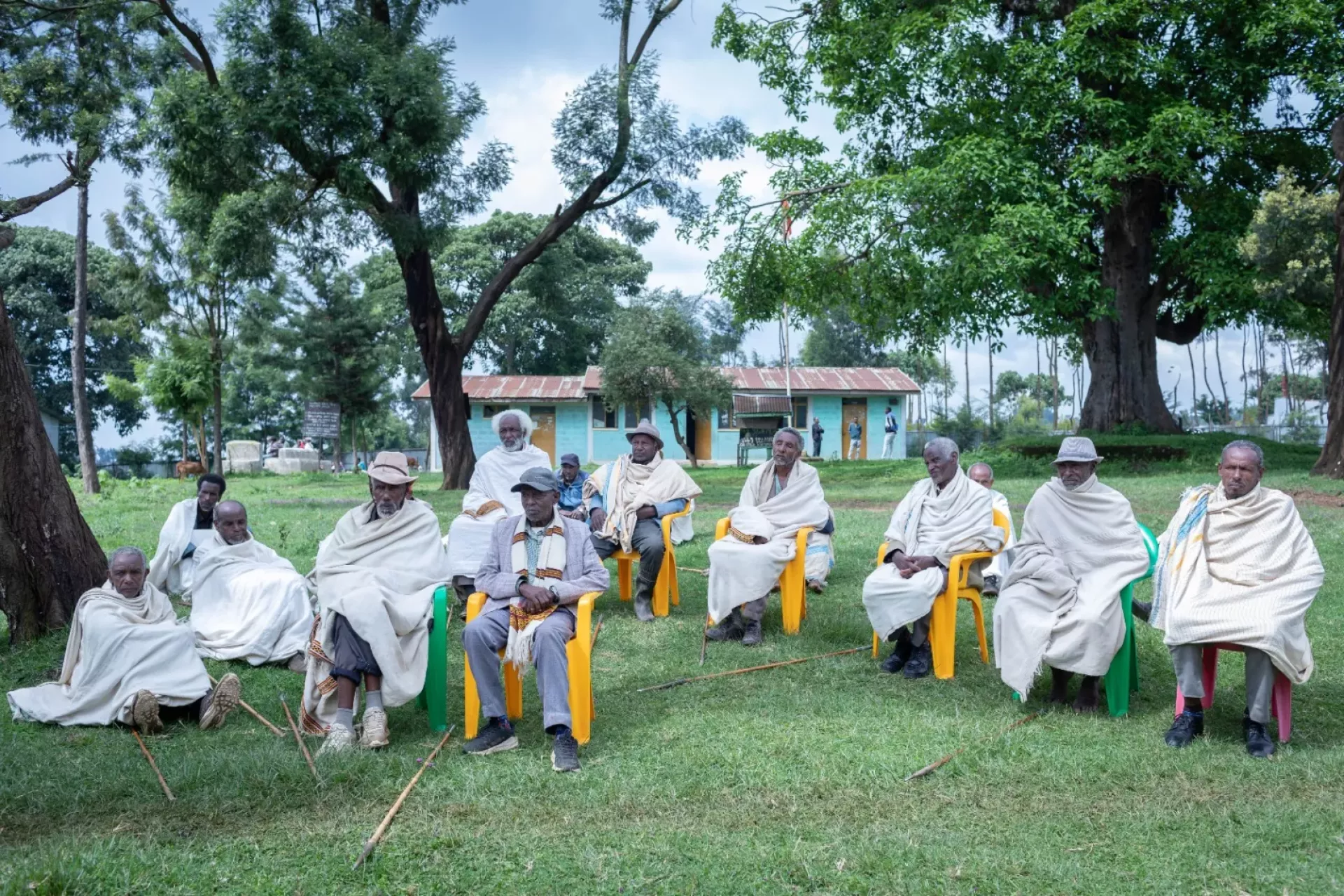
The practice of Female Genital Mutilation (FGM) in the Sidama region remains alarmingly high, with a prevalence rate of 87.6% among women aged 15-49. Fortunately, 56.3% of these cases occur after girls reach adolescence, providing an opportunity to protect many at-risk girls.
To eliminate this practice, UNICEF has implemented comprehensive prevention and response interventions using a socio-ecological framework that centres on girls and employs a multi-sectoral approach to address the various drivers of FGM.
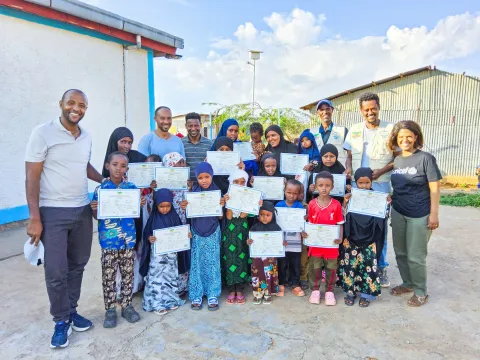
Community leaders play a pivotal role in this effort by leveraging their influence and respect within their communities. As gatekeepers of social norms and sources of guidance, they are uniquely positioned to influence community attitudes and practices towards FGM and child marriage.
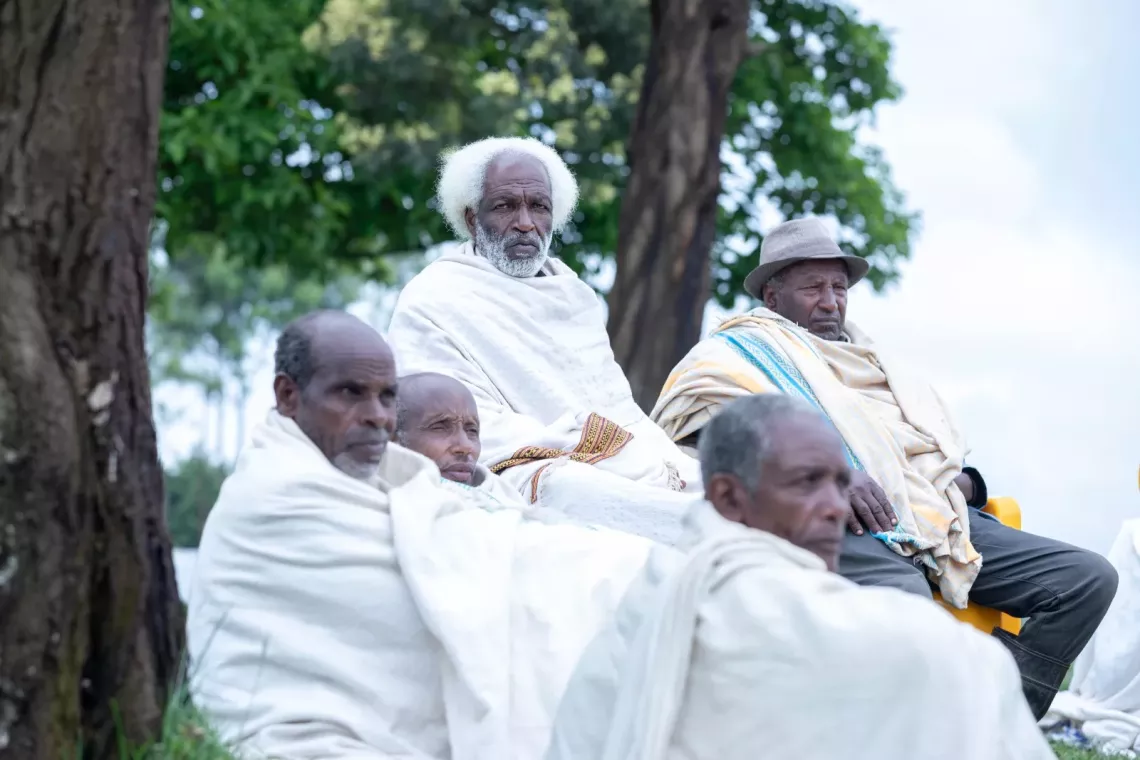
"In our kebele, harmful practices such as Female Genital Mutilation (FGM), Child Marriage (CM), and traditional uvulectomy have been deeply ingrained in our culture for generations. However, we are beginning to witness a positive shift.
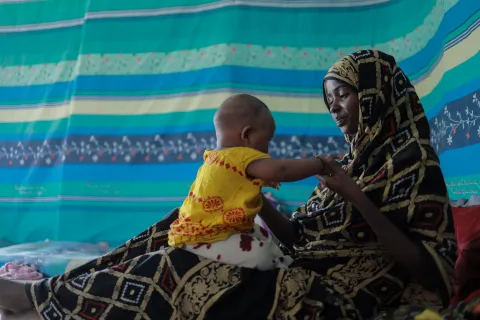
One critical issue we face is the severe complications young girls endure during childbirth because of FGM and CM. These practices often lead to high-risk teenage pregnancies, putting both the mother and child at risk. We are working hard to raise awareness that girls should marry only at the appropriate, legal age. In fact, in our community, anyone who arranges or participates in child marriages now faces strong criticism and social pressure to stop.
Another harmful practice that has come to an end in our kebele is 'Levirate Marriage,' where a widow was compelled to marry her deceased husband's brother or another family member. These changes represent significant progress in protecting the rights and well-being of women and girls in our community.”
Harmful practices like FGM, child marriage, and levirate marriage are fading in our community. We’re raising awareness to protect girls from life-threatening complications and ensuring they marry at the right age. Change is happening—together, we’re safeguarding our future." – Bekele Biliso
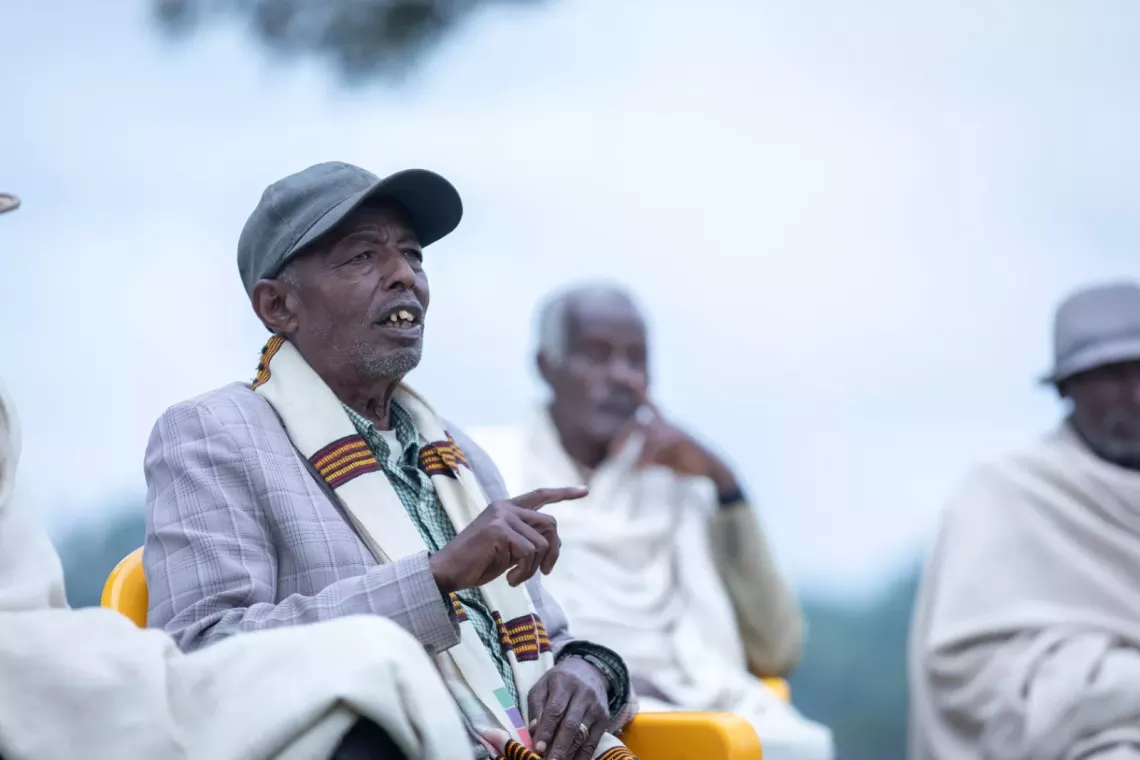
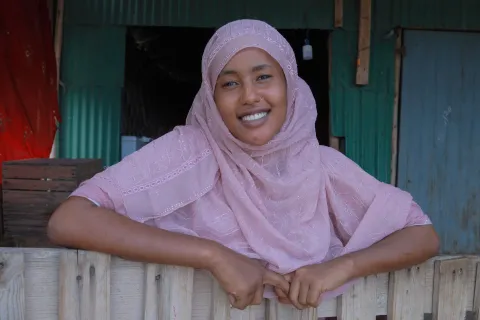
"Change is real, and our girls have a brighter, safer future.”
“In our kebele, harmful practices such as Female Genital Mutilation (FGM), Child Marriage (CM), and traditional uvulectomy have been part of our cultural fabric for generations. These practices were widely accepted, even though they caused immense harm, particularly to women and girls. However, change began when NGOs, along with government organizations like the Women, Youth, and Children Bureau (WYCB) and the Bureau of Health , started to intervene and raise awareness about the dangers of these traditions.” – Kayamo Dumo
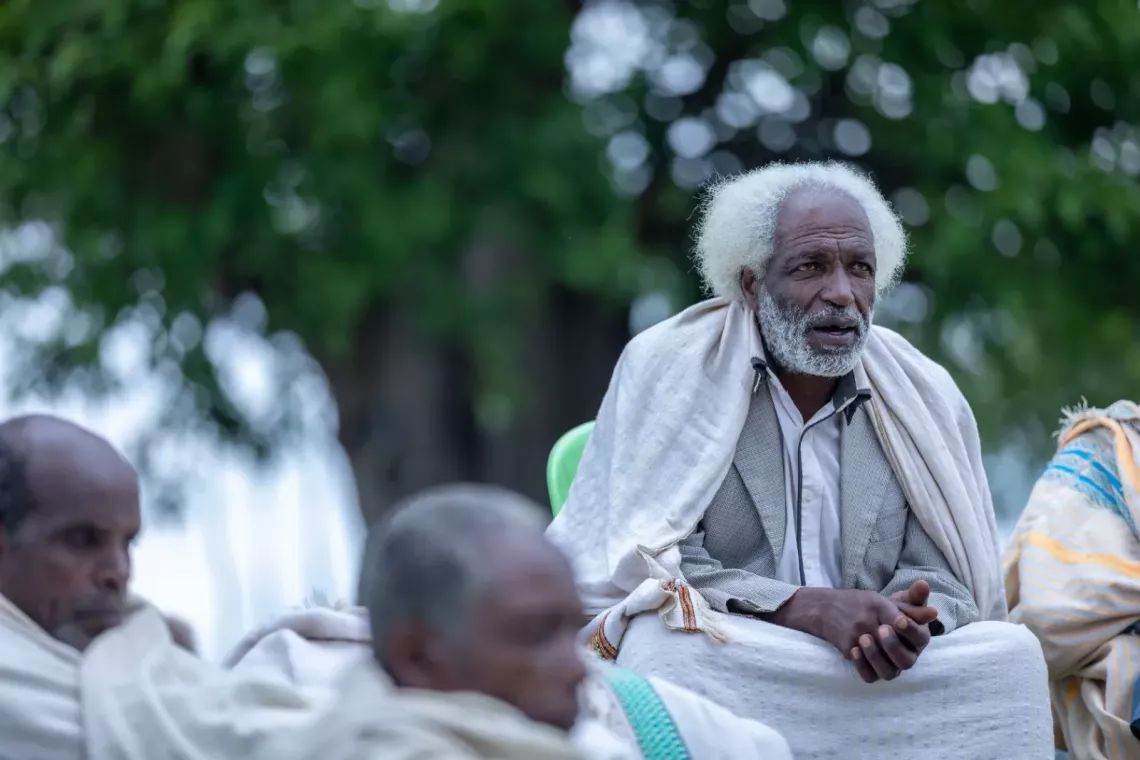
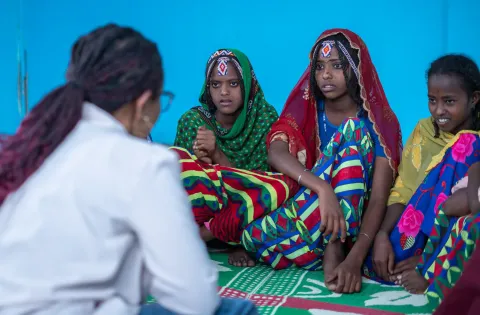
"Girls begged to finish school and chase their dreams, but their voices went unheard."
“In our community, we used to believe that Female Genital Mutilation (FGM) was something good for women, as it was thought to secure blessings for the family from God. If a woman was not circumcised, it was believed that the entire family would lose this divine favour. Both brothers and fathers pressured their young daughters into child marriages, often for the gifts they would receive from the in-law families, but also to avoid the shame and stigma of having an unmarried daughter.
I remember girls crying and begging their families to let them finish school and pursue their dreams, but their pleas often went unheard. These young girls had no choice, and their futures were shaped by these harmful customs.” – Hassena Nugei
“We used to say that Female Genital Mutilation (FGM) was a tradition of the Sidama people, something passed down from our ancestors. It was accepted without question. Now, however, anyone found performing circumcision faces punishment. Initially, they are given a chance to stop through awareness and education. If they refuse to stop, they are fined 500 ETB and face legal action, which could lead to their arrest.” – Eyassu Ugga
Through capacity-building training, platforms for exchange, and support in community education during public gatherings, these leaders have become proactive champions for change. As a result, many community leaders in the target areas have pledged to end harmful practices affecting women and girls. Their commitment has significantly contributed to creating a protective and empowering environment that denounces FGM and supports girls in their personal development, including education and training, enabling them to thrive. The involvement of community leaders is essential for the sustainability of anti-FGM efforts, as their endorsement and active participation can lead to long-lasting change and the eventual eradication of FGM.
On behalf of the girls and women and their families and communities served, UNICEF seizes this opportunity to express its sincere appreciation for the generous contributions of the Department of Foreign Affairs, Trade and Development (DFATD) Canada.