UNICEF and UNFPA call for accelerated action to protect 2.5 million girls at risk of undergoing FGM by 2030
JOINT PRESS RELEASE
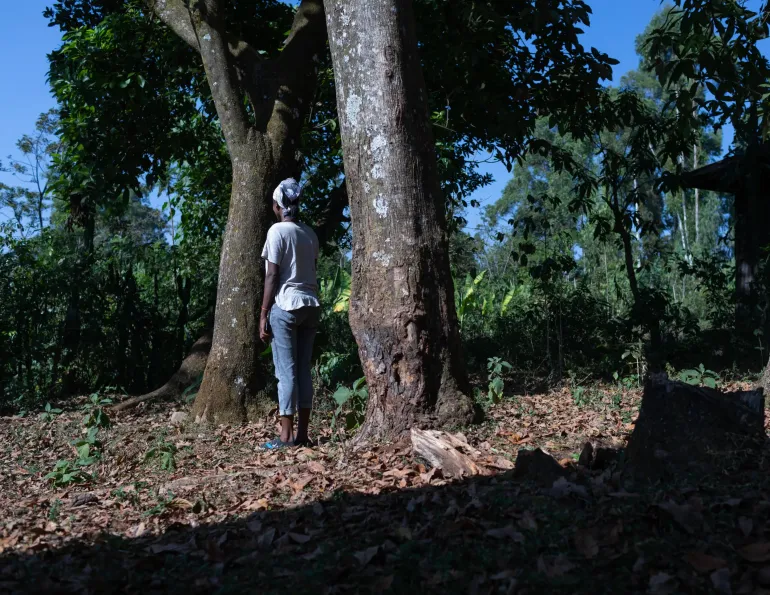
Addis Ababa, 06 February 2026: Today, Ethiopia joins the global community in observing the International Day of Zero Tolerance for Female Genital Mutilation (FGM) under the theme: Towards 2030: No End to FGM Without Sustained Commitment and Investment.
This year, Ethiopia marks a decade of progress, having made a remarkable stride in reducing the prevalence of FGM. This achievement is the result of strong government leadership, the active engagement of community actors, women’s organizations and youth networks, and the support of development partners.
Yet, despite these gains, much remains to be done. Ethiopia must accelerate progress fivefold to protect an estimated 2.5 million girls at risk of undergoing FGM by 2030. Without urgent and sustained action, the futures of these girls remain in jeopardy.
“The progress achieved in ending FGM must not be undone. Girls’ bodily autonomy, dignity and lives are not negotiable, and any reversal places the most vulnerable at even greater risk,” noted Mr. Koffi Kouame, UNFPA Country Representative. He went on to state that protecting FGM survivors and preventing future harm requires a significantly increased level of commitment and investment. “Without decisive, sustained action, the cost of inaction will continue to be paid by girls and women.”
“We cannot afford to put the lives of girls in danger or reverse the progress made in ending FGM. Flexible and long-term funding is essential to preserving progress, sustaining momentum, empowering communities, and ensuring stability and confidence for frontline actors,” said Dr Aboubacar Kampo, UNICEF Ethiopia Country Representative.
Evidence shows that every US$1 invested in ending FGM yields US$10 in long-term returns. Conversely, treating the health complications of FGM costs health systems an estimated US$1.4 billion per year. Yet, the UNFPA–UNICEF Joint Programme on the Elimination of Female Genital Mutilation, which aims to achieve zero FGM by 2030, faces a significant funding gap.
UNFPA and UNICEF Ethiopia call upon government leaders at all levels, civil society organizations, community and religious leaders, philanthropic partners, the private sector, and youth and women’s networks to deepen engagement and mobilize all available financial and non-financial resources to protect the rights, health and dignity of every girl.
The UNFPA–UNICEF Joint Programme on the Elimination of Female Genital Mutilation will continue to work closely with the Ministry of Women and Social Affairs and all partners to accelerate national efforts to end FGM by 2030.
Media contacts
About UNICEF
UNICEF promotes the rights and wellbeing of every child, in everything we do. Together with our partners, we work in 190 countries and territories to translate that commitment into practical action, focusing special effort on reaching the most vulnerable and excluded children, to the benefit of all children, everywhere.
For more information about UNICEF and its work for children, visit www.unicef.org.
Follow UNICEF on Twitter and Facebook
About UNFPA
UNFPA is the lead UN agency for delivering a world where every pregnancy is wanted, every childbirth is safe, and every young person’s potential is fulfilled. UNFPA reaches millions of women and young people in 155 countries and territories. UNFPA remains strongly committed to engaging with Member States, civil society, UN agencies, and all other stakeholders to accelerate the elimination of FGM worldwide. Protecting girls upholds their sexual and reproductive health and rights and enables them to realize their full potential.
For more information about UNFPA and its work, visit: http://ethiopia.unfpa.org/