Children affected by the Venezuela earthquake need urgent help
Click to close the emergency alert banner.

R-WASH: Sustainable water for refugees & host communities

UNICEF and UNHCR in partnership with BMZ through KfW are putting climate-smart water systems in place across Eastern Africa
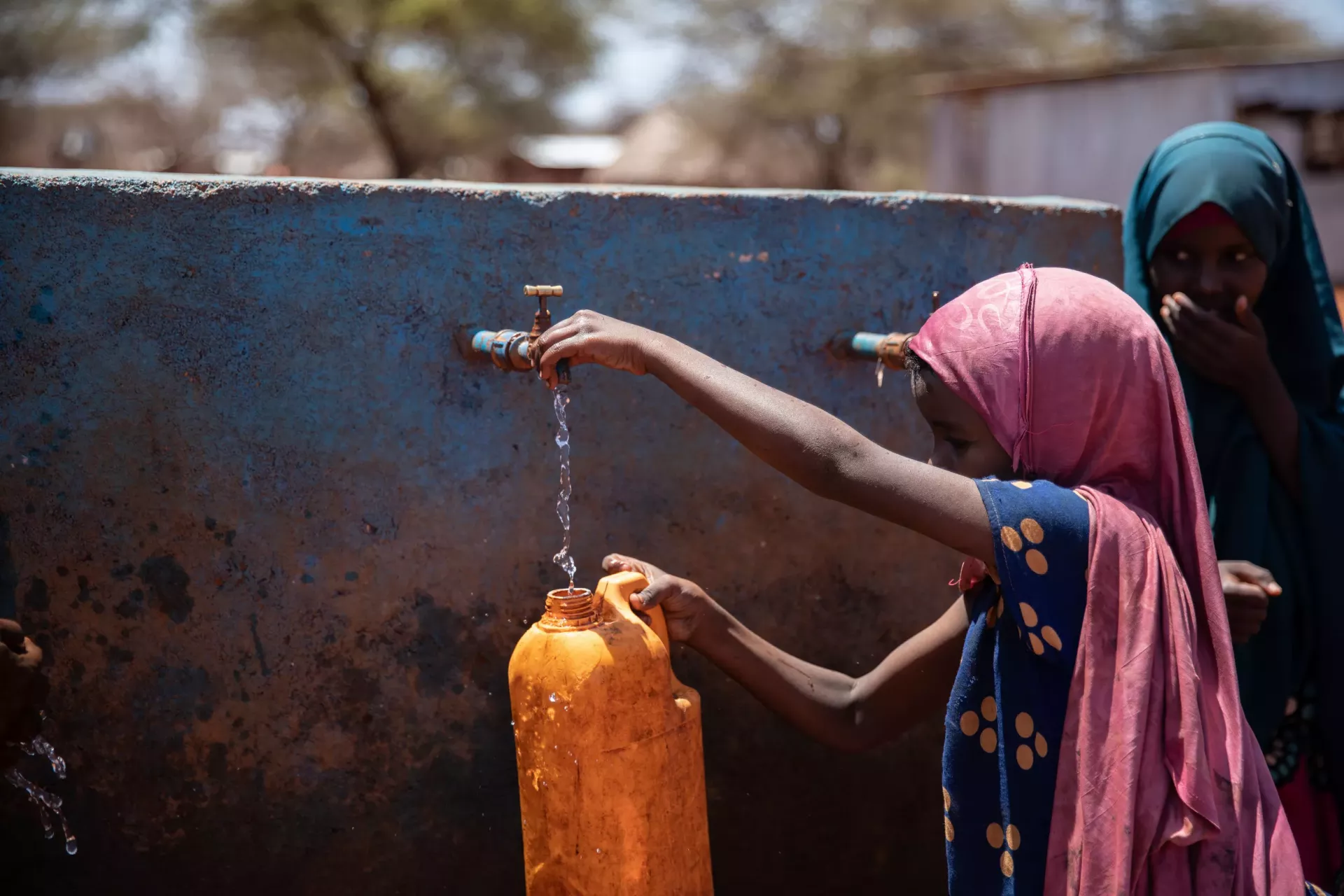
A girl fills a jug with water at an outdoor water source
UNICEF/UN0694021/Bizuwerk
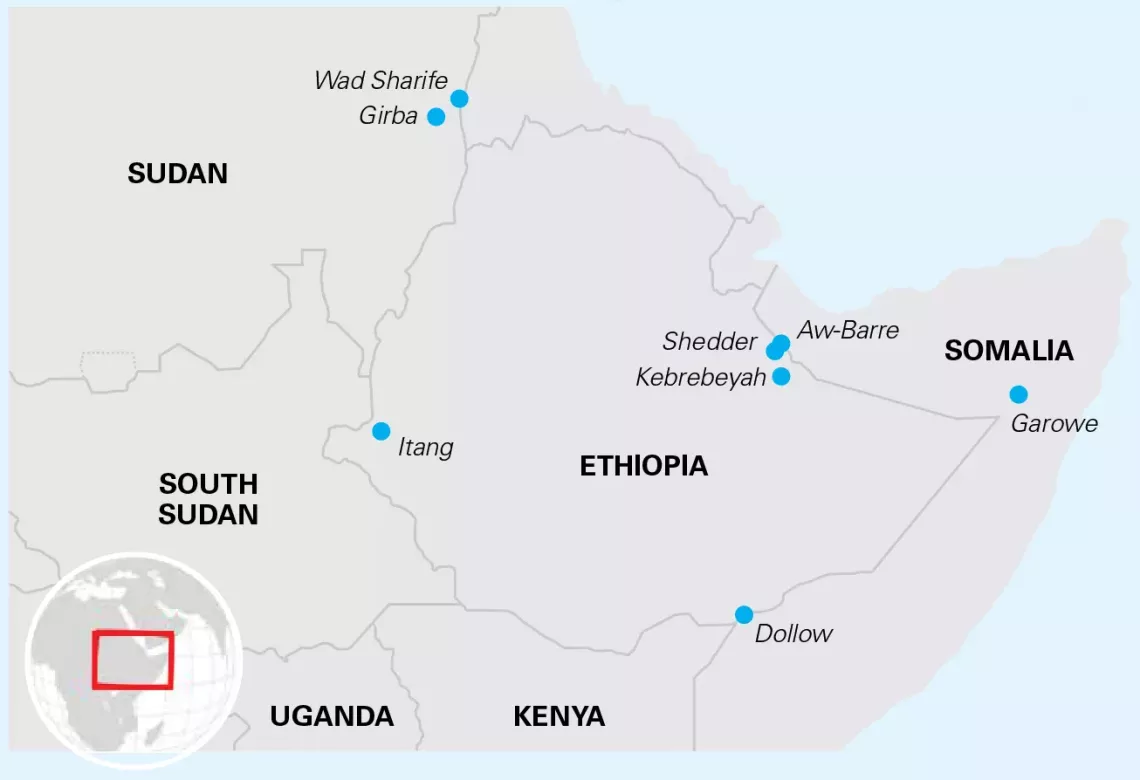
Map of R-WASH

What is the R-WASH Programme?

The Regional Water, Sanitation and Hygiene Programme (R-WASH) is a multi-country, multi-phase initiative implemented by UNICEF and UNHCR in cooperation with the Government of Germany through KfW Development Bank. The project currently supports refugees, internally displaced persons (IDPs), and host communities in fragile and conflict-affected settings across 8 sites in Ethiopia, Somalia and Sudan. 

It includes investments in sustainable, cost-effective and climate-resilient water and sanitation systems, as well as support for the establishment of efficient, local water utilities ensuring long-term sustainability. In Somalia, the programme includes a pilot initiative on Regional Managed Aquifer Recharge (R-MAR) in Dollow, which aims to boost groundwater storage and reduce vulnerability to drought. Xylem, a global water technology company, also supports the project by contributing technical expertise, innovation, and resources to help improve access to safe water and sanitation services in refugee settings.

Embedded video follows
logos of partner organizations

R-WASH in Dollow, Somalia

In Dollow, Somalia, R-WASH, combined with the Managed Aquifer Recharge programme, are helping provide reliable, year-round water access for displaced and host communities, improving health and dignity, while strengthening locally managed water services. Watch how sustainable investment in water is changing lives and helping build more resilient communities.

Embedded video follows
UNICEF Access to safe water is transforming lives in Dollow, Somalia. For years, children, women and families relied on unsafe river water, especially during drought, when wells and water pans ran dry. Today, that reality is changing. Through R-WASH and Managed Aquifer Recharge, communities in Dollow, Qansaxleey and Kabaaso now have reliable, sustainable water access that serves both host and displaced populations, helping reduce inequalities and strengthen social cohesion. This approach is different. By supporting inclusive, climate-resilient water systems, the programme is ensuring that no community is left behind, while improving health, reducing conflict over resources, and building long-term resilience. Sustainable water access is more than a basic need, it is the foundation for dignity, stability and opportunity.

Social cohesion thanks to the R-WASH approach

Today, through the Itang Integrated Water Supply Project, host and refugee communities alike have equitable access to safe water, transforming a once-fragile situation into a model of social cohesion.

Embedded video follows
UNICEF In 2014, the arrival of thousands of refugees into Ethiopia’s Gambella region strained already limited water resources, turning access to clean water into a source of tension. Today, through the Itang Integrated Water Supply Project, host and refugee communities alike have equitable access to safe water, transforming a once-fragile situation into a model of social cohesion. This impact has been made possible by the generous support of the Federal Ministry for Economic Cooperation and Development (BMZ) through KfW, under the Regional WASH for Refugees (R-WASH) programme.

R-WASH in Gambella Ethiopia

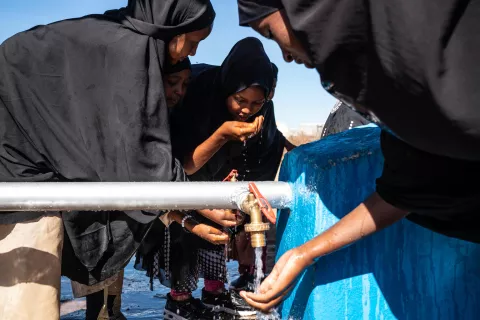
In Ethiopia’s Gambella region, the Itang Water Project now delivers clean water to over 260,000 refugees and host community members, enhancing health, dignity, and social cohesion. 

The BMW/KfW partnership is crucial for expanding access to clean water across Eastern and Southern Africa. From building sustainable infrastructure to strengthening local water utilities, Germany’s support has transformed lives.

Embedded video follows
UNICEF In Ethiopia’s Gambella region, the Itang Water Project now delivers clean water to over 260,000 refugees and host community members. This is made possible thanks to support from Federal Ministry for Economic Cooperation and Development (BMZ), KfW Development Bank. Thanks to this initiative, over 260,000 refugees and host community members now have reliable access to safe water, enhancing health, dignity, and social cohesion. This partnership is role is crucial in expanding access to clean water across Eastern and Southern Africa. From building sustainable infrastructure to strengthening local water utilities, Germany’s support has transformed lives. Together, we’re creating lasting solutions to ensure every child has access to this essential resource.

Resources

R-WASH Midline Evaluation Brief (2022-2025)

Building sustainable water services for displacement-affected communities

Read more

The R-MAR Project

Managing the aquifer recharge to reduce water scarcity and build resilience of socially sensitive communities – a pilot project in Dollow, Somalia

Go to site

Providing Sustainable Water Access in Gambella

Achievements of the Regional WASH Program for refugees and host communities

Read now

Cost-effective, sustainable water services for refugees

A decade of experience in Uganda and Ethiopia

Read now

Building resilient water systems

Read our colleague Lavuun Verstraete’s reflections on the R-WASH programme and the call for stronger partnerships (LinkedIn post)

Go to site

Water supply for refugees and their host communities

Costs and financing options for sustaining services in Ethiopia and Uganda

Go to site

WASH Results Paper

Economic impact of solar powered water systems in Ethiopia

Go to site

MAR in humanitarian context

Programme and Abstract Book for the 12th International Symposium on Managed Aquifer Recharge

Go to site