Powering Safer, Greener Healthcare in Upper Egypt
With Support from the Government of Korea, UNICEF is helping healthcare facilities in Sohag and Beni Suef deliver safer care while building a more sustainable future

- English
- العربية
Every day, parents bring their children to healthcare units like El Kawamel in Sohag for the care they need. For families walking through the doors, what matters is simple: that the facility is safe, clean and able to provide essential services.
Behind that care are things patients may not always see – reliable energy, functioning water and sanitation systems, good hygiene and health workers with the supplies they need.
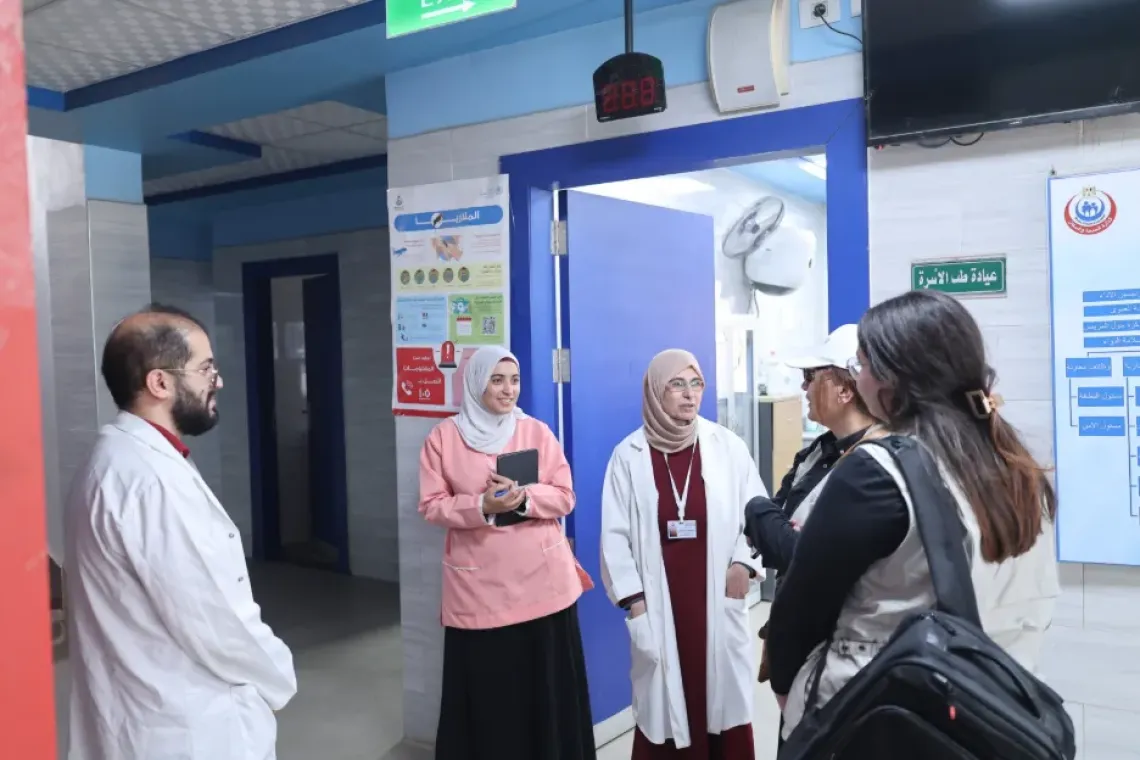
In Sohag and Beni Suef, UNICEF, with support from the Government of Korea, is working with the Government of Egypt to further strengthen these foundations of healthcare.
In Sohag, six healthcare units have been reached through UNICEF's Green Healthcare Facilities model. Across supported facilities in Sohag and Beni Suef, the partnership includes solar energy systems, hygiene supplies, and tools to maintain water, sanitation and hygiene (WASH) facilities.
From the rooftop...
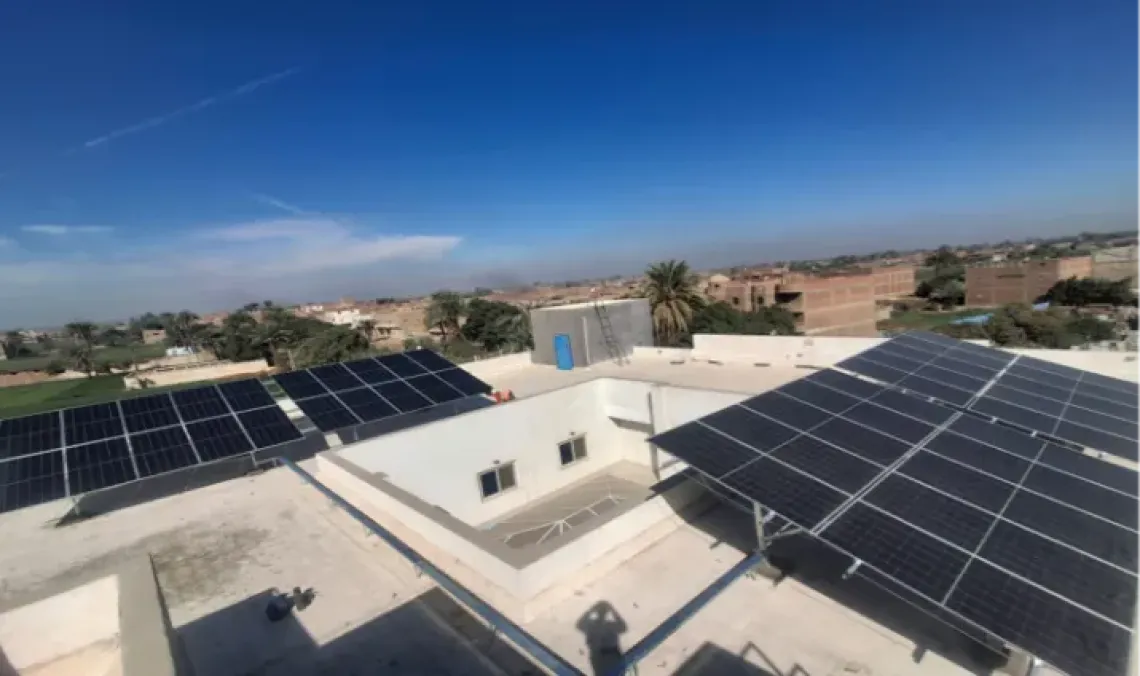
On the rooftop of Kom Baddar Healthcare Unit, newly installed solar panels are one of the most visible changes.
Once operational, the solar systems are expected to reduce reliance on conventional electricity and help health units use energy more efficiently.
But making a health facility greener goes beyond its electricity supply. The approach also looks at water conservation, sanitation, waste management and how healthcare workers can use resources more sustainably.
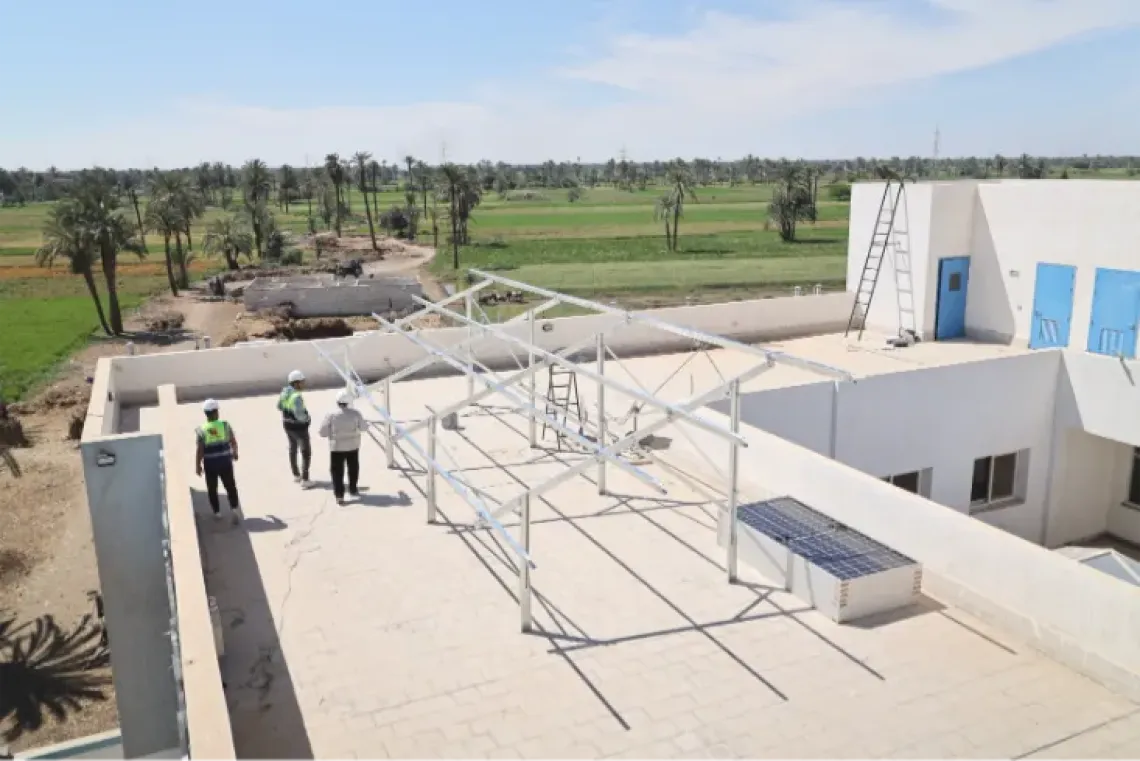
UNICEF's Green Healthcare Facilities approach also supports improvements in areas such as water conservation, water and sanitation systems, solid waste management, and the training of healthcare staff to adopt more environmentally sustainable practices.
Together, these interventions aim to make healthcare facilities more resilient and sustainable while strengthening the environments in which children and families receive care.
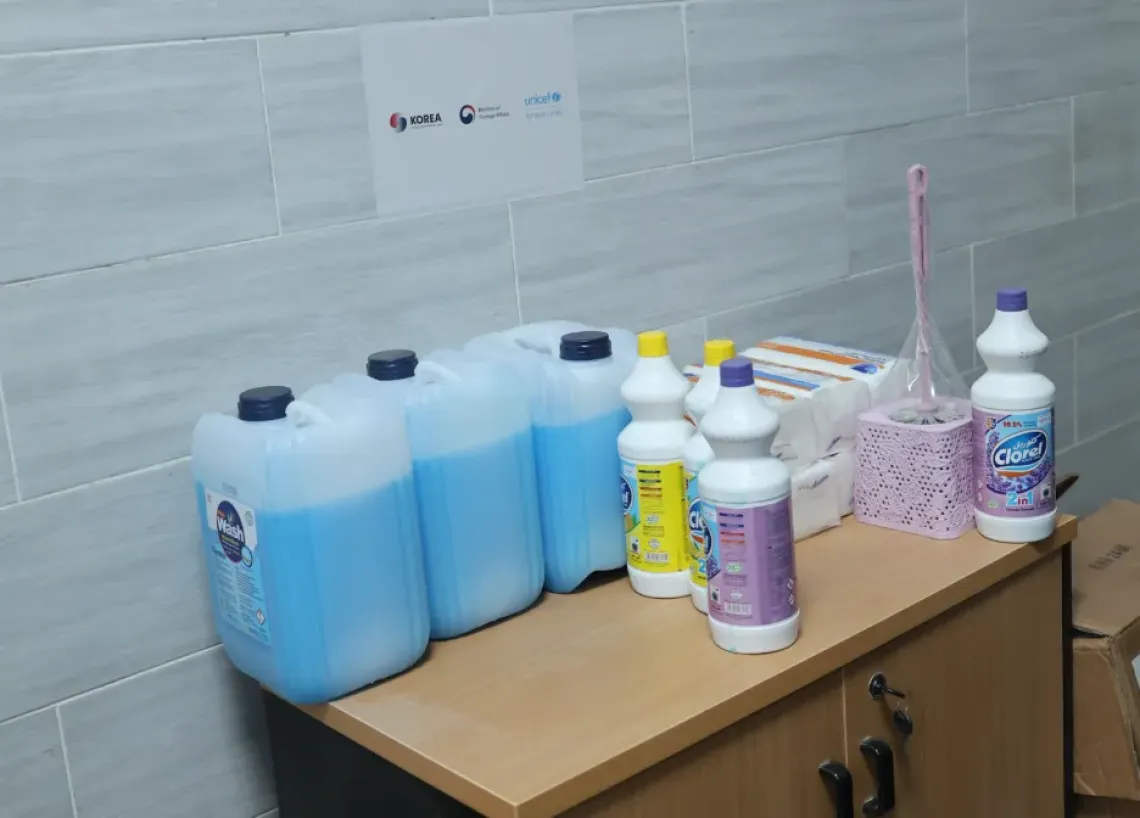
Inside the healthcare units, some of the changes are much less visible - but just as important.
Hygiene supplies help health workers keep care environments clean, while WASH maintenance tools help facilities keep essential water and sanitation services working.
For the children, mothers and families who come here, these are the basics that help make a healthcare facility a safer place to receive care.
From the solar panels on the roof to clean and functioning facilities inside, the aim is to strengthen the healthcare units that communities depend on every day.
With support from the Government of Korea, UNICEF is supporting the Government of Egypt to make healthcare facilities in Sohag and Beni Suef greener, safer and more resilient – so they can continue serving children and families now and in the years ahead.