An Eye On Why They Die

The Perinatal and Neonatal Mortality Surveillance System (PNMSS) in action at Al-Quseya hospital, Assuit, Egypt.

Dalia Younis
The Perinatal and Neonatal Mortality Surveillance System (PNMSS) in action at Al-Quseya hospital, Assuit, Egypt.
UNICEF/Egypt 2017/Shehzad Noorani
03 June 2018

Since 2010, UNICEF Egypt, with funding from USAID,  has been supporting the Ministry of Health and Population (MoHP) in implementing the Perinatal and Neonatal Mortality Surveillance System (PNMSS).

 PNMSS is one of many initiatives supported by UNICEF Egypt to enhance the quality of life for mothers and children. No parents should experience the heartbreak of watching their child suffer or die, especially when the cause of death is preventable and the care they need exists.

To date, at least 15 hospitals in Upper Egypt are participating in the PNMSS, with regular reporting of deaths, and mortality review meetings to determine the root causes of the deaths and the best approaches to avoid them in future.
 

The Perinatal and Neonatal Mortality Surveillance System (PNMSS) in action at Al-Quseya hospital, Assuit, Egypt.
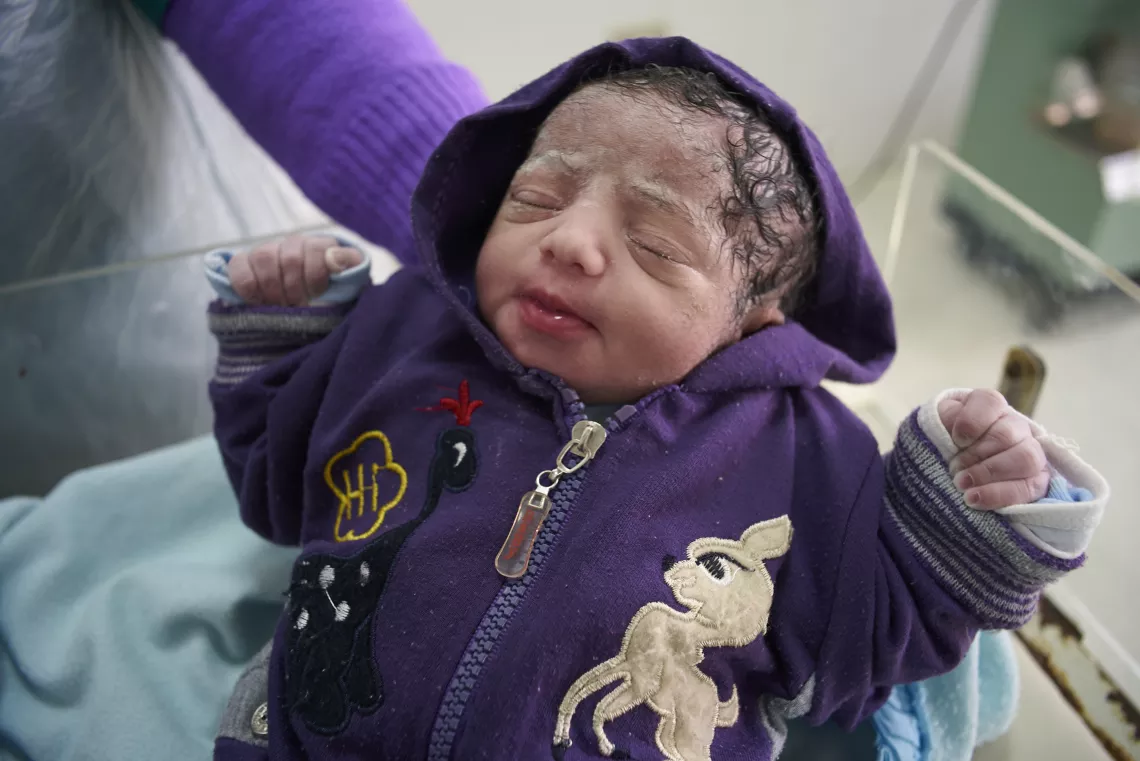
UNICEF/Egypt 2017/Shehzad Noorani A few-minutes old newborn in Alquseya hospital in Assuit. The neonatal period is the most dangerous period of a child’s life, with about half of all deaths in children under 5 occurring during this time. However, in Egypt as in many similar countries, many of these deaths are not recorded as part of the Vital Registration System, making it difficult to estimate the true magnitude of neonatal deaths in the community, or the cause of death of these infants.
The Perinatal and Neonatal Mortality Surveillance System (PNMSS) in action at Al-Quseya hospital, Assuit, Egypt.
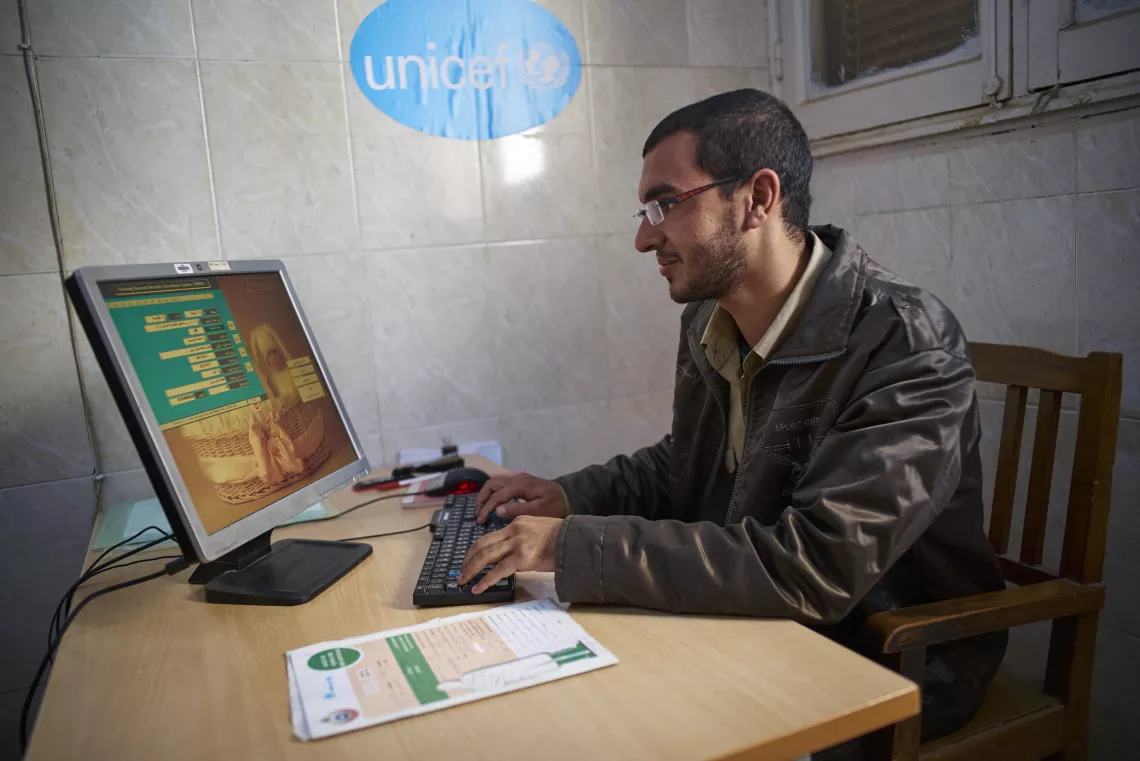
UNICEF/Egypt 2017/Shehzad Noorani A data entry specialist in Alquseya hospital, one of the selected hospitals at which the PNMSS is implemented in Upper Egypt. UNICEF Egypt supported the MoHP and academia to design the data collection forms to obtain details on all stillbirths and neonatal deaths, as well as the delivery registries used to collect delivery data, and the electronic databases.
The Perinatal and Neonatal Mortality Surveillance System (PNMSS) in action at Al-Quseya hospital, Assuit, Egypt.
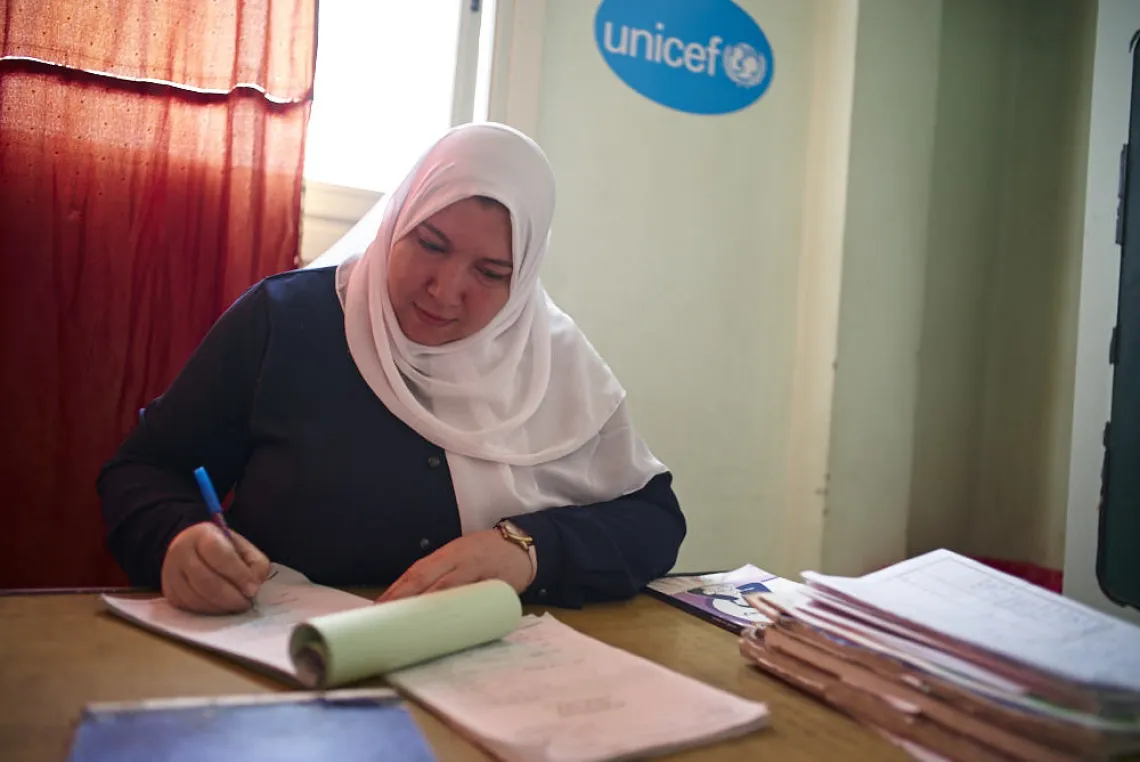
UNICEF/Egypt 2017/Shehzad Noorani A doctor filling a form in Alquseya hospital in Assuit. The PNMSS aims to identify the magnitude and causes of stillbirths and newborn deaths in hospitals, with the ultimate aim of reducing mortality.
The Perinatal and Neonatal Mortality Surveillance System (PNMSS) in action at Al-Quseya hospital, Assuit, Egypt.
UNICEF/Egypt 2017/Shehzad Noorani A nurse filling a form in Alquseya hospital, one of the selected hospitals at which the PNMSS is implemented in Upper Egypt. All stillbirths and neonatal deaths occurring at hospitals are carefully documented to obtain important data on birth weight, duration of pregnancy, and cause of death.