

The Menstrual Cycle
Essential Information
- English
- العربية
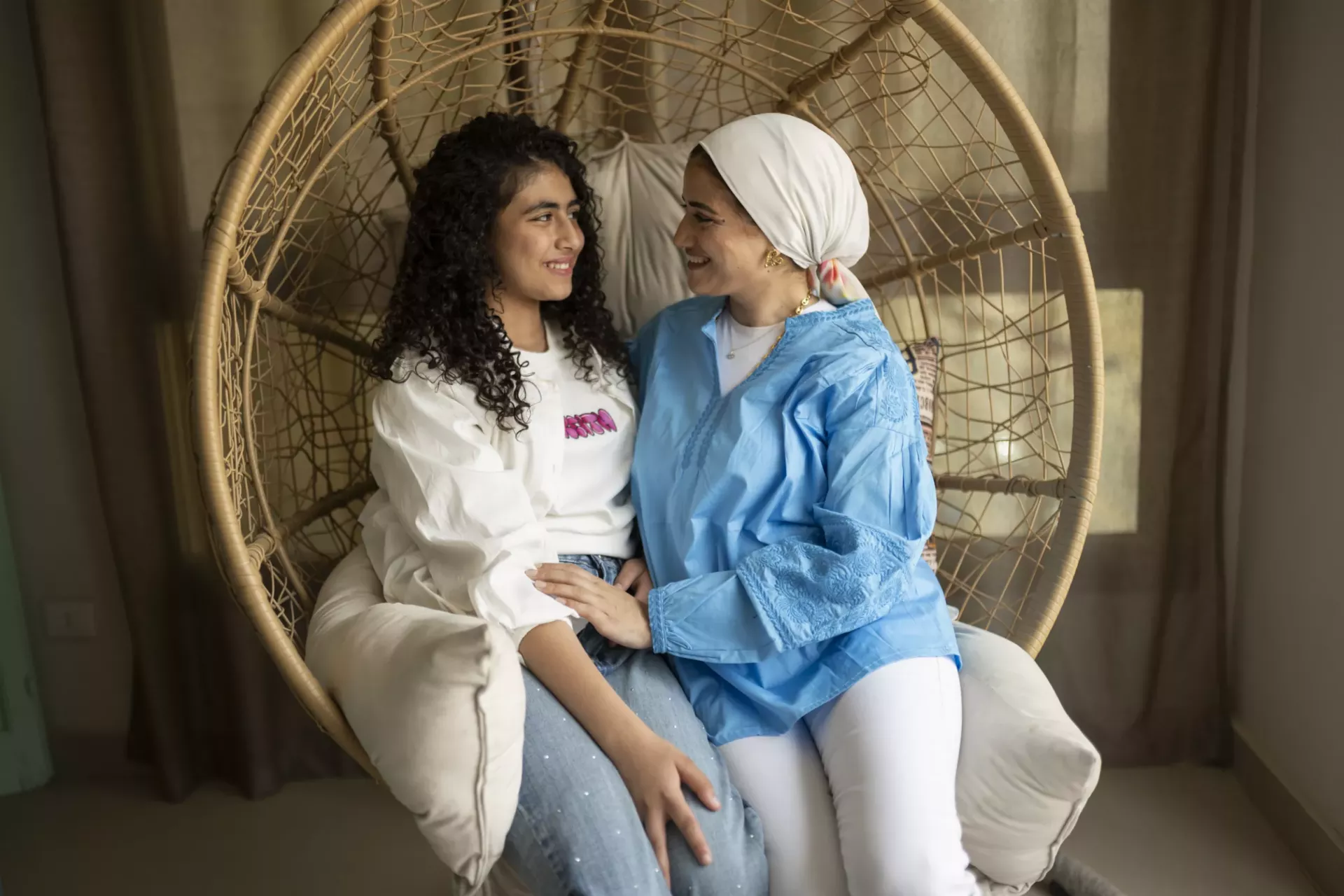
As young girls begin to transition into adolescence, their bodies undergo changes that they may not know how to handle, including the menstruation. Menstruation (or “period”) begins for most girls between the ages of 10 and 16, and it is one of the major transitional phases that most women experience. However, girls - especially during adolescence - face multiple challenges before and during their periods.
Egypt is home to nearly 20 million girls under the age of 19, including 30% who have begun menstruating. Due to certain misconceptions and lack of access to accurate information, many girls find it difficult to ask questions about menstruation, how to care for themselves, have access to needed items such as sanitary pads, medical services, advice and guidance. They may also feel restricted in their freedom of movement and expression, In some areas, there may be challenges in attending school regularly.
Therefore, education, access to information and family support around menstruation play a crucial role in empowering girls at this important stage in their lives, particularly in relation to physical and mental health and body safety.
Following proper menstrual hygiene practices can better enable girls to maintain their overall health. It is also an important step towards upholding girls' rights, dignity, safety, and life opportunities.
Talking to our daughters about menstruation
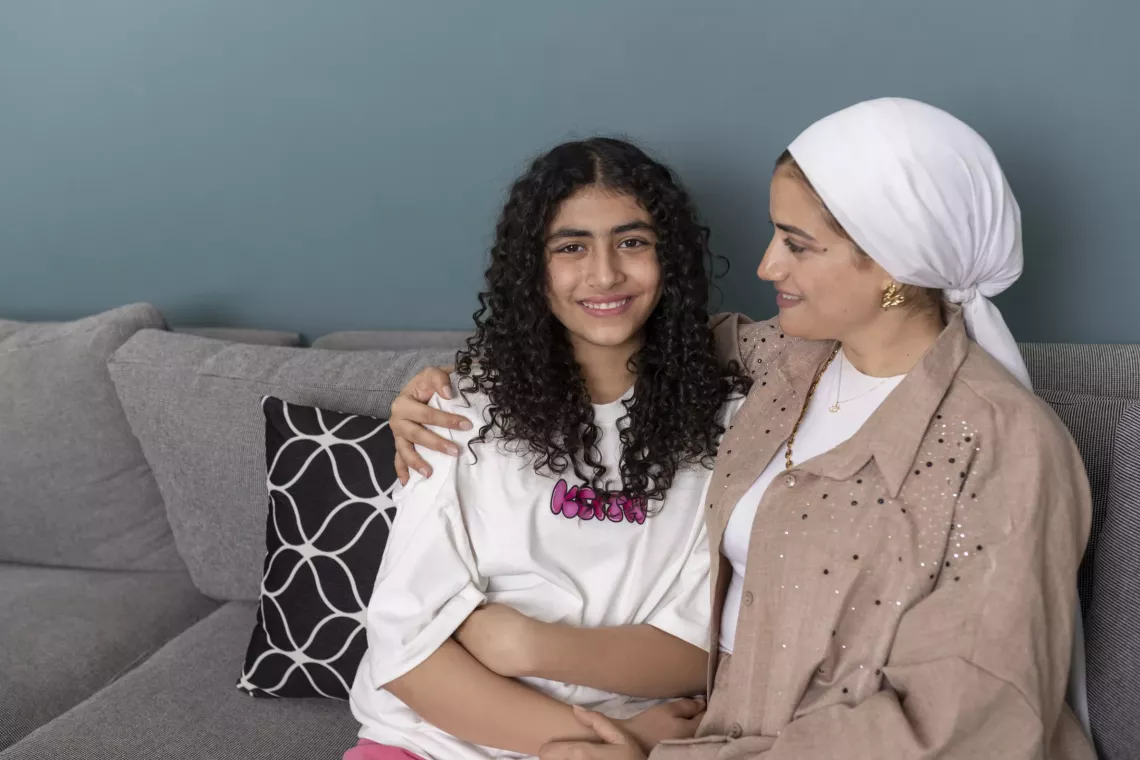
Menstruation is a fact of life, but not all parents feel comfortable talking about it with their daughters.
Not knowing the basic information about puberty and having many unanswered questions can make girls feel anxious or scared. Your daughter needs to know that menstruation is normal and that she can rely on you for information and support.
Talking about menstruation doesn't have to be embarrassing. With some basic knowledge, you can help your daughter navigate her period in a healthy way while feeling safe, confident, and supported.
Why shouldwe talk about menstruation?
Discussing menstruation in a healthy way can strengthen the bond between you and your daughter. It will help her feel comfortable with her body, empowered to take care of her health, and able to manage any physical or emotional symptoms without feeling ashamed or embarrassed.
How do I talk to my daughter about menstruation?
- Ask your daughter if she already knows about menstruation and how she feels about it: A good way to start is by asking: Have any of her friends started menstruating and talked about it with her? This is a good opportunity to correct any inaccurate information she may have heard.
- Facts are important: Use clear language when describing menstruation. Focusing on physiology will help reinforce the idea that this is a natural biological process in the body. You can explain menstruation by saying: As you get older to become a woman, almost every month, organs in your body called ovaries begin to release hormones that cause the lining of the uterus (the organ that carries the baby) to grow and prepare to receive a fertilized egg. When there is no egg, the lining breaks down and comes out as fluid from the vagina for a few days, which is called menstruation.
- Emphasize that menstruation/periods are normal: Reassure her that menstruation is a natural part of growing up and is a normal process that happens to girls once they reach puberty.
- Talk about the changes she will go through: Girls go through many physical changes when they have their first period. Breasts and body hair begin to grow, and fat distribution in the body changes. Hormones can also affect girls' emotions and moods. Let her know that there is no reason to be afraid or ashamed of any of these changes.
- Answer health questions: Encourage her to ask questions about personal hygiene, calculating menstrual periods, and managing symptoms, and help her research and ask experts if you don't know all the answers.
Some important questions and answers about the menstrual cycle
What is the menstrual cycle?
The menstrual cycle is a series of changes that occur in a woman's body on a regular monthly basis to form an egg and prepare the uterus for pregnancy. It is controlled and regulated by hormones that affect the body with their different levels of secretion and concentration.
Menstruation begins in females from puberty to menopause, which is the woman's fertile period during which she can conceive.
What is the duration of menstrual cycle and how is it calculated?
The duration of menstrual cycle ranges from 21 to 35 days. the beginning of menstruation is with the first day of menstruation.
What is meant by menstruation/”period”?
When girls reach a certain age, a fluid begins to come out of the vaginal opening every month for a period of 3 to 7 days, which is called menstruation or "period" as many girls in Egypt call it. This fluid is not just blood, but a mixture of blood and tissue cells found in the lining of the uterus and natural secretions from the vagina and cervix, and it is not harmful at all. When a girl starts menstruating, she can become pregnant.
How do I prepare for my first period?
Having your first period in public places can be a bit scary. It could happen at school or during an outing with family or friends. It is perfectly normal to feel nervous about this because it is a new experience. However, being prepared can give you some peace of mind. One way to prepare is to carry a small bag containing pads and underwear, so if your period starts unexpectedly, you will have everything you need to handle it with confidence, comfort, and control. You can also talk to your mother to learn how to manage your period properly to gain more confidence and support.
How do I calculate the start date of my period?
Menstruation comes once every 21 to 35 days, depending on several factors, the most important of which are regularity of menstruation, age, health, and psychological state. Upon reaching puberty, a girl needs to go through more than one menstrual cycle to know the average days of her period and the number of days between periods (which can naturally deviate between 3-5 days). For example, if the period comes on August 1st for a girl with an average cycle length of 28 days, the next period is expected to be on August 29th. Girls are encouraged to accurately track their menstrual periods to pay attention and prepare for the expected days of menstruation.
Why are periods painful?
During menstruation and a few days before, some contractions occur in the uterus causing normal pain in the lower abdomen and/or back and thighs. This occurs because of the hormonal changes during menstruation and the increased secretion of chemicals that stimulate uterine contractions to expel menstrual fluid. This pain starts gradually and may last for a few hours or days, it may be tolerable or severe and may require taking a painkiller. You should consult a doctor about the appropriate painkiller to take immediately when the symptoms start to control the pain. Excessive use of painkillers may cause other problems, so you must choose and use them with caution.
What causes mood swings before my period?
As the date of menstruation approaches, the rise and fall of hormones affect the levels of dopamine and serotonin, which are substances that affect mood. Some symptoms occur at varying degrees among girls (and may not occur at all), including: sadness, anxiety, irritability, sleep disturbances, and increased appetite. Other physical symptoms may also appear, such as bloating, a slight weight gain due to fluid retention and pain on touching the breasts. This is called premenstrual syndrome (PMS).
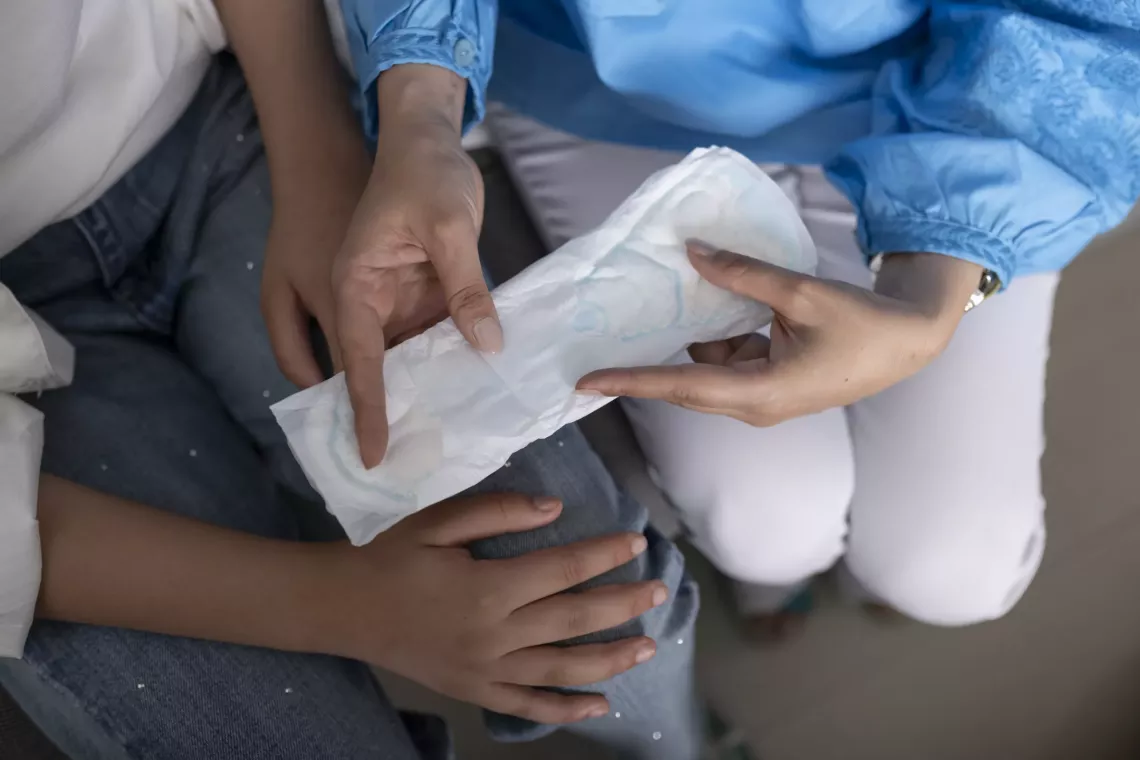
How do I use sanitary pads correctly?
Maintaining personal hygiene during menstruation is essential. Consider the following when using sanitary pads:
- Wash your hands thoroughly before using sanitary pads.
- Change sanitary pads every 4-6 hours to avoid fungal infection in the accumulated menstrual fluid, which may lead to unpleasant odors and urinary tract or vaginal infections.
- Dispose of the used sanitary pad by wrapping it tightly before throwing it in the trash and placing it in the new pad’s wrapper if available to avoid spreading unpleasant odors or infections.
- Wash your hands thoroughly with soap and water after disposing of the sanitary pad.
Can I take a shower during my period?
Of course! Sometimes, girls and women feel hot and sweaty at night during menstruation due to hormonal changes in the body. Therefore, taking a shower is very important to cope with the feeling of heat, maintain hygiene and get rid of any unpleasant odors. It is recommended to use water only to wash the sensitive areas.
Can I exercise during my period?
There is no medical contraindication to exercising during menstruation as long as you feel fit and the period painis tolerable. Practicing some sports, such as walking and jogging, may also help you relax and relieve stress and pain.
What foods and drinks are recommended to be consumed during menstruation?
Iron-rich foods (such as eggs, meat, chicken, molasses, and green leafy vegetables such as spinach and arugula) can help you replenish the iron lost during menstruation and avoid anemia. Drink 6-8 glasses of water per day. Warm drinks such as anise and mint can also help reduce bloating and pain, but you should pay attention to drinking tea and coffee away from main meals to avoid their effect on iron absorption.
With the natural increase in appetite during the period, be careful not to eat unhealthy food that may cause you more trouble, and focus on healthy, balanced, rich in vitamins food such as vegetables and fruits.
When to see a doctor?
You just see a doctor when periods:
- Are prolonged or irregular.
- Start before the age of 8 years.
- Do not start by the age of 16 years.
- Cause severe or unusual pain (or pain occurs during any phase of the menstrual cycle).
Important messages to our daughters about the menstrual cycle
- Menstruation is a natural thing that is nothing to be ashamed of. It indicates that you are in good health and on your way to becoming a mature woman.
- Menstruation should not prevent you from:
- Feeling self-confident
- Going to school or public places
- Going out with your friends
- Playing sports
- Always be prepared for any emergency or to help your colleagues and friends by keeping an extra sanitary pad in your bag.