“One of the biggest myths about cyberbullying is that it will go away if ignored”
That did not work for me – and it does not work in general. Reporting and responding to cyberbullying are key.

- English
- русский
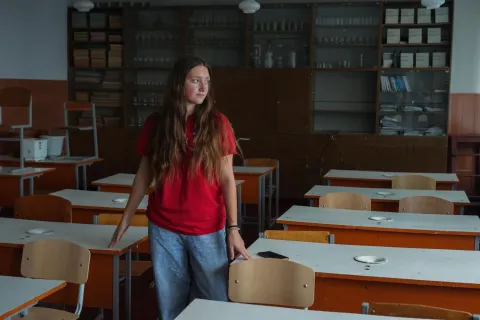
When I was in the first year of high school, I encountered something I could not have imagined before: cyberbullying. One girl created an Instagram profile and published pictures she had taken from my social networks – but with taunts and even making comparisons to animals.
When I first heard about the profile, I felt hurt and powerless. I tried to talk to the school’s pedagogue, but I didn't get any support. What's more, I was told that this doesn't happen at the school, that they won't interfere in this situation. Instead, I turned to my family – my parents, sister and brother. Their support helped me get through it and move on. After my parents and friends found out about everything, and I gathered the strength to face her, the girl stopped bullying me.
I wasn't the only one she had targeted with a fake profile. She did the same with other classmates, too. To this day, I still don't know why. What I do know is that this can seriously affect the mental health of the person being bullied, causing anxiety, depression and more.
I think that young people today are very aware of the seriousness of such situations, but they cannot deal with cyber violence on their own – they need support. Online campaigns and peer support are very important to make the internet a safer place. We also should all know how to report bullying, either to the school, parents or directly to the platforms we use.
In the meantime, more and more young people are realizing the influence of social media. We are starting initiatives, sharing experiences and providing support to peers who are going through the same thing. This trend is empowering young people to take control of their digital security.
One of the biggest myths about cyberbullying is that it will go away if ignored. That did not work for me – and it does not work in general. Reporting and responding to cyberbullying are key. It was only when I sought help from my family and finally confronted the bully and asked her why she was doing it that the violence stopped. Talking about a problem is not a weakness – it is a way to solve it.
Klara, 21 years old (at the time, I was 16 years old), from Podgorica, Montenegro.