Common pregnancy cravings: What they are, and why you get them
Pickles, salty food, ice cream, even apples – it's common to crave certain foods while pregnant. Here are some of the most common pregnancy cravings and what they might mean, as well as when you might need to seek help.
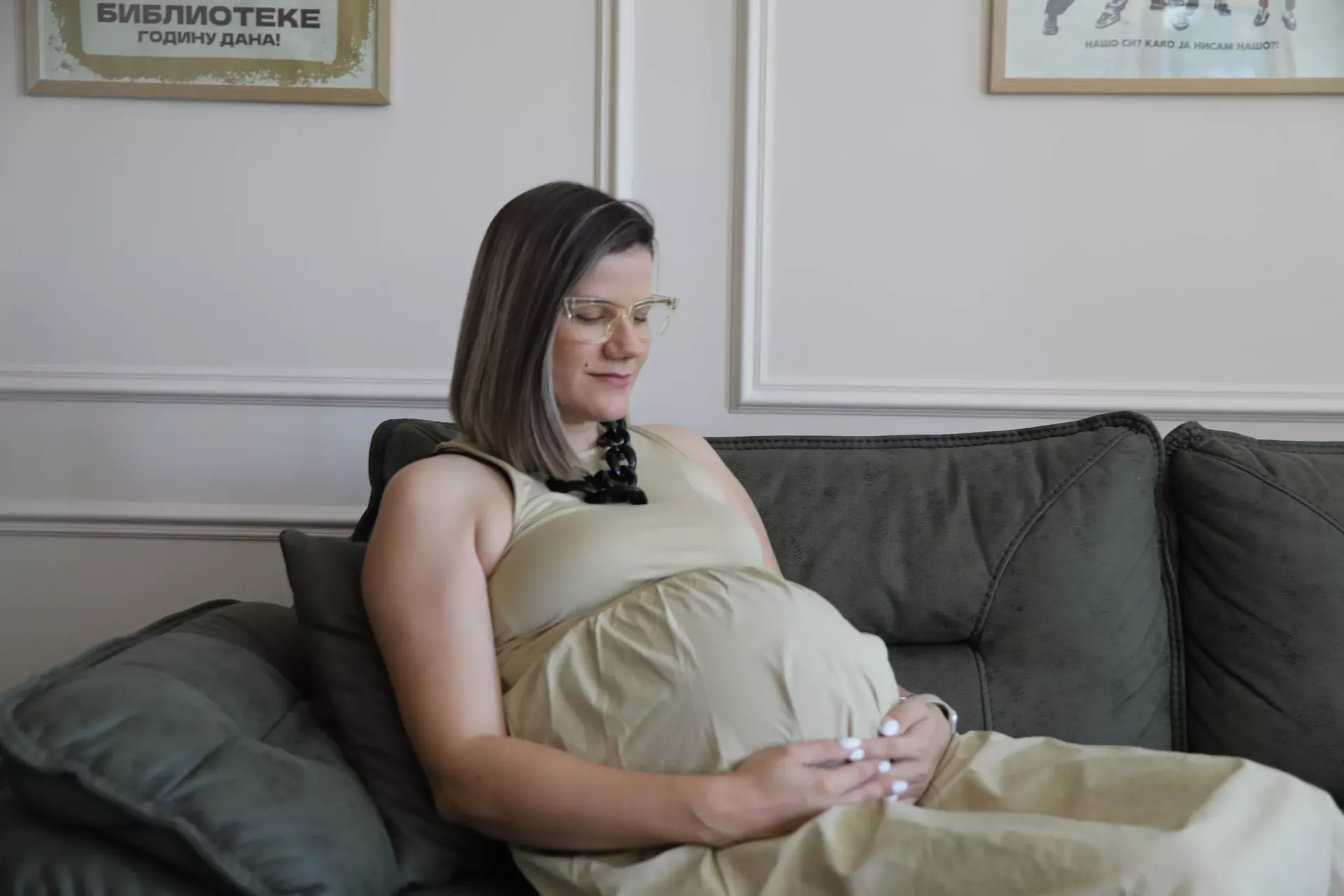
Pregnancy cravings can show up as early as the first trimester. And they're incredibly common, with up to 9 in 10 pregnant women experiencing cravings.
Usually, craving a certain food during pregnancy is harmless and normal. But in some cases, it can indicate an underlying disorder or lead to weight gain above the recommended amount.
Here's what to know about what causes pregnancy cravings, when cravings are for a non-food item and when to seek medical or nutrition advice.
What causes pregnancy cravings?
No one can be sure exactly what causes cravings – and the reasons might vary from person to person. Still, there are a few theories.
One is that pregnancy hormones can sharpen our senses of smell and taste. This likely evolved partly as a protective measure: It's especially important not to ingest toxic foods while pregnant, so it makes sense for our bodies to be on alert for any smells or tastes that seem even slightly "off". But this can go the other way, too, by making us more interested in certain foods. Chocolate smells even more chocolate-y, and ice cream tastes even sweeter.
Cravings might also be the body's attempt to get more nutrients. In pregnancy,key nutrients like iron, calcium, zinc and iodine are directed first to the developing foetus rather than to the mother. This makes pregnant women vulnerable to different deficiencies. However, given that many women crave foods that aren't particularly nutritious – like pickles, or chocolate – rather than, say, leafy greens, it's unclear if this is really where cravings come from.
Another theory has to do with the fact that, in pregnancy, blood sugar levels can go up and down. This can make us feel more hungry at certain times.
One of the most compelling theories, though, is that pregnancy cravings largely stem from psychological and cultural factors. Because of cultural beliefs around "eating for two", pregnancy is often a time when women feel that they can eat what they want, including foods deemed to be "unhealthy" like sweets, without restriction. Researchers have noted that this hypothesis is especially supported by the fact that food cravings are so cultural: although chocolate is the most commonly craved food in the US, hardly anyone says they crave it in Egypt, and in Japan, the most popular craving is rice.
Anecdotally, here at UNICEF, our colleagues in Armenia report that salty foods, like pickles, and sweets are often requested. And in Kosovo, mothers responded to a social media poll we ran saying that fruits and vegetables – especially apples – were what they craved most.
Meanwhile, many mothers won't have any cravings.
And even some cultures don't seem to experience food cravings at all – and don't even have the words in their language to describe it.
While exactly what causes cravings remains a bit of a mystery, they remain, in many cultures, a common phenomenon. But there is one craving, in particular, that might be a sign of needing to speak with your healthcare provider.
When the pregnancy craving is for a non-food item
When someone craves non-food items, the phenomenon is called "pica". Sometimes experienced by pregnant women, it most often manifests as a desire to eat ice, although it can be something else, like dirt or chalk, too.
Sometimes, this craving is normal, but other times, it can be a sign of iron deficiency. It has been estimated that more than 1 in 10 people with iron deficiency have some form of pica.
Iron deficiency in pregnancy can be especially risky to both the mother, and the baby. Low iron, for example, can put the mother at a greater risk of death during pregnancy. It also raises the risk of stillbirth, preterm birth, and low birth weight.
If you find you are craving non-nutritive items on a regular basis, it is worth talking to your health provider.
The link between pregnancy cravings and excess weight gain
Gaining weight in pregnancy is both normal and recommended. While some weight gain is from factors like the foetus and the placenta, a high proportion of it is from gaining more fat.
Gaining too much weight, however, can come with poorer health outcomes for both the mother and the baby. For example, it can raise the risk of complications such as gestational diabetes, pre-eclampsia, and hypertension.
There is some evidence that women who experience strong food cravings in pregnancy may be more likely to have a higher food intake, and be more at risk of excess weight gain, than women who do not.
As a result, if you are pregnant and feel that your cravings are leading you to consume high-calorie but less-nutritious foods (like sweets) more than you normally would, it is worth speaking to your health provider for support in designing a diet that will best support you, and your baby.