In Focus: Ending the institutionalization of children and keeping families together
For every child: a nurturing family environment
Highlights
The impact of family separation and the institutionalization of children is devastating and lifelong.
When children are separated from their parents it is often under tragic circumstances, ending in deeply distressing and traumatic events. Family separation can leave children feeling unwanted and worthless and imprint lasting scars on their mental health and psychological well-being.
As well as being separated from their families and lacking parental care, children who are placed in large-scale institutions – particularly from a young age or for a long time – face emotional neglect, abuse and exploitation. This compounds their distress and trauma and exacerbates the long-term impact on their lives. Children who grow up in institutions often experience cognitive, linguistic and other development delays and are more likely to come into contact with the law.
Child institutionalization has devastating consequences not only for these children and their families, but also for society as a whole, by exacerbating stigma and social isolation, and by fuelling an intergenerational cycle of disadvantage.
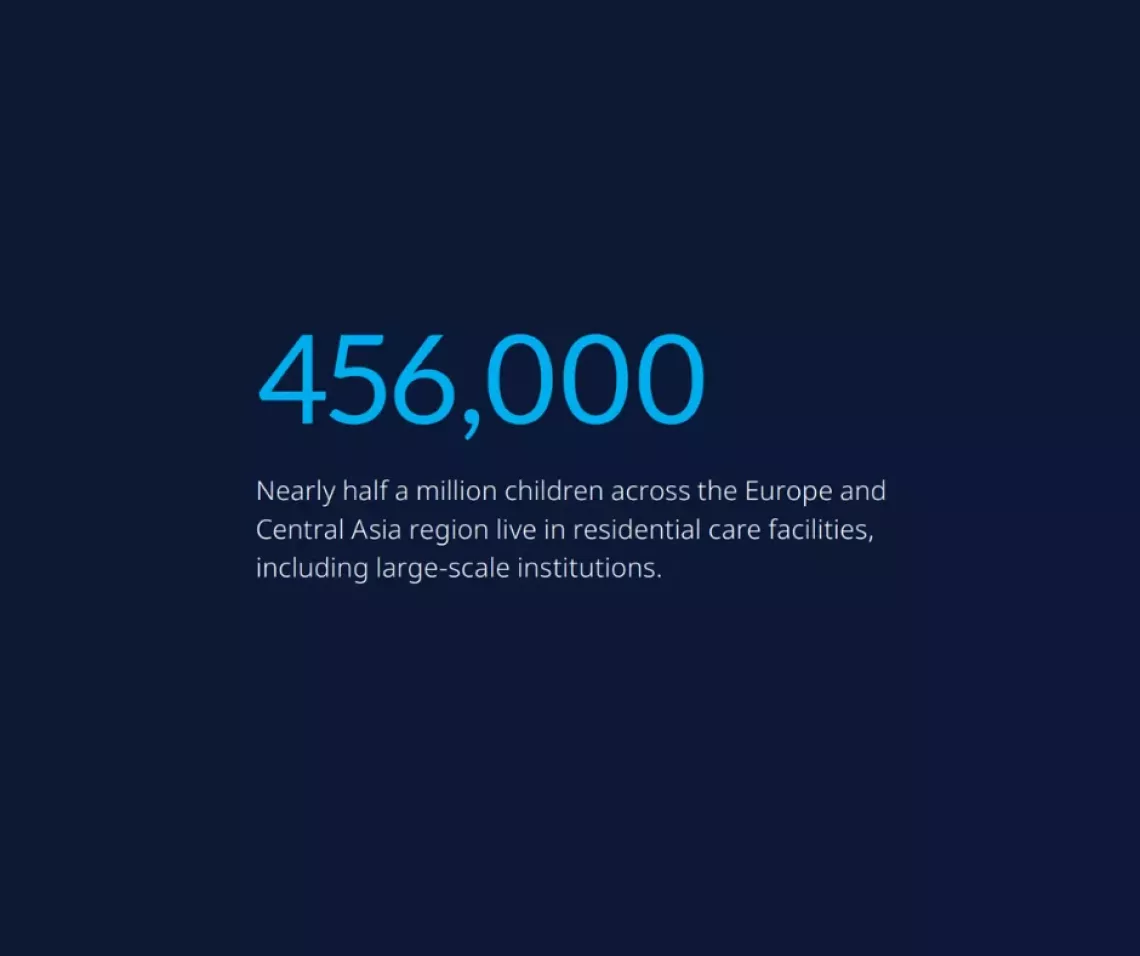
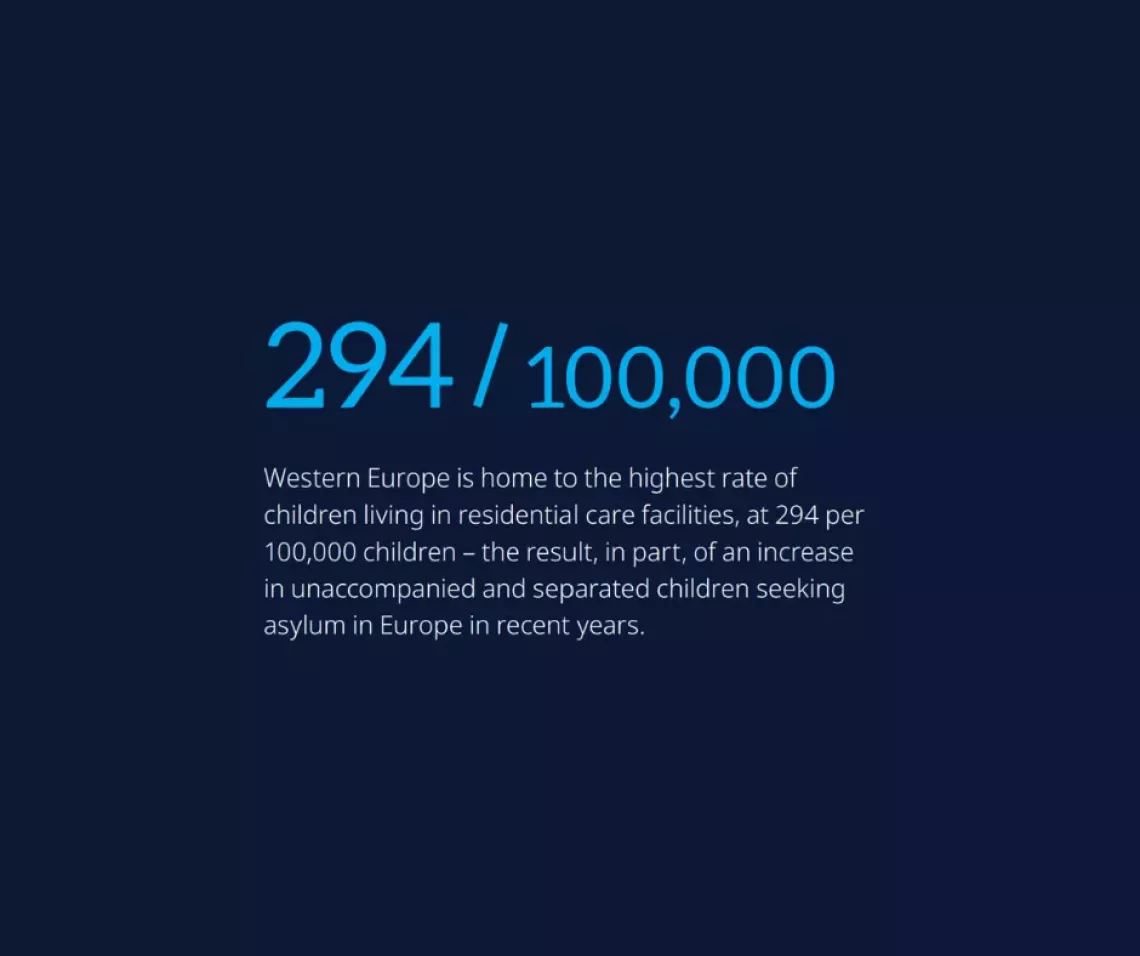
The damage caused by child institutionalization is well-known, yet children across the Europe and Central Asia region are still institutionalized at twice the global average rate, and 456,000 children remain in residential care facilities. Children with disabilities and other marginalized groups are vastly over-represented among those living in these institutions.
UNICEF’s position is clear. No child should be placed in a large-scale institution or in any form of alternative care because their family lacks access to health, education, social protection services or the other basic services that they need to care for their child at home. We work to end the institutionalization of children and support the development of effective child protection, family support and child care systems that help to keep families together wherever possible, and that focus on the best interests of each child.
When institutional care is replaced by such systems it opens a gateway to a transformation of government social services that benefits all children and families.
Files available for download
Key fact




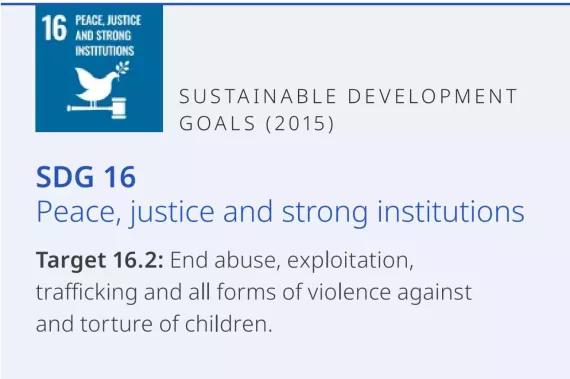
Key policy frameworks
Convention on the Rights of the Child 1989
- Article 7: The child has the right, as far as possible, to know and be cared for by his or her parents.
- Article 8: Children have the right to preserve their identities, including family relations.
- Article 9: Children cannot be separated from their parents against their will, unless this is in the best interests of the child.
UN Guidelines for the Alternative Care of Children (64/142) (2010)
- General principles: The family being the fundamental group of society and the natural environment for the growth, well-being and protection of children, efforts should primarily be directed to enabling the child to remain in or return to the care of his/her parents, or when appropriate, other close family members.
Challenges
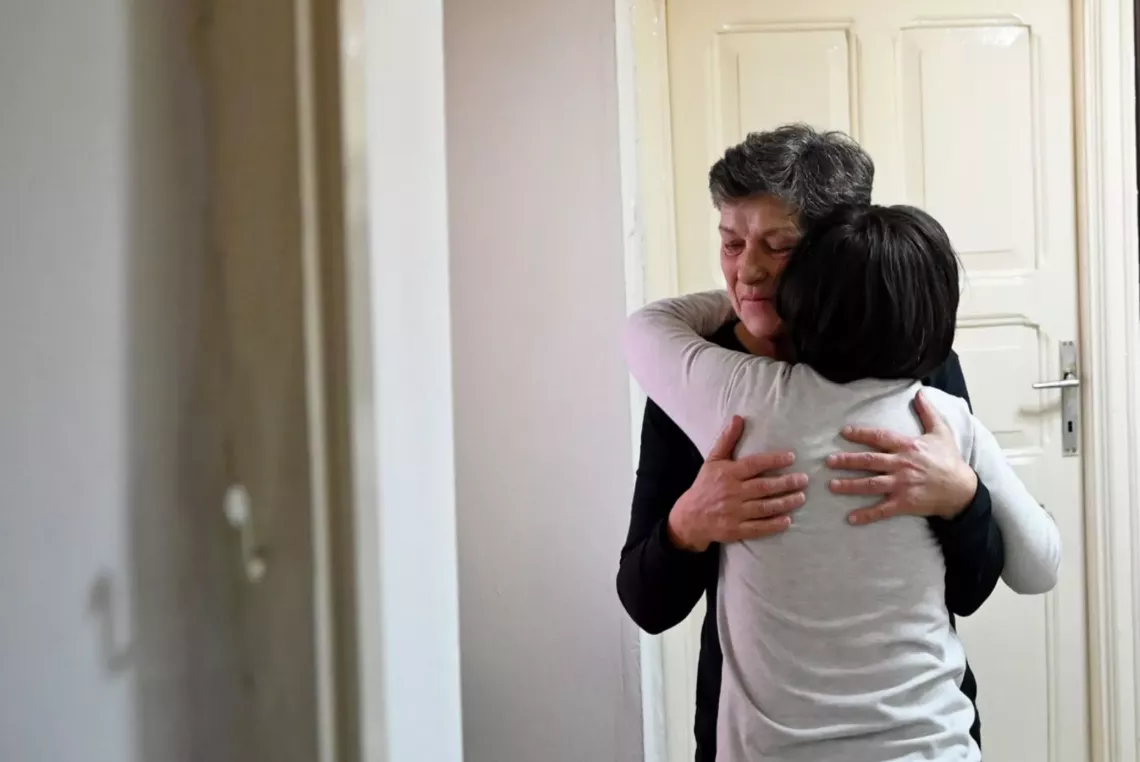
Every child has the right to grow up in a supportive and caring family environment. Yet nearly half a million children – 456,000 – across the Europe and Central region are growing up in residential care, despite the well-known and devastating impact of family separation and child institutionalization.
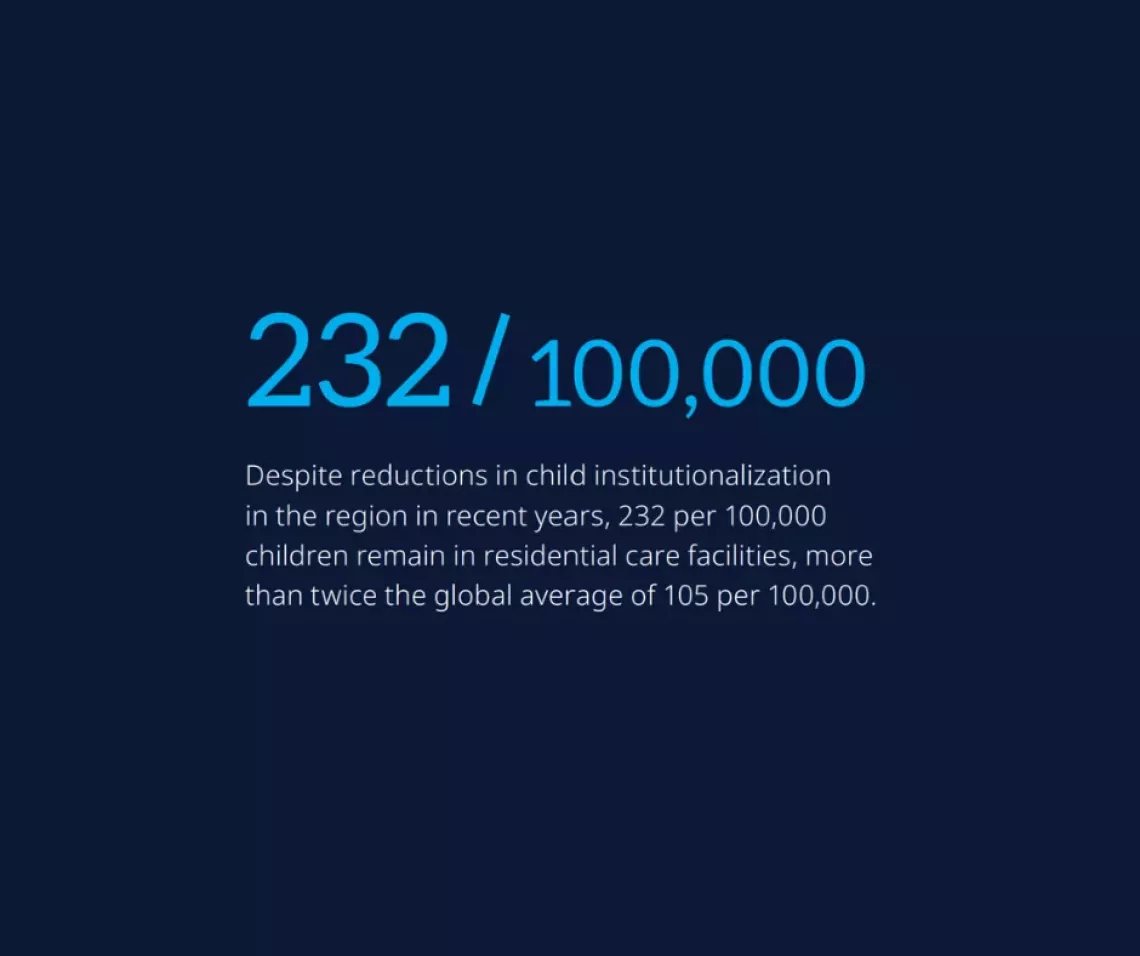
While the rate of children living in residential care has fallen by almost two-thirds in recent years, the region continues to have by far the world’s highest proportion of children who have been institutionalized. Around 232 per 100,000 children are living in residential care across the region – more than double the global average of 105 per 100,000 children.
The rate of child institutionalization reflects the strength of a country’s child protection system, with a higher rate signaling a system that is broken and the failure of services to keep families together. Recent reductions in the institutionalization of children in the region are a positive shift. Yet other types of formal alternative care are increasing, including foster care and guardianship – a sure sign that too many children are still being separated from their families in the absence of effective services to keep them together.
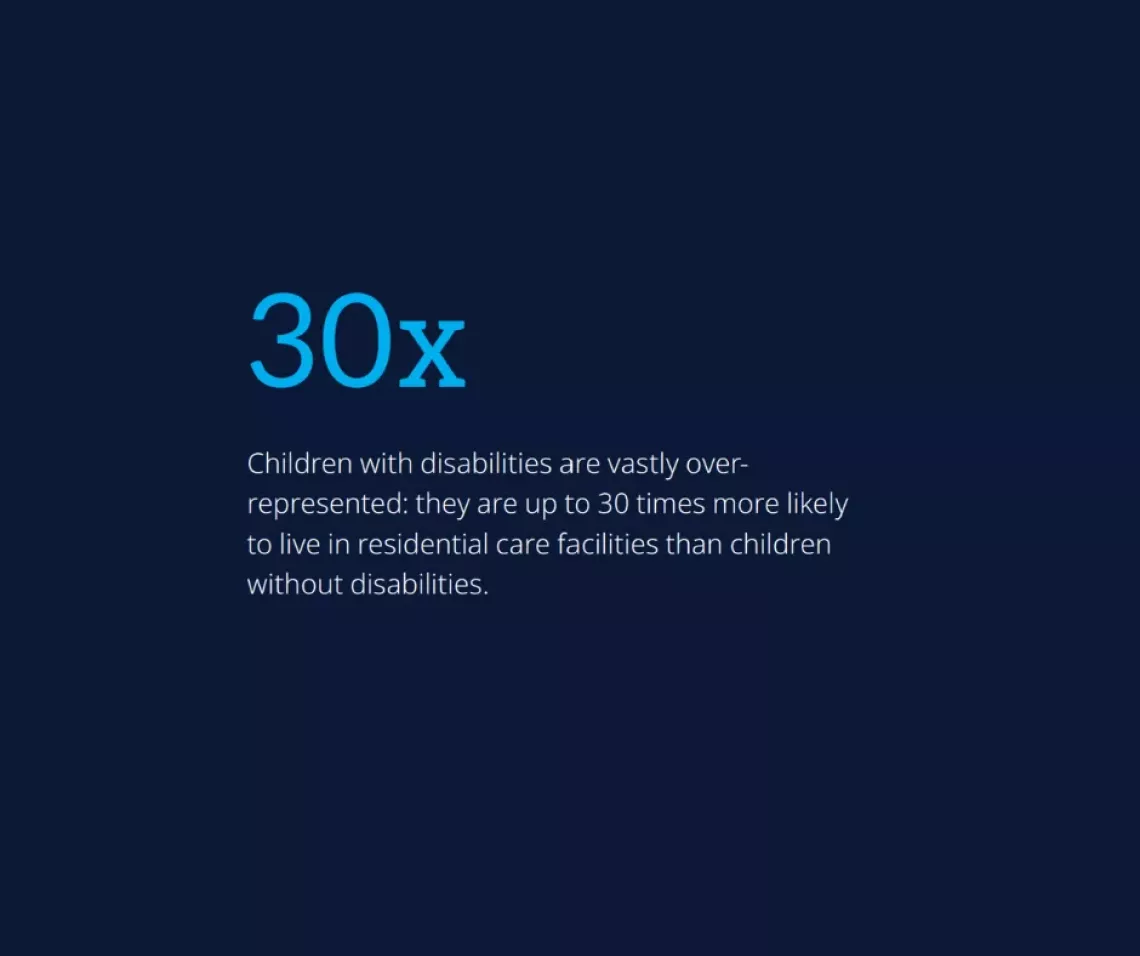
The most marginalized children across the region are the most likely to be separated from their families and institutionalized. This is particularly true for children with disabilities who are up to 30 times more likely to live in residential care facilities than children without disabilities. Children from the poorest families, children who are affected by migration and children from ethnic minorities, including Roma children, are also far more likely than other children to be separated from their families.
At the same time, children from marginalized groups are more likely to be excluded from the basic services that can keep families together, including family support, health and education. Child protection services and specialized family support and social services, including quality community-based social work, are often too inadequate to prevent family separation.
The impact of family separation and institutionalization is severe and can last a lifetime. Children placed in institutions are deprived of the social, emotional and intellectual stimulation that is critical for the healthy development of their brains. The damage can be particularly severe during the early years of a child’s life. Shut away from mainstream society, children in institutions are vulnerable to violence, neglect and abuse.
In later life, children who have grown up in institutional care are more likely to face continued exclusion from society, more likely to struggle with alcohol and drug abuse, and more likely to experience violence, arrest and imprisonment. The long-term impact is so damaging that it is harder to place children who have been institutionalized for prolonged periods of time in family-based alternatives or reunite them with relatives.
Key reasons for child institutionalization in the Europe and Central Asia region
- Institutionalization is fueled by deep-rooted social norms, particularly for children with disabilities. The persistent stigma around disability reflects public attitudes that hamper both the return of children to their families and efforts to recruit suitable foster parents.
- Social norms also support a ‘medical model’ of disability across the region that focuses on children’s conditions, rather than their potential. This feeds into the view that institutions – rather than families –are the best option for children with disabilities, a view reinforced by a lack of community-based services that can support them and their families.
- The placement of children in institutions is also linked to economic and social inequality, as well as a lack of social protection that can help families stay together, such as child benefits, community-based family support services, adequate housing, and inclusive education and health care.
- The institutionalization of children – as well as the over-use of alternative care – is often a form of discrimination against minority groups such as Roma children, families caring for children with disabilities, children who are affected by migration, and those living in poverty, all of whom are more likely to be removed from their parents or excluded from family-based care alternatives.
- Child institutionalization signals a lack of support for parents during a child’s earliest months of life. The younger the child when they are removed from their family, the greater the potential damage.
UNICEF’s work for children
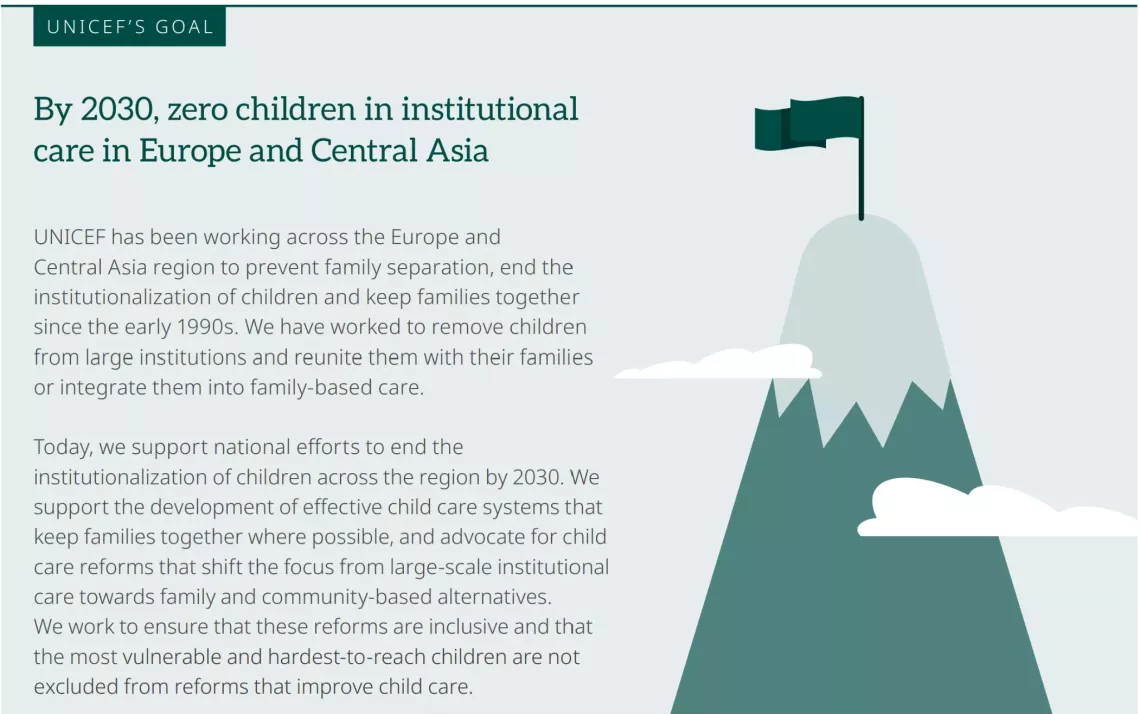
UNICEF works closely with governments, local organizations and families in five priority areas to help keep children with their families and create a positive and lasting impact on their lives and futures. In each of these areas, and throughout all of our work, we aim to ensure that children have a voice in decisions that affect them. In this case, we provide children and young people who have experienced different forms of care with opportunities to share their opinions and solutions.
- We work to develop statutory family support services to prevent the unnecessary separation of children from their families and keep children out of the care system.
- We work to ensure that alternative care is family-based or as family-like as possible. This includes preventing the separation of siblings and increasing support for fostering and guardianship.
- We work to ensure that the best interests of every child are met by improving the protection of children who are already in care to protect them against violence, neglect and abuse, and to get them back to their families, or find other appropriate, safe and permanent family-based solutions.
- We support countries to design and implement effective child care reforms, including providing technical guidance to governments to align national laws and policies with international commitments to keep children with their families where possible. We work with governments to plan the closure of institutions and the corresponding scale-up of inclusive social welfare and family-based care services that reach the most vulnerable children and their families. We help governments mobilize funds to cover the costs of moving children from institutional to family-based care. This includes increasing the number of qualified social workers, expanding services such as day care, training foster parents and setting up a full range of appropriate alternative care.
- We are tenacious in our advocacy for deinstitutionalization and for child care reform, raising the awareness of policy-makers and the public on the benefits of keeping families together and the urgent need to prioritize family-based care.
Practical, family-centred support in Tajikistan
UNICEF and its partners in Tajikistan are working to help children grow up in family settings rather than institutions. The Family and Child Support Centre in Istaravshan city, for example, opened by the President of Tajikistan in 2021, is one of a number of ‘baby homes’ in the country that have been transformed into a family-oriented centre with UNICEF’s support. The services offered by these centres include:
- early intervention and rehabilitation services for children with disabilities and their parents
- day care for children while their parents are at work
- ‘five-day care’ for parents of children facing difficult life situations
- ‘respite care’ or ‘give a mom a break’ services for parents of children with disabilities
- mother-and-child units for mothers who are facing a crisis, including those who have given birth to a child with a disability and who, in the absence of such support, might feel they have no option but to place their child in an institution
- multidisciplinary teams of professionals who can connect children and caregivers with other services.
The main goal is to ensure that each child is integrated into their biological family – or when this is not feasible, to place the child in an alternative family-based form of care. Within its first year of operations, the country’s four Family and Child Support Centres provided support to 359 families, and 373 children (including 322 with disabilities) were diverted from institutional care.
The partnership between UNICEF and the Ministry of Health and Social Protection of the Population has included providing parents and other caregivers with online support to help them build their skills and prevent the placement of children in residential care. In all, 928 children, including children with disabilities, received online support in the initiative’s first year, such as information on how to prevent COVID-19, legal support to access medical and social services, and psychosocial support.
From institutions to community-based services in Bulgaria
Bulgaria has made impressive progress on reducing child institutionalization with support from UNICEF and the European Union (EU). Around 7,500 children lived in institutional care in 2010. Today there are 200 children in the 4 infant homes that remain – down from the 168 large-scale institutions that existed before the country’s child care reform. And the number of social services for children and families has tripled, from 241 in 2010 to 725 in 2023.
Bulgaria has mobilized a combination of EU and UNICEF funding to support community-based services and deinstitutionalization. A total of €100 million from the European Social Fund, the Regional Development Fund and the European Agricultural Fund for Rural Development has been bolstered by €3 million from UNICEF to cover the transitional costs of transforming the country’s child care system and supporting the implementation of the reforms.
Call to action
A second wave of reforms is now needed. In countries where child care reforms have already reduced the institutionalization of children, it is time for an even stronger focus on keeping families together or, where this is not possible, on family-based alternatives. In other countries, where such reforms have stalled or are regressing, the priority remains to end the placement of children in large-scale institutions.
Keeping families together is a chance to build social services that meet the needs of vulnerable children and their families. It is also a shift towards approaches based on empathy and outreach to the most vulnerable. And it is a clear sign of government support for the most vulnerable children and their families.
UNICEF is the leading international organization in the region on this issue, with decades of experience and a track record of support for effective reforms. With the right resources we can continue to accelerate reforms that keep families together, advocate with policy-makers and the public for the better protection of children, and ensure the best standards of care for children within the care system across the region.