April: A Month to Advance Rights
Children and adolescents across Cuba raised their voices during consultations on the new Code for Children, Adolescents and Youth
- Español
- English
The first days of April came with an invitation: to listen to the voices of children and adolescents from across the country on the key content included in Cuba’s new Code for Children, Adolescents and Youth. Since December 2024, the draft of this legal framework has been available on the website of the Ministry of Education for public consultation.
What should a code that addresses the rights of children and adolescents include? What would you recommend to the team drafting this legal document? These were some of the guiding questions posed in classrooms and in other child-friendly spaces created for reflection and discussion.
Luna H. Varona Labrador, a sixth grader at Gustavo Pozo Primary School in Havana’s Plaza de la Revolución municipality, reflects on her right to participate and be heard. She mentions the workshops she attended at La Manigua, a cultural institution near her school that promotes the values of Cuban artist Juan Padrón’s work. With the support of La Manigua’s specialists, students explored the content of the new Code for Children, Adolescents and Youth.
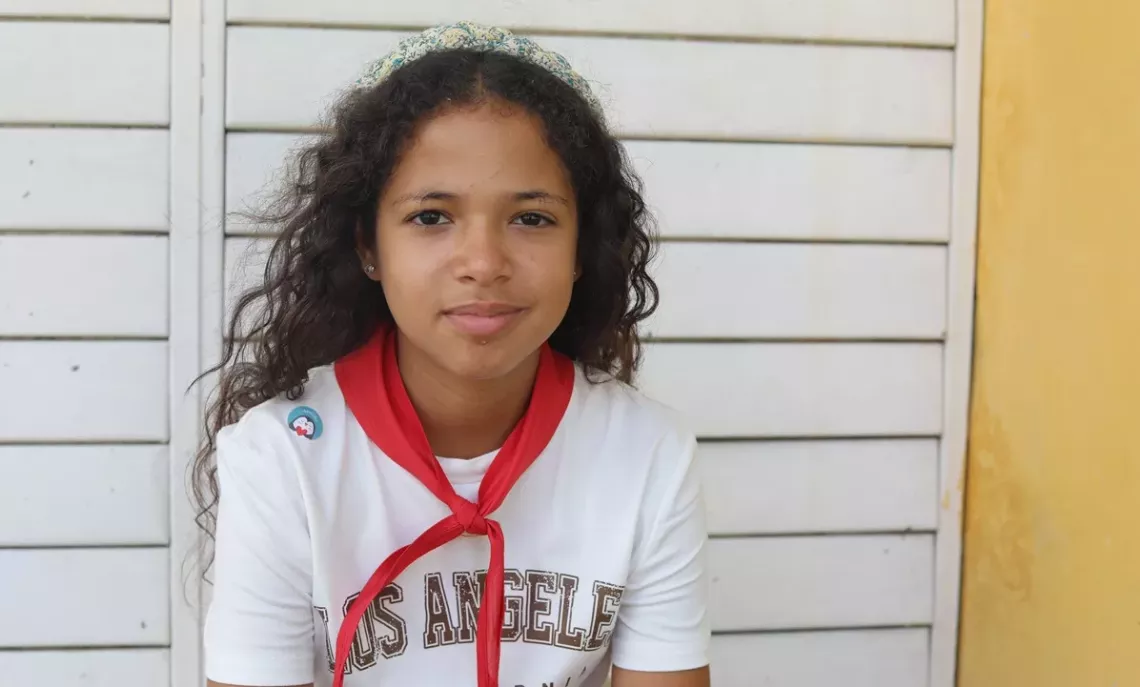
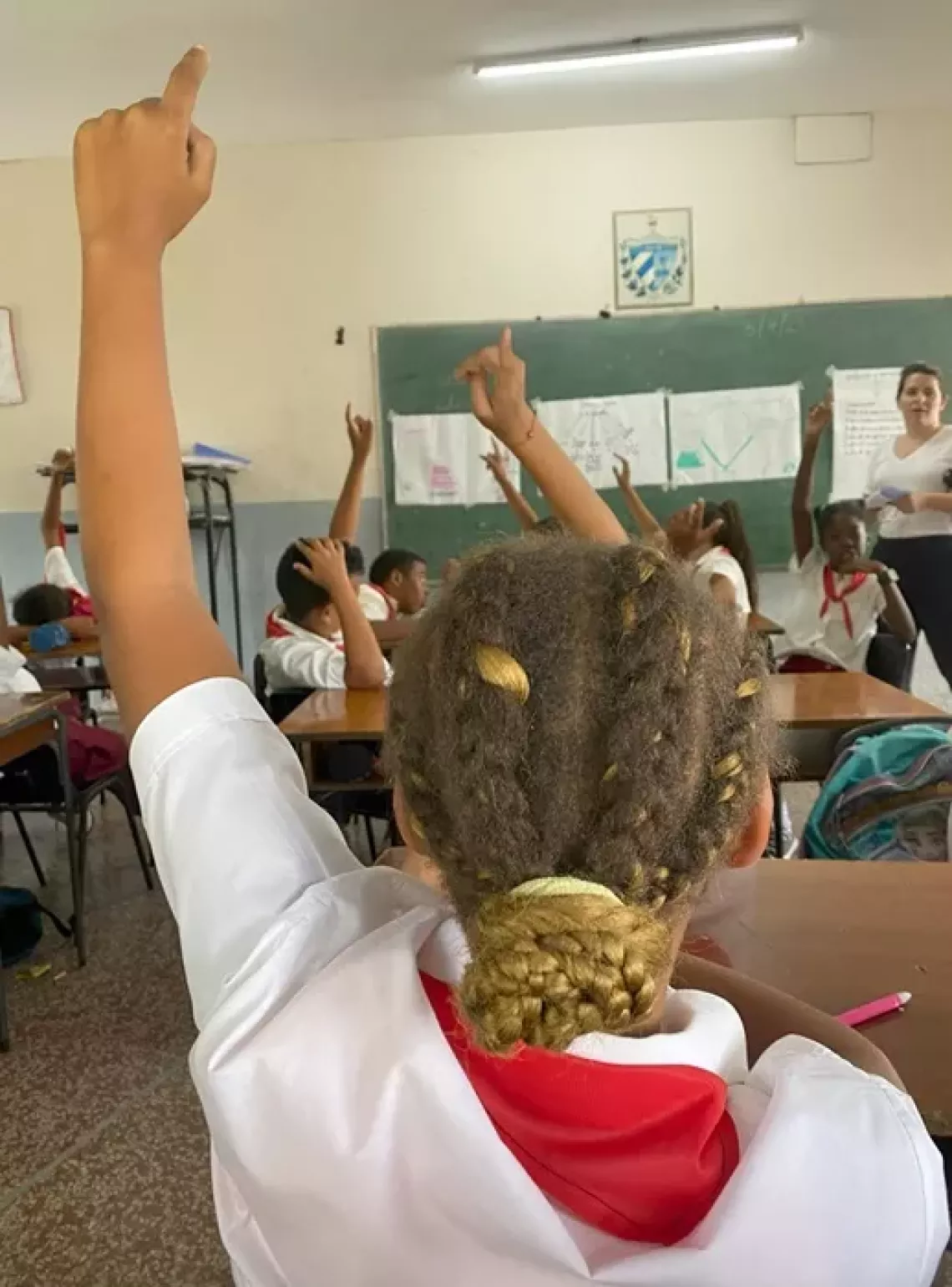
Luna describes April 4 not only as a festive day, but also one of learning. They drew pictures about their rights and responsibilities, shared personal stories, and clarified doubts about how the new Code proposes to protect their rights.
She recommends that “adults listen to children, because we say what we think, without sugar-coating things like adults often do.”
Jonathan Roberto, also in sixth grade, believes that having a new code focused on children and adolescents can help prevent discrimination.
For Wilber, a fourth grader, it is essential that children’s voices be heard on matters that affect them. Lázaro, another student in fourth grade, advocates for his right to play—especially in his neighborhood—and to always have access to a safe space to do so.
Angel Michel spoke about the right to rest, and his friend Eriel highlighted the importance of access to information: “Every child has the right to know what’s happening and to understand topics that concern them.” He especially appreciated receiving the latest issue of Zunzún, a children’s magazine focused on child rights, distributed at his school by the Abril Publishing House and UNICEF.
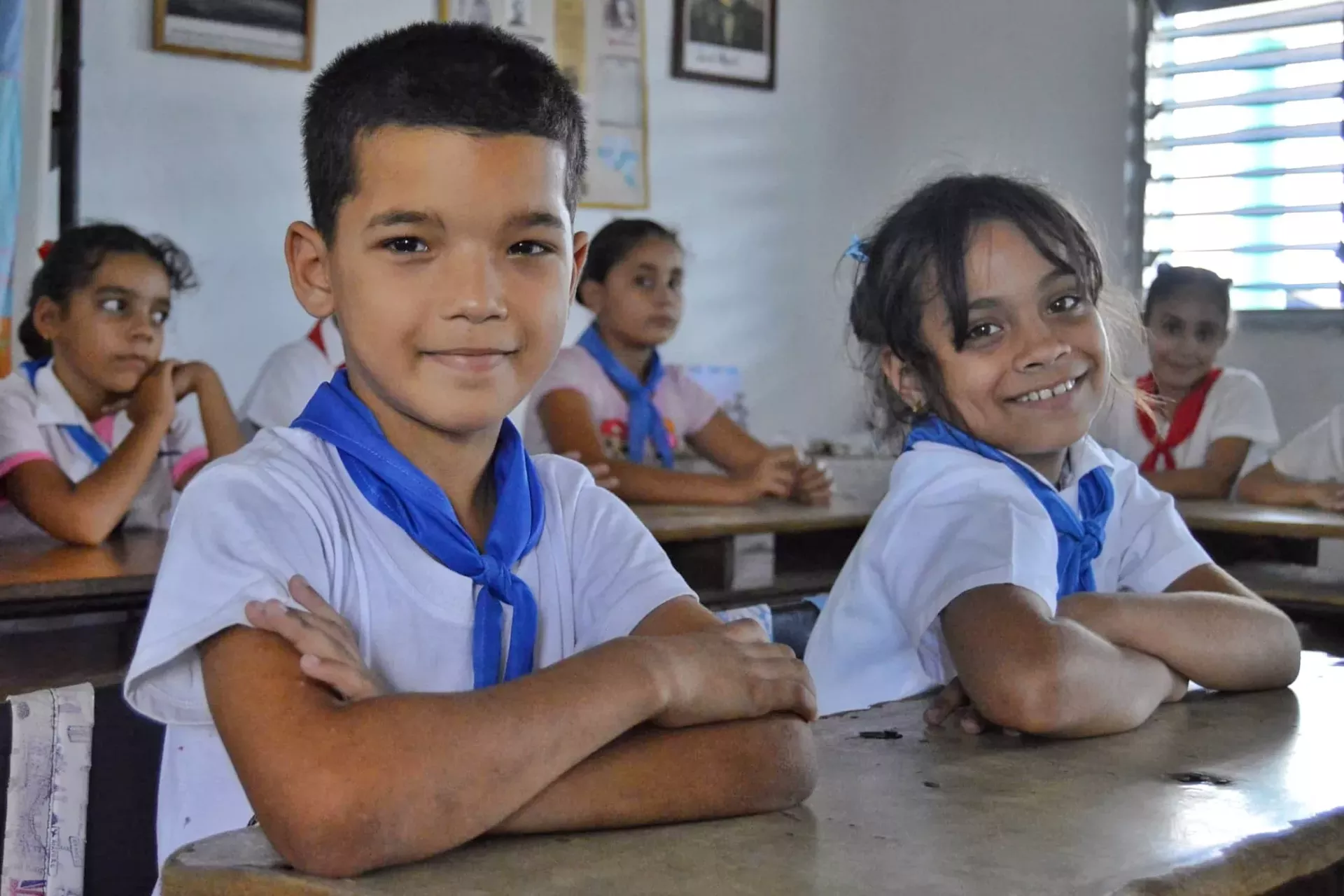
While students at Gustavo Pozo Primary were exploring the Code, similar activities were taking place in central Cuba. At Francisco Vales Ramírez Primary School in Mayajigua, Yaguajay municipality (Sancti Spíritus province), children reviewed the proposed rights, responsibilities, and protection systems in the new Code with guidance from their teachers.
Some rights sparked more debate—particularly the right to live free from violence. “No child should ever be forced to do something dangerous or harmful, whether at school, at home, in cultural spaces or in the community,” they emphasized. Participants stressed the importance of teachers, parents, and other caregivers being well-informed and acting in ways that uphold children’s rights, avoiding words or actions that might cause emotional or physical harm.
At the Venegas Community Cultural Centre in Yaguajay, members of the Ambienta community project also engaged in a discussion about the draft Code. They clarified legal terms they didn’t fully understand and asked about protections for children with different developmental conditions who need additional support to enjoy their rights without discrimination.
Another topic raised was the need for protection in cultural settings. Competitions, performances or contests should not become a source of stress for participants, as pressure can harm children’s well-being. “Sometimes children are insulted, and that limits them,” they said. Such situations can also arise in academic, sports, or recreational competitions, where children may feel pressured by adults.
A Beehive of Ideas
Suanet, Diego, Sofía, Elíecer, Gerardo, Ofelia, Lucas, Verónica, Iván Luis and Valeria are members of the children’s theatre company La Colmenita, a UNICEF Goodwill Ambassador in Cuba. Some are in primary school, others in secondary, and a few already attend pre-university. On the afternoon of April 4, they gathered at the theatre’s headquarters to discuss the new Code.
UNICEF and Ministry of Education specialists joined them to share insights about the Code’s development, which will be submitted to the Cuban Parliament in July for review and approval. The children’s questions contributed to a deeper understanding of this important legal instrument.
Rights are like treasures—but shared treasures that we want to make visible and accessible to all. That’s why one of the first activities was a treasure hunt around La Colmenita’s building to discover some of the rights outlined in the draft Code.
Children found familiar rights—such as the right to health, education, rest and play—and others that sparked curiosity, including the right to personal data protection, protection in emergency situations, and the principle of the best interests of the child.
They asked questions such as: What happens if adults don’t respect these rights? How will children be protected in digital environments? What mechanisms will be available to report violations of children’s rights?
Discussion about the Code’s proposed child protection system drew strong interest. This system outlines protective measures in all spheres of life, including digital spaces, and provides procedures for restoring rights when they have been violated. One of the innovative elements in the draft Code is the inclusion of accessible reporting mechanisms so children and adolescents can raise concerns when their rights are not respected.
The proposed Code is a powerful tool for the protection of children’s rights. Its implementation will require greater commitment and education across Cuban society to ensure that the rights it enshrines are realized every day.
The State, teachers, families and all individuals will share responsibility in ensuring that every child and adolescent can enjoy their rights, fulfill their responsibilities, and have effective channels to seek support and solutions when problems arise—with responses that prioritize their well-being and development.
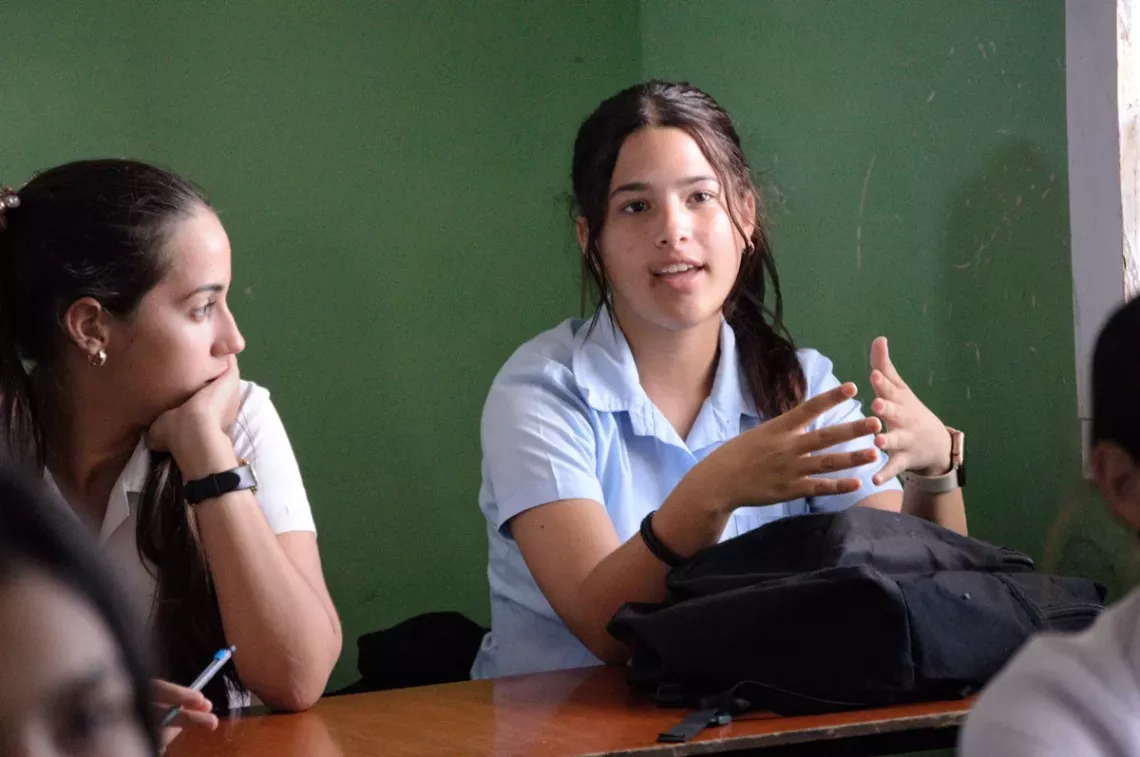
April was an opportunity to learn more about rights—and how a new legal instrument can expand their guarantees for Cuban children and adolescents. The Code draws on international child rights standards, the Cuban Constitution of 2019, and today’s emerging challenges, such as the need to legislate for digital environments and increasingly frequent emergencies and disasters that affect island nations like Cuba, including the impacts of more intense hurricanes and climate change.
The Code is still being revised. A team of experts, led by the Ministry of Education, is collecting and analyzing all the feedback received—including questions and even the personal stories shared by children. These anecdotes often reflect a desire to understand their experiences, express concerns, or offer suggestions that can be translated into legal language.
Those who participated in the consultations expressed appreciation for the opportunity to be heard and considered. The journey is not over. More discussions will follow, ensuring that the final Code reflects the realities and voices of the children and adolescents it is meant to serve.